
Choosing the wrong hoodie manufacturer can turn a promising product line into shrinkage claims, pilling complaints, bad fit issues, and weak repeat sales.
The best hoodie manufacturer setup depends on order size, product positioning, and quality control needs. Small batch works well for testing and flexibility, while wholesale production works better for scale, lower unit cost, and stronger price planning.
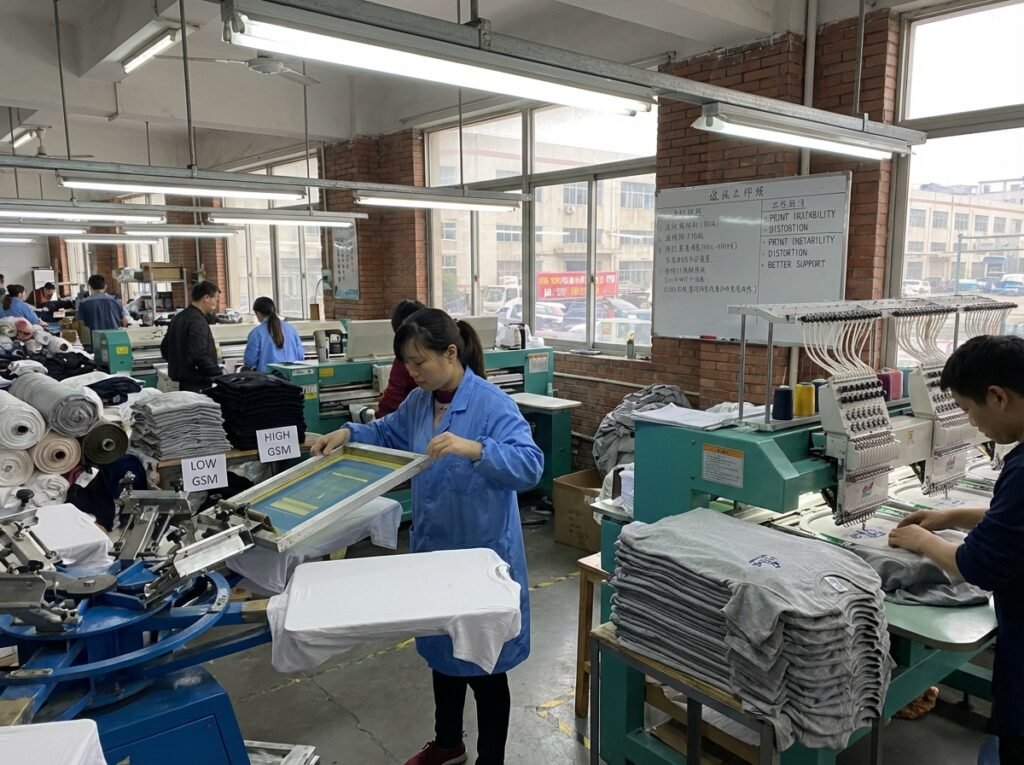
Hoodie sourcing looks simple at first. A factory sends a sample. The fabric feels acceptable. The quote looks competitive. Then the real problems start after production or after the first wash. Real market feedback shows the same pattern again and again. Hoodies shrink after washing. Fabric pills too early. Sleeves feel too short. Cuffs stretch out. Zippers fail. Inner fleece sheds. Some hoodies look thick and premium in photos but arrive thin and cheap. These are not random accidents. Most of them come from factory-side decisions in fabric selection, fit grading, sewing standards, trim quality, finishing, and bulk control.
That is why hoodie sourcing should never be reduced to location or price alone. China remains a major hoodie production base because it offers broad fabric access, flexible trim sourcing, strong sampling ability, and scalable production. At the same time, many buyers also compare Los Angeles manufacturing for local production, shorter shipping distance inside the US market, and easier communication. The real decision is not only China versus Los Angeles. The real decision is which manufacturing model fits the brand’s order size, product goals, and quality expectations best.
Why Does China Stay Strong in Hoodie Manufacturing?
China stays strong because hoodie production depends on more than sewing capacity.
A strong hoodie supply setup needs fabric mills, rib suppliers, zipper sources, print and embroidery support, sampling teams, and bulk production systems that can work together with stable quality.
This matters because most hoodie complaints begin upstream. Thin fabric usually starts with weak sourcing decisions. Shrinkage points to poor pre-shrinking or weak wash testing. Pilling points to low yarn quality or poor surface finishing. Loose cuffs often come from unstable rib quality. Broken zippers point to weak trim choices. These are easier to control when the supply chain is deeper and more connected.
China is often attractive because the full process can be managed more efficiently. Fabric options are wider. Trim sourcing is easier. Custom labels, embroidery, printing, and packaging are usually easier to coordinate. This gives buyers more room to build different hoodie levels, from simple stock programs to more customized products. Still, not every factory is the right fit. Some focus on large-volume programs only. Some quote low but lose control in fit, wash performance, or consistency. The advantage comes from the right supplier structure, not from the country name alone.
What Is the Difference Between Small Batch and Wholesale Hoodie Manufacturing?
Small batch and wholesale production serve different business needs.
Small batch manufacturing supports testing, flexibility, and lower inventory pressure, while wholesale manufacturing supports lower unit cost, stronger production efficiency, and easier scaling once the product is proven.
Small batch is often useful for new launches, market testing, limited drops, or early-stage brands that do not want to commit to large inventory too soon. It allows more caution. It can help test fit, fabric response, print demand, and customer reaction before expanding. This matters because hoodie problems are often discovered only after wear or wash. A smaller first run can reduce the damage if something goes wrong.
Wholesale production works differently. Once a hoodie is confirmed in fit, fabric, trims, and customer response, larger production often brings stronger costing and better planning. Fabric can be booked more efficiently. Trim sourcing becomes smoother. Cutting and sewing lines run more efficiently. Unit price often becomes more competitive. This is especially helpful for proven core styles.
| Production model | Main strength | Main challenge |
|---|---|---|
| Small batch | Flexibility and lower inventory risk | Higher unit price |
| Wholesale | Better unit cost and scaling | Higher commitment and stock risk |
When Does Small Batch Hoodie Manufacturing Make More Sense?
Small batch manufacturing makes more sense when product demand is still being tested.
It works best for new brands, limited collections, niche designs, early sampling-to-sales transitions, and programs where product learning matters more than the lowest possible unit cost.
This model is often safer when a brand is still learning what customers want. The insight table shows how sensitive hoodie buyers are to softness, thickness, fit, pilling, shrinkage, and cuff recovery. That means early-stage brands should be careful before placing large orders on unproven styles. A small batch can reveal whether the hood shape feels right, whether the body length works, whether the fleece sheds, and whether the fabric keeps its hand feel after washing.
Small batch also works better for brands that want variety. A lower quantity program may allow more experimentation with graphics, color stories, or seasonal capsules. The trade-off is cost. Smaller orders usually mean higher unit prices, less trim leverage, and less flexibility on very custom materials. That is why small batch works best when the goal is testing and refinement, not maximum cost efficiency.
When Is Wholesale Hoodie Manufacturing the Better Option?
Wholesale manufacturing becomes the better option when the hoodie has already proved its value.
Once fit, fabric, decoration, and customer response are stable, wholesale production usually offers better margins, better planning, and stronger repeat capacity.
A proven hoodie should not stay in a test-stage production model forever. If demand is already clear and reorders are likely, wholesale production often makes more sense. It usually reduces unit cost, simplifies material booking, and improves line efficiency. This matters because strong hoodie programs often depend on repeat sales, not one launch only.
Positive market feedback also shows what customers reward. They praise hoodies that are soft, thick, warm, durable, true to size, and still comfortable after repeated washing. If a style already delivers those qualities, larger-scale production can help turn it into a stable core product. The main risk is locking into volume too early before the quality standard is truly stable.
Small Batch vs Wholesale Hoodie Manufacturing in Los Angeles
Los Angeles manufacturing follows the same small batch versus wholesale logic, but the business trade-offs are different.
Small batch in Los Angeles often appeals to brands that want local development and quicker local movement, while wholesale in Los Angeles usually faces stronger cost pressure compared with larger overseas supply chains.
Los Angeles often attracts brands that value domestic production, closer communication, and shorter shipping distance within the US market. That can make small batch especially attractive there. A local run may help brands move faster in sample review, visual adjustments, and short replenishment cycles. This can be useful for fashion-driven or market-sensitive programs.
Wholesale in Los Angeles is possible too, but the economics often differ from China. A brand may accept higher unit cost in exchange for domestic production value, faster local turnaround, or origin-based marketing. The key point is that location does not remove quality risk. A Los Angeles hoodie factory still needs to be judged on fabric feel, fit balance, shrinkage control, pilling resistance, cuff stability, seam strength, and bulk consistency. A local factory with weak controls is still a weak factory.
How to Choose a Los Angeles Hoodie Manufacturer for Your Brand
A Los Angeles hoodie manufacturer should be chosen based on product control, not just local convenience.
The most important checks are fit accuracy, fabric quality, wash performance, trim reliability, MOQ structure, communication clarity, and whether the bulk order can match the approved sample.
The same hoodie pain points apply in every market. If sleeves are short, if the hood is too small, if cuffs lose shape, or if the fabric pills after one wash, customers will not care where the product was made. That is why local production should never replace technical review. A factory should be able to explain fabric composition clearly, describe how shrinkage is controlled, show how sizing is checked during bulk production, and confirm what standards are used for seams, ribs, and trims.
For Los Angeles sourcing, the strongest question is not whether the factory is local. The strongest question is whether the factory can protect the product from the most common market failures. That includes fabric honesty, fit balance, stable measurements, and repeat consistency.
What Buyers Should Know About Local Hoodie Production in Los Angeles
Local production offers real advantages, but it does not solve every sourcing problem.
Los Angeles production can help with local coordination and shorter logistics inside the US market, but fabric range, cost level, and scaling structure should still be reviewed carefully.
Buyers often expect local production to mean safer production. That is not always true. Local production can improve convenience, but quality still depends on fabric, pattern, sewing, finishing, and inspection systems. Some Los Angeles suppliers may be excellent for short runs and fast movement. Others may be limited in custom fabric range or may become expensive when the product needs heavyweight fleece, custom trims, or broader size runs.
This matters because hoodie customers notice the basics fast. If the garment feels thin, rough, badly shaped, or unstable after wash, the brand takes the damage. Local production can help operationally, but it still has to meet product expectations.
Which Quality Points Matter Most Before Choosing Any Hoodie Manufacturer?
The most important quality points are the same whether the factory is in China or Los Angeles.
The key checks are fabric weight, softness retention, shrinkage control, anti-pilling performance, fit balance, cuff recovery, seam strength, zipper quality, and sample-to-bulk consistency.
The insight table makes these priorities very clear. The most repeated complaints are shrinkage, early pilling, rough feel after washing, loose cuffs, broken zippers, weak seams, poor hood shape, short sleeves, and thin fabric that does not match the promise. These are the points that should decide factory selection.
A manufacturer should not be judged only by the first sample photo or the lowest quote. It should be judged by whether the hoodie can stay soft, hold shape, resist pilling, and keep fit after washing and repeated wear. That is the real test of manufacturing strength.
| Quality point | Why it matters |
|---|---|
| Shrinkage control | Prevents size loss after first wash |
| Anti-pilling performance | Reduces early surface damage |
| Fit balance | Prevents short sleeves and bad body shape |
| Rib recovery | Prevents loose cuffs and hems |
| Seam strength | Reduces ripping at stress points |
| Trim quality | Protects zipper and accessory durability |
How Should a Brand Decide Between China and Los Angeles?
The right decision depends on product stage, order size, customization needs, and cost structure.
China is often stronger for supply chain depth, broader customization, and scalable costing, while Los Angeles may work better for local-first brands that value domestic production and shorter operational distance.
A brand that wants deep fabric choice, broader trim access, and better scale economics may lean toward China. A brand that wants local production messaging, shorter domestic logistics, or easier in-market coordination may lean toward Los Angeles. The stronger choice is the one that supports the actual product strategy.
If the hoodie is still being tested, small batch may be the smarter path. If the hoodie already performs well and repeat demand is visible, wholesale production may be the better move. In both cases, quality control should come first.
Conclusion
The best hoodie manufacturer is not defined by location alone. The right choice comes from matching small batch or wholesale production to the brand’s stage, then choosing the factory that can control fit, fabric, wash performance, and bulk consistency with fewer surprises.