
Startups often want low cost and fast growth, but one weak factory choice can lead to thin fabric, bad fit, shrinkage, delays, and expensive quality problems.
For startup brands, the best custom hoodie manufacturer is not simply the cheapest option. The right choice depends on product quality, MOQ flexibility, lead time, fit control, wash performance, and how well the factory can support growth without losing consistency.
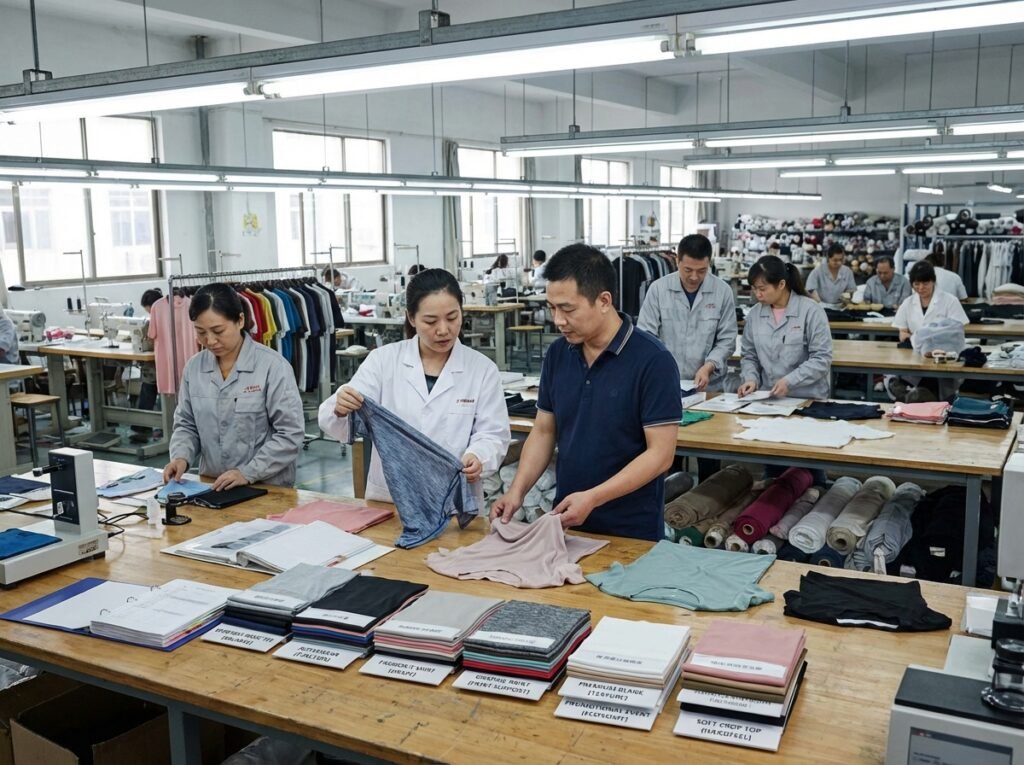
Many startup brands begin the hoodie sourcing process with one simple goal: find a factory that can make a good product at a manageable price. That sounds easy, but the market feedback behind hoodie production shows a more complex reality. Across Reddit, Amazon, Trustpilot, YouTube, Instagram, and review platforms, the same complaints appear again and again. Hoodies shrink after one wash. Fabric pills too early. Sleeves are too short. Cuffs stretch out. Zippers break. The hoodie looks thick in photos, but the real product feels thin and cheap. These problems matter even more for startup brands because early product mistakes can damage reviews, repeat orders, and brand trust very quickly.
That is why startup sourcing should not focus only on country or price. A startup needs a factory that can protect the product from common failure points while still offering a workable order structure. China often enters this discussion because it offers scale, supply chain depth, and flexible development options. At the same time, many emerging brands also compare USA factories for speed, communication, and local production appeal. The real question is not only where the factory is located. The real question is which factory model gives a startup the best chance to launch stable hoodie products without losing margin or control.
Why Do Startups Often Look at China for Custom Hoodie Manufacturing?
China remains a strong option for startups because it combines fabric access, trim supply, sampling ability, and scalable production in one place.
For many startup brands, a Chinese hoodie manufacturer can offer better material options, broader customization, and more flexible development paths than many newer factories in smaller supply chains.
For hoodie development, supply chain depth matters a lot. A startup may want brushed fleece, French terry, custom rib, embroidery, screen printing, woven labels, branded packaging, and several fit options. These details require access to more than a sewing line. They require fabric sourcing, trim sourcing, sample support, finishing control, and quality testing. China often has an advantage here because these parts of the chain are more connected.
This matters because many hoodie complaints in the market come from factory-side technical failures. Thin fabric usually starts with the wrong material choice. Shrinkage points to weak pre-shrinking and wash control. Pilling points to poor yarn quality or surface finishing. Loose cuffs point to unstable rib quality. Broken seams and poor zippers point to low trim and sewing standards. A strong Chinese manufacturer is often attractive to startups because it can solve more of these technical points under one system.
Still, not every factory in China is a good fit for a startup. Some are built for very large programs and are not suitable for smaller emerging brands. Others may offer attractive pricing but weak communication or unstable sample quality. The benefit comes from finding the right type of supplier, not from choosing China blindly.
How Startups Choose a Custom Hoodie Manufacturer in the USA
USA hoodie manufacturers often attract startups because of shorter shipping times, local communication, and the marketing value of domestic production.
For some emerging brands, a USA factory may be a better fit when speed, local market alignment, or smaller operational distance matters more than full supply chain range.
Local production has clear appeal. A startup may feel more comfortable working in the same market, closer time zone, or same language environment. Domestic production can also help with faster sample reviews, easier visits, and simpler message control around origin. For brands that sell strongly on local identity, that advantage can be meaningful.
But the choice should still go beyond location. A USA hoodie factory must be judged by the same product standards as any overseas option. Startups still need to ask whether the fabric feels right, whether the fit is balanced, whether shrinkage is controlled, whether cuffs recover well, and whether the bulk order will match the sample. A domestic factory that produces unstable quality is not safer just because it is closer.
In many cases, USA factories work best for startup brands that need quick local fulfillment, want to build around domestic-made positioning, or plan smaller early programs with less product complexity. The limitation is that some USA options may offer less fabric variety, higher unit prices, or less flexibility for complex customization compared with mature overseas supply chains.
USA vs Overseas Hoodie Manufacturing for Emerging Brands
The best choice between USA and overseas production depends on what the startup values most: speed, cost, flexibility, branding, or supply chain range.
USA production may help with proximity and domestic positioning, while overseas production often offers stronger material depth, lower unit cost at scale, and broader customization options.
This comparison becomes clearer when broken into product priorities. Startups that need lower unit cost, more custom trim options, more fleece choices, and stronger scaling potential often lean toward overseas manufacturing. Startups that care most about local production claims, shorter transit, and more direct domestic coordination may lean toward USA factories.
The product itself also matters. A basic hoodie with limited branding can be made in many places. A more developed hoodie with custom dye, oversized fit, heavy fleece, embroidery, branded packaging, and repeat reorder demands needs a stronger production system. In that case, the deeper overseas supply chain may create better long-term value, especially when product development becomes more technical.
| Comparison point | USA factory | Overseas factory |
|---|---|---|
| Shipping distance | Shorter for USA market | Longer, depends on route |
| Product positioning | Strong for domestic-made branding | Strong for scale and cost control |
| Fabric and trim range | Often narrower | Often broader |
| Custom development depth | Varies by supplier | Often stronger in mature supply chains |
| Unit cost at scale | Usually higher | Often more competitive |
| Startup suitability | Good for local-first brands | Good for growth-focused brands |
What Startup Brands Should Check Before Working with a USA Hoodie Factory?
A USA hoodie factory should be checked with the same discipline used for any serious manufacturing partner.
Startups should review fit control, fabric quality, shrinkage testing, MOQ structure, trim quality, sampling accuracy, and repeat production consistency before committing.
The biggest mistake is to assume a local factory is automatically safe. Market feedback shows that hoodie problems do not belong to one country alone. Thin cloth, poor fit, pilling, weak seams, bad cuffs, and misleading product presentation can happen anywhere if controls are weak. That is why startup brands should review real technical points.
Fit should be checked carefully because hoodie customers notice this fast. If sleeves are short, if the body length is wrong, or if the hood is too small, the product will attract complaints quickly. Fabric should also be reviewed beyond hand feel on day one. Startups should ask how the fabric behaves after washing, whether the hoodie shrinks, whether the surface pills, and whether the softness holds. Trim quality matters too. A zipper that fails after a few weeks or cuffs that lose shape too fast can hurt a young brand more than a slightly higher factory price ever will.
A startup should also check whether the factory has a realistic order structure. Some factories accept a small first order but lose attention once bulk begins. Others may sample well but fail at repetition. The key is to judge whether the supplier can protect quality not only in the first sample, but also in the first launch and the second reorder.
What Makes a Hoodie Manufacturer Startup-Friendly?
A startup-friendly hoodie manufacturer is one that balances quality control with workable order terms.
The best startup suppliers usually offer manageable MOQs, clear sample processes, honest lead times, good communication, and stable bulk execution without pushing the product into low-grade shortcuts.
Startups rarely need the largest factory. They need the most suitable one. A good startup partner should be able to guide the product into production without forcing unnecessary complexity or unrealistic order volume. That means the factory should explain what can be customized now, what should wait until later, and how to keep cost under control without damaging the product.
This is where many weak suppliers fail. They promise too much too early. They may offer very low pricing, very short lead times, or very broad customization, but the finished hoodie arrives with thin fabric, poor stitching, unstable sizing, or lower-grade trims. These are exactly the types of failures seen across the insight table. A startup-friendly factory reduces those risks by keeping the product honest and buildable.
Which Hoodie Quality Problems Matter Most for Startups?
The most dangerous hoodie problems for startups are the ones customers notice immediately and complain about publicly.
The biggest risk points are shrinkage, pilling, rough hand feel after washing, poor fit, loose cuffs, broken zippers, weak seams, thin fabric, and mismatch between photos and the real product.
These problems are especially dangerous for emerging brands because early customers often shape the brand’s first reputation. A startup can survive a slightly higher unit price more easily than a flood of complaints about cheap feel or bad fit. Many of the strongest negative comments in the insight table are highly emotional because the product fails at basic expectations. A hoodie should feel soft, look right, fit right, and stay stable after washing. When it does not, the customer often feels misled, not simply disappointed.
That is why startup brands should protect the areas customers feel most clearly. Fabric should match the product promise. Fit should be consistent. Cuffs and hems should recover. The hood should have enough shape and coverage. The garment should not become rough or much smaller after washing. These basics create far more value than adding decorative features while ignoring core performance.
How Should Startups Shortlist Hoodie Manufacturers the Smart Way?
The smartest shortlist is built from product evidence, not from low quotes or broad promises.
Startups should compare hoodie manufacturers by sample quality, fabric performance, MOQ logic, lead time stability, communication clarity, and the ability to repeat the same standard in bulk.
A useful shortlist usually starts by removing suppliers that cannot explain the product clearly. If a factory gives vague answers on shrinkage, pilling, fit grading, cuff quality, or wash testing, the risk is already visible. The next step is to compare samples. Does the hoodie feel right for the market? Does the fit match the target silhouette? Does the stitching look clean? Are the trims suitable for the price level? Does the product still feel strong after review, not only at first touch?
After product review, order structure becomes important. MOQ should be manageable without pushing quality down. Lead times should be realistic, not overpromised. Communication should be direct and specific. A startup does not need the supplier with the loudest sales language. It needs the supplier with the clearest control.
Conclusion
For startups, the best custom hoodie manufacturer is the one that balances quality, MOQ, development support, and repeat consistency. China and the USA can both work, but the right choice depends on product goals, growth stage, and how well the factory controls the details that customers notice most.