
Many weighted hoodies fail because the weight feels wrong. Too light feels useless. Too heavy causes strain and discomfort during daily wear.
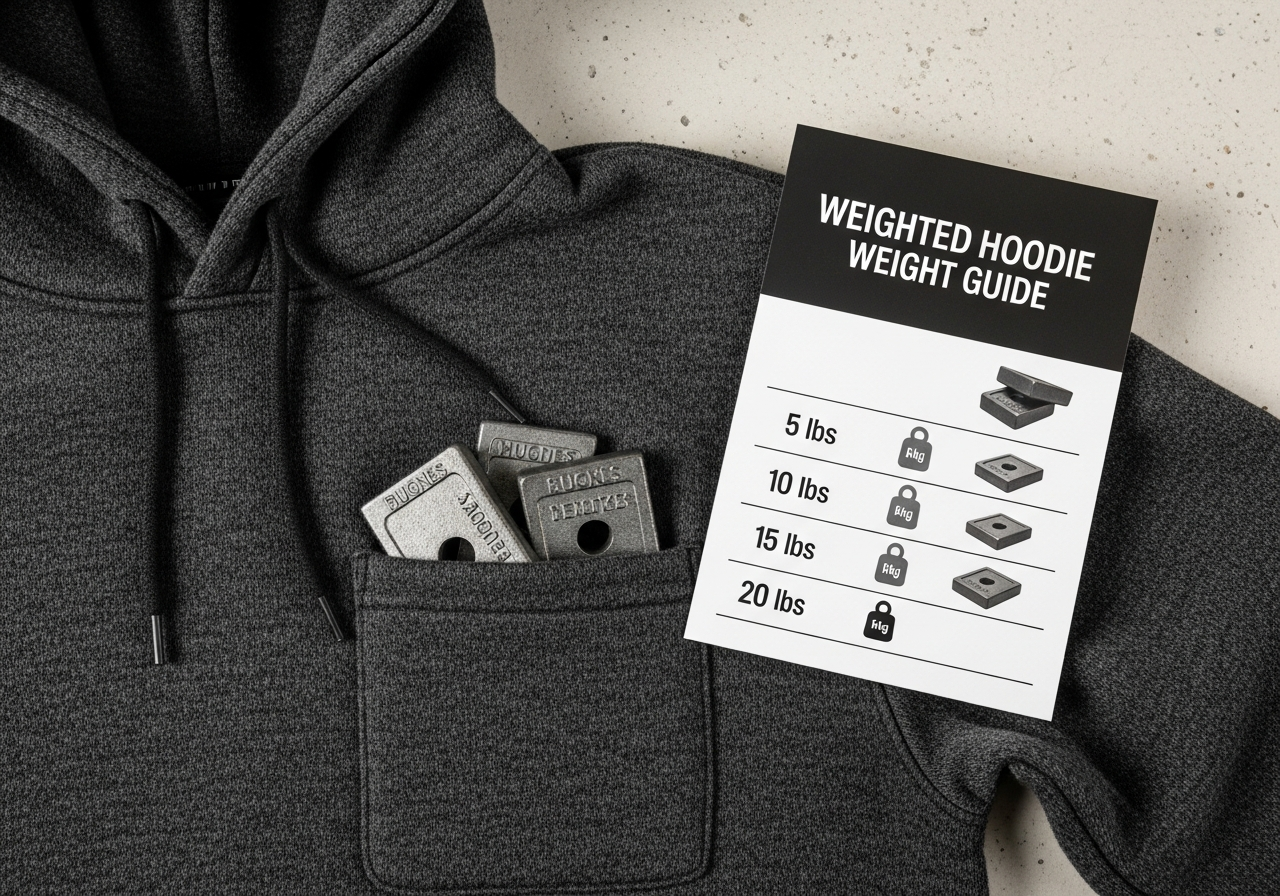
A weighted hoodie should usually weigh between 5% and 10% of body weight, with careful balance and distribution being more important than total weight.
The correct weight depends on comfort, body structure, fabric strength, and how the garment is engineered in production. Weight alone never tells the full story.
Why Is Body Weight the Starting Point for Hoodie Weight?
Human physiology sets natural limits.
Most effective weighted hoodies follow the 5%–10% body weight guideline to provide pressure without fatigue.
This range comes from long-term use of pressure-based garments and blankets. Below 5%, pressure feels minimal and inconsistent. Above 10%, muscles begin to compensate for the load, especially in the shoulders and neck.
For most adults, this means a finished hoodie weight between 1.5 kg and 3 kg. Smaller frames often stay closer to the lower end. Larger frames tolerate higher weight when distribution is correct.
Weight must feel supportive, not noticeable during movement. The hoodie should feel calming while sitting or standing. If posture changes or shoulder tension increases, the weight is too high.
This guideline creates a safe baseline for product development and size grading.
Why Does Weight Distribution Matter More Than Total Weight?
Poor balance destroys comfort.
Evenly distributed weight is more important than adding more mass to the garment.
Weight should concentrate around the shoulders, upper back, and upper chest. These areas can support load naturally. Lower body or sleeve weight creates pulling and instability.
Factories use segmented internal channels to lock weight into place. Each segment holds a measured amount of filling. This prevents shifting during wear or washing.
Uneven weight causes seam stress and fabric distortion. Over time, the hoodie loses shape. Good distribution protects both the wearer and the garment.
During sampling, balance tests are done on mannequins and real wear trials. Any visible drag or tilt signals a design failure.
How Does Fabric Choice Limit Hoodie Weight?
Fabric strength defines safe limits.
The fabric must support internal weight without stretching, sagging, or tearing over time.
Most weighted hoodies use heavyweight fleece or double-layer French terry. GSM usually ranges from 350 to 450. Lighter fabrics cannot hold internal load consistently.
Cotton-polyester blends perform better than pure cotton. Polyester improves tensile strength and shape retention. Small amounts of spandex improve recovery after stress.
Factories test fabric under load before production. Tensile tests simulate hanging weight. Wash tests check deformation after rotation. Fabric that passes these tests sets the maximum safe hoodie weight.
Ignoring fabric limits leads to short product lifespan and customer complaints.
How Does Size Affect Recommended Hoodie Weight?
Weight must scale with garment size.
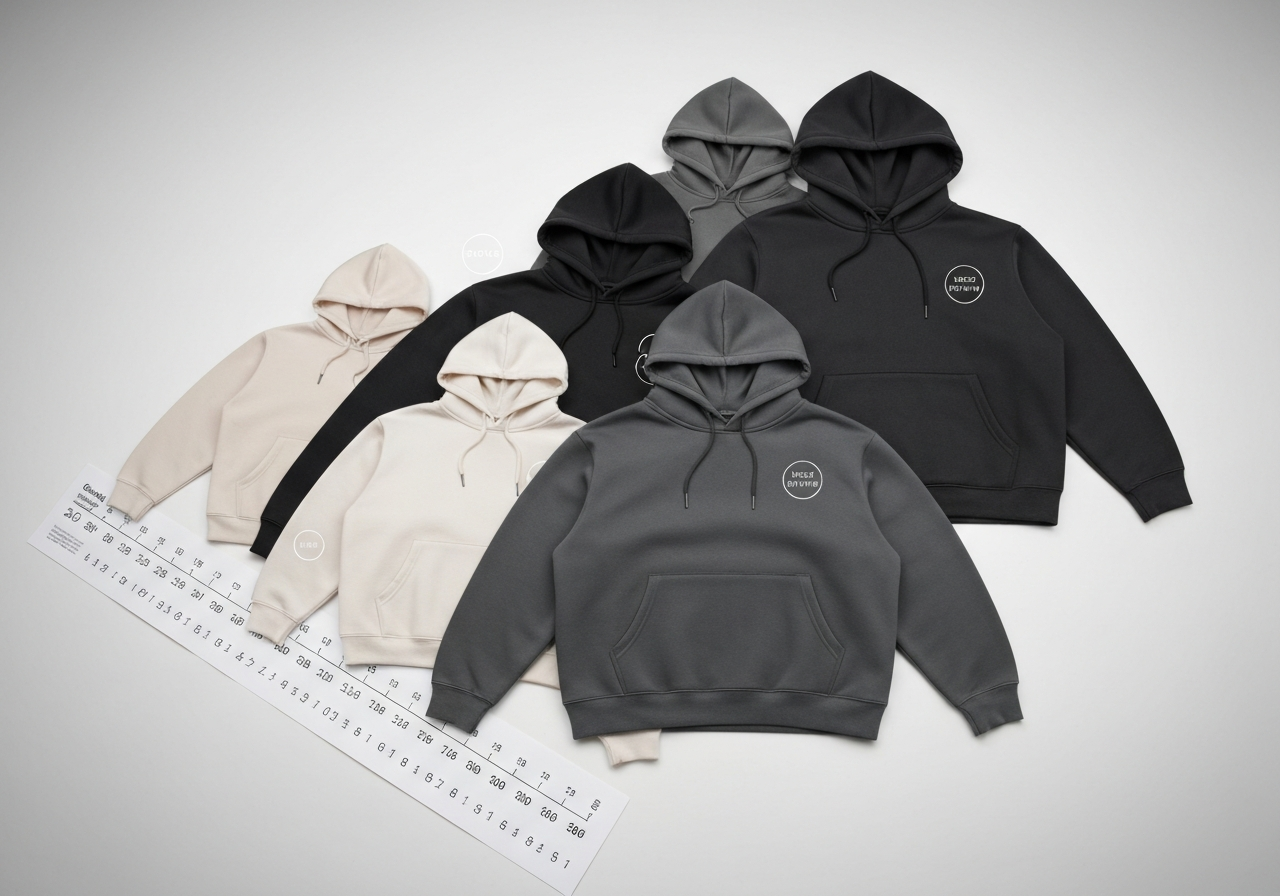
Weighted hoodies must increase weight gradually across sizes to maintain consistent pressure.
A single fixed weight across all sizes does not work. A small size with too much weight feels overwhelming. A large size with too little weight feels ineffective.
Factories adjust fill quantity by size. Shoulder width, chest depth, and torso length all influence how weight spreads. Larger panels allow more even pressure distribution.
Pattern grading and weight grading must align. Internal pocket layout changes by size. This adds complexity but ensures comfort across the size range.
Professional manufacturing treats weight as a graded component, not a fixed accessory.
How Are Weighted Hoodies Tested in the Factory?
Testing ensures safety and durability.
Weighted hoodies undergo stricter testing than standard hoodies due to added internal load.
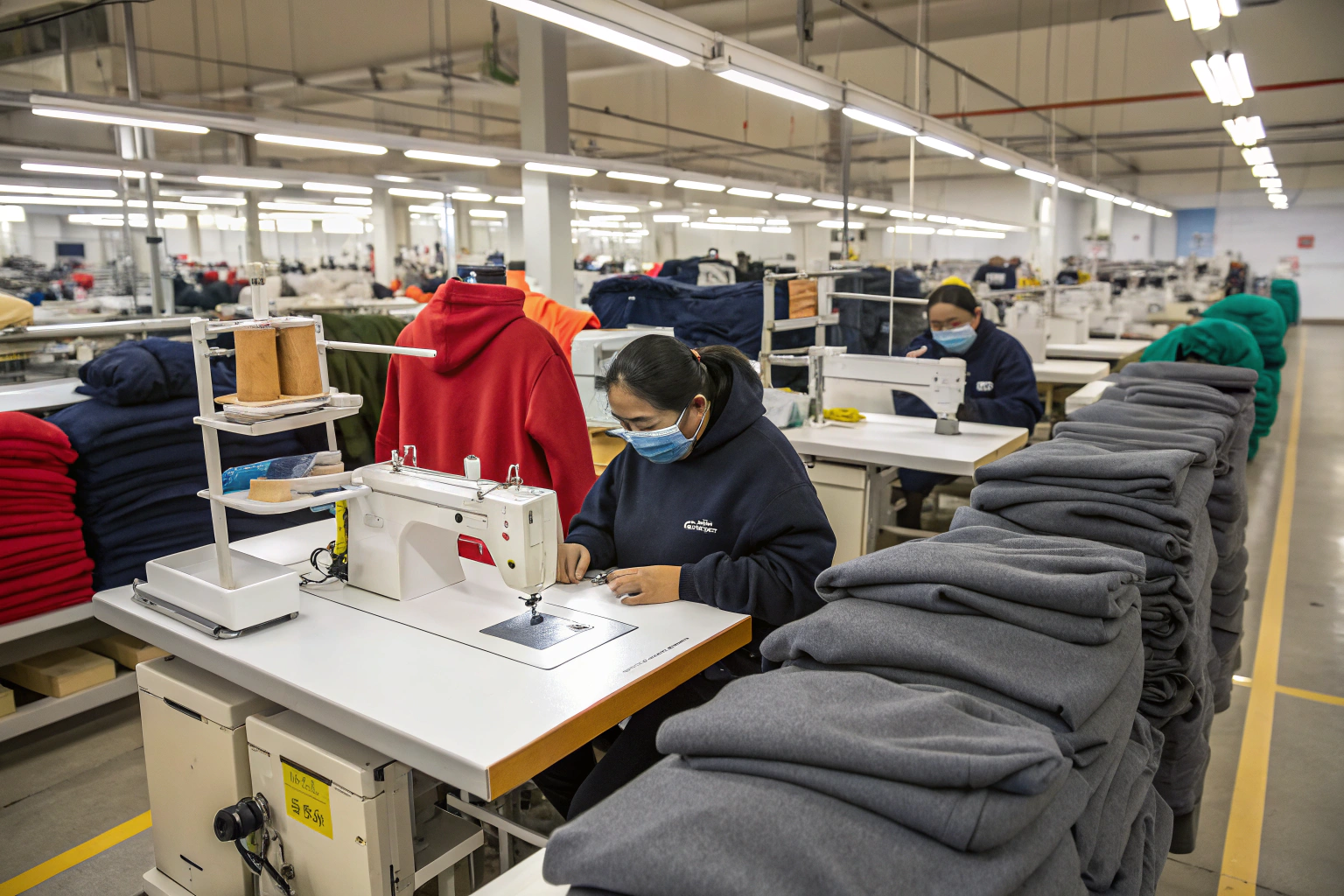
Testing includes static load tests, movement simulations, and wash cycles. Garments are hung under weight to check seam creep. Wear trials check shoulder fatigue after extended use.
Internal fill leakage tests ensure pocket integrity. Stitch density is checked at stress points. Reinforcement tape is added at shoulders and neckline.
Quality control also checks balance after washing. Weight must stay evenly distributed. Any shifting signals internal construction failure.
Factories that skip these steps often produce hoodies that feel good initially but fail quickly.
What Happens If a Weighted Hoodie Is Too Heavy?
Excess weight creates risk.
A weighted hoodie that is too heavy causes muscle fatigue, poor posture, and long-term discomfort.
Overweight hoodies pull on the neck and shoulders. Users compensate by tightening muscles. This defeats the calming effect.
Heavy weight also accelerates fabric fatigue. Seams stretch. Necklines deform. Internal pockets fail faster.
From a product perspective, returns increase and wear time decreases. Correct weight selection protects both user experience and product reputation.
Comfort should feel natural. The hoodie should disappear into daily wear, not demand attention.
What Is the Ideal Weight Range for Most Weighted Hoodies?
Practical limits define success.
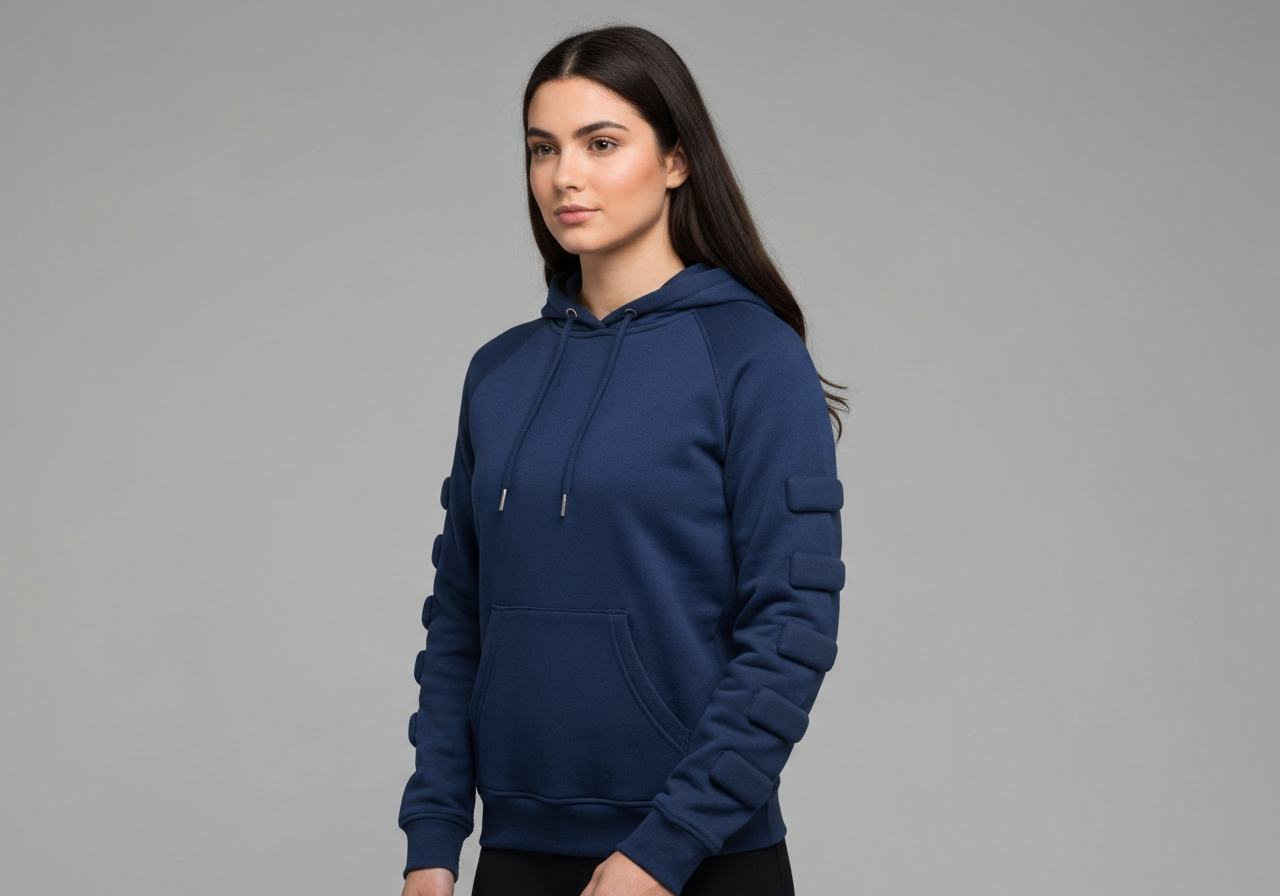
For most adults, the ideal weighted hoodie range is 1.5 kg to 2.5 kg, with 3 kg as an upper limit for large sizes.
This range balances comfort, safety, and durability. It allows calming pressure without restricting movement. It also stays within fabric and seam limits for long-term wear.
Design should always prioritize balance, fabric strength, and size grading over raw weight numbers. Heavier does not mean better.
Conclusion
The right weight for a weighted hoodie depends on body weight, fabric strength, size grading, and precise internal construction. Most effective designs stay within 5%–10% of body weight and focus on even distribution rather than heaviness. When engineered correctly, a weighted hoodie delivers calm, comfort, and durability without strain, making weight a functional feature rather than a burden.