
Many apparel brands struggle to decide between hoodies and sweaters. The wrong choice can lead to weak sales, unclear positioning, and mismatched customer expectations.
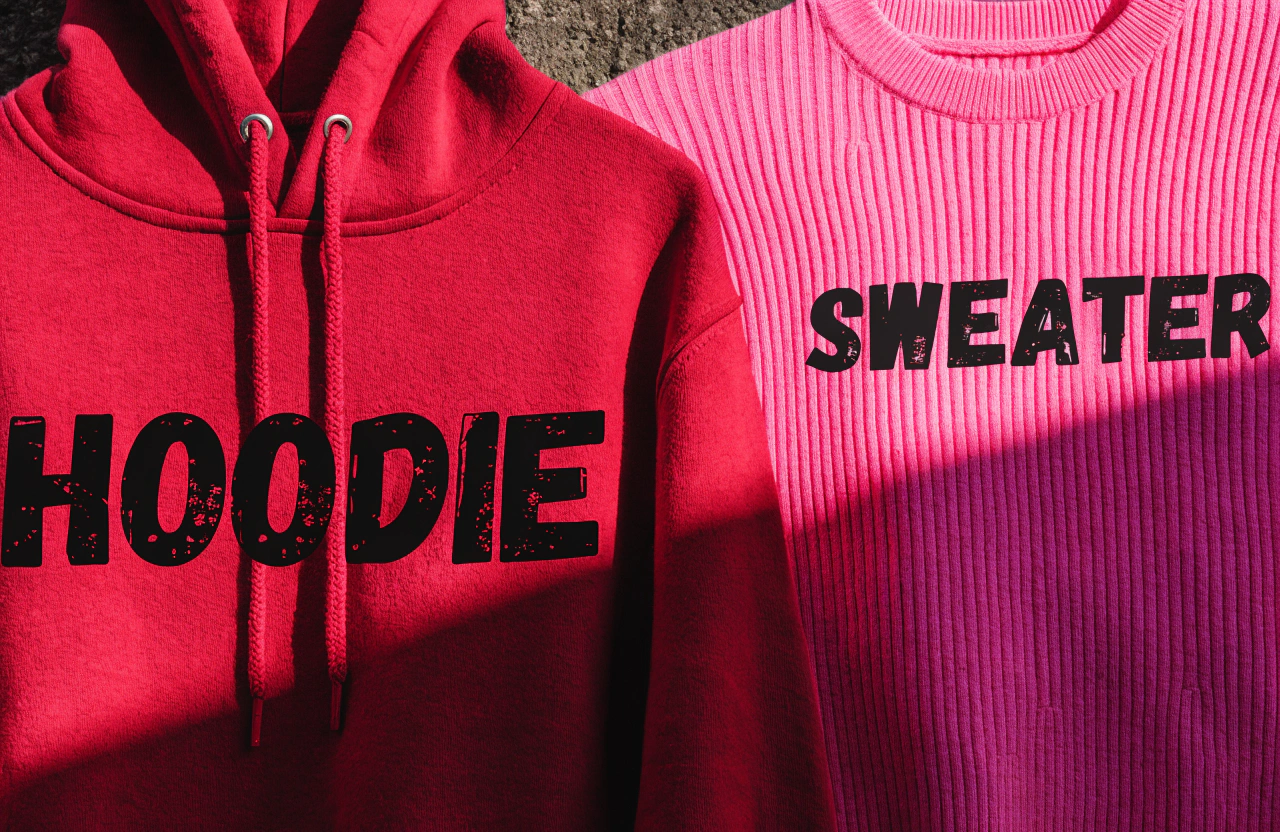
Hoodies are not strictly better than sweaters, but they offer more versatility, casual appeal, and functional design in modern apparel collections.
The real difference lies in function, design intent, and manufacturing structure. Understanding these points helps define which product performs better in different markets and use cases.
What Practical Advantages Do Hoodies Offer Over Sweaters?
Sweaters provide warmth, but hoodies often solve more daily wear problems.
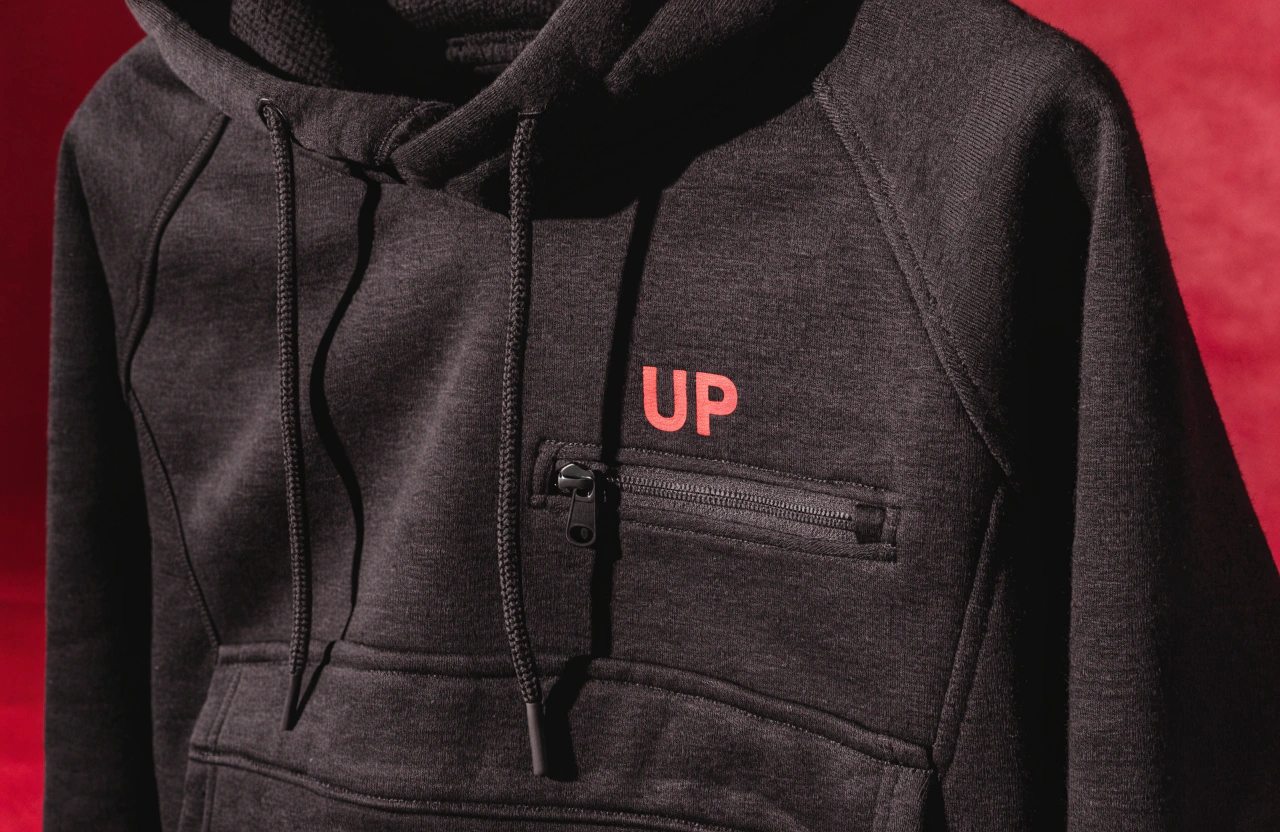
Hoodies offer added coverage, storage, and casual comfort that sweaters usually do not provide.
The hood is the most visible advantage. It adds warmth around the neck and head without extra accessories. This feature works well in transitional weather and casual outdoor use. Kangaroo pockets or zip pockets add storage and hand warmth, which sweaters often lack.
From a wearability view, hoodies support relaxed movement. They fit modern lifestyles that mix work, travel, and leisure. Sweaters, especially traditional knit styles, lean toward indoor or layered use.
In manufacturing terms, hoodies allow more design variation without changing the base structure. Hoods, pockets, and rib details can be adjusted easily. This flexibility makes hoodies more adaptable to fast-changing market trends.
Are Sweaters Still Better for Certain Use Scenarios?
Despite hoodie popularity, sweaters remain strong in specific contexts.

Sweaters perform better in formal, semi-formal, and layering-focused environments.
Sweaters usually have a cleaner appearance. The absence of hoods and large pockets creates a simpler silhouette. This suits office wear, uniforms, and refined casual styles. Sweaters also layer more smoothly under jackets and coats.
In fabric selection, sweaters often use finer yarns or structured knits. These materials drape closer to the body. They reduce bulk when worn under outerwear. Hoodies, especially fleece-based ones, can feel heavy in layered outfits.
From production, sweaters require tighter control over knitting tension and yarn quality. Visual defects are more noticeable. This leads to a more polished final product when quality is managed well.
So while hoodies feel more casual and flexible, sweaters maintain an advantage in neat styling and layering efficiency.
How Comfort and Fabric Choice Influence the Comparison?
Comfort often drives repeat purchases in casual apparel.
Hoodies usually feel more comfortable due to fabric thickness, interior brushing, and relaxed fit.
Most hoodies use fleece or French terry. These fabrics provide soft hand feel and warmth. Brushed interiors increase insulation and comfort. Sweaters may use lighter knits that feel less plush, especially in cooler environments.
Fit also matters. Hoodies often follow relaxed or oversized patterns. This improves ease of movement. Sweaters, especially ribbed or fine-gauge styles, fit closer to the body and limit stretch.
In factories, hoodie comfort depends on fabric pre-shrinking, enzyme washing, and brushing control. These processes improve softness but require strict consistency. Sweater comfort depends more on yarn quality and knitting precision.
Overall, hoodies tend to win in comfort-driven markets, while sweaters appeal where fit and appearance matter more.
How Do Manufacturing Processes Affect Product Performance?
The production method shapes durability and cost.
Hoodies are generally easier to scale in production and maintain consistent quality.
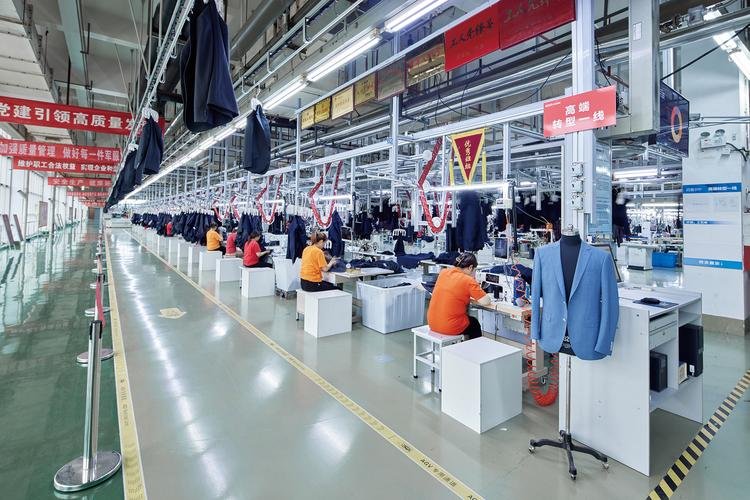
Hoodies use cut-and-sew knit processes. Fabric rolls are spread, cut, and sewn with standard knit machinery. Operations are modular. Output can scale quickly. Design changes do not require major equipment adjustments.
Sweaters, especially fully knitted styles, rely on knitting machines. Production speed depends on machine gauge and yarn supply. Any yarn issue affects the whole batch. Repairs are harder after knitting.
Quality control for hoodies focuses on seams, measurements, and surface defects. For sweaters, checks include dropped stitches, yarn breakage, and size distortion after washing.
Because of this, hoodies often achieve better consistency in large-scale orders, while sweaters demand higher technical control.
Which Product Performs Better in Modern Apparel Markets?
Market trends strongly influence which product feels “better.”
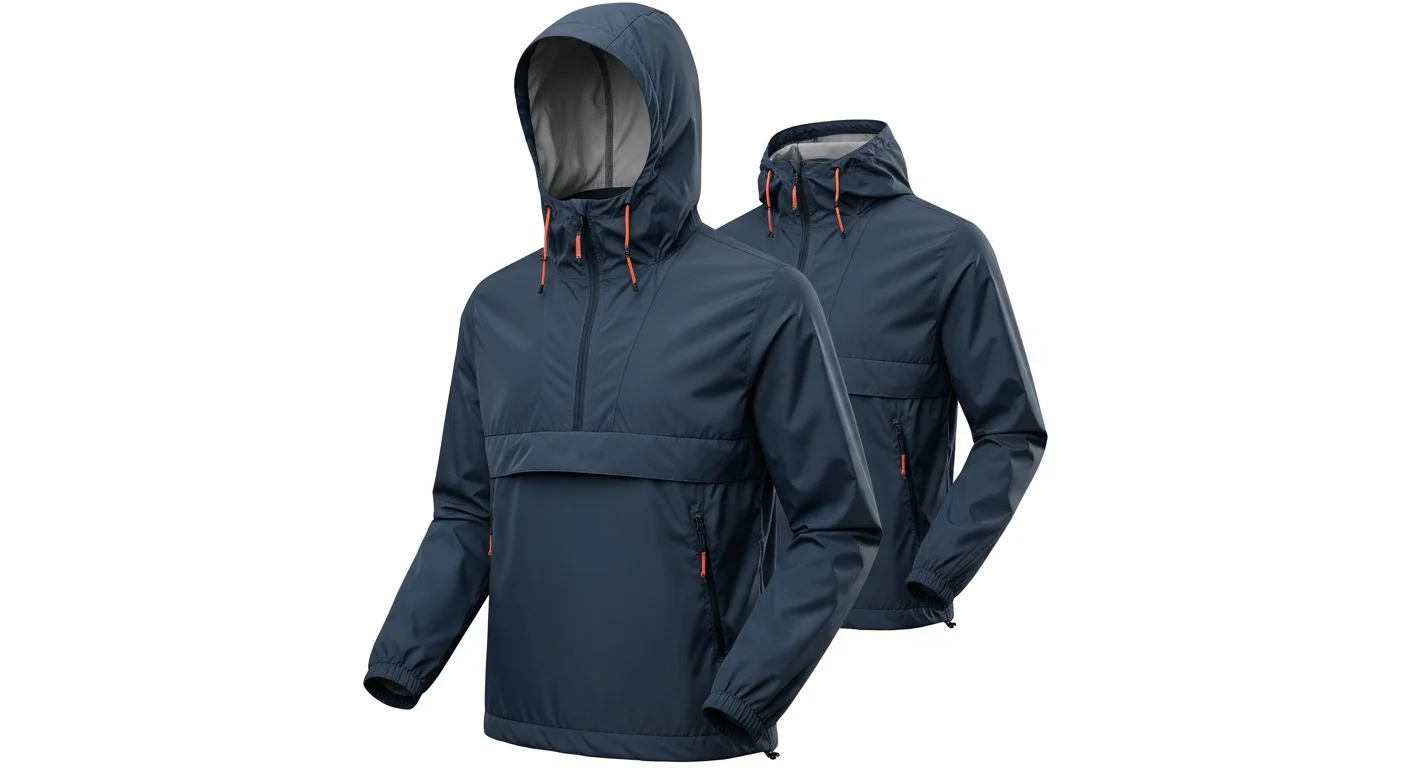
Hoodies align more closely with current casual, athleisure, and lifestyle-driven demand.
Global apparel trends favor comfort, flexibility, and casual styling. Hoodies fit well into sportswear, leisurewear, and daily casual wear. They cross age groups and seasons more easily.
Sweaters still perform well in classic fashion cycles, but growth is slower. Hoodies refresh faster through graphic prints, fabric updates, and fit changes. This keeps collections feeling new.
From a product planning view, hoodies offer broader application across categories. They can be styled as sportswear, casualwear, or light outer layers. Sweaters remain more fixed in purpose.
How Should Brands Choose Between Hoodies and Sweaters?
The choice depends on positioning, not superiority.
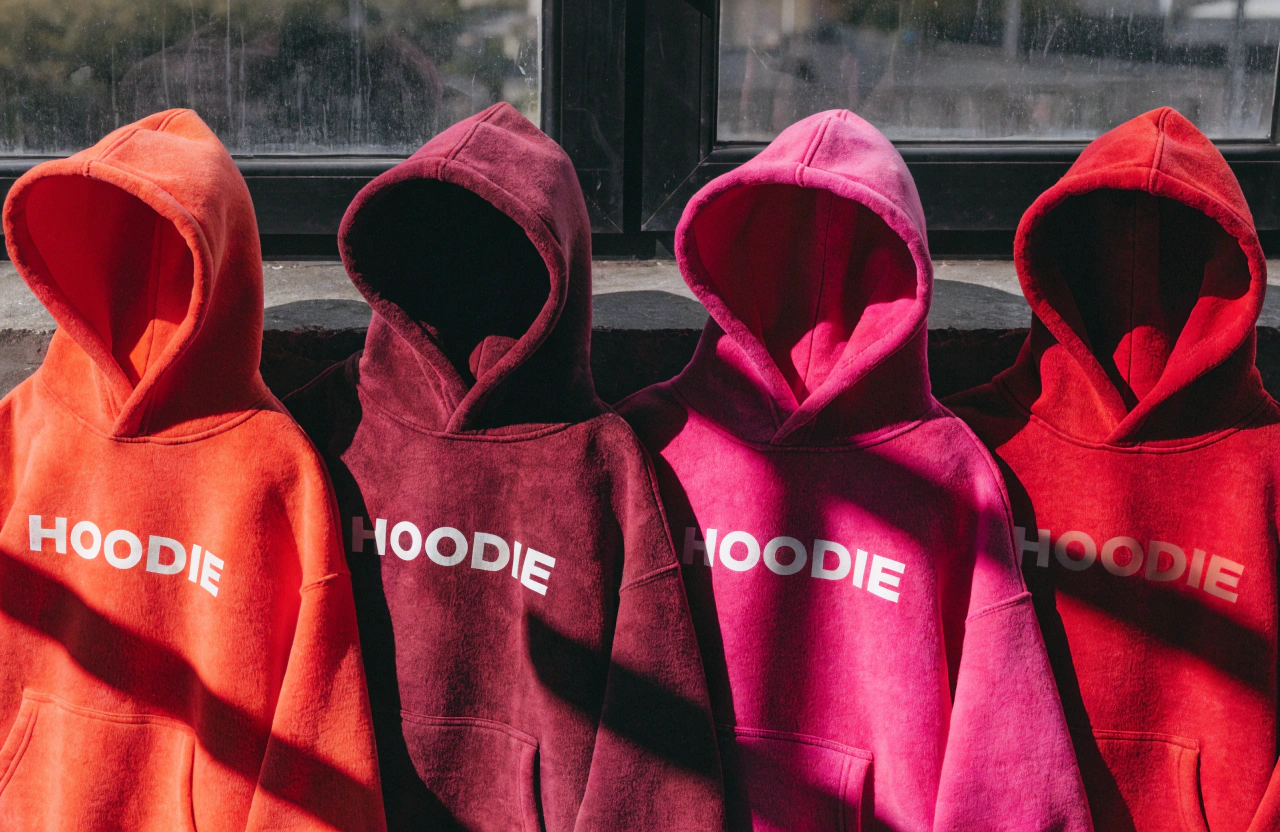
Hoodies are better for casual comfort and trend-driven collections, while sweaters work best for clean, structured styling.
Product lines benefit from balance. Hoodies attract attention and volume. Sweaters provide stability and style depth. Fabric weight, target customer, and seasonal use should guide decisions.
From a manufacturing angle, hoodies support faster sampling and repeat styles. Sweaters demand longer development but deliver refined results when executed well.
Clear role definition improves design, sourcing, and production efficiency.
Conclusion
Hoodies are not universally better than sweaters, but they dominate comfort, versatility, and modern casual demand. Sweaters remain essential for clean styling and layering. Strong apparel collections use both, each in its proper role, supported by the right materials, processes, and market positioning.