
Seeing a graphic tee priced at $45 can make you wonder whether you are paying for the shirt or simply for the brand name. At first glance, it may seem like an ordinary T-shirt with a design printed on it, but the final price often reflects much more than just the fabric.

Graphic tees usually cost more because their price includes artwork, printing setup, higher-quality blank garments, licensing fees, and the risks involved in production. Smaller order quantities and retail markups can push the price even higher. Once factors such as quality control, production timing, and consistency come into play, the inexpensive cotton graphic tees you see elsewhere are often not a fair comparison.
I understood this more clearly when I began preparing quotes for buyers who wanted a similar look but expected completely different price points. One buyer, Maria from Russia, questioned nearly every cost in the quotation, which forced me to break the pricing down in a much simpler way. In this article, I will explain those same factors so you can see exactly what makes a graphic tee more expensive.
Why Can Graphic Tee Prices Vary So Much?
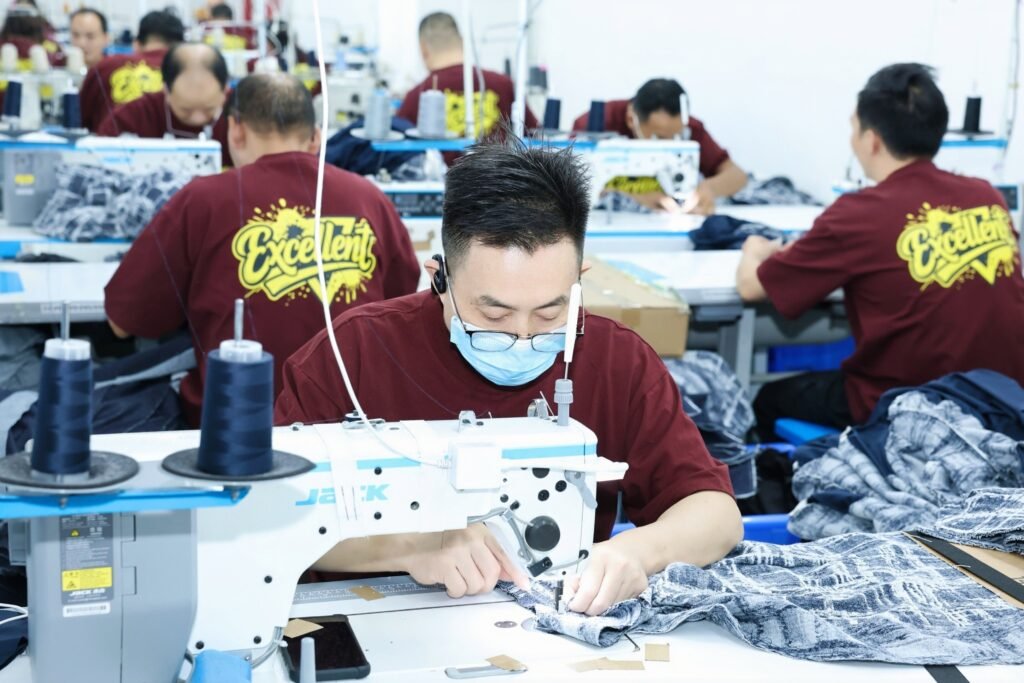
For a long time, I assumed the higher price of graphic tees mostly came from branding and marketing. That changed when I worked out the production cost for a small run of black and blue graphic tees for an independent brand. Once every expense was added up, the gap between a low-cost tee and a $40 or $45 shirt made much more sense.
A higher-priced graphic tee often starts with a better-quality base garment, but that is only part of the story. More print colors, larger artwork, heavier ink coverage, and additional production steps all increase the cost. Shipping, packaging, returns, and retail overhead can then push the final price even higher.
The Base T-Shirt Has a Bigger Impact Than Most People Think
Before any graphic is printed, the blank shirt already determines a large part of the cost. A soft, heavyweight light pink graphic tee requires higher-quality yarn, tighter knitting, and more careful finishing. A hot pink graphic tee needs reliable dyeing to keep the color bright and consistent, while French blue graphic tees may require closer shade matching from one production batch to another.
Even neutral colors can create challenges. A khaki graphic tee, for example, may reveal uneven dyeing more easily than expected. Factories often need tighter quality control to keep the color uniform. All of these details add cost before the printing process even begins.
Printing Is More Than Putting Ink on Fabric
Printing comes with setup costs, material use, production time, and the possibility of defects. With screen printing, each color usually requires its own screen, film, and setup. The more colors a design uses, the more time and labor the job requires.
DTG printing can reduce some setup work, but the ink is often more expensive, and the final result depends heavily on proper pretreatment. Even a simple typography tee can become more costly when the customer expects very sharp lines, precise placement, or consistent results across every piece.
Performance-focused products may require even more testing. Sport graphic tees and graphic running shirts often need to handle repeated washing, stretching, and movement. Stricter standards usually mean more inspections, more rejected pieces, and a higher overall production cost.
| Cost factor | What it covers | Typical examples |
|---|---|---|
| Base garment | yarn quality, fabric weight, shrinkage control | men’s long-sleeve graphic tees, vintage long-sleeve shirts |
| Printing method | screens, DTG ink, setup time | comic T-shirts, beach graphic tees |
| Artwork size | extra ink, longer printing time | butterfly graphic tees, wolf graphic tees |
| Finishing work | neck labels, hangtags, folding, packaging | gift-ready graphic tees |
| Quality loss | rejected pieces, reprints, stains, color issues | multi-color red, black, and blue graphic tees |
Retail Costs Add Another Layer
The factory cost is only the beginning. Once a graphic tee enters retail, the seller also has to account for store expenses, staff, marketing, returns, damaged inventory, and profit margin.
That is why something as simple as a gnome shirt may cost much more in a physical store than a similar shirt sold directly through a small online shop. The final price reflects not only the garment itself, but also the entire production and retail system behind it.
Why Custom Graphic Tees Cost More Even When the Blank Looks Similar
One of the most common questions I hear from buyers is why custom T-shirts can cost so much when the base shirt looks almost identical to a cheaper option. The reason is simple: the blank garment is only one part of the total cost.
Custom production introduces extra work at almost every stage. Sampling, artwork adjustments, color matching, testing, approvals, and smaller order quantities all require additional time and labor. Two shirts may start with the same blank, but the production process behind them can be completely different.
Customization Creates Extra Work at Every Stage
A custom graphic is rarely as simple as replacing one image with another. A buyer might send me a photo of a wicked graphic tee and ask for something similar, while another may want a Paris graphic tee with a faded vintage wash. Someone else may request puff ink for a line of statement T-shirts.
Each request requires a different production approach. Artwork files may need to be cleaned up or converted, colors have to be adjusted for printing, and the ink must be compatible with the chosen fabric. Depending on the design, I may also need to test wash resistance, rubbing, stretch, and print durability.
Vintage effects create another layer of complexity. Enzyme washing, pigment washing, and other finishing treatments can produce the desired worn-in look, but they also introduce more variation and production risk. That means factories often need to allow for additional testing and possible rejected pieces.
Licensing Fees Can Add Cost Before Production Begins
Not every graphic can legally be printed without permission. Designs connected to movies, musicians, universities, sports teams, or public figures may require licensing agreements.
For example, Star Wars graphic shirts involve more than artwork and printing because the intellectual property belongs to a rights holder. Similar licensing requirements may apply to merchandise connected with artists, schools, sports teams, or well-known personalities. In these cases, royalties and approval fees are added on top of the normal manufacturing cost.
The factory price itself may not change much, but licensing can significantly increase the final retail price.
Small Production Runs Push the Cost Per Shirt Higher
Small orders are another major reason custom graphic tees become expensive. A buyer might order only 120 pieces but divide them across several colors and sizes. Once the quantity is split that way, the actual number produced in each variation can become very small.
The factory still has to prepare screens, organize materials, set up the production line, and train workers for the job. Those setup costs are spread across fewer pieces, so the cost per shirt increases.
This is especially common with niche graphic tee drops. Limited collections may look simple from the outside, but the combination of low volume, specialized designs, and extra production steps can make each unit much more expensive.
| Custom request | Extra work involved | Typical effect on cost |
|---|---|---|
| Custom color matching | lab dips, testing, approvals | increases cost and lead time |
| Larger print area | more ink and longer print time | raises the cost per piece |
| Multiple print locations | chest, back, and sleeve setup | increases labor and setup costs |
| Premium trims | woven labels, custom packaging | raises cost and often the MOQ |
| Rush production | overtime and priority scheduling | increases both cost and production risk |
When a buyer asks me to shorten the production schedule, I usually explain that faster turnaround is possible, but it requires more resources. Speed is not free in custom manufacturing, and the cost usually appears somewhere in the final quotation.
Where Can You Find Affordable Graphic Tees Without Sacrificing Quality?
People often ask where they can buy cheap graphic tees without ending up with poor fabric, weak stitching, or prints that crack after a few washes. Low prices are not necessarily a problem, but knowing what to check makes a big difference.
Affordable graphic tees are easiest to find from sellers that operate at scale, provide clear product information, and have straightforward return policies. Graphic tees under $20 are common, but price alone should never be the deciding factor. Fabric weight, print quality, shrinkage, construction, and sizing are just as important.
What Does “Graphic Tee” Actually Mean?
A graphic tee is more than a basic T-shirt with an image added to it. In many cases, the artwork is the main reason someone buys the shirt, which means the print quality matters almost as much as the fabric itself.
A perfectly acceptable cotton T-shirt can still feel disappointing if the graphic starts peeling, fading, or cracking after only a few washes. When shopping for cheap graphic T-shirts, it is worth evaluating both the garment and the printing rather than focusing only on the material.
Buying Cheap Can Still Be a Smart Choice
Lower-priced graphic tees can offer good value when you buy them for the right purpose. Multipacks, for example, can work well for events, teams, uniforms, or promotional use. Clearance sections and seasonal sales can also be useful if you are mainly looking for fashionable designs at a lower price.
Here are some of the most common places to look:
| Buying option | When it makes sense | What to check |
|---|---|---|
| Clearance and off-price stores | seasonal styles and discontinued designs | print condition, available sizes, return policy |
| Large online retailers | basic designs and high-volume products | fabric weight, customer reviews, shrinkage |
| Local clothing stores | when you want to inspect the shirt before buying | stitching, fit, fabric feel, print quality |
| Brand sales and outlets | when you already know the brand | final-sale terms, sizing, delivery time |
| Wholesale suppliers | businesses, teams, and larger orders | MOQ, production time, quality-control process |
Different Brands Solve Different Problems
People choose graphic tee brands for different reasons. Some want affordable basics, while others care more about oversized fits, licensed graphics, heavier fabrics, streetwear styling, or trend-driven designs.
Instead of focusing only on the brand name, I find it more useful to ask what matters most: price, fit, fabric, artwork, durability, or delivery speed. Once that is clear, choosing the right type of graphic tee becomes much easier.
A Simple Quality Check Before You Buy
You do not need professional equipment to spot many quality differences. A few quick checks can tell you a lot about what you are buying.
- Feel the fabric and check whether it has enough weight for the type of shirt you want.
- Gently stretch the printed area and look for cracking or excessive stiffness.
- Check the inside seams for loose threads, uneven stitching, or weak finishing.
- Read the washing instructions and customer feedback about fading and shrinkage.
- Pay attention to sizing, especially with oversized, longline, or fashion-focused fits.
This applies whether you are shopping for a race car graphic tee, mountain graphic tee, beach-inspired shirt, retro design, sports graphic, or another niche style. A low price can still represent good value when the construction and printing meet your expectations.
If your main goal is to spend less, buying cheap graphic tees can make sense. The important part is to buy based on clear quality standards rather than price alone.
Final Thoughts
So, what makes graphic tees so expensive?
In most cases, the answer is not one single cost. The final price is built from several layers: the quality of the blank T-shirt, artwork development, printing setup, ink usage, custom finishing, licensing fees, production quantity, quality control, logistics, and retail margins.
A simple one-color tee produced in a large quantity can be relatively inexpensive. A heavyweight shirt with detailed artwork, multiple print locations, specialty inks, licensing, custom labels, and a small production run can cost significantly more.
Once you understand what goes into the product, the price difference between a $12 graphic tee and a $45 one becomes much easier to explain.
The goal is not always to find the cheapest shirt. It is to understand what you are paying for and decide which details actually matter to you.
About Yoplook
At Yoplook, we focus on clothing, fashion products, sourcing, manufacturing, and the details behind how apparel is made and priced. We share practical information to help buyers, brands, and anyone interested in the clothing industry better understand materials, production methods, quality, costs, and sourcing decisions.
Whether you are comparing graphic tees, researching clothing production, or looking for more information about apparel sourcing and manufacturing, you can explore more guides and resources at Yoplook.