
Many buyers, designers, and retailers feel confused when classifying hoodies. The wrong category can affect product positioning, pricing, and customer expectations.
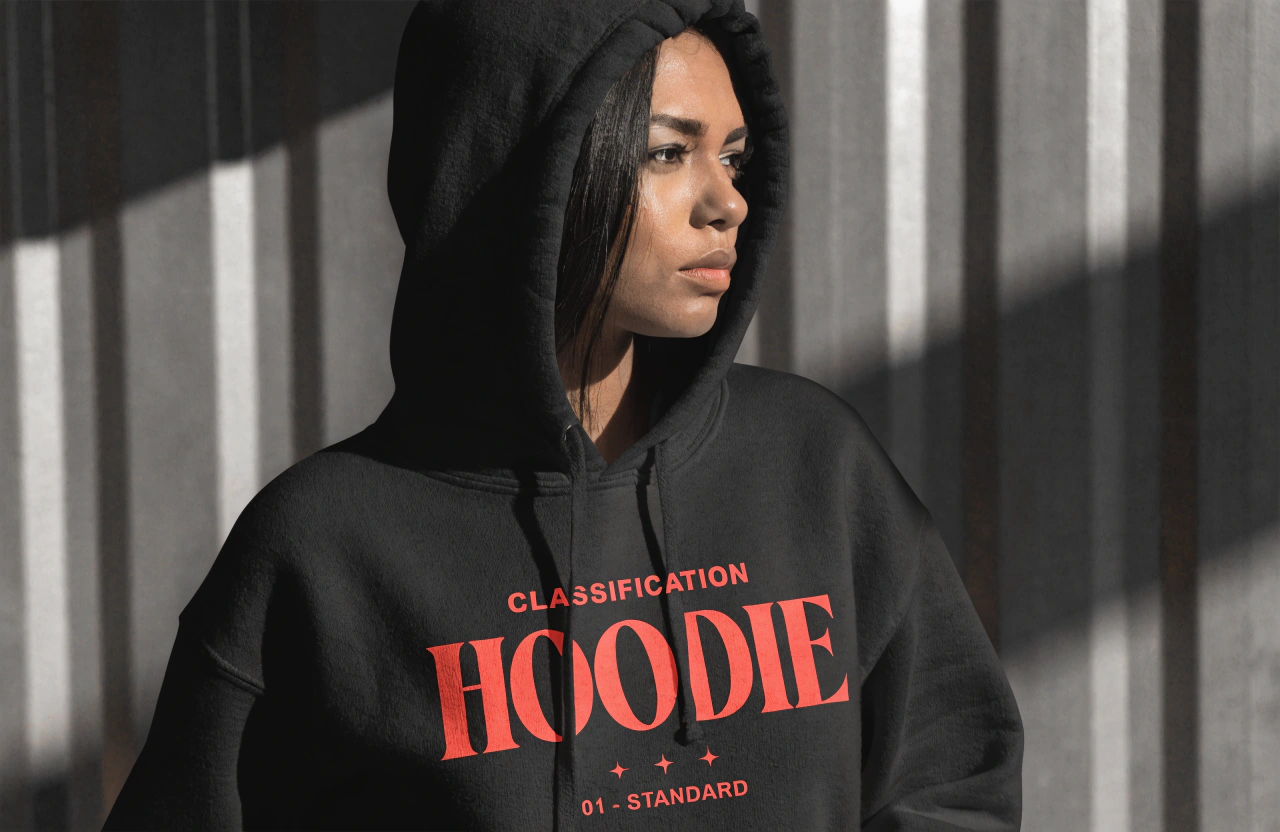
A hoodie is generally closer to a sweater, but it also shares some features with a jacket, depending on fabric weight, structure, and use scenario.
Hoodies sit between knitwear and outerwear. This grey area is exactly why the topic matters. Understanding how hoodies are defined helps brands design better collections and communicate clearly with the market.
What Defines a Sweater in Apparel Classification?
Sweaters often feel familiar, yet the definition is more technical than expected. Many sourcing decisions depend on this clarity.
A sweater is usually a pullover garment made from knitted fabric, designed for warmth and layering, without heavy structural components.
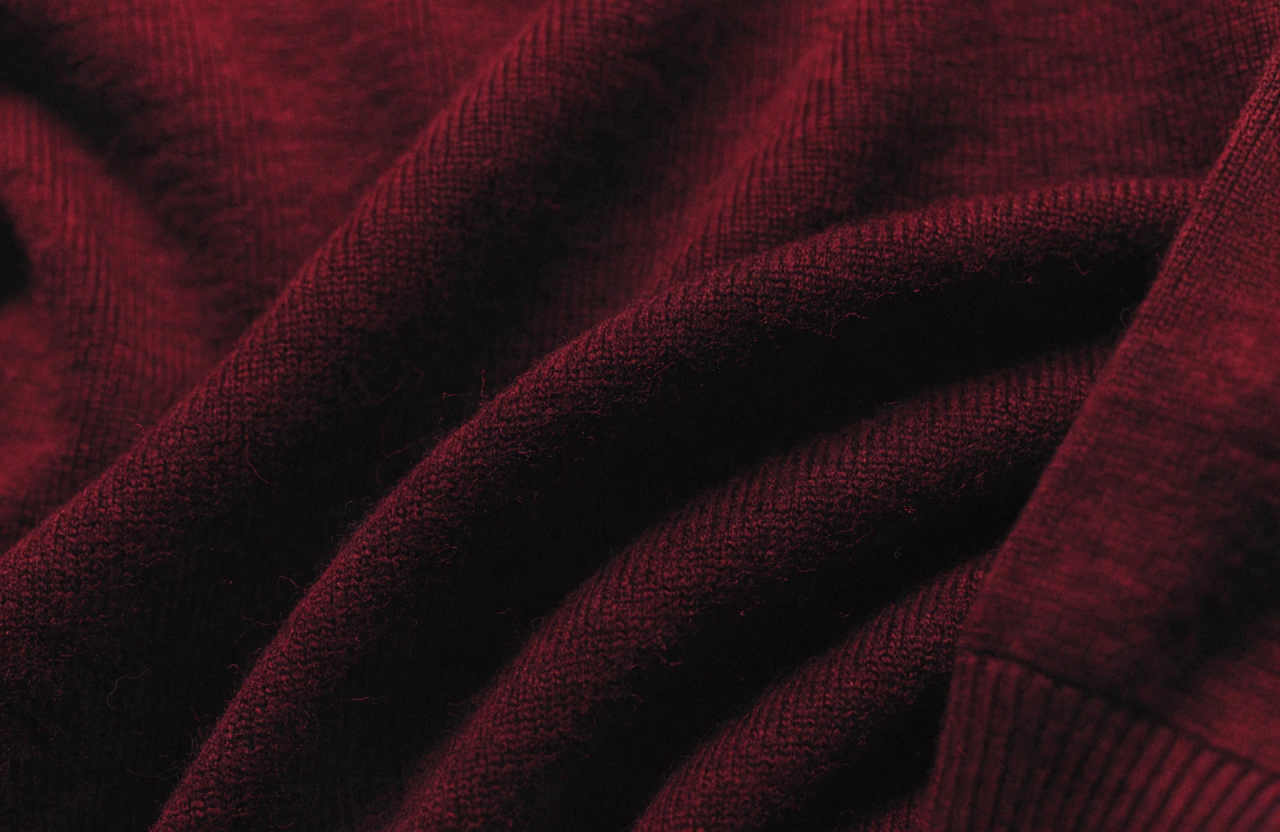
Sweaters are typically made from knitted structures such as jersey, rib, or cable knit. Common fibers include cotton, wool, acrylic, or blended yarns. The production process relies on knitting machines rather than cutting thick woven fabric. The goal is insulation with comfort, not protection from weather.
From a functional view, sweaters are mid-layer garments. They sit between base layers and outerwear. They do not block wind or rain. They focus on warmth, stretch, and breathability. Design elements stay simple. Buttons, zippers, and linings are rare.
In manufacturing, sweaters involve yarn selection, knitting tension control, and post-wash stability testing. Shrinkage and pilling resistance matter more than seam strength. This technical background explains why sweaters are not treated as outerwear in most apparel systems.
What Makes a Jacket Different From Other Outerwear?
Jackets serve a different role in clothing systems. They protect rather than insulate alone.
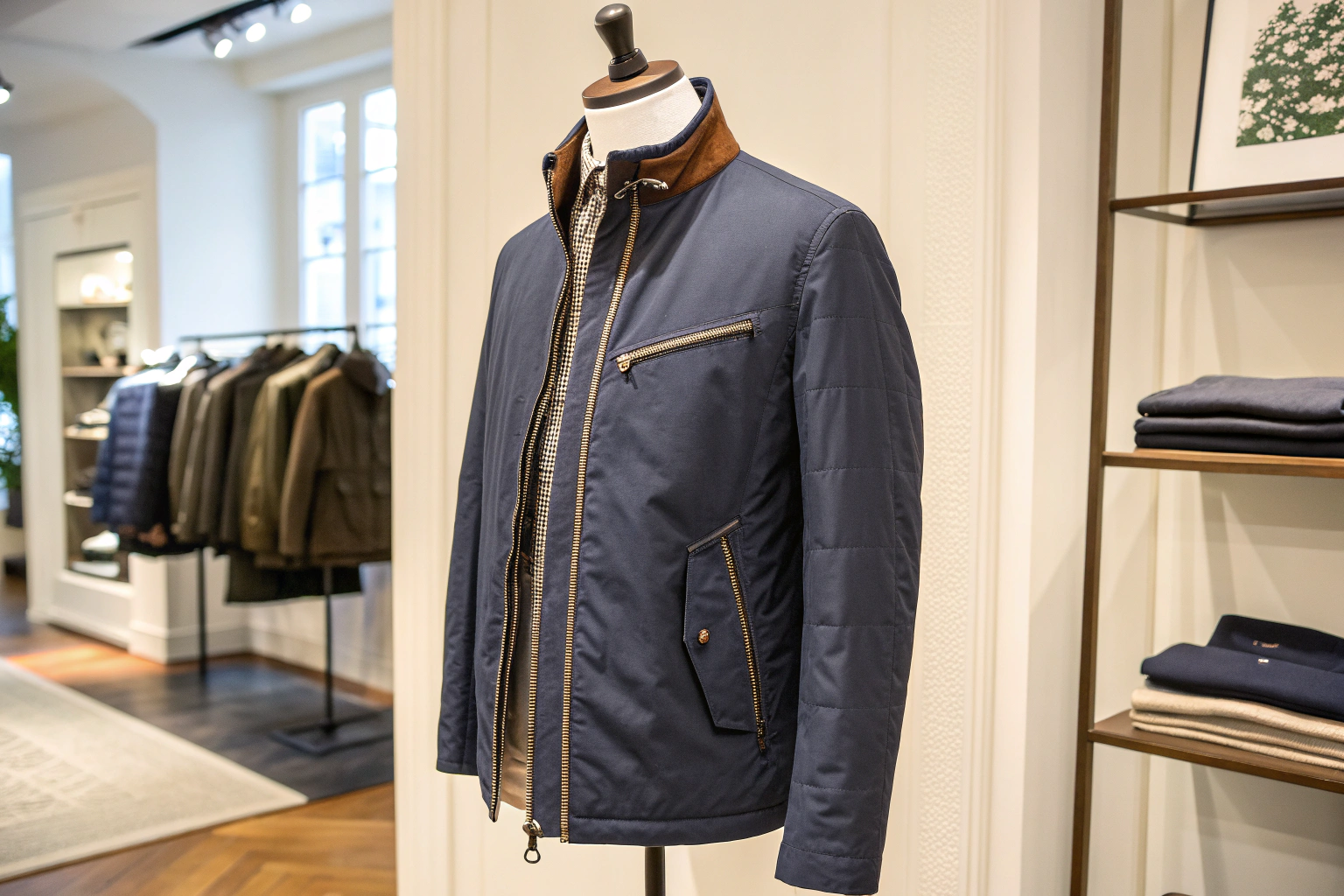
A jacket is designed as outerwear, usually made from woven or structured fabric, with features that protect against wind, cold, or light rain.
Jackets often use woven fabrics like polyester, nylon, or canvas. Many include linings, interlinings, or padding. Construction focuses on shape retention, seam strength, and durability. Zippers, snaps, storm flaps, and pockets are standard features.
From a production angle, jackets require more complex cutting and sewing. Multiple panels are assembled. Stitch density must handle stress points. Quality checks focus on seam slippage, zipper durability, and fabric tearing strength.
Because of these traits, jackets belong to the outermost clothing layer. They are worn over sweaters or hoodies. This functional hierarchy is key when comparing hoodies with jackets.
Where Does a Hoodie Fit Between Sweaters and Jackets?
Hoodies combine features from both categories. This hybrid nature causes confusion.
Most hoodies are classified as sweaters because they use knit fabric and offer warmth, not full weather protection.
Classic hoodies use fleece, French terry, or jersey knit. These are knitted fabrics, not woven. The hood adds coverage but does not replace a jacket’s protective role. The garment remains soft, flexible, and breathable.
Zippers can change perception. A zip-up hoodie may look closer to a jacket, but the material and construction still follow sweater logic. There is no lining, no wind barrier, and no rigid structure.
In customs and apparel standards, hoodies usually fall under knitwear categories. This affects labeling, tariff codes, and retail placement. For design teams, the key factor is fabric weight. Lightweight and midweight hoodies clearly align with sweaters. Heavyweight hoodies begin to cross into outerwear-inspired design, but they remain knit garments.
How Fabric Weight and Structure Change the Answer?
Not all hoodies are the same. Material choice can shift how they are perceived.
Heavier fabrics and added structure can push a hoodie closer to jacket-like use, but not full jacket classification.
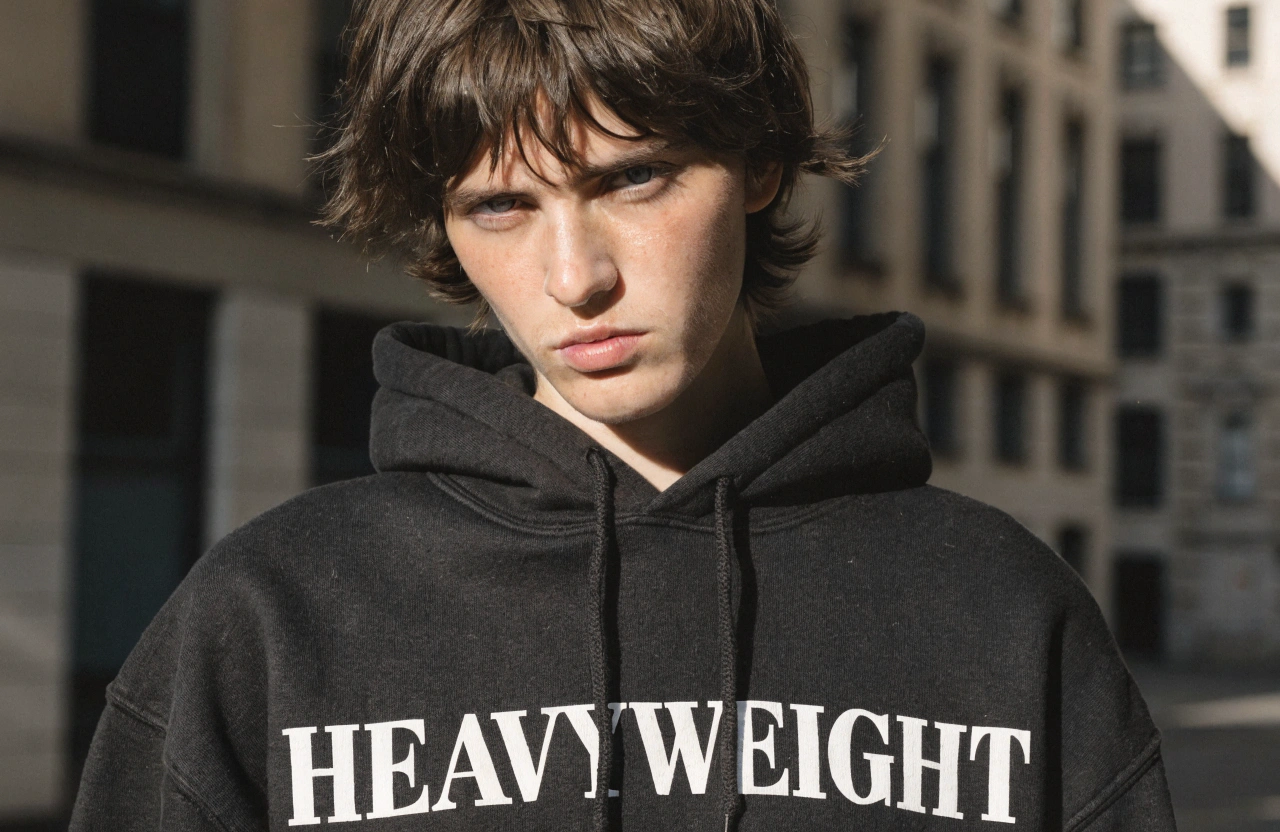
Fabric weight is measured in GSM. Standard hoodies range from 280 to 350 GSM. These are typical sweater weights. When weight moves above 400 GSM, warmth increases, and drape becomes stiffer.
Some hoodies add double-layer hoods, brushed fleece interiors, or reinforced seams. These changes improve durability and warmth. Still, the base fabric remains knit. Wind resistance stays low unless special coatings are applied.
From a factory view, heavier hoodies require tighter quality control. Cutting accuracy matters more due to fabric thickness. Sewing machines need adjusted tension. Needle selection changes to avoid skipped stitches. These are manufacturing upgrades, not category changes.
So even with higher weight, a hoodie does not fully become a jacket. It becomes a heavy sweater-style garment.
How Manufacturing Process Defines a Hoodie’s Category?
Production methods reveal the true nature of a garment.
Hoodies are produced using knit garment workflows, which aligns them with sweaters rather than jackets.
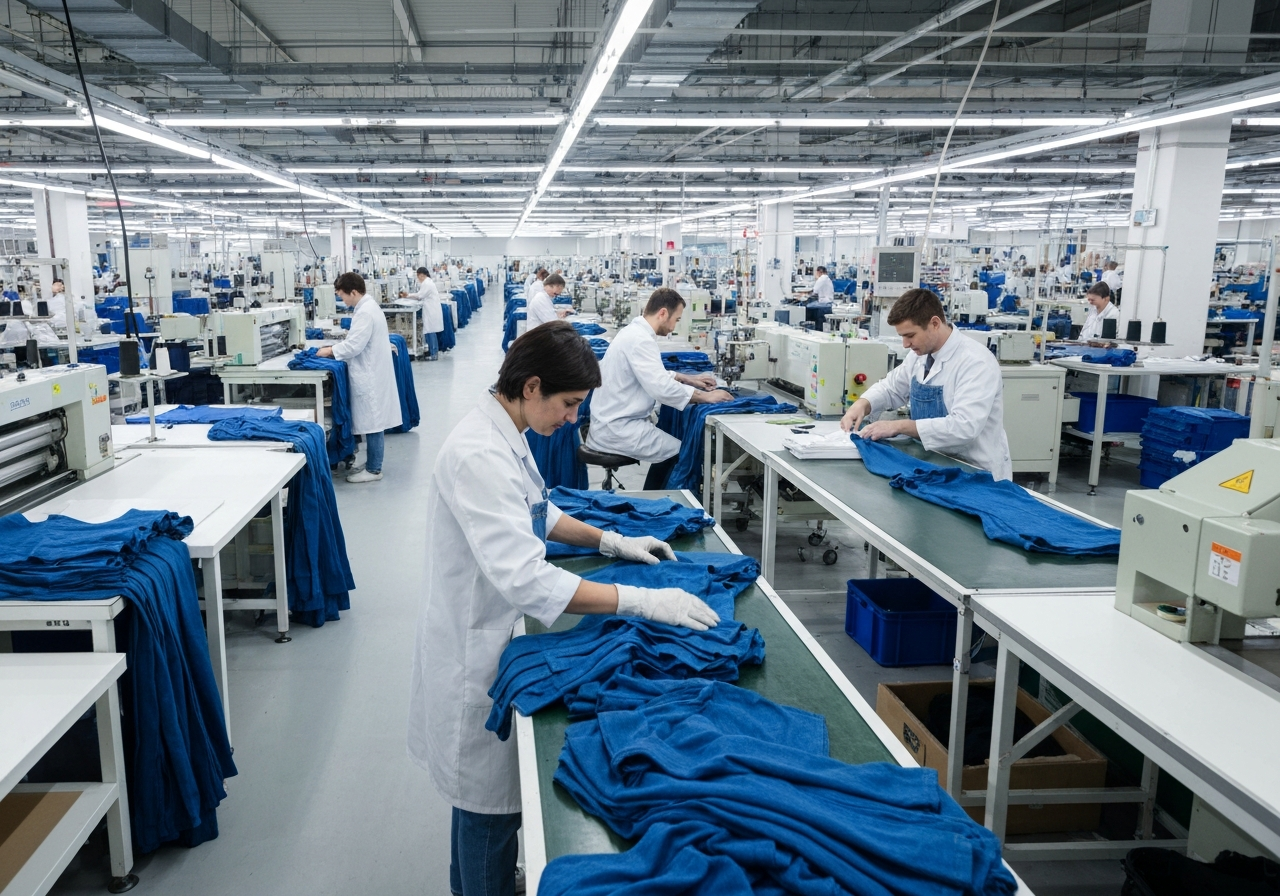
The process starts with knitting or sourcing knit fabric rolls. Fabric relaxation is required before cutting. Cutting uses stretch-aware patterns. Sewing focuses on flatlock, overlock, or coverstitch methods. These are knitwear techniques.
In the workshop, hoodie assembly follows a flow similar to sweatshirts. Sleeves, body panels, rib cuffs, and waistbands are attached in sequence. Hoods are assembled separately, then joined. There is no lining insertion step like in jacket production.
Finishing includes garment washing, enzyme treatment, or brushing. These steps improve softness and hand feel. Quality checks focus on size consistency, seam elasticity, and surface defects.
This manufacturing reality clearly places hoodies in the sweater family. Jackets follow a different production logic from start to finish.
How Should Hoodies Be Positioned in a Product Line?
Correct positioning avoids customer confusion and improves sales clarity.
Hoodies should be presented as knit outer layers or casual sweaters, not as protective jackets.

In collections, hoodies work best between sweatshirts and light outerwear. They serve as transitional pieces. They pair well with coats or windbreakers. Marketing language should highlight comfort, warmth, and versatility.
For product development, clarity helps design decisions. Choosing knit fabrics, rib components, and relaxed fits supports the sweater identity. Avoiding claims about weather resistance keeps expectations realistic.
In factory planning, this positioning guides material sourcing and cost control. Knit fabric suppliers, rib manufacturers, and washing facilities become key partners. Production timelines stay shorter than jacket lines, which need more steps and inspections.
Conclusion
A hoodie is best defined as a sweater-style garment with added design features. Fabric type, knit construction, and production process confirm this classification. While some hoodies borrow visual elements from jackets, they remain knitwear at their core. Clear understanding helps brands design, produce, and position hoodies with accuracy and confidence across different markets and seasons.