
Sportswear materials are selected for their ability to support physical activity through comfort, stretch, moisture control, and durability. The right fabric choice determines not only how the garment performs during exercise but also how it holds up in repeated wear and washing.
Most sportswear is made from synthetic or blended fabrics such as polyester, nylon, and spandex due to their lightweight, elastic, and quick-drying properties.
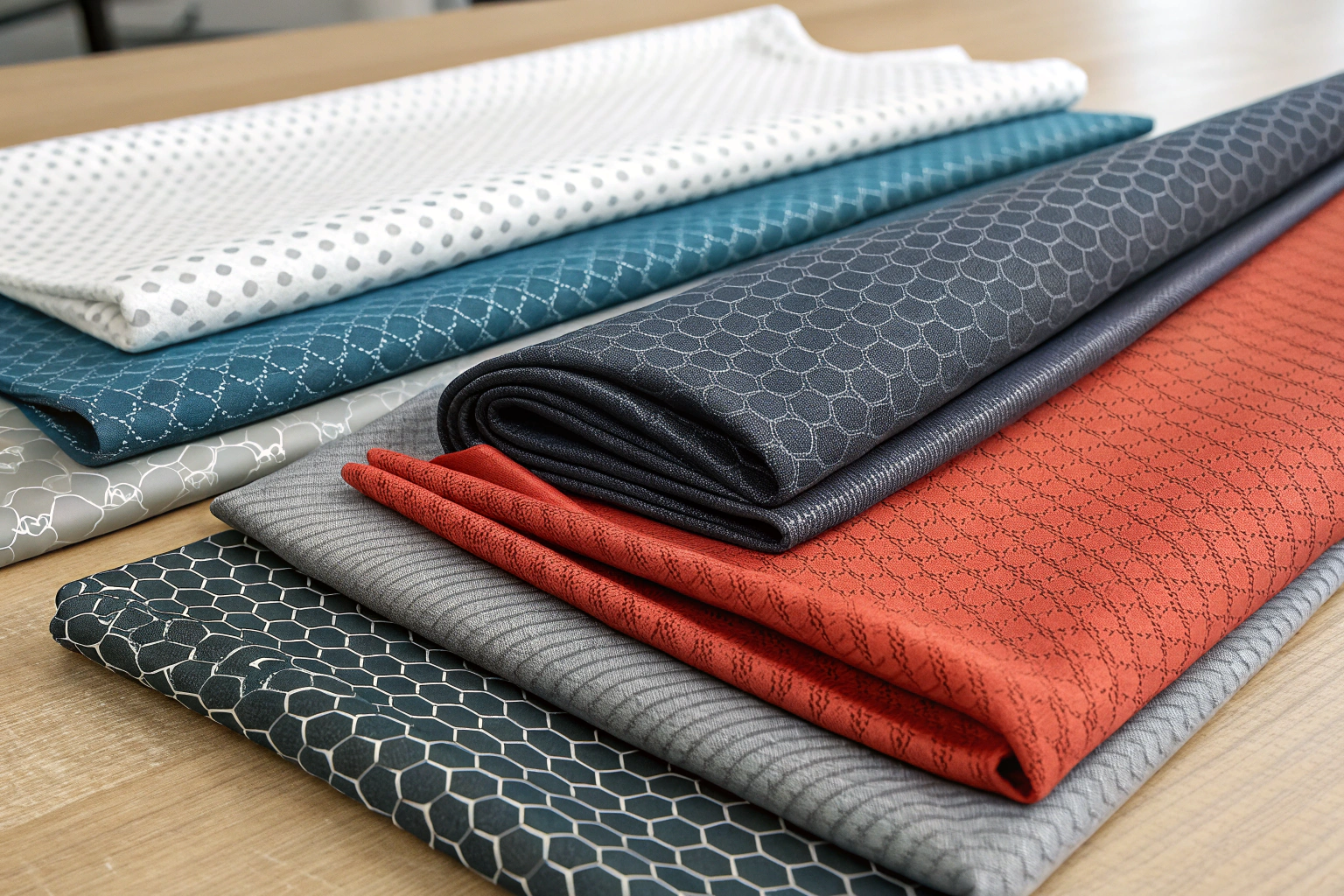
Material selection directly impacts fabric behavior under tension, during movement, and in moisture-heavy conditions. In manufacturing, fabric performance must match the intended use case, whether for high-impact training, yoga, or outdoor running.
What are the most common materials used in sportswear?
Synthetic fibers dominate the activewear industry for their technical properties.
Polyester, nylon, spandex, and their blends are the leading materials due to their moisture-wicking, stretchable, and lightweight characteristics.
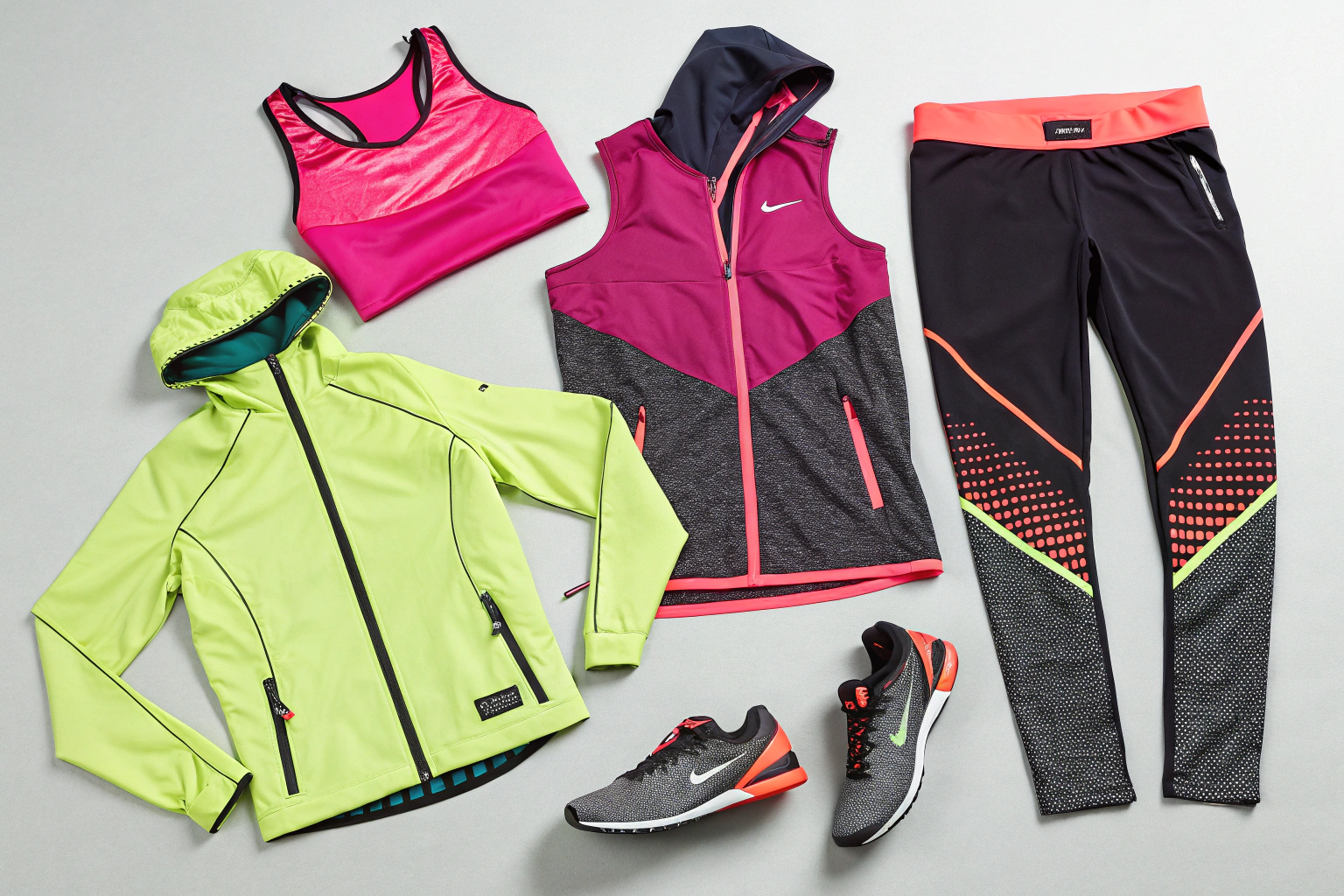
Polyester is widely used for its strength, low moisture absorption, and dye retention. Nylon is softer and more abrasion-resistant, making it suitable for fitted performance garments. Spandex, also known as elastane, provides stretch and recovery, essential for compression wear. Cotton is occasionally blended in low percentages to improve softness but is rarely used as the primary fiber in performance garments due to its slow-drying nature.
| Material | Key Feature | Application |
|---|---|---|
| Polyester | Quick-drying, durable | Running tops, jerseys |
| Nylon | Soft, flexible, strong | Leggings, sports bras |
| Spandex | High elasticity | Compression wear, yoga suits |
| Polyamide | Lightweight, smooth | Seamless underwear, tank tops |
| Cotton Blend | Breathable, soft touch | Casual activewear, warm-up |
Why are synthetic fabrics preferred in performance wear?
Performance requirements demand materials that respond actively to the wearer’s needs.
Synthetic fibers resist sweat, dry quickly, and maintain shape, making them essential in garments designed for repetitive movement and thermal regulation.
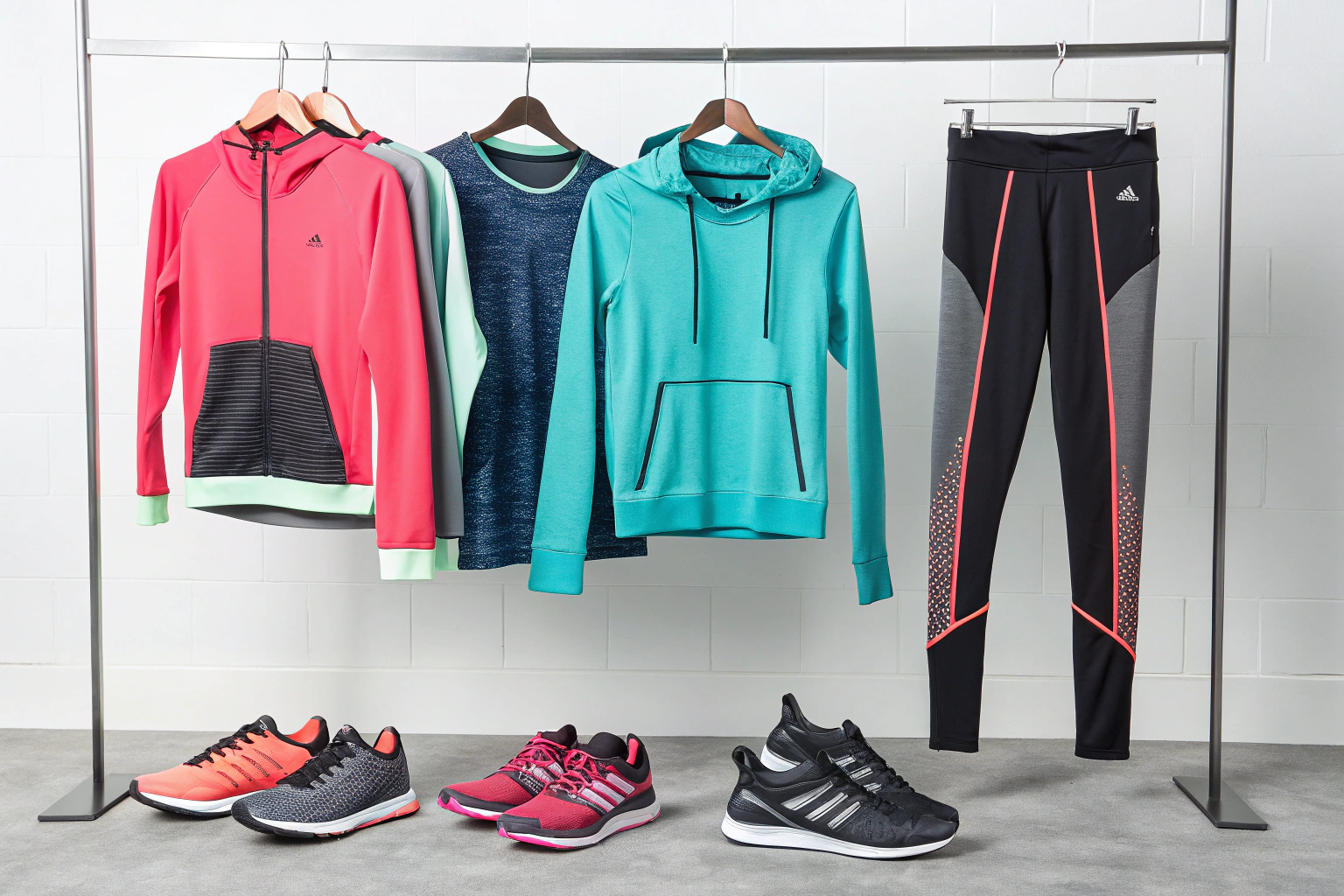
Moisture-wicking is a key feature of synthetic fabrics. These materials pull sweat away from the skin and allow it to evaporate on the outer surface. Polyester and nylon do not absorb moisture, preventing garments from becoming heavy or sticky during exercise. Spandex allows garments to expand and return without deformation, which is vital in sportswear like leggings or fitted tops. These functional qualities also help prevent odor buildup and reduce skin irritation.
How are sportswear fabrics prepared in the factory?
Fabric performance depends not only on the fiber but also on its finishing and treatment processes.
Manufacturers enhance raw fabrics through brushing, antibacterial coating, UV protection, and moisture-wicking treatment before cutting and sewing.
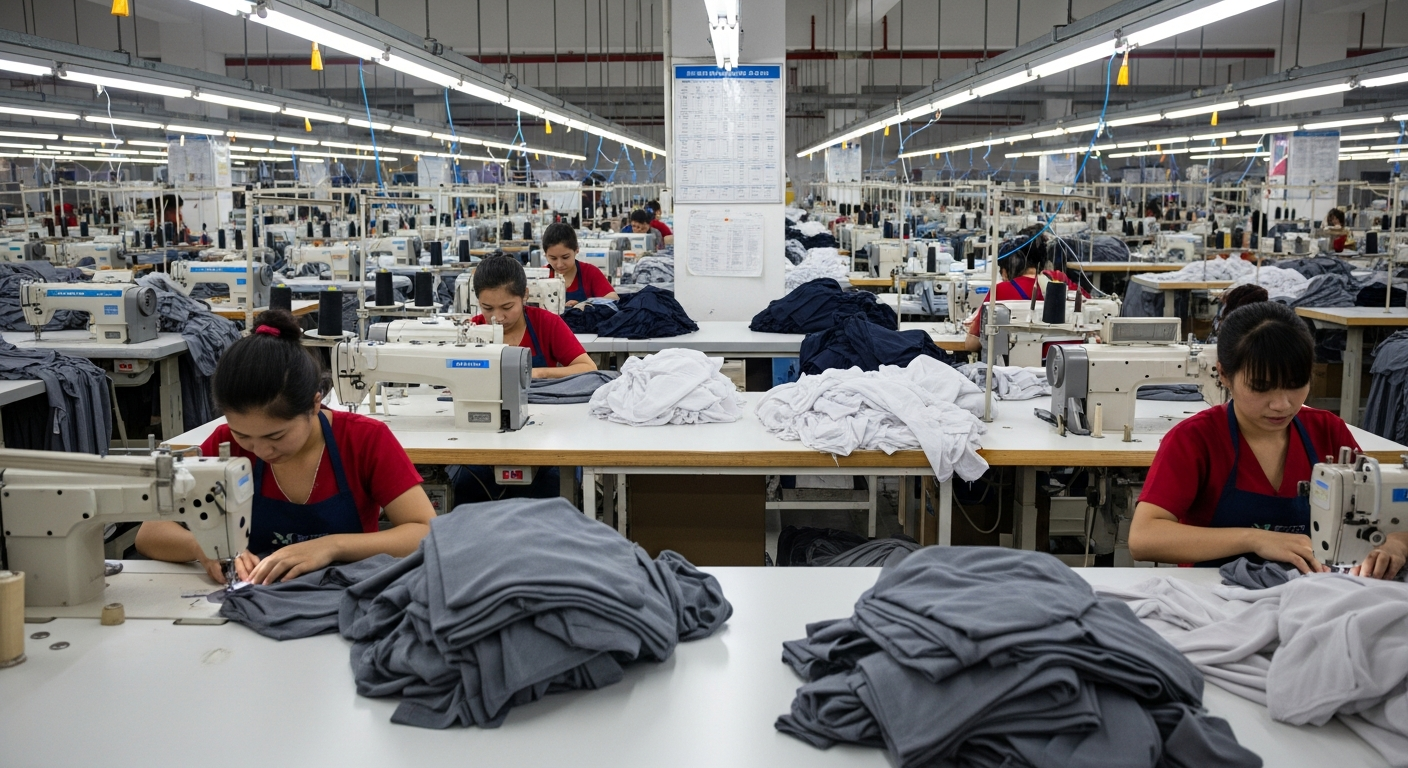
Before fabric is used in production, it often undergoes chemical and mechanical finishing. Moisture management treatments improve sweat transport. Antibacterial or anti-odor finishes are applied to reduce microbial growth, especially for base layers. UV-blocking coatings are used in outdoor sportswear to protect against sunlight. Knitting structures also influence performance: interlock knits provide compression, while mesh zones enhance ventilation. These treatments are tested during lab sampling to ensure durability across washing cycles.
What is the role of fabric structure in sportswear?
The way fabric is knitted or woven affects stretch, breathability, and garment stability.
Warp knits, circular knits, and seamless constructions are commonly used in activewear to support movement, airflow, and form retention.
Circular knit fabrics are highly elastic and are often used in leggings and compression tops. Warp knits, such as tricot, provide durability and are used in shorts or jackets. Seamless technology eliminates traditional seamlines, improving comfort and aesthetics, especially in underwear and fitted garments. Factories use specialized knitting machines and adjust tension settings to control thickness, breathability, and directional stretch. This precision ensures consistent fit and function across different sizes and styles.
How does sportswear production handle these materials?
Production lines for activewear are equipped to handle elastic and technical fabrics.
Cutting, sewing, and bonding processes are adjusted to maintain the integrity of stretch materials and their performance finishes.
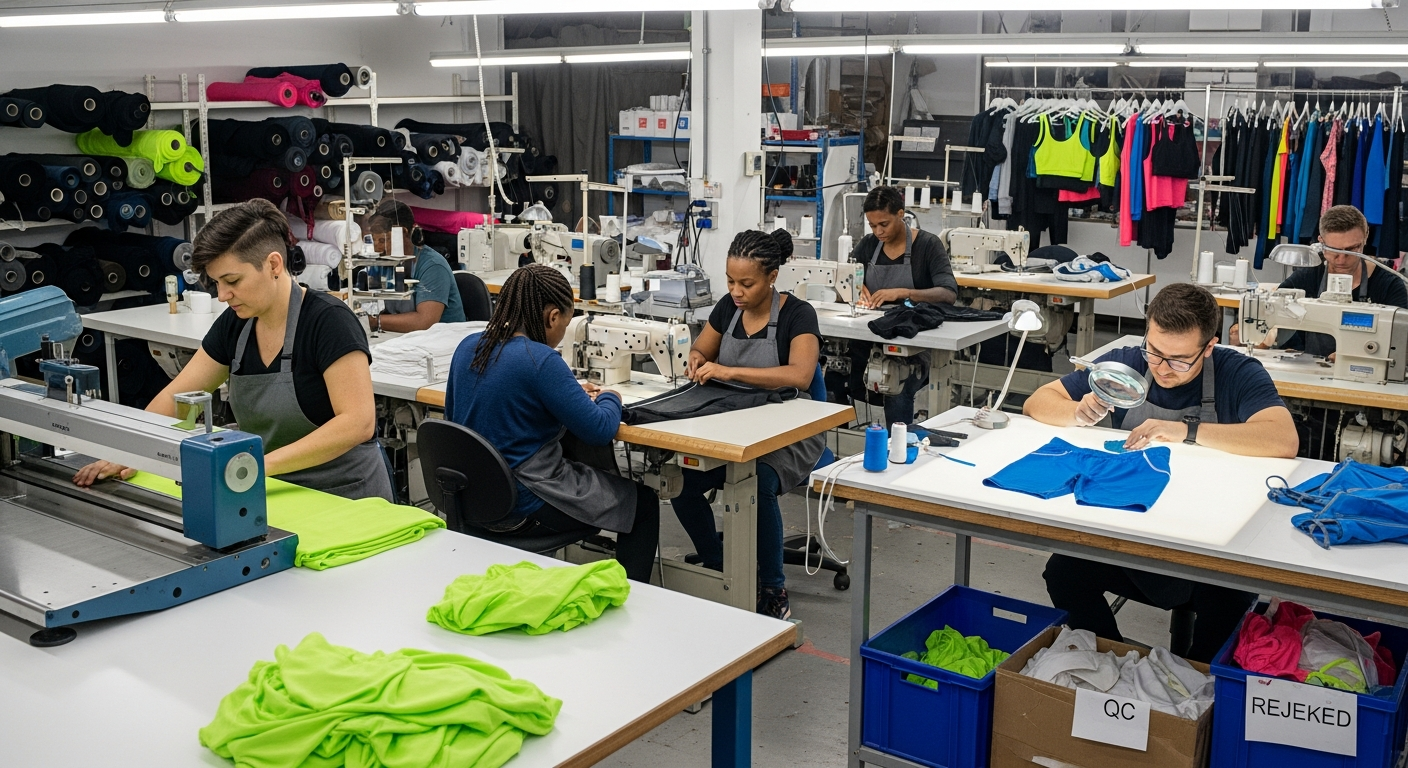
During cutting, fabrics with high spandex content require tension-controlled spreading to prevent distortion. Specialized blades and ultrasonic cutting may be used to minimize fraying. Sewing involves stretch-compatible threads and flatlock or overlock machines that allow seams to flex during wear. Quality control focuses on seam strength, elasticity recovery, and print adhesion. Some factories use bonding or heat-sealing in place of traditional stitching to reduce bulk and increase garment flexibility.
Conclusion
Sportswear is primarily made from synthetic or technical fabrics designed to support high movement, moisture control, and long-term wear. Polyester, nylon, and spandex dominate this category due to their superior elasticity, quick-drying capabilities, and structural stability. In modern garment manufacturing, these materials are enhanced with performance finishes, advanced knitting techniques, and precision cutting processes. As fitness, outdoor, and wellness categories continue to expand, technical fabric innovation and efficient factory execution will remain critical to the future of activewear development.