
In the apparel industry, clarity in garment terminology directly affects product development, production, and classification. While "crewneck" and "regular shirt" often appear together in retail language, they refer to different aspects of a garment’s construction.
A crewneck is a neckline style, not a garment type. It is frequently used on regular shirts, but also appears on sweatshirts, sweaters, and thermal tops across multiple fabric categories.
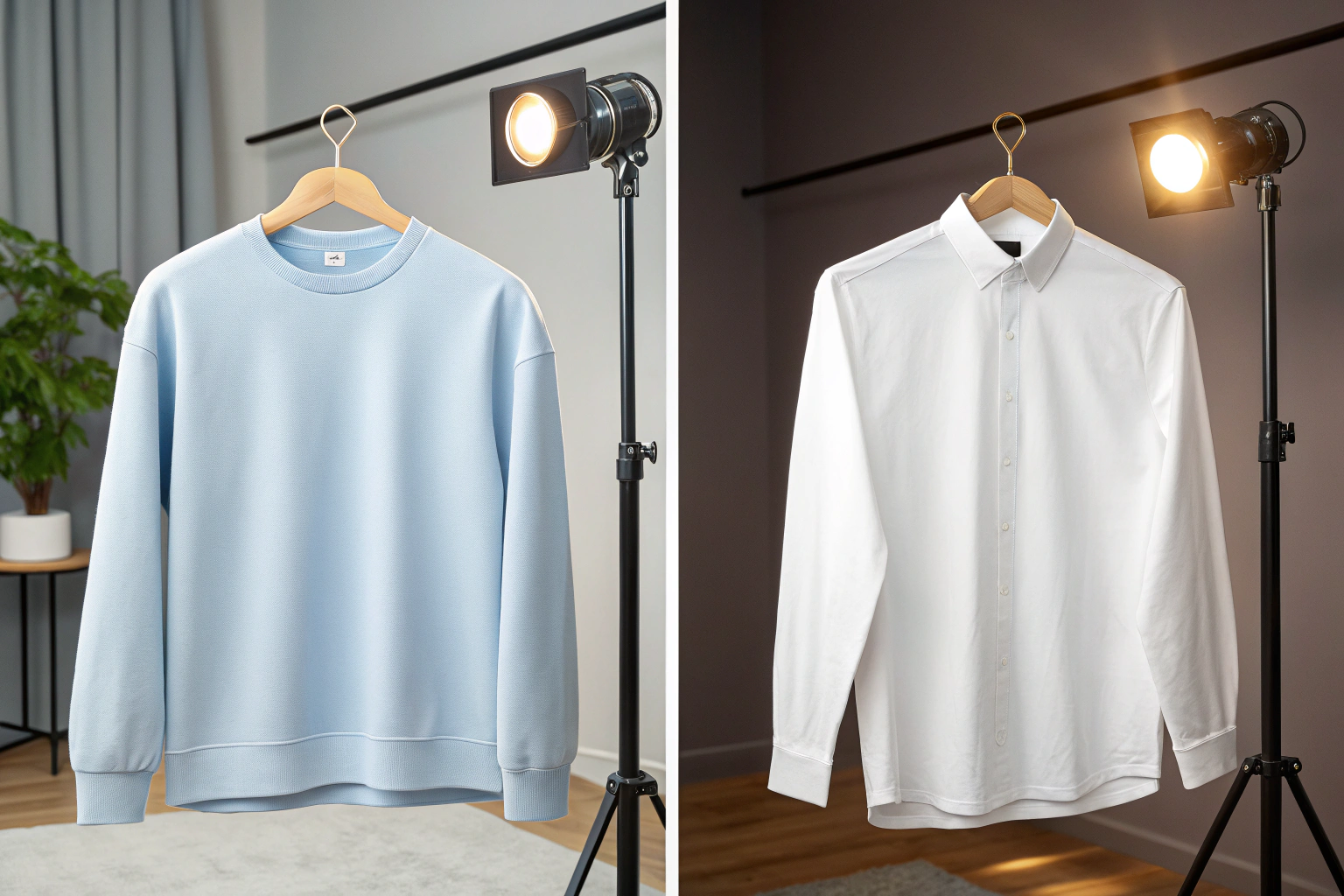
Understanding the structural differences between a neckline style and garment classification is essential for accurate specification, pattern development, and production control.
What Defines a Crewneck?
The crewneck is a round neckline that sits close to the base of the neck and is reinforced with a ribbed band.
This neckline style provides clean visual lines, comfort, and durability, and is a standard detail in casual wear and sportswear design.
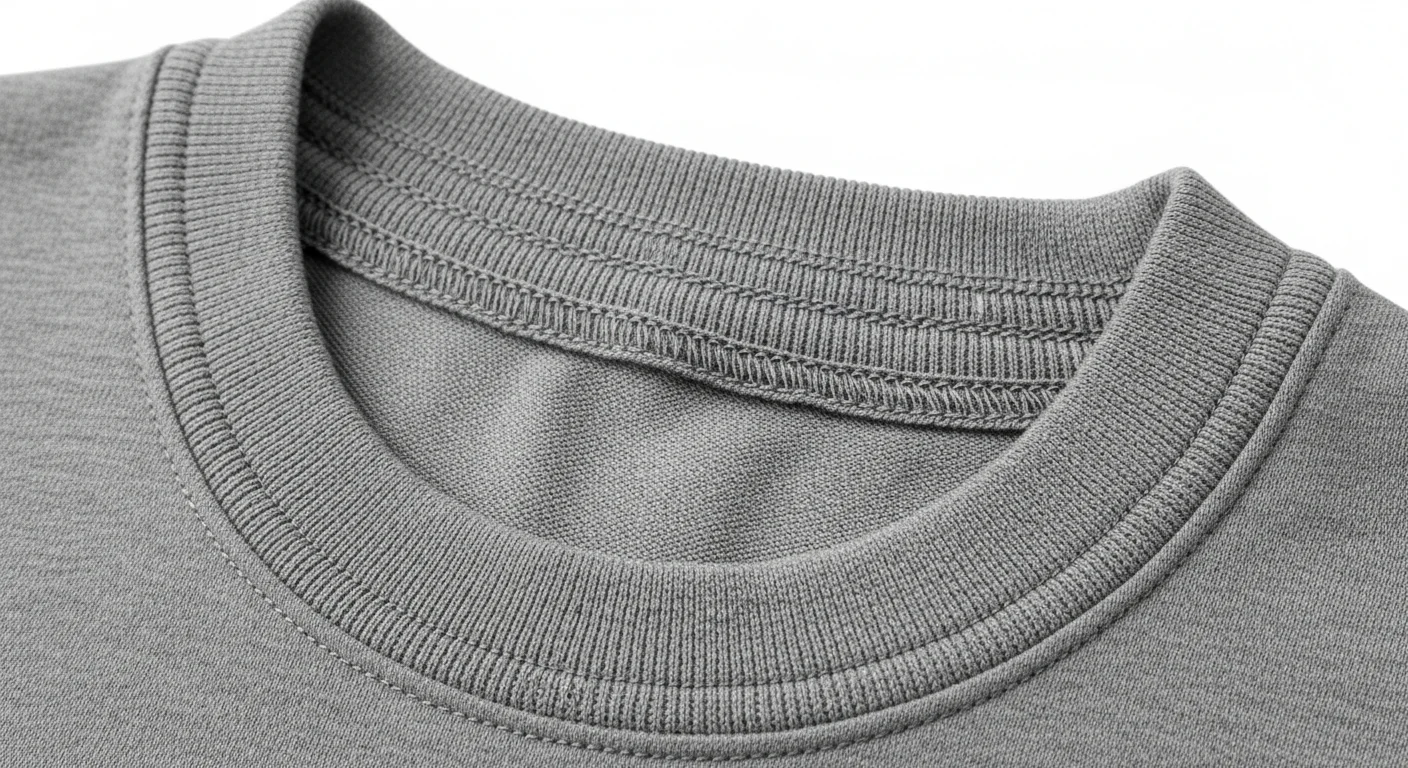
Crewneck necklines originated from early 20th-century athletic uniforms and remain one of the most widely used designs. In manufacturing, the neckline is constructed with rib fabric containing elastane or spandex to offer stretch and shape recovery. Rib width, collar height, and neck circumference are calculated during pattern drafting. The collar is attached with flatlock or coverstitch machines, and reinforced with tape or additional stitching for durability. This neckline style is applied to garments across categories—from lightweight cotton T-shirts to heavyweight fleece sweatshirts.
What Is a Regular Shirt?
A regular shirt refers to a shirt with standard proportions, generally constructed from knit fabric with a straight body, moderate ease, and short or long sleeves.
The term defines the fit and structure of the garment, independent of neckline type, which may be crewneck, V-neck, or other variations.
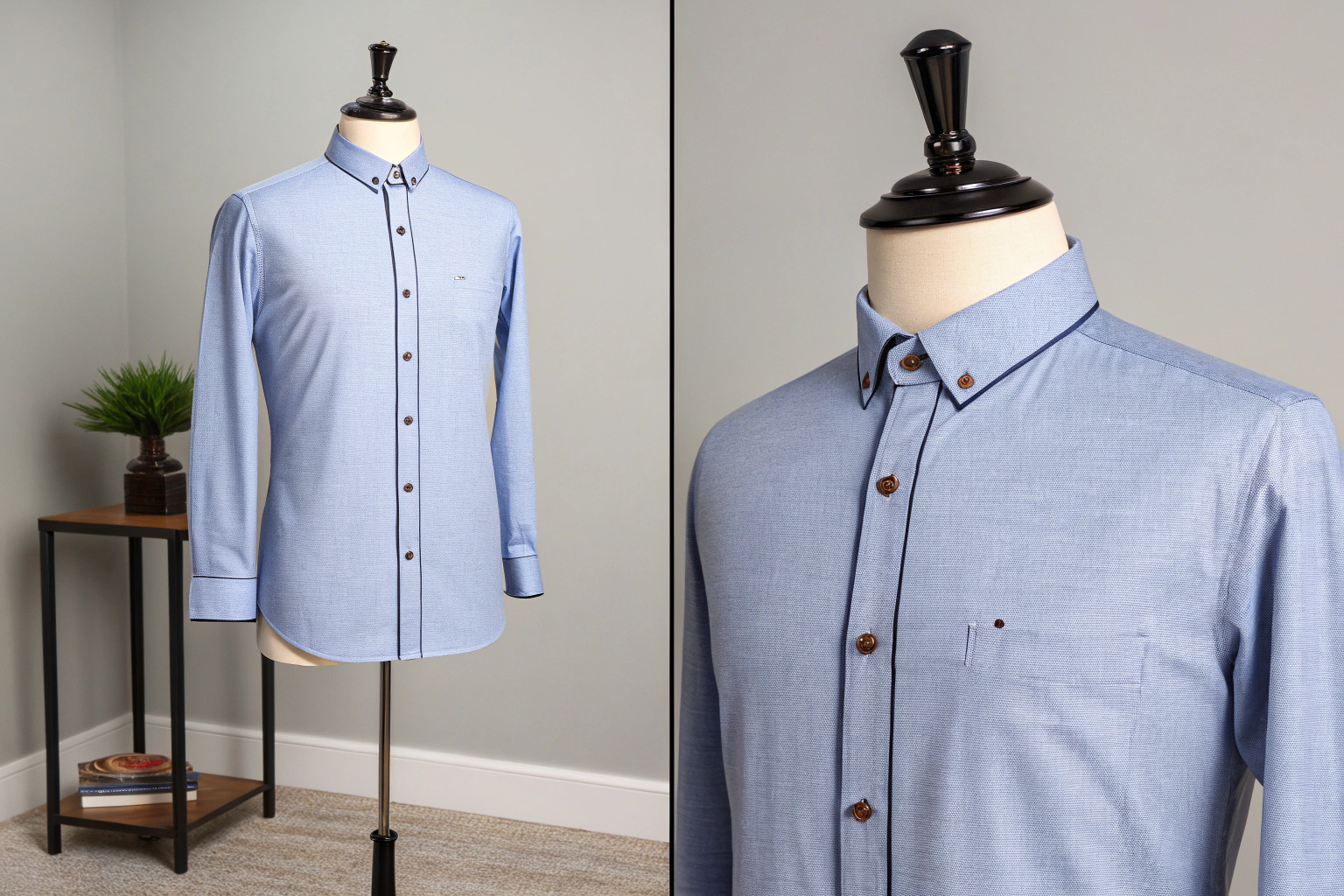
In product catalogs and factory spec sheets, “regular fit” is a baseline silhouette used for basic styles. It includes a straight side seam, natural shoulder slope, and standard armhole depth. Crewneck is the most common neckline finish for regular-fit shirts due to its simplicity and broad consumer appeal. These garments are typically made from single jersey or cotton-poly blends, and produced in large volumes. In cutting rooms, regular shirts are laid out for high fabric utilization and predictable yield across size sets.
When a Crewneck Shirt Is No Longer Considered “Regular”
The term “crewneck shirt” only falls under the “regular shirt” category when made from lightweight fabrics and with basic construction.
Crewnecks made from fleece, wool, or thermal knits, or those with oversized or technical fits, are classified differently due to their use, weight, and function.
When a crewneck is applied to heavyweight garments—such as sweatshirts, sweaters, or thermals—it exits the "regular shirt" category and enters outerwear, knitwear, or specialty wear classifications. These changes are driven by fabric GSM (usually above 260), garment weight, and functional design. In production, these garments require more complex machinery, different seam types, and adjusted tolerance ranges for fit. Crewneck sweaters involve yarn-based knitting and fall under circular or flat-knit categories. Thermal crewnecks are used for base layers and often include waffle knits or brushed surfaces.
Workshop Considerations for Crewneck Production
The use of a crewneck neckline in mass production offers several advantages in efficiency, consistency, and customer preference.
Factories prioritize accurate rib cutting, neckline tension control, and stitch integrity to ensure uniform collar recovery and aesthetic balance.
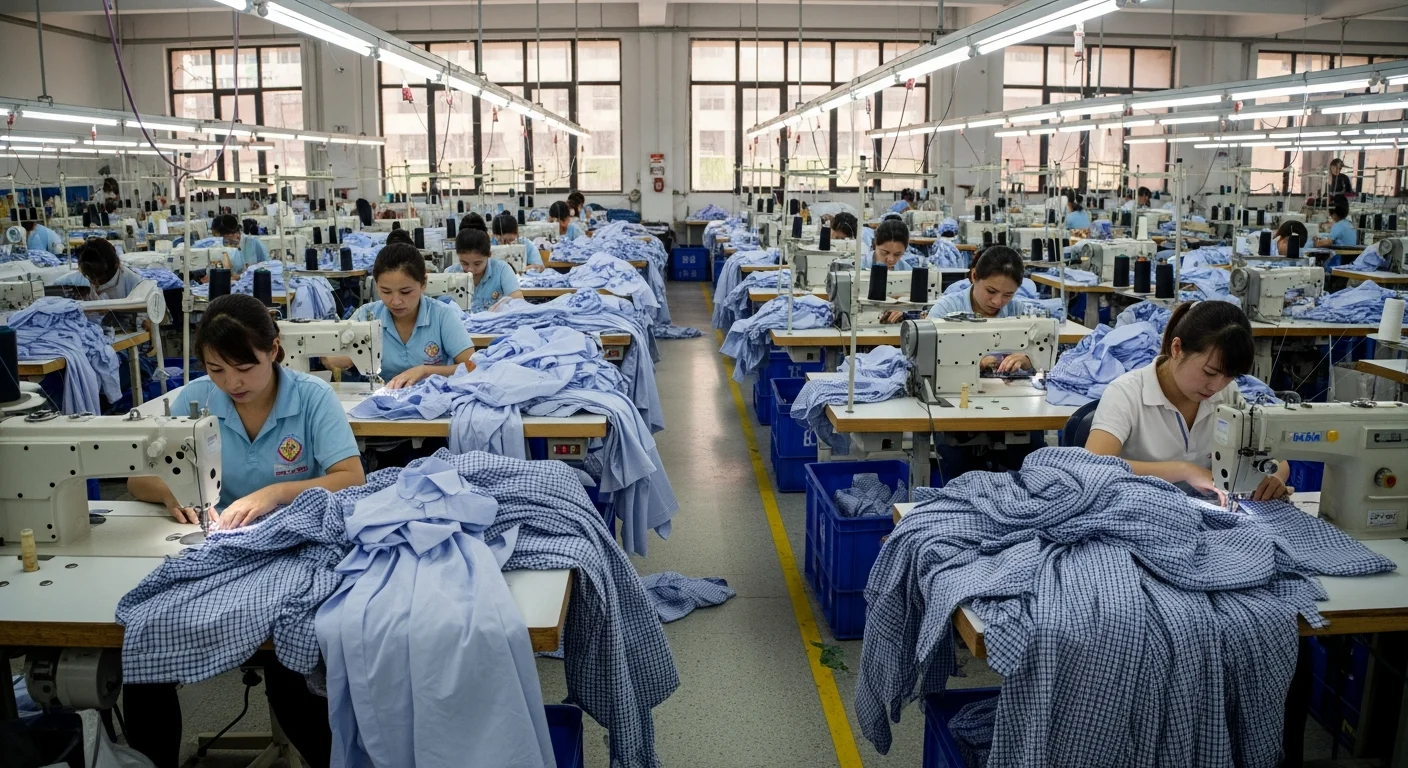
In the production line, crewneck shirts follow a streamlined workflow. Ribbing is cut on the correct stretch direction to align with recovery requirements. Collar attachment is done at a specific stage in the assembly to maintain neckline symmetry. Tension control is essential to prevent curling or neck distortion. QC teams inspect the neck opening circumference and collar stitching angles during in-line checks. Final pressing sets the neckline into shape. For sweatshirts and heavier garments, crewnecks require reinforced neck tape and additional stabilization stitches to withstand repeated wash cycles. Production lines are configured based on fabric weight and rib application complexity.
Fit, Function, and Market Positioning
The versatility of the crewneck makes it one of the most universal neckline options across apparel categories.
Crewnecks support both form-fitting and relaxed silhouettes, offering aesthetic neutrality that works in core programs, seasonal basics, and trend collections.
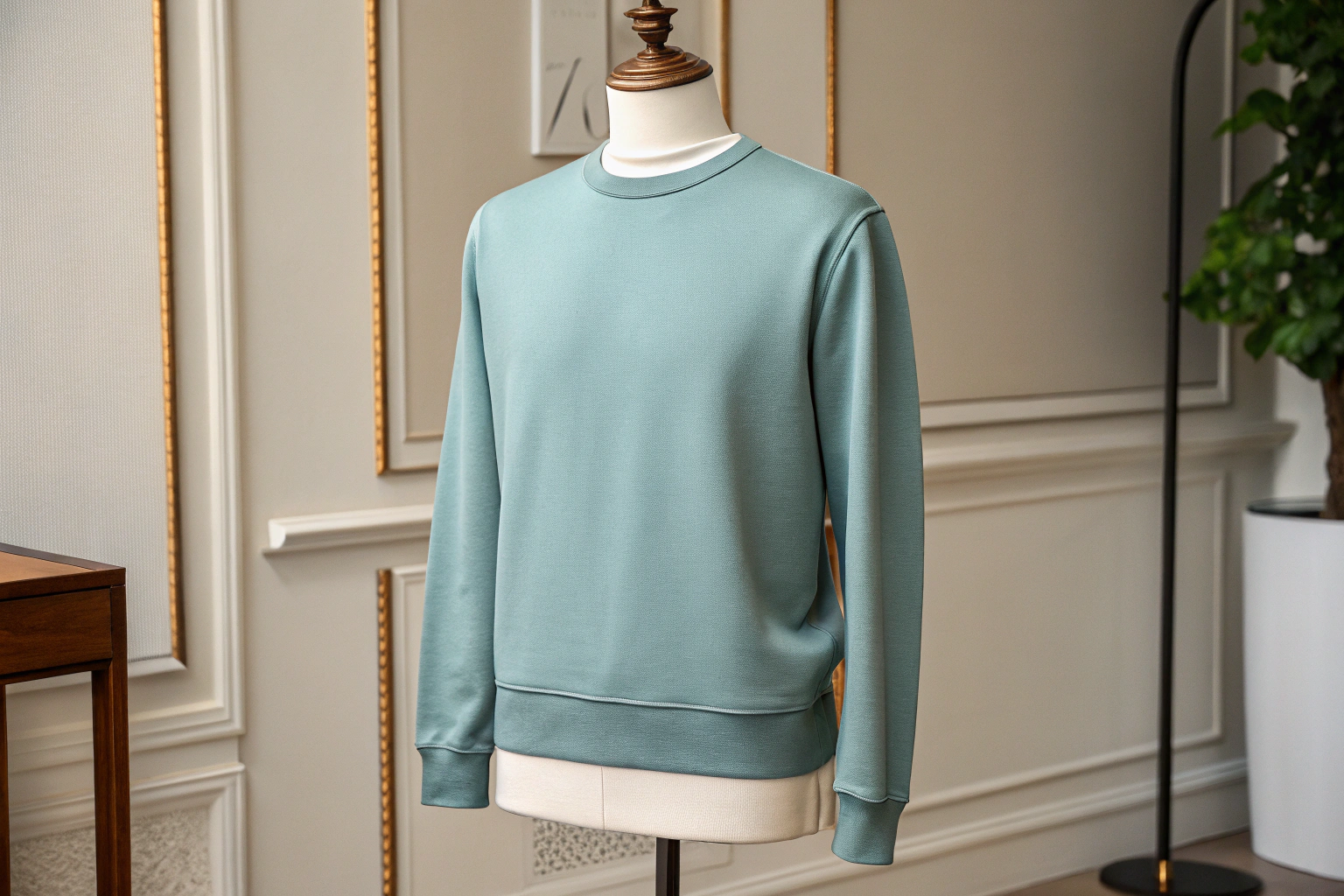
Fit is managed through strategic pattern grading. In regular shirts, the body falls straight from the chest with minimal tapering. Crewnecks enhance the fit by keeping the upper torso visually balanced. For activewear, crewnecks help stabilize the shirt during movement. In daily wear, they offer modest coverage suitable for multiple demographics. The collar height and stretch range are adjusted based on gender, size range, and region-specific preferences. Markets with a preference for tighter fits require more rib tension, while relaxed-fit regions prefer wider neck openings and looser collars.
Conclusion
The crewneck is a neckline style commonly found on regular shirts but is not itself a garment type. A regular shirt may feature a crewneck when made from lightweight, jersey fabrics in a straight, standard fit. However, when the crewneck design is used on fleece, wool, or thermal garments, or when oversized proportions or technical functions are introduced, the product classification shifts. In factory operations, crewneck designs simplify construction and support high-throughput production lines, thanks to predictable rib application and neckline control. Consistent fit, durable stitching, and material compatibility are central to successful crewneck production. As a design element, the crewneck continues to serve across multiple categories due to its minimal profile, compatibility with branding, and ability to support diverse garment functions. Its role in shaping product identity, cost efficiency, and wearability confirms its importance in both basic and performance-oriented collections.