
Choosing the right jacket can shape how a product line performs across seasons. Some styles rise quickly, others stay steady sellers for years. Among them, one jacket consistently leads in popularity.
The bomber jacket is currently the most popular type of jacket due to its balance of fashion, comfort, and versatility across seasons and demographics.
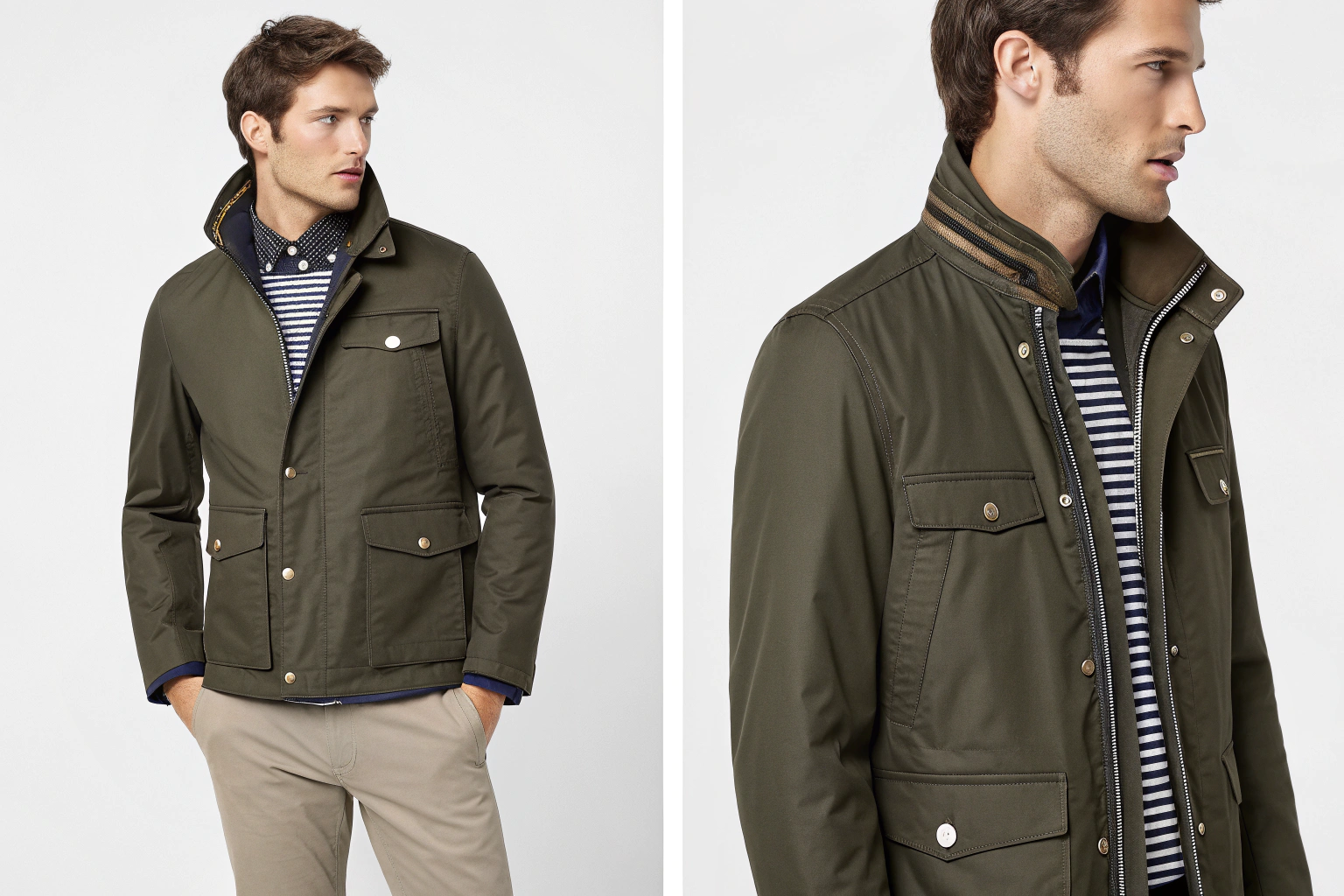
Bomber jackets have evolved from military roots to mainstream fashion staples. Their lightweight structure, clean lines, and ease of pairing with various outfits make them appealing across casual and semi-formal categories. Unlike more niche or seasonal styles, the bomber jacket holds steady year-round demand. Its simple design allows endless variation in fabrics, linings, and finishes, supporting broad market coverage.
Why Do Bomber Jackets Dominate Global Sales?
Bomber jackets remain in high demand globally because of their adaptability to different climates, occasions, and fashion trends.
They sell well year-round, appeal to all genders, and work in urban, casual, or activewear settings—making them a top choice for brands and retailers alike.
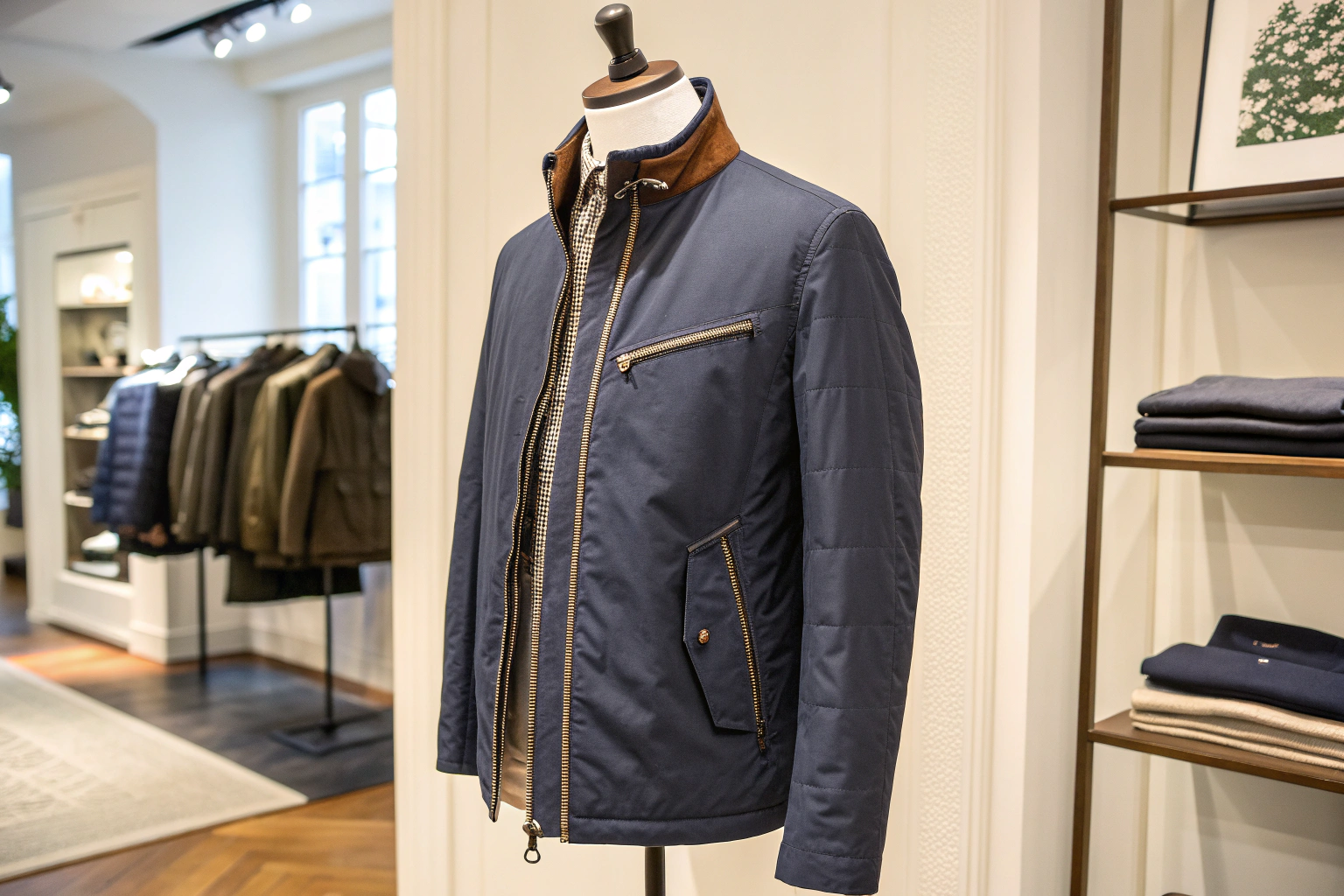
Designers favor bomber jackets for their flexible silhouette. Key details like ribbed hems, zipper fronts, and comfortable collars allow customization without losing the core style. This structure supports efficient production and easier adaptation to fabric trends—from satin to recycled polyester. End users appreciate the fit and the balance between utility and fashion. Retailers keep them as staple inventory for transitions between seasons. For manufacturers, bomber jackets simplify production planning since they don’t rely heavily on weather extremes like parkas or trench coats.
How Do Other Popular Jackets Compare?
While bomber jackets lead in volume, other styles like denim, leather, and parkas each serve specific audiences and seasons.
Denim jackets are strong in spring and fall, leather jackets trend in premium fashion, and parkas dominate winter wear, but none match the year-round reach of bombers.
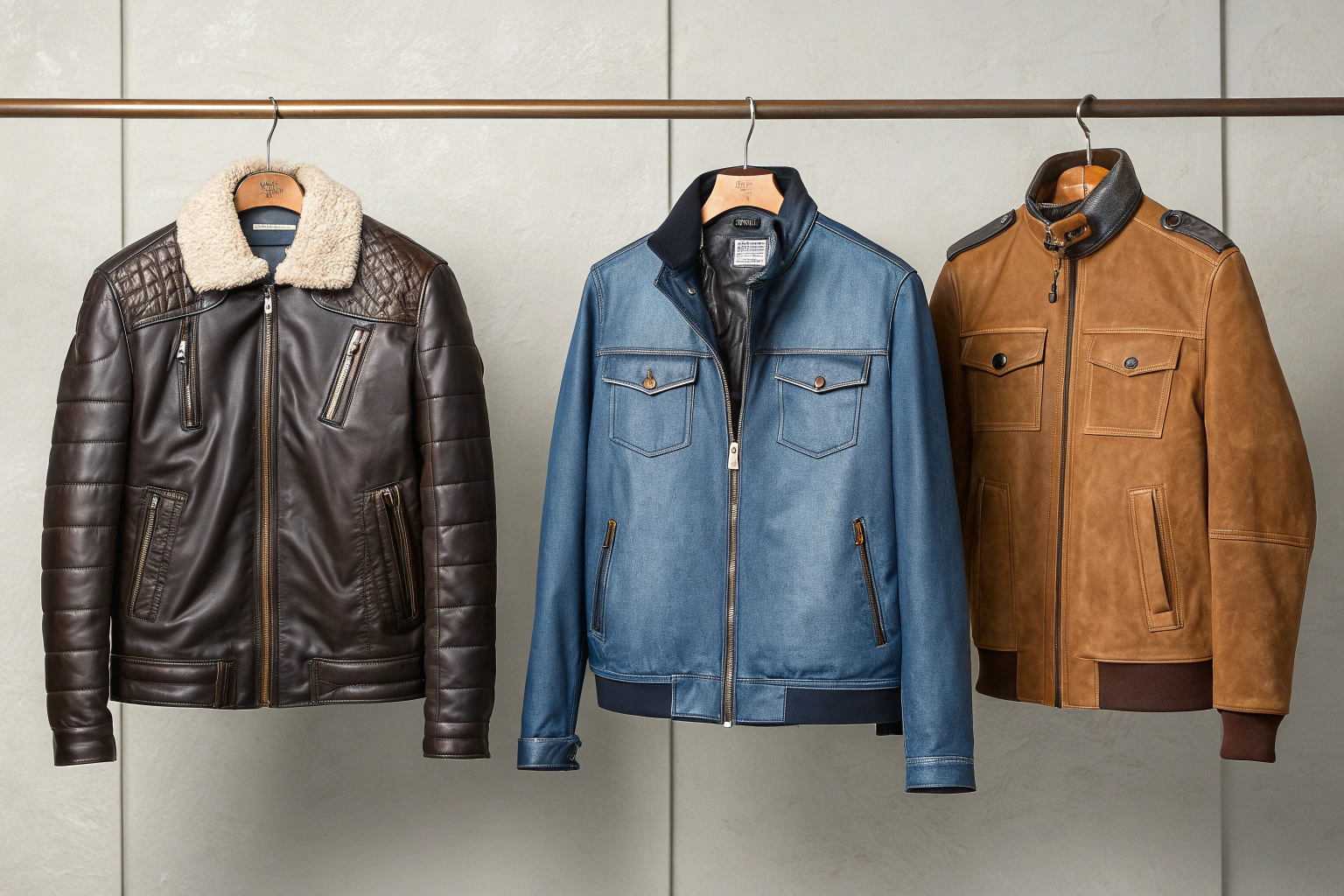
Denim jackets offer classic, laid-back style but lose practicality in wet or cold weather. Leather jackets, often made from either genuine or vegan materials, represent luxury and edge but serve a narrower customer base due to pricing. Parkas are critical for winter markets with insulation and technical features like waterproof shells and faux-fur trims. However, their bulk and thermal focus limit their versatility. In contrast, bombers fit multiple climates with light padding or breathable linings. This consistency makes them easier to scale in production and sales.
| Jacket Type | Strengths | Weaknesses | Best Season |
|---|---|---|---|
| Bomber | Versatile, comfortable, unisex | Limited insulation | Spring, Fall |
| Denim | Durable, casual classic | Not weatherproof | Spring, Fall |
| Leather | Stylish, premium image | Expensive, niche | Fall, Winter |
| Parka | Warm, protective | Bulky, seasonal | Winter |
What Fabric Choices Drive Bomber Jacket Popularity?
Material innovation helps bomber jackets stay competitive, offering seasonal flexibility and performance features.
Common materials include nylon, polyester, and cotton blends, chosen for breathability, water resistance, and ease of maintenance.
In the production process, fabric selection balances aesthetics with function. For warmer climates, unlined bombers made from lightweight cotton or nylon help with airflow. In colder seasons, padded polyester or fleece-lined versions offer insulation without adding bulk. Outer layers often include DWR (durable water repellent) coatings for light rain resistance. Using the same silhouette, factories can adjust inner and outer materials to meet varying market needs. This adaptability lowers production costs and shortens development cycles for each season. Many factories now also integrate eco-conscious textiles like recycled nylon or low-impact dye processes to meet sustainable fashion goals.
How Does Manufacturing Efficiency Influence Jacket Popularity?
Jacket types that support smooth, high-volume production tend to perform better commercially.
Bomber jackets have a simple structure, fewer pattern pieces, and efficient sewing workflows, which reduce labor time and increase output.
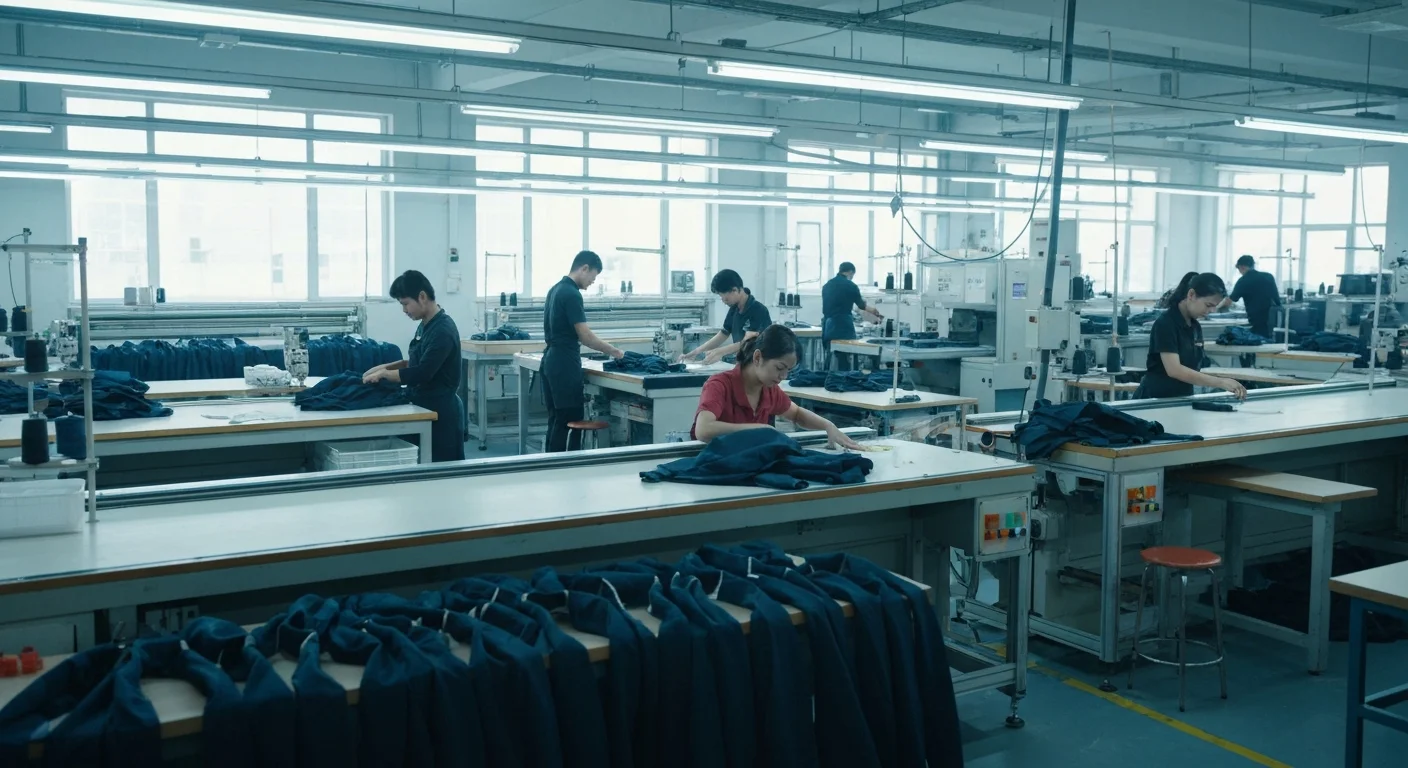
In a typical workshop, bomber jackets pass through stages such as fabric inspection, automatic cutting, assembly line sewing, and finishing. The consistent shape—often without complex features like pleats, multiple linings, or heavy hardware—streamlines this process. Ribbed hems and cuffs, a signature bomber detail, are easy to attach and help ensure a snug fit without the need for tailored cuts. In factories where both small and large orders are processed, bomber jackets offer the ideal balance of speed and quality. Fewer complications in construction also mean fewer defects during quality checks. That efficiency benefits brands by ensuring consistent sizing, shorter lead times, and better cost control.
How Are Consumer Preferences Shaping Jacket Trends?
Consumer habits are shifting toward performance, comfort, and sustainability—all areas where bomber jackets have adapted quickly.
Customers now expect jackets to combine style with stretch, moisture control, and environmentally friendly materials, influencing design and sourcing.
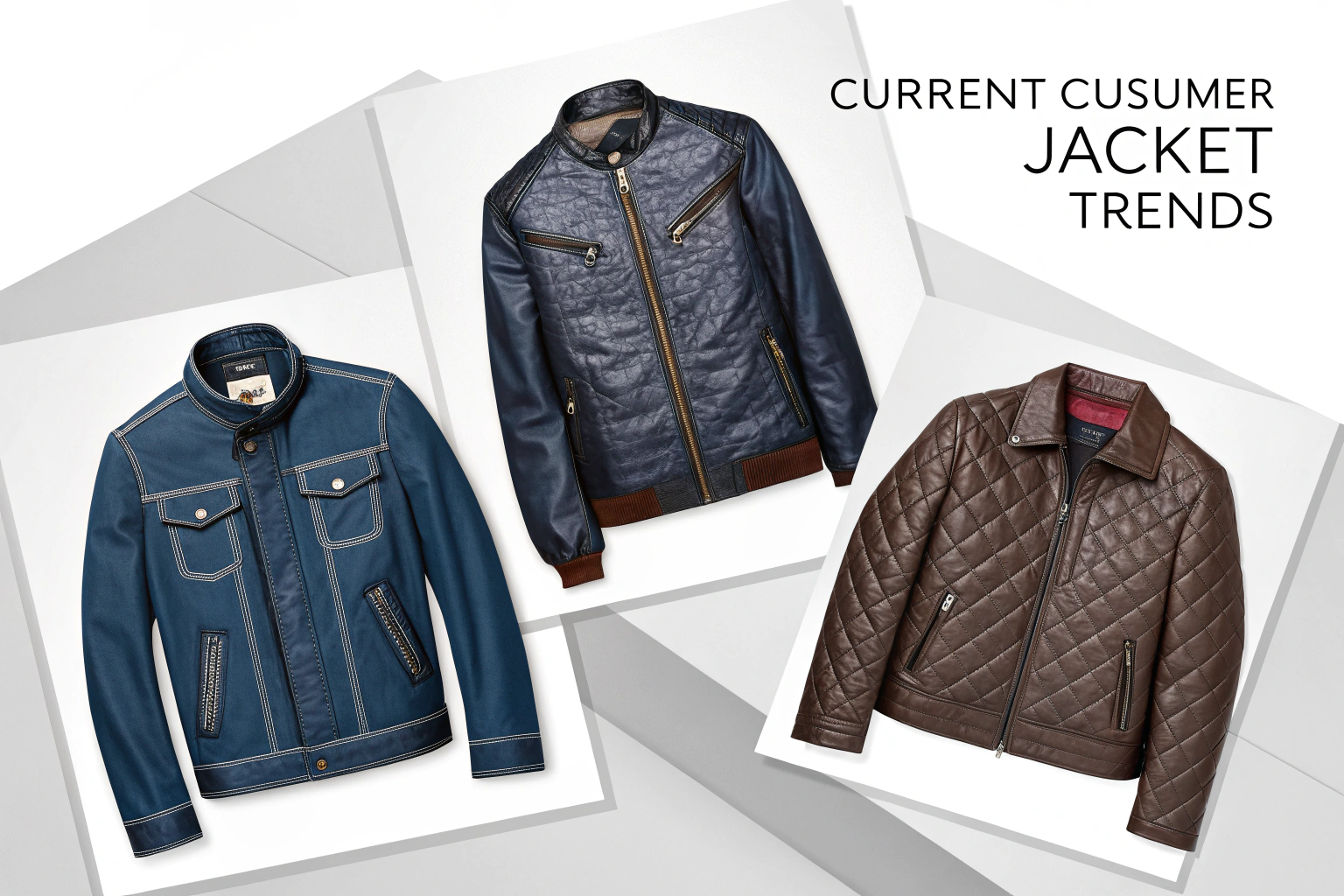
Modern buyers prioritize pieces they can wear across settings—work, travel, social outings. Bomber jackets fit that need well. Many styles now include subtle technical upgrades like windproof panels, odor-resistant linings, or hidden pockets for mobile devices. On the sustainability side, brands are pushing for recycled insulation and traceable materials. Production partners capable of offering certifications and low-emission processes become preferred suppliers. At the retail level, these updates help justify pricing while attracting younger, values-driven customers. In turn, factories aligned with these priorities gain better long-term relationships with brands focused on growth and transparency.
Conclusion
Among many outerwear choices, the bomber jacket continues to lead as the most popular type of jacket due to its core strengths: universal appeal, adaptability to trends, and manufacturing efficiency. While denim, leather, and parkas serve important roles in fashion and function, their demand remains more seasonal or niche. Bomber jackets, on the other hand, maintain a strong presence across climates, genders, and price points. The design supports high-volume production, easy fabric adaptation, and sustainable innovation. These advantages ensure the bomber jacket remains a foundational product in the outerwear market, favored by brands, factories, and consumers alike.