
The right fabric defines how a tracksuit performs — whether it’s for training, travel, or daily comfort.
Tracksuit fabrics vary from polyester and nylon to cotton and blends, each chosen for specific goals like breathability, stretch, durability, or warmth.
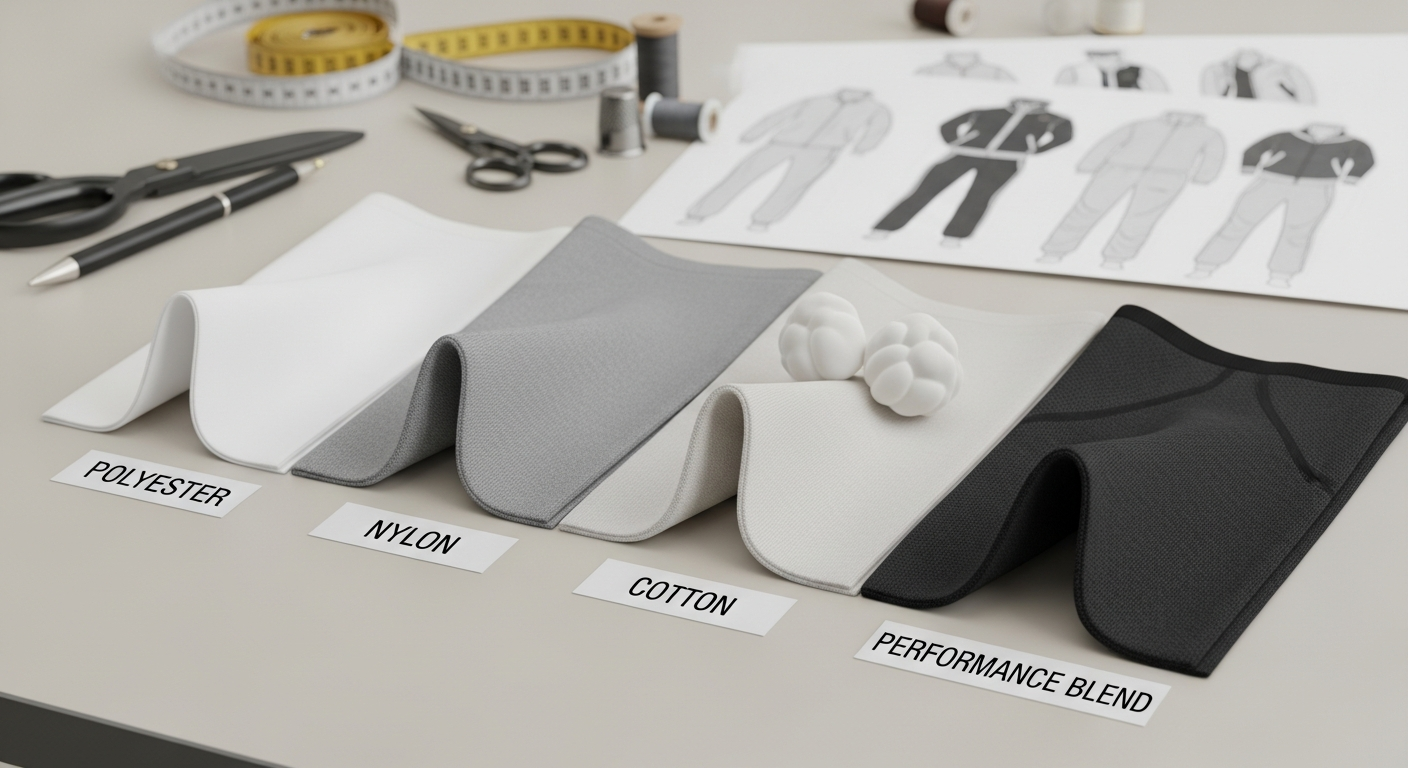
Choosing the right tracksuit material goes beyond touch or trend. It’s about function, feel, and fit across varied use scenarios. Manufacturers select and engineer fabrics depending on product intent — from sprint-ready designs to lounge-focused sets. Understanding each material’s behavior helps ensure better wear experience and product success.
What are the most common fabrics used in tracksuits?
Not all fabrics deliver the same results. Different materials respond to motion, temperature, and wear in different ways.
Polyester, nylon, cotton, and spandex blends are the most common fabrics used in tracksuits, each with unique performance strengths.
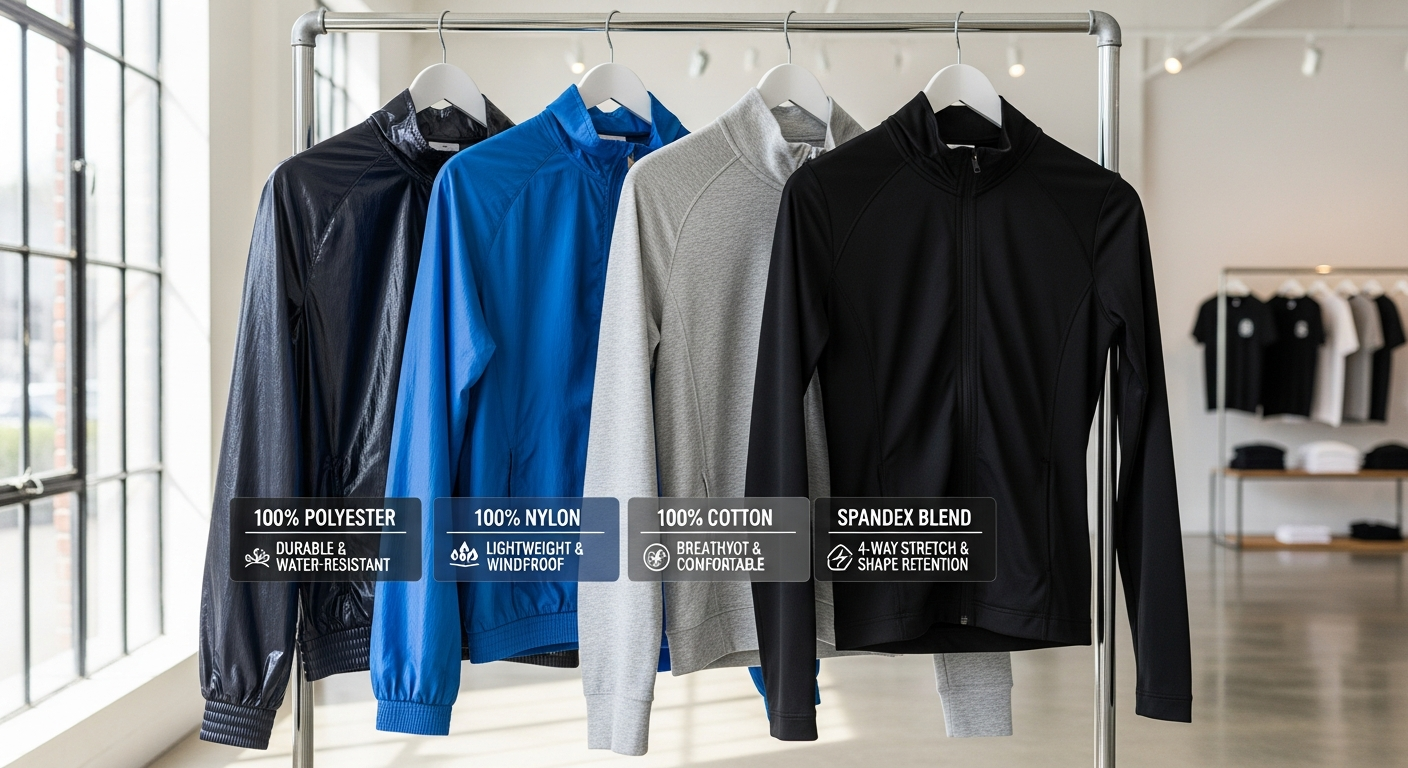
Polyester remains the global standard for performance tracksuits. It offers excellent durability, quick-drying properties, and shape retention. Cotton blends are preferred for comfort and breathability, especially in lifestyle tracksuits.
Nylon is used for its smooth texture and higher abrasion resistance. Spandex or elastane is typically added in small percentages (5–10%) to increase stretch and mobility.
| Fabric Type | Core Performance Feature |
|---|---|
| Polyester | Quick-dry, lightweight, wrinkle-resistant |
| Nylon | Smooth, strong, moisture-resistant |
| Cotton | Soft, breathable, suitable for daily wear |
| Spandex Blend | Adds elasticity and movement comfort |
How does fabric choice affect sports performance?
The fabric behind a tracksuit defines how the body feels and performs during movement.
Polyester blends with spandex offer the best performance combination — delivering stretch, moisture control, and shape retention.
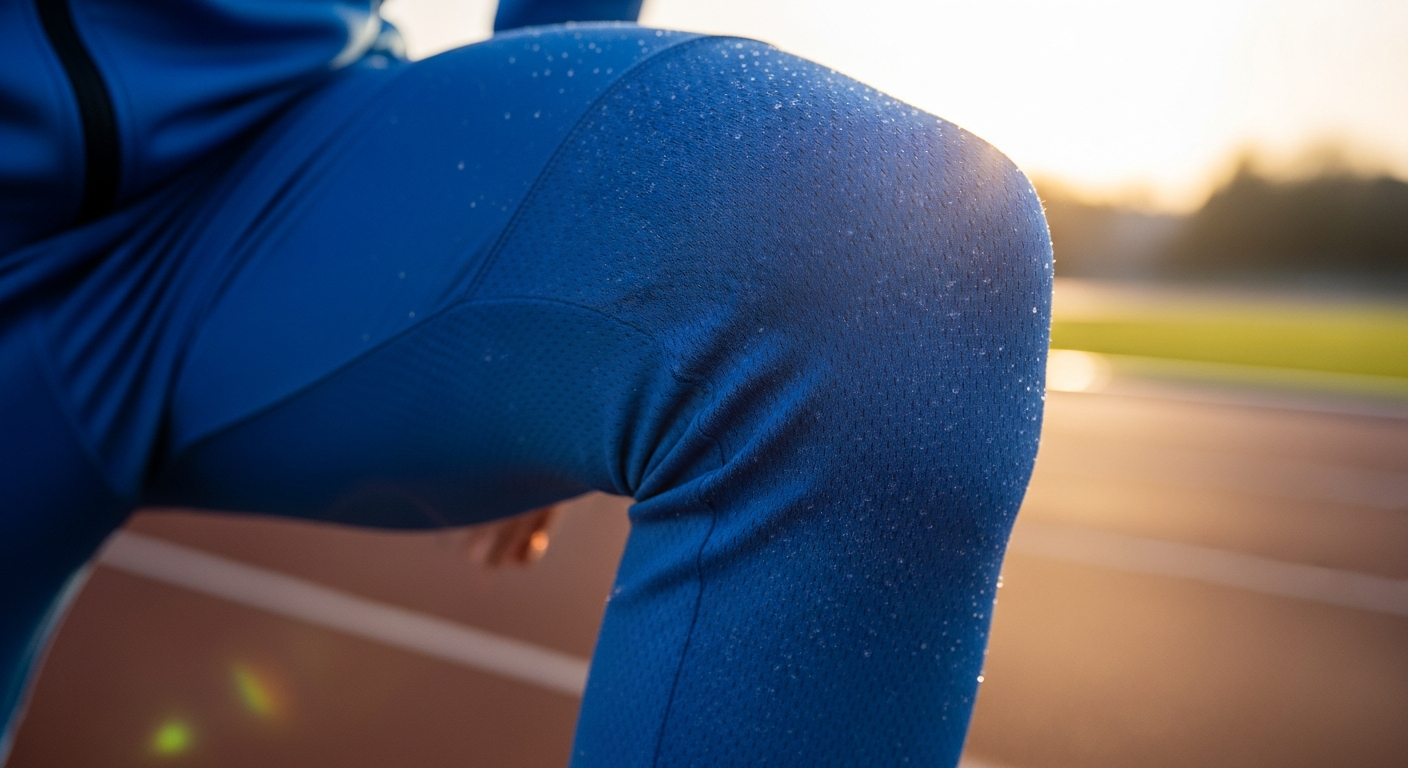
Athletes need fabrics that manage sweat, move with the body, and stay in place during rapid motion. Moisture-wicking finishes, mesh paneling, and stretch zones are all designed to keep the user cool and unrestricted.
Compression-style tracksuits use tighter weaves and higher elastane content to support muscles. Looser-fitting training suits prioritize airflow and movement range.
| Performance Goal | Recommended Fabric Setup |
|---|---|
| Speed + Flexibility | Polyester + 10% Spandex Blend |
| Breathability | Cotton/Poly Jersey with mesh inserts |
| Recovery Wear | Soft Cotton + Terry or Brushed Back Knit |
| All-weather | Nylon Shell with Moisture Barrier Lining |
What are the key differences between lifestyle and athletic tracksuit fabrics?
Purpose defines construction. Lifestyle sets prioritize comfort and texture, while athletic sets are engineered for sweat and strain.
Lifestyle tracksuits use heavier cotton blends, brushed fleece, and ribbed knits. Performance tracksuits use light polyester, nylon, and mesh-lined materials.
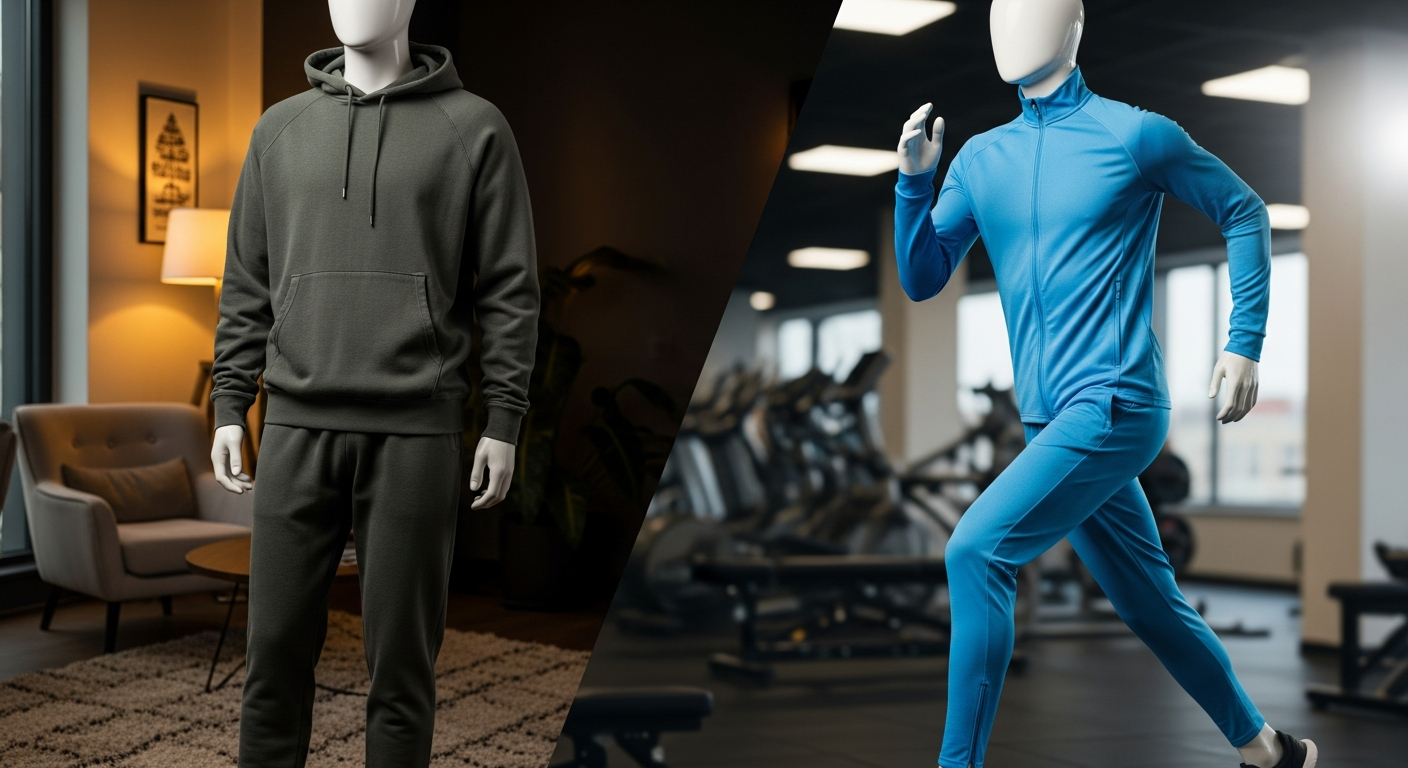
Fleece-backed knits, French terry, and interlock cottons are preferred in casualwear sets. They offer warmth and soft touch, ideal for travel or relaxation. These fabrics are less compressive and more forgiving in shape.
Athletic tracksuits aim for minimal weight, high stretch, and moisture dispersal. Microfiber polyester, warp knits, or ripstop nylon are common in this segment.
| Category | Fabric Characteristics |
|---|---|
| Lifestyle | Soft, warm, heavier, less technical |
| Athletic/Training | Light, breathable, quick-drying, stretch |
| Hybrid | Cotton exterior with polyester lining |
What finishes and constructions improve fabric performance?
Material selection is just one layer — finishes and construction also define the garment’s feel and function.
Popular enhancements include anti-pilling coatings, brushed interiors, moisture-wicking treatments, and flatlock seams.
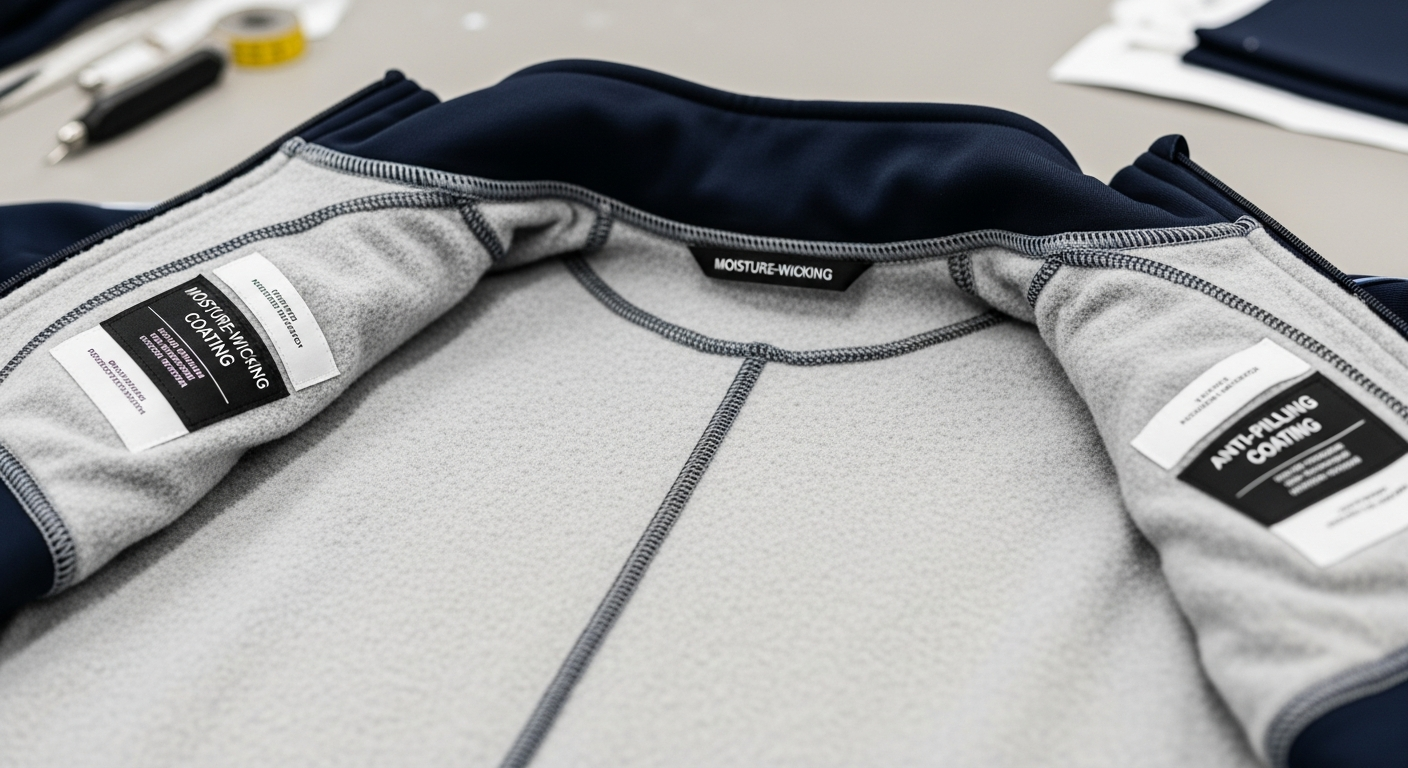
Anti-pilling ensures longevity after washing. Brushed back interiors increase warmth and softness. Wicking treatments help polyester fabrics channel sweat away from the skin. Flatlock seams reduce friction and irritation.
Some fabrics are also finished with UV protection, anti-odor coatings, or stain-resistant technology — especially in all-purpose outdoor or travel sets.
| Feature/Finish | Function |
|---|---|
| Anti-Pilling | Extends garment appearance lifespan |
| Moisture Wicking | Keeps skin dry during high activity |
| Brushed Interior | Increases softness and thermal retention |
| Seamless/Flatlock | Minimizes chafing and seam visibility |
Conclusion
Fabric selection is foundational in tracksuit design. From stretch recovery to sweat control, each textile and finish contributes to comfort and performance. In modern manufacturing, the best tracksuit fabrics combine engineering precision with lifestyle adaptability — delivering styles that move as well as they look.