
Jacquard Fabric – Everything You Need to Know?
More than just a pattern, jacquard fabric is a weaving technique that adds texture, depth, and luxury to textiles — from formalwear to performance apparel.
Jacquard is a type of woven fabric where the design is created directly on the loom using programmed patterns, not printed or embroidered later.
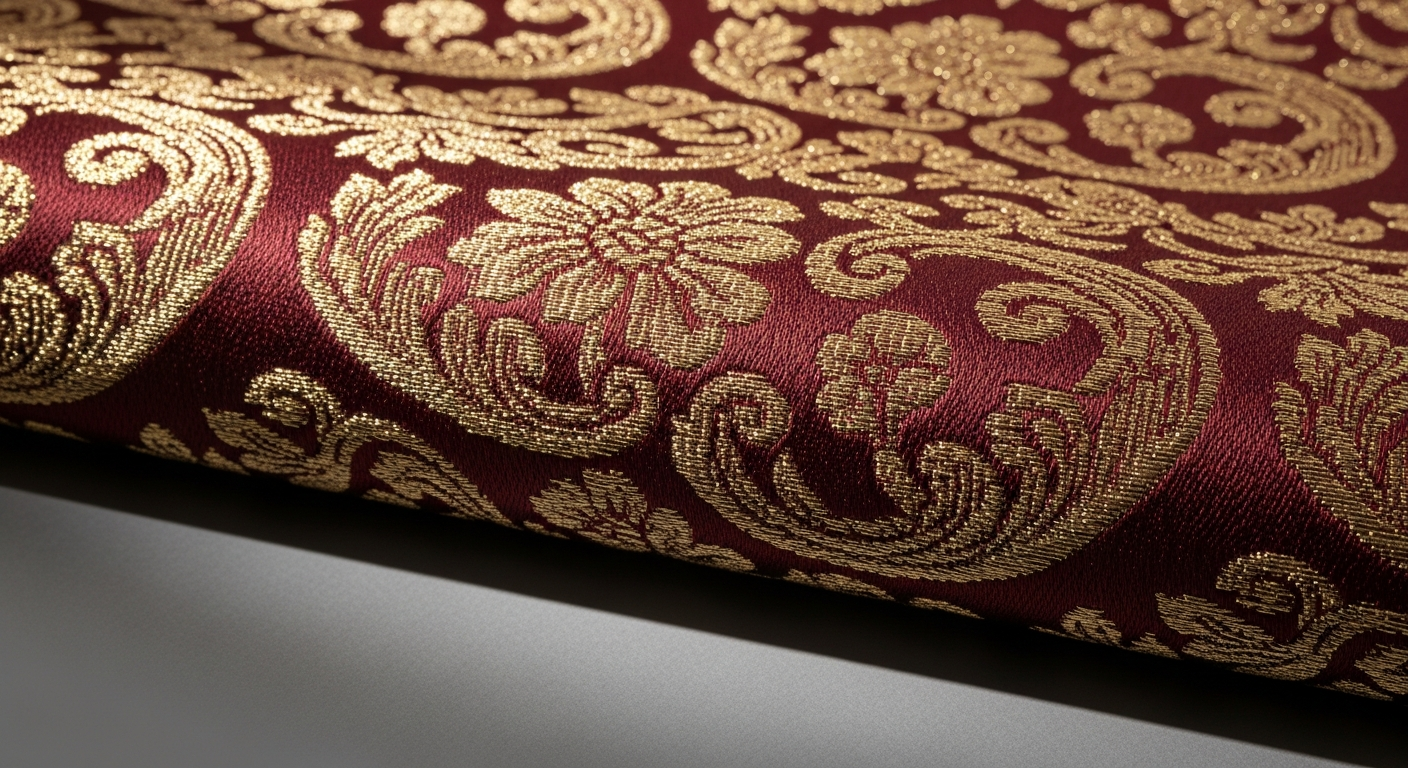
The term refers to both the process and the resulting fabric. It allows for intricate, tone-on-tone or multicolor designs woven into the base cloth. From baroque floral motifs to geometric structures and logo patterns, jacquard combines aesthetics with structural integrity. Modern manufacturing uses it for both visual effect and fabric performance.
What is jacquard fabric made from?
Jacquard can be produced from nearly any yarn type — its uniqueness lies in how it’s woven, not what it’s made of.
Jacquard fabrics can be woven from cotton, polyester, silk, viscose, nylon, or blended yarns — selected based on use, feel, and durability needs.
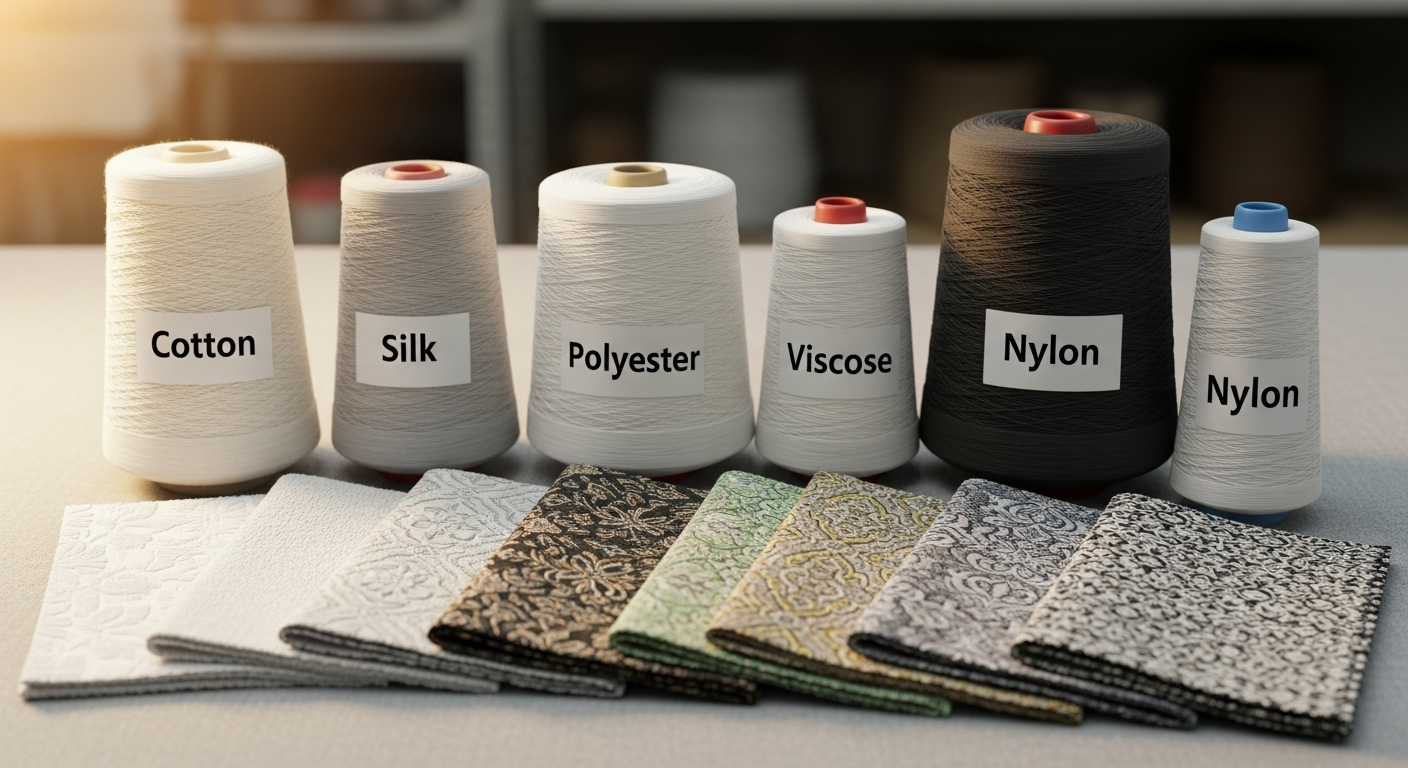
For everyday apparel and activewear, polyester jacquard is popular for its durability and easy care. Cotton and viscose blends offer soft touch and breathability for fashion pieces. Silk jacquards are high-end options used in eveningwear or accessories.
The structure of jacquard makes it more stable and shape-retentive than plain weaves. Fabric weight can vary based on yarn count and weave density — from lightweight overlays to thick upholstery-grade textiles.
| Fiber Type | Typical Use in Jacquard |
|---|---|
| Polyester | Sportswear, linings, jackets |
| Cotton | Casualwear, home textiles |
| Silk | Scarves, formalwear |
| Nylon | Stretch jacquards for activewear |
| Blends | Balances breathability, strength, drape |
How is jacquard fabric produced?
The distinct character of jacquard comes from its unique weaving method using automated looms.
Jacquard fabric is produced on looms that control each warp thread individually, enabling complex woven-in designs without additional printing or embroidery.
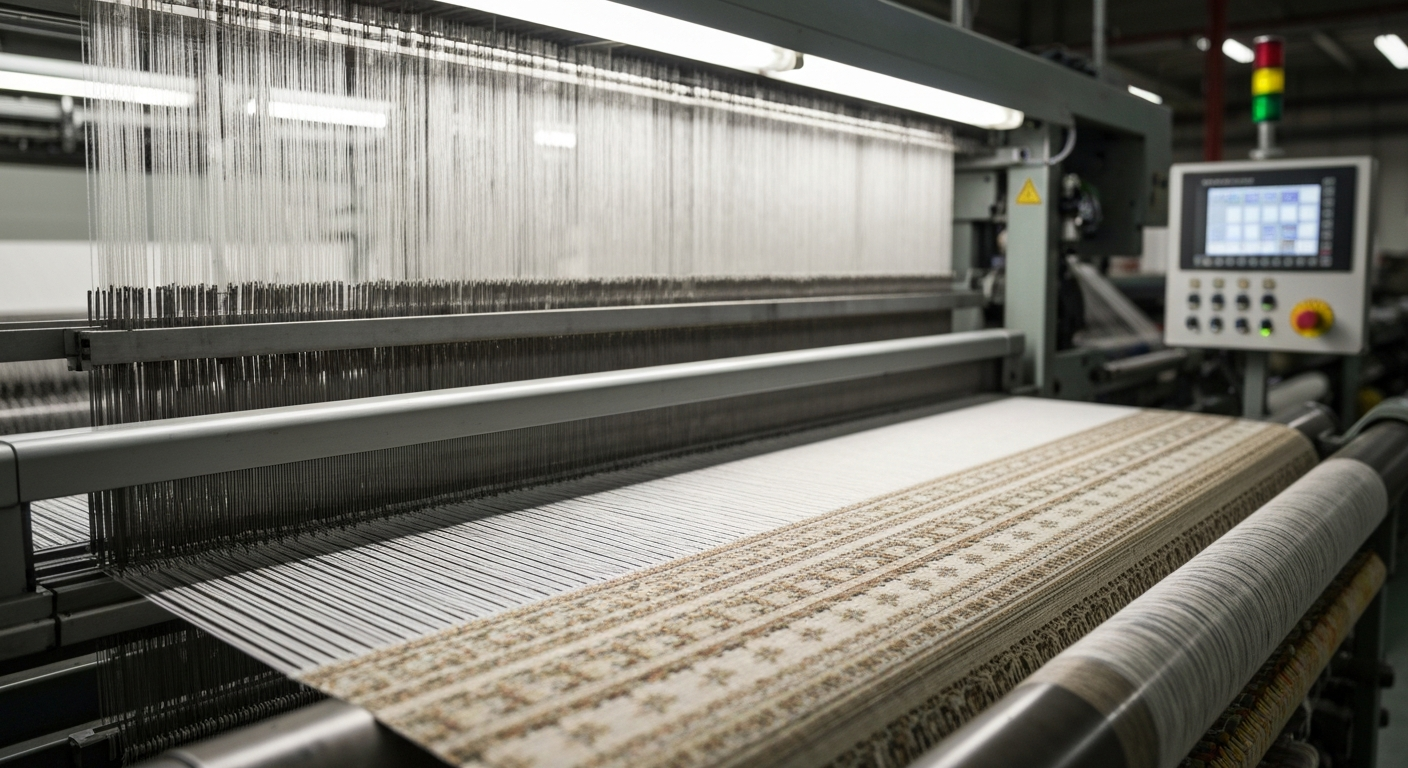
Unlike standard weaves where patterns repeat over a few threads, jacquard allows for long-repeat, multilevel textures. Early machines used punch cards to guide patterns; today’s systems use digital controls.
This allows manufacturers to create highly detailed motifs — brand monograms, abstract art, or sculpted textures — directly into the fabric’s structure. It also means fewer post-processing steps, since the design is intrinsic.
| Weaving System | Function |
|---|---|
| Jacquard Loom | Individual warp thread control |
| Digital Programming | Enables custom motif upload |
| Multi-Yarn Weaving | Allows two-tone or multicolor structures |
What are the key benefits of jacquard fabric?
Jacquard is used not just for looks, but for technical and tactile advantages in premium garments.
Jacquard fabrics are durable, wrinkle-resistant, and visually rich — offering enhanced drape, surface structure, and longevity.
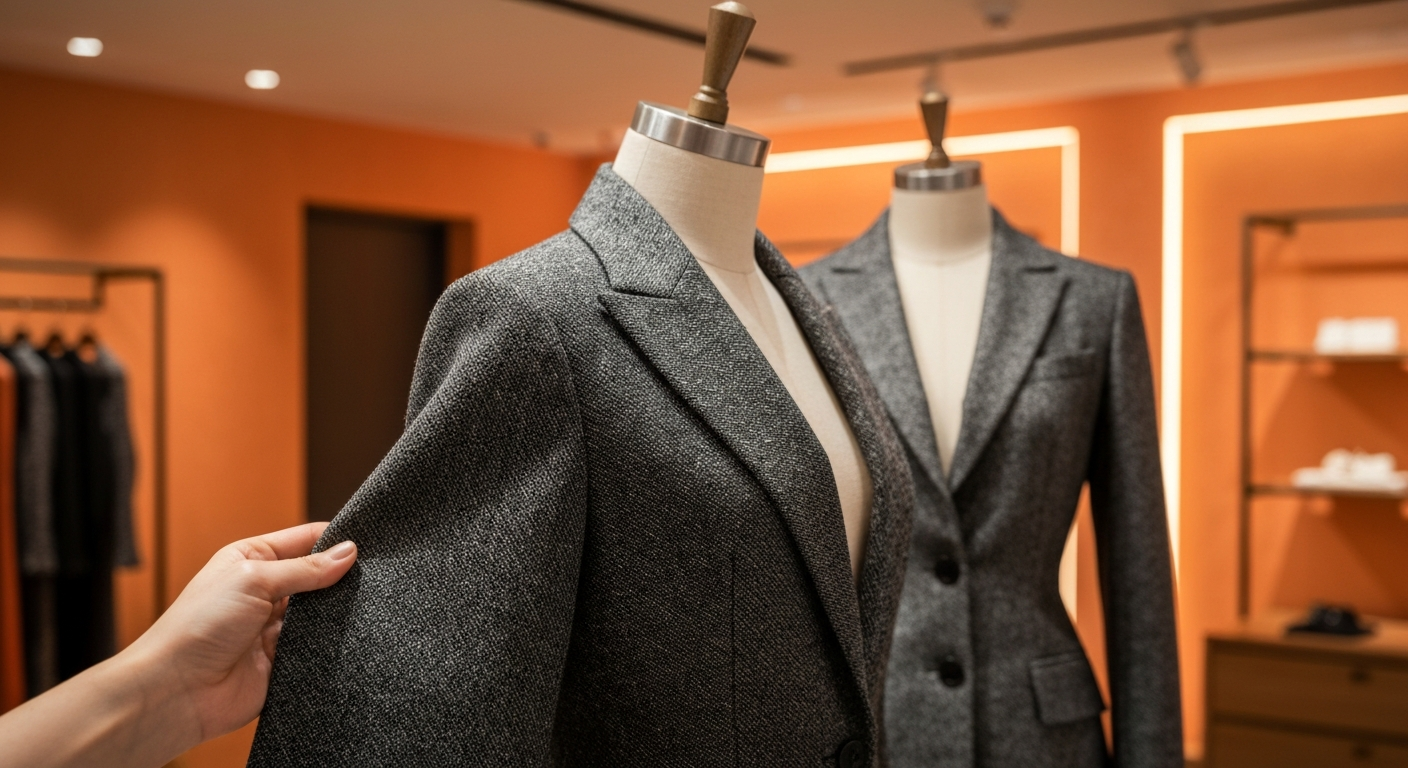
Because the design is part of the weave, it won’t fade or peel like prints. Jacquard holds its shape well, resists wrinkles, and offers excellent dimensional stability. With heavier constructions, it provides warmth and structure; with lighter weaves, it moves with the body.
In apparel, jacquard is often used for outerwear, eveningwear, active tops, or formal accessories. It can appear both subtle and bold depending on color and pattern scale.
| Feature | Benefit in Garment Use |
|---|---|
| Woven-in Design | Fade-proof, no peeling |
| Dimensional Texture | Rich surface appeal |
| Structural Stability | Supports garment shape and fit |
| Wrinkle Resistance | Ideal for formal or travel wear |
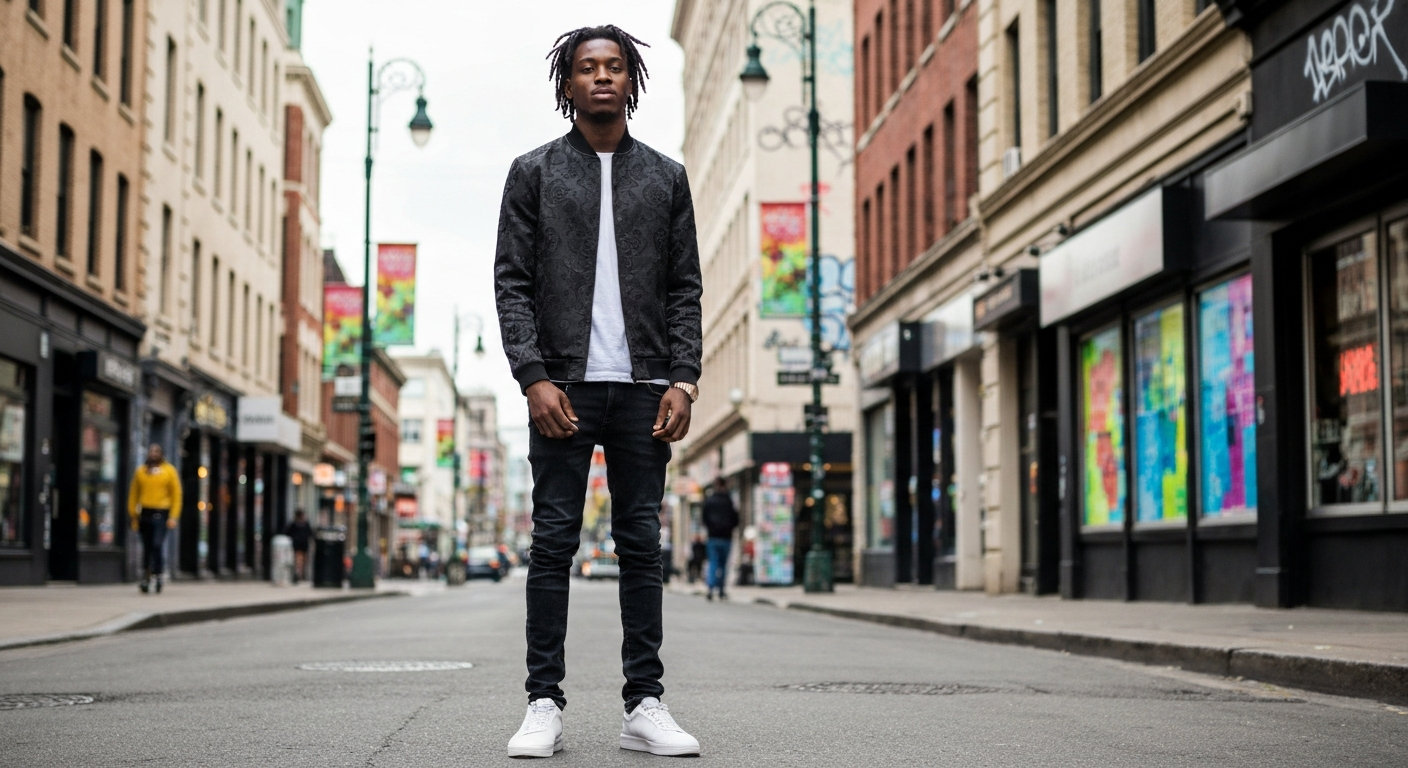
Brands use jacquard to integrate logos into performance tees or leggings, adding detail without extra print layers. Lightweight jacquard knits bring airflow and stretch to activewear, while heavyweight styles are used for bomber jackets or statement sets.
Jacquard trims, waistbands, and side panels offer a tonal or contrast design that doesn’t wash out. It’s also widely used in capsule collections that need distinction through material.
| Application Area | Jacquard Function |
|---|---|
| Sportswear | Textured branding, breathability |
| Formalwear | Rich patterns, fabric structure |
| Outerwear | Sculpted shape, wind resistance |
| Accessories | Bags, belts, and hat panels |
Conclusion
Jacquard fabric is a blend of technology and artistry — combining performance with visual impact. Its woven-in design, structural reliability, and material flexibility make it ideal for modern apparel that needs to stand out and perform. Understanding jacquard helps brands select textiles that add both value and visual depth to their collections.