
Yoga relaxes you. Weight training powers you up. But combining them? That’s where the real transformation begins.
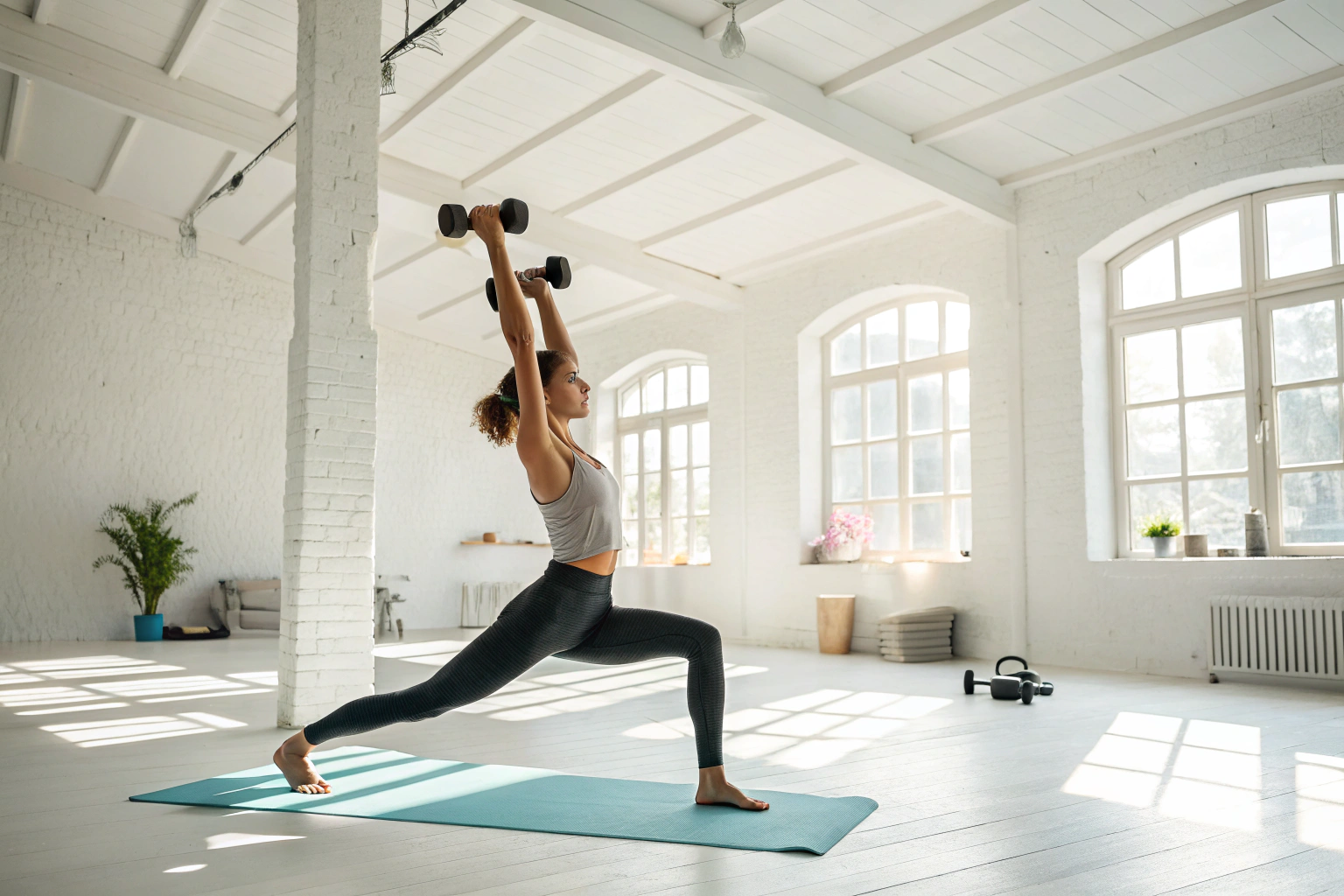
Yes — combining yoga and weight training improves mobility, strength, recovery, and balance. This combo supports safer workouts and creates a more adaptable, resilient body.
Many of our clients now ask for activewear that works both in the gym and on the mat. That tells me something has shifted. Today’s fitness consumers want flexibility and strength — in their routines and their gear. As a manufacturer, we’ve adapted our fabrics and fits to meet that need. We use four-way stretch, moisture-wicking, and breathable fabrics that work for both strength and flow-based movement. This demand for dual-function gear is shaping how we design and produce every piece.
Does yoga improve your strength training results?
Some think stretching slows you down. But smart flexibility might be the reason you lift better and hurt less.
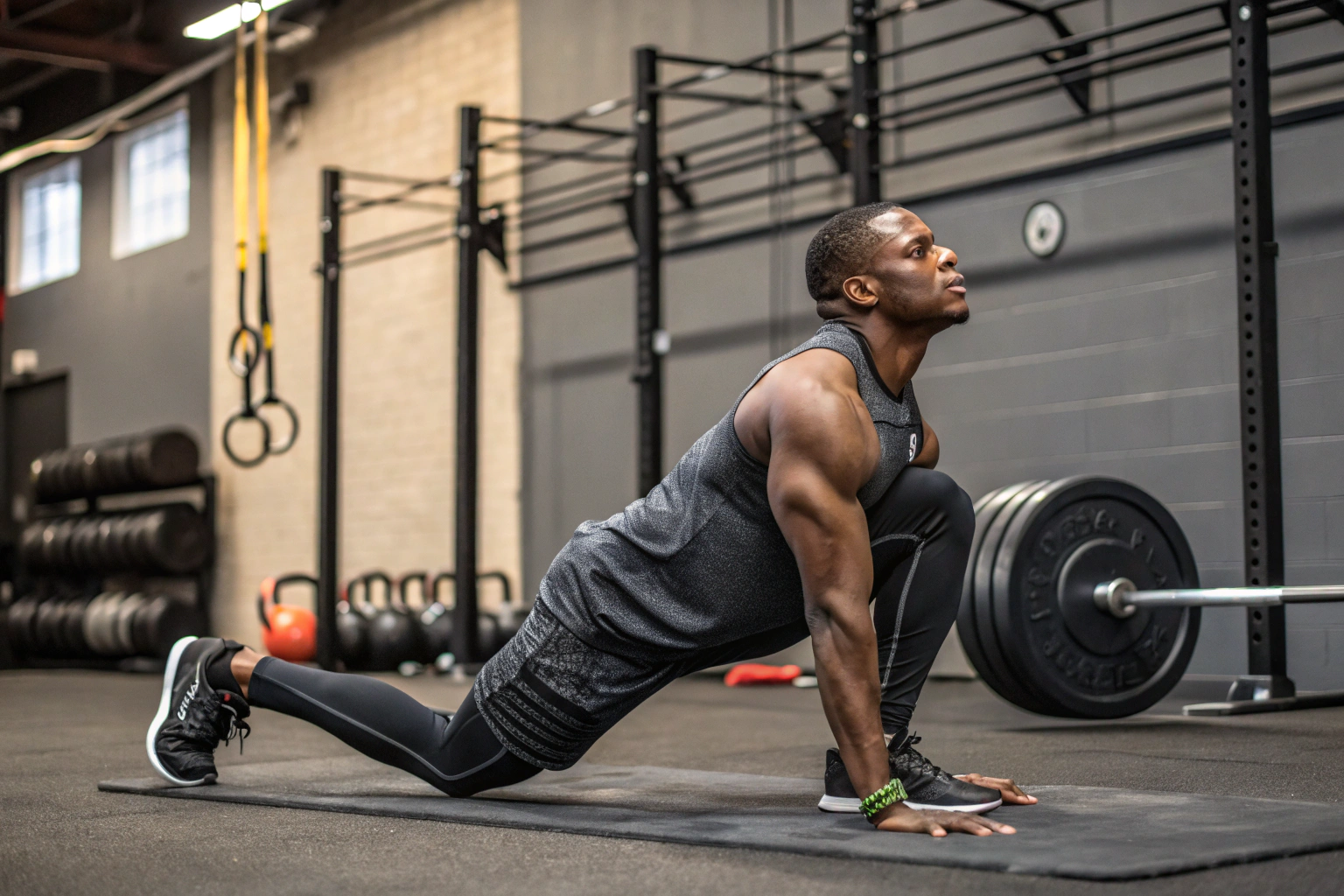
Yoga improves flexibility, mobility, and control — all of which help lifters train smarter and reduce injury.
Tight hips, rigid shoulders, and stiff hamstrings hold lifters back. Yoga helps open those areas, giving muscles more room to move. That means better squats, presses, and pulls. It also builds body awareness — helping you notice poor posture or movement patterns before they become injuries.
Stability work in yoga — like holding warrior poses or balancing in tree — trains smaller muscles that protect joints. This adds depth to a strength program and can even improve lifting performance.
| Yoga Benefit | How It Helps in Weight Training |
|---|---|
| Flexibility | Improves range for compound lifts |
| Stability | Builds joint control and safety |
| Breathwork | Helps manage strain and fatigue |
| Recovery | Reduces soreness and tightness |
Can lifting weights support your yoga practice?
Yoga looks soft from the outside. But holding a plank for a minute? That takes real strength.
Strength training builds core, shoulders, and lower body strength — all of which help in yoga poses and transitions.

When you train your back, shoulders, and core with weights, you’re building a stable foundation for yoga. Poses like crow or side plank become safer and more controlled when supported by strength. Weight training also boosts muscle endurance — which helps during long holds or repeated flows.
Many yogis avoid resistance work fearing bulk. But modern routines focus on functional strength — not size. That complements yoga without changing your range of motion.
| Strength Area | Effect on Yoga |
|---|---|
| Core | Helps balance and transitions |
| Back/Shoulders | Supports arm balances and planks |
| Legs | Improves grounding in standing poses |
| Endurance | Reduces fatigue in long classes |
What’s the best way to combine yoga and lifting?
The magic is in the mix. You don’t need to double your training — just blend smarter.
Alternate yoga and lifting days, or use short yoga flows after strength sessions for recovery and mobility.
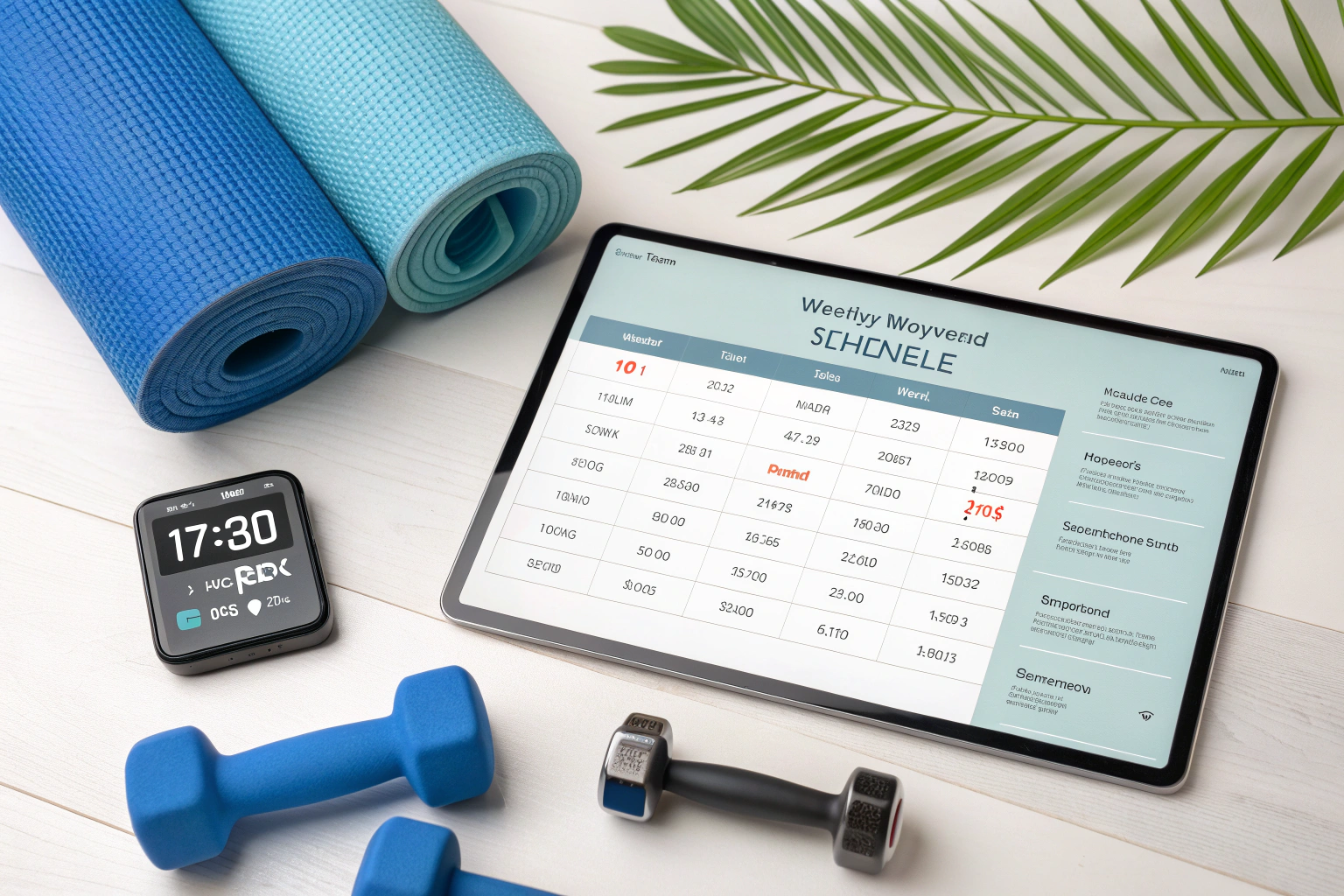
Here’s what works for many of our clients — and for us as apparel manufacturers designing for both:
- Alternate Days: Weight train three days a week, and add yoga on alternate days to stretch and reset.
- Yoga Cooldowns: After a tough lift, a 15-minute flow improves recovery and lowers cortisol.
- Yoga Warm-Ups: Use mobility-focused yoga for joint prep and nervous system activation.
We’ve adjusted our product development to follow these shifts. Our yoga and gym sets now include lightweight, sweat-resistant tops with reinforced seams that perform under barbell load yet stretch with ease on the mat. The demand for dual-use apparel is only growing.
| Day | Activity |
|---|---|
| Monday | Upper Body Weights |
| Tuesday | Power Yoga (Mobility) |
| Wednesday | Lower Body Weights |
| Thursday | Rest or Yin Yoga |
| Friday | Full Body Weights |
| Saturday | Yoga Flow (Flexibility) |
| Sunday | Rest |
Conclusion
Combining yoga and strength isn’t just trendy — it’s practical. It builds strong, mobile, and injury-resistant bodies. For brands like ours, it also means designing gear that performs across both worlds: breathable, stretch-ready, and built for movement. This hybrid fitness style is the future — and we’re already making it wearable in every piece we manufacture.