
Cupro has become a rising star in fashion textiles — soft as silk, plant-based, and eco-conscious. But what exactly is it, and why is it making waves in garment production?
Cupro is a regenerated cellulose fiber made from cotton linter — the fine, silky fibers around cotton seeds. It feels like silk, breathes like cotton, and drapes beautifully.
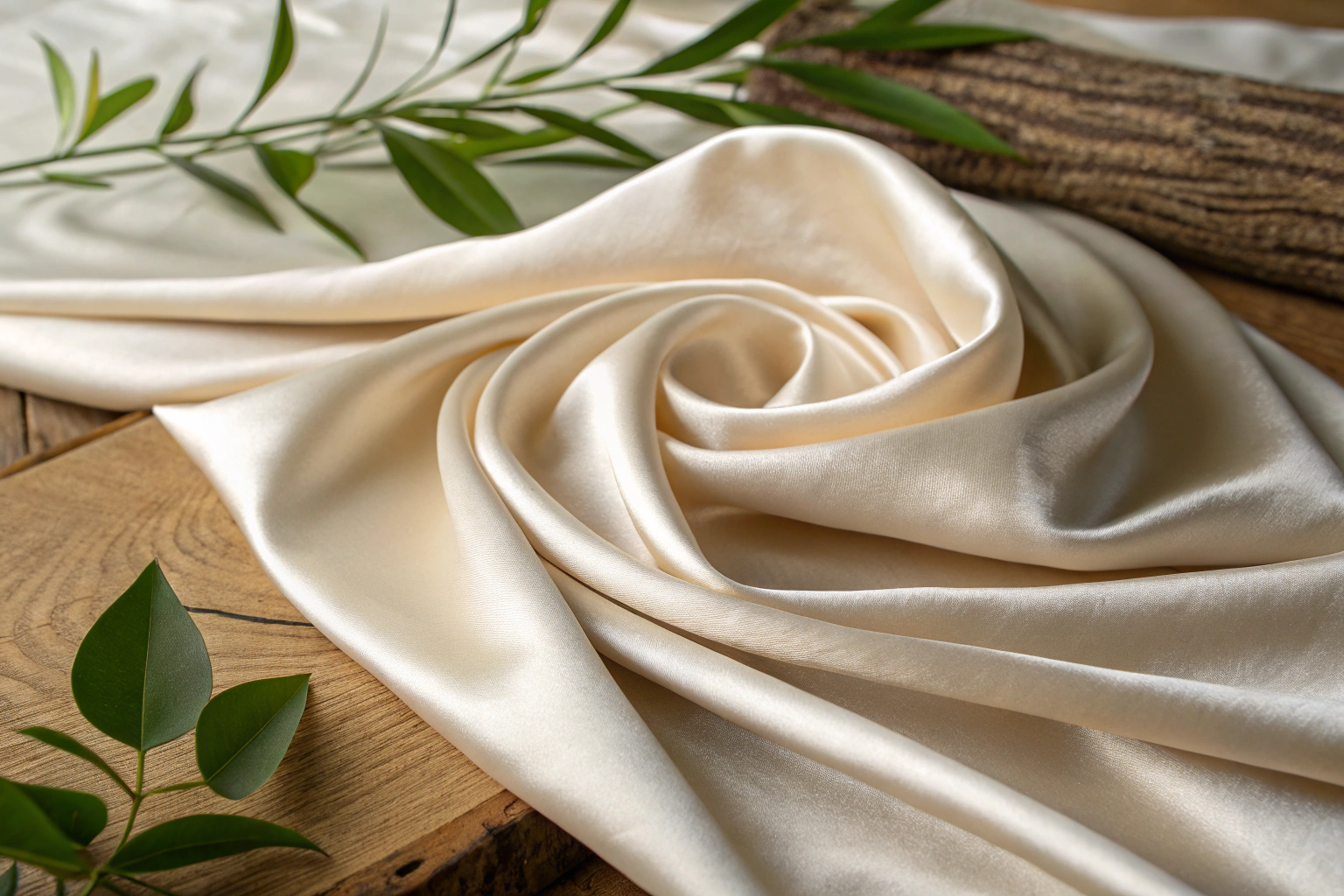
With a smooth hand-feel, fluid drape, and excellent breathability, cupro is increasingly used in dresses, blouses, linings, and elevated activewear. It bridges the gap between natural comfort and technical performance. As sustainability and luxury converge in textile demand, cupro has become a top option for conscious apparel lines.
What is cupro made from?
Cupro is derived from the cotton plant — but it’s not the typical cotton fiber used in T-shirts.
Cupro is made from cotton linter, a byproduct of cottonseed oil production, turning waste into a valuable textile resource.
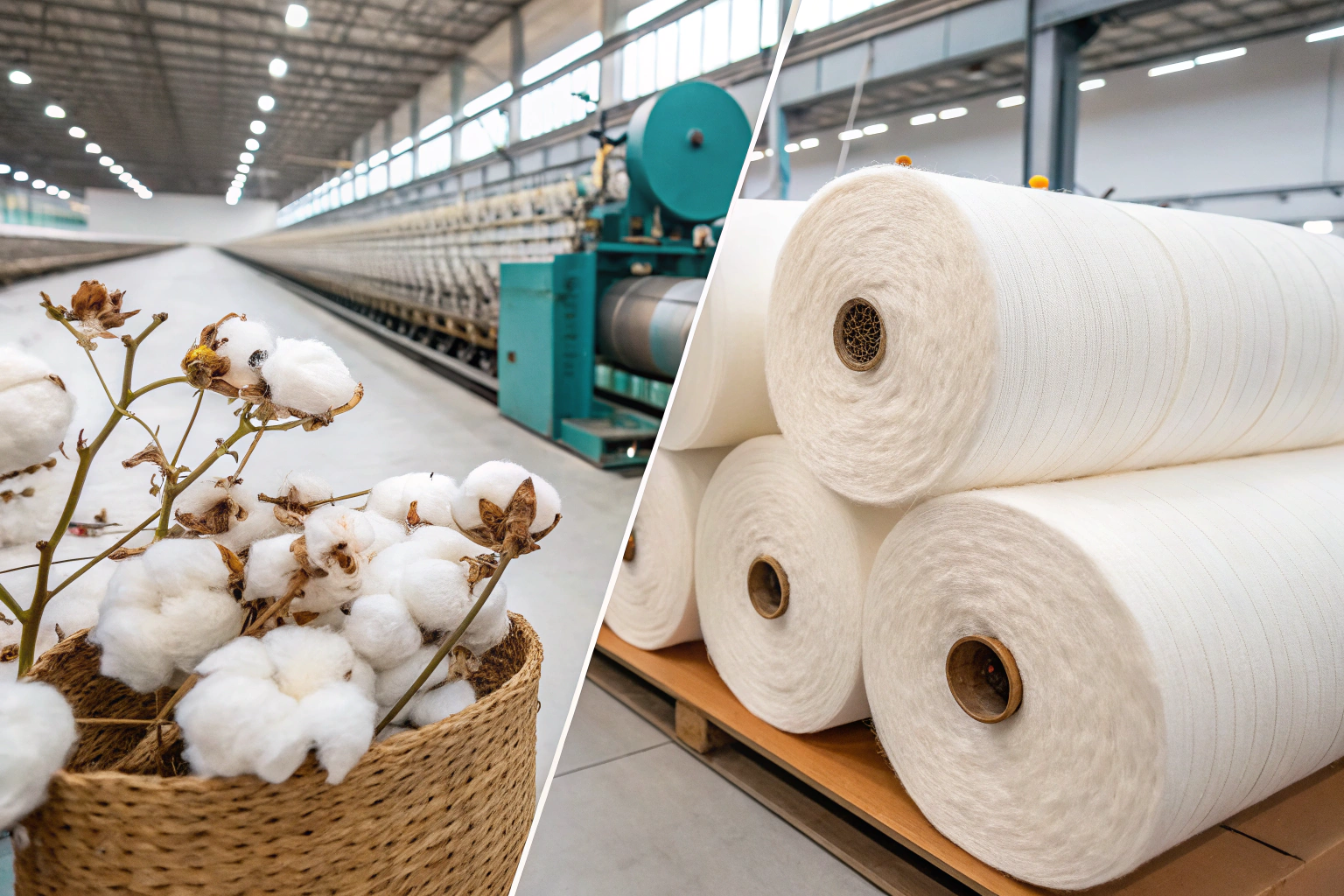
Cotton linter is the short, fine fiber left on cotton seeds after ginning. In cupro production, these fibers are dissolved in a copper-ammonia solution, filtered, then regenerated into long, continuous fibers. The process is similar to how rayon or viscose is made — but cupro uses a closed-loop system where the solvents are captured and reused.
This process makes cupro both resource-efficient and low-impact. Since it comes from a byproduct, it also avoids competing with food crops or virgin fiber demand.
| Source Material | Cotton Linter (waste fiber) |
|---|---|
| Fiber Type | Regenerated Cellulose |
| Production System | Closed-loop copper-ammonia process |
| Eco Advantage | Utilizes cotton waste, low resource use |
What are the key features of cupro fabric?
Cupro feels luxurious but functions with practicality — blending comfort, elegance, and performance.
Cupro is breathable, soft, anti-static, biodegradable, and drapes like silk. It absorbs dye well and resists pilling.
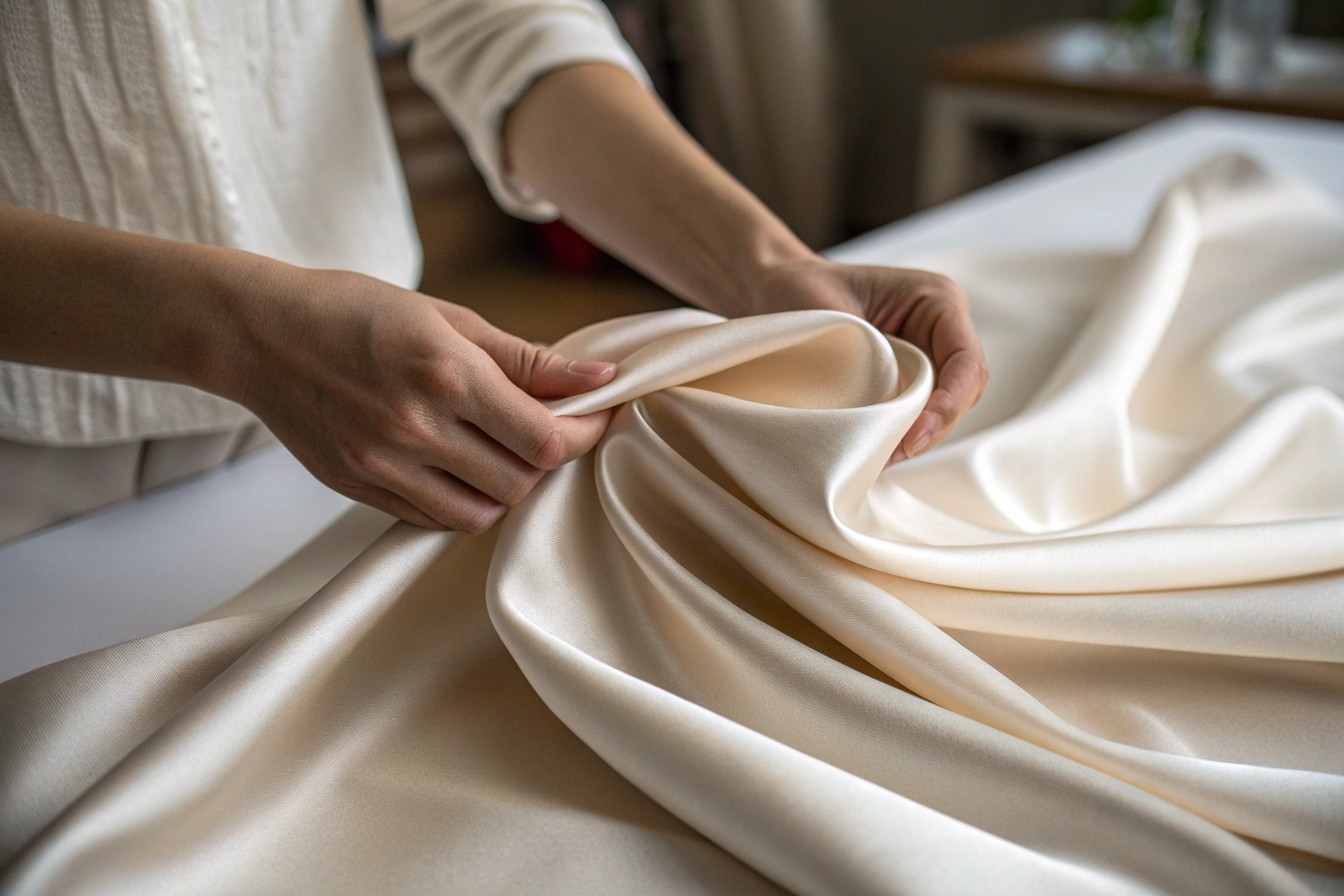
This fiber is often called “vegan silk” because of its smooth touch and flow. Unlike synthetic silk alternatives, cupro allows airflow and doesn’t cling to the skin. It stays cool in hot climates and can be layered easily.
The fabric is hypoallergenic, making it suitable for sensitive skin. Its ability to hold rich, deep colors gives it an edge in high-end fashion lines. It also resists static — a key benefit in transitional seasons.
| Property | Performance Benefit |
|---|---|
| Feel | Silky smooth, breathable |
| Drape | Excellent fluidity and flow |
| Moisture Behavior | Absorbent, sweat-wicking |
| Static Resistance | Low cling, wearable comfort |
| Dye Reception | Deep, even color absorption |
| Biodegradability | Breaks down naturally over time |
How does cupro compare to other fabrics?
In both aesthetics and function, cupro competes with silk, rayon, and modal — but offers a unique blend of their advantages.
Compared to silk, cupro is more affordable and machine-washable. Compared to viscose, it is smoother and less polluting.
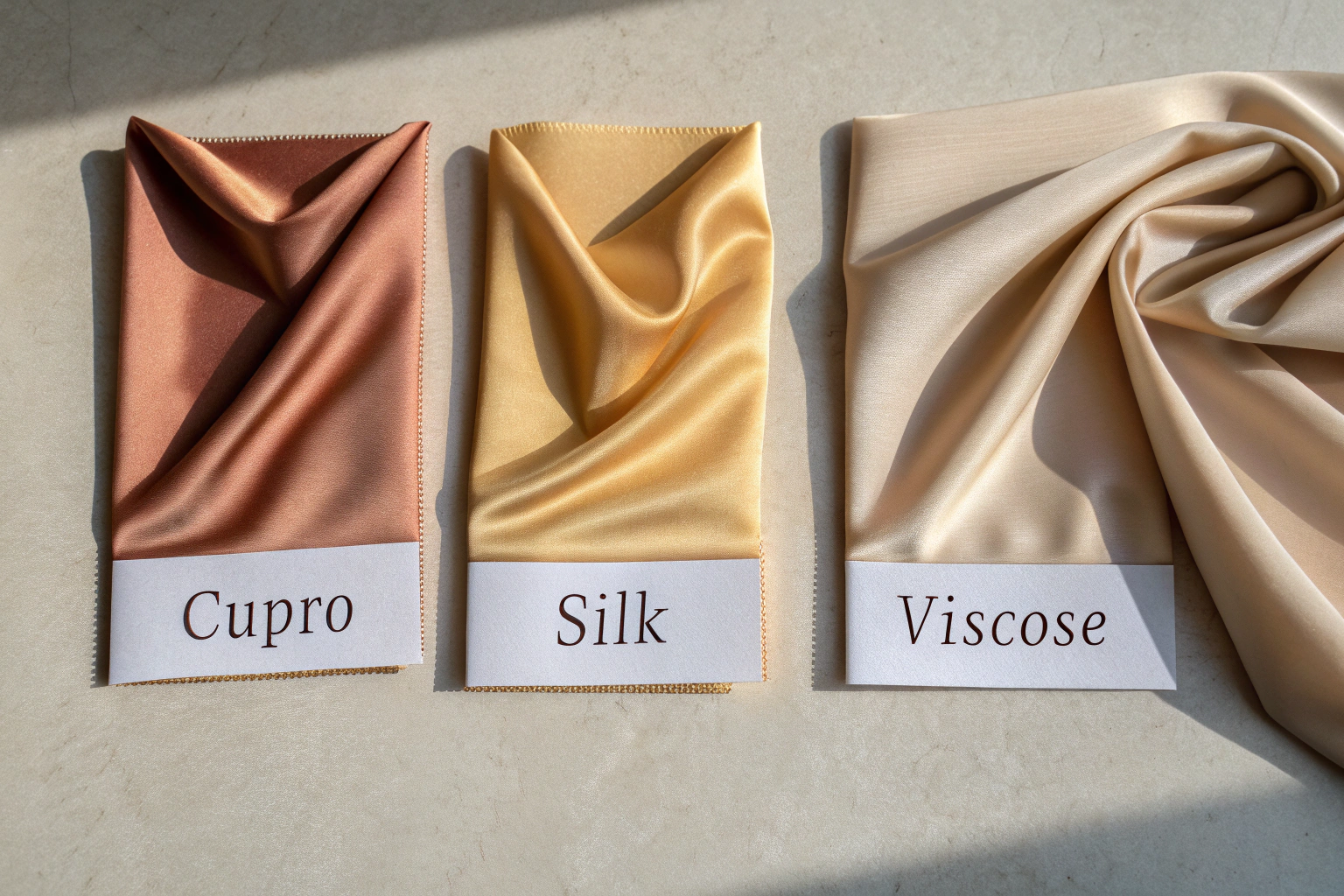
Cupro’s closed-loop system makes it more eco-friendly than traditional viscose or rayon, which use harsh chemicals and open-loop production. Its cotton origin gives it a natural base, unlike polyester or nylon.
In terms of price, it sits between synthetic fabrics and natural luxury fibers. It’s increasingly seen in fashion-forward, sustainable collections that want a soft, high-quality feel without the ethical or environmental costs of silk.
| Fabric | Comparison with Cupro |
|---|---|
| Silk | Cupro is vegan, easier to maintain |
| Rayon | Cupro is cleaner to produce |
| Polyester | Cupro is more breathable and biodegradable |
| Cotton | Cupro drapes better, cooler in summer |
What types of garments use cupro?
Cupro has expanded beyond linings — now found in everything from dresses to modern loungewear.
Cupro is commonly used in dresses, skirts, blouses, linings, loungewear, and relaxed-fit tailored pieces.
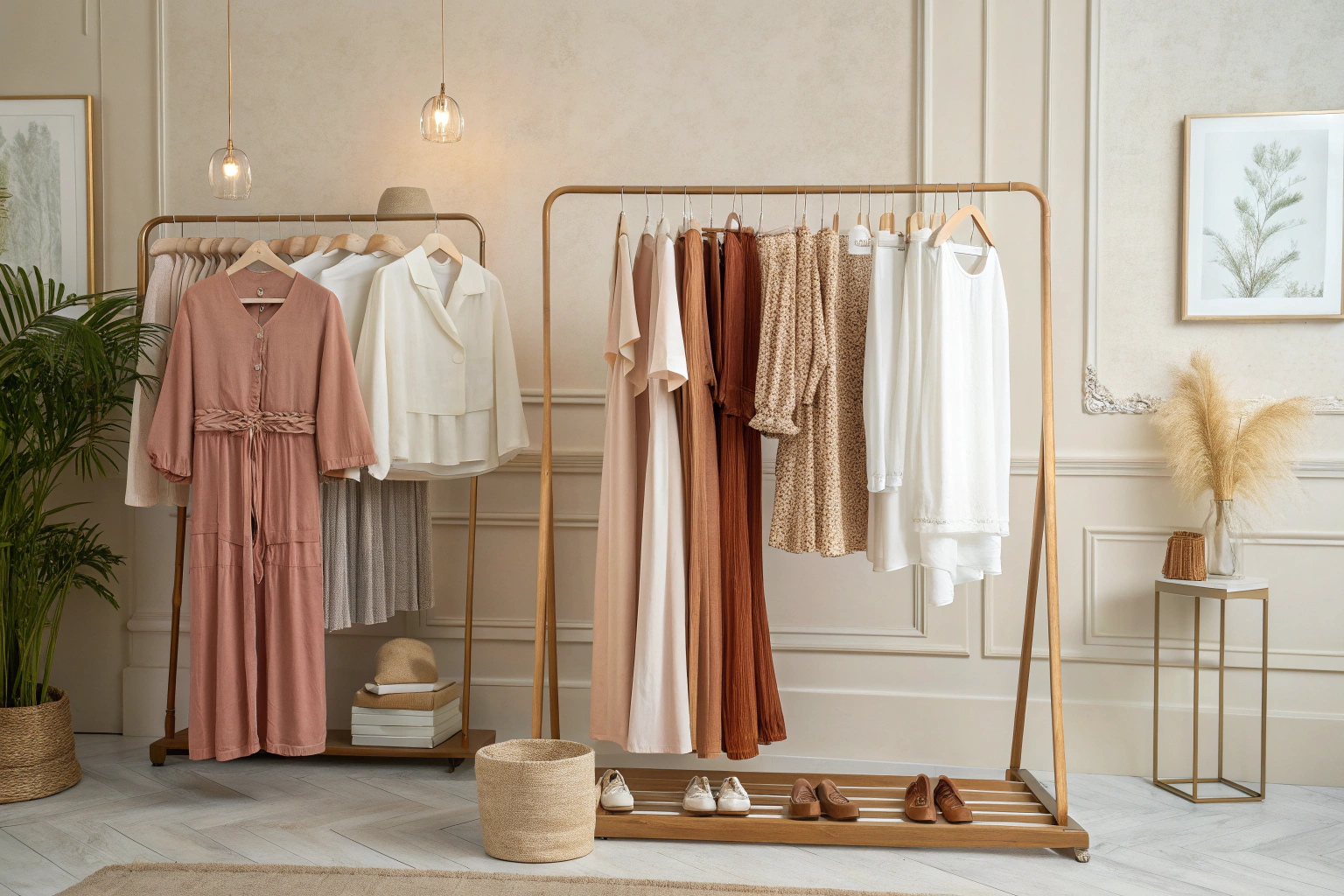
Its fluid movement makes it ideal for A-line or wrap dresses, wide-leg pants, and pleated skirts. In warm-weather clothing, cupro provides airflow and style without sacrificing comfort. It’s also used as an inner layer in activewear for moisture control.
Garment designers often pair cupro with linen or Tencel to balance structure with softness. It accepts digital prints and natural dyes well, supporting low-impact production runs.
| Garment Type | Why Cupro Works |
|---|---|
| Blouses/Shirts | Drapes well, feels cool and soft |
| Dresses/Skirts | Flowy and feminine, holds dye well |
| Loungewear | Skin-friendly, breathable |
| Linings | Anti-static, smooth against the skin |
Conclusion
Cupro is a modern textile solution that aligns sustainability with luxury. Its unique origin, advanced processing, and balanced performance make it ideal for fashion lines prioritizing eco-awareness and garment quality. As apparel markets evolve, cupro provides a responsible alternative to silk — with the comfort of cotton and the elegance of premium fiber.