
What Is Fabric Pilling And How To Prevent It?
Your new hoodie looks perfect—until little fuzz balls start to show. That’s fabric pilling, and it can ruin the look and feel of your favorite clothes.
Fabric pilling happens when loose fibers on the surface of fabric rub together, forming tiny balls. You can prevent it by using quality fabrics, washing gently, and avoiding high heat.
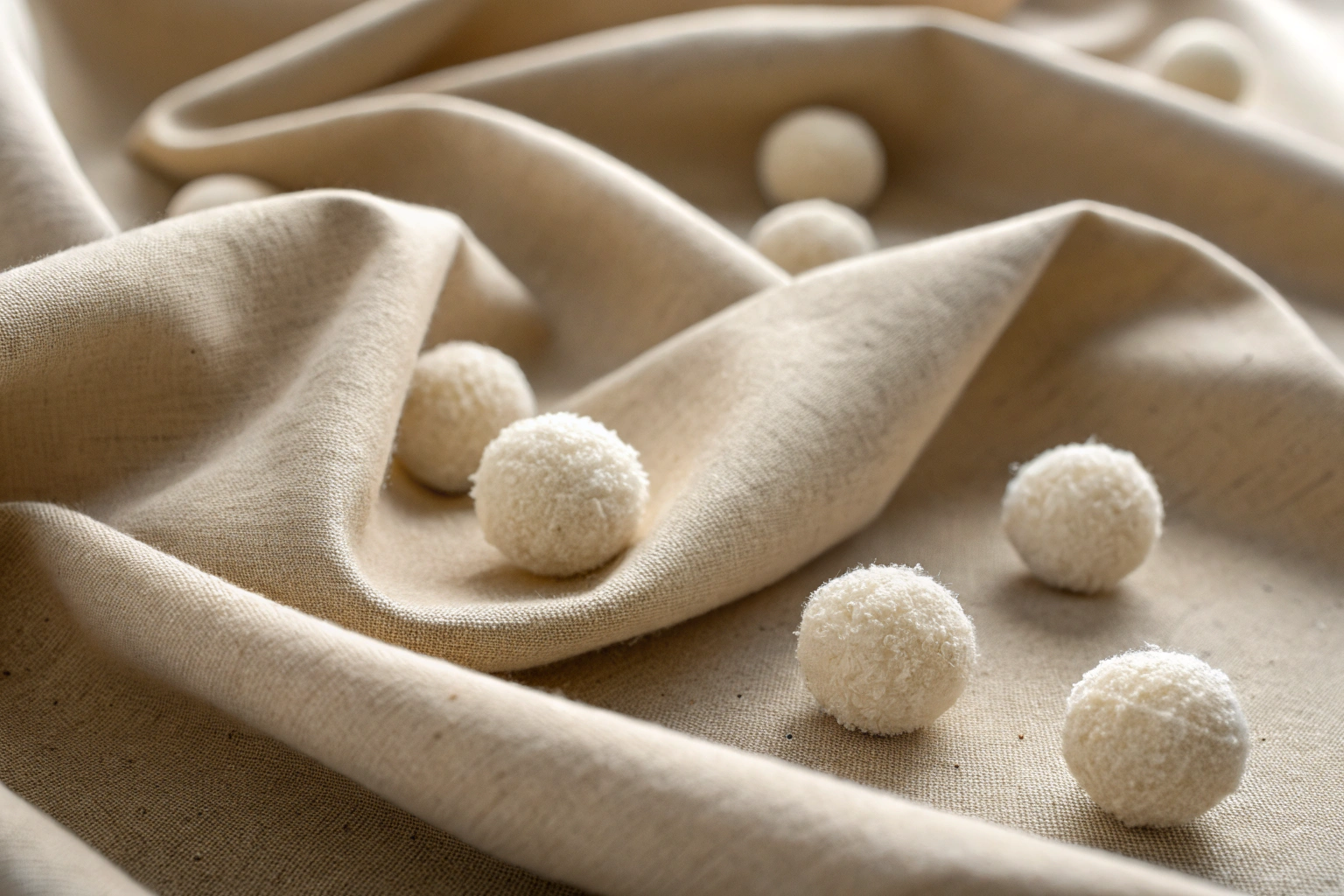
I’ve seen pilling cause customer complaints, especially on leggings and loungewear. But with the right materials and care instructions, you can reduce it significantly. Let’s break it down.
What Causes Fabric Pilling?
Friction is the main reason clothes pill.
Pilling happens when fabric rubs against skin, bags, or other fabric. This loosens short fibers that tangle into small balls on the surface.
Common hotspots are under the arms, between the thighs, and wherever a strap rests. These areas get constant friction. I always test samples by simulating wear and washing—some fibers just hold better than others.
Common pilling zones:
| Area | Cause |
|---|---|
| Inner thighs | Walking friction |
| Underarms | Arm movement |
| Shoulder/chest | Bag straps |
| Cuffs and seams | Frequent contact and wash stress |
Which Fabrics Are More Likely To Pill?
Some fabrics are built to last—others are not.
Low-twist yarns, synthetic blends, and short-staple fibers tend to pill more. Tighter weaves and longer fibers reduce pilling risk.
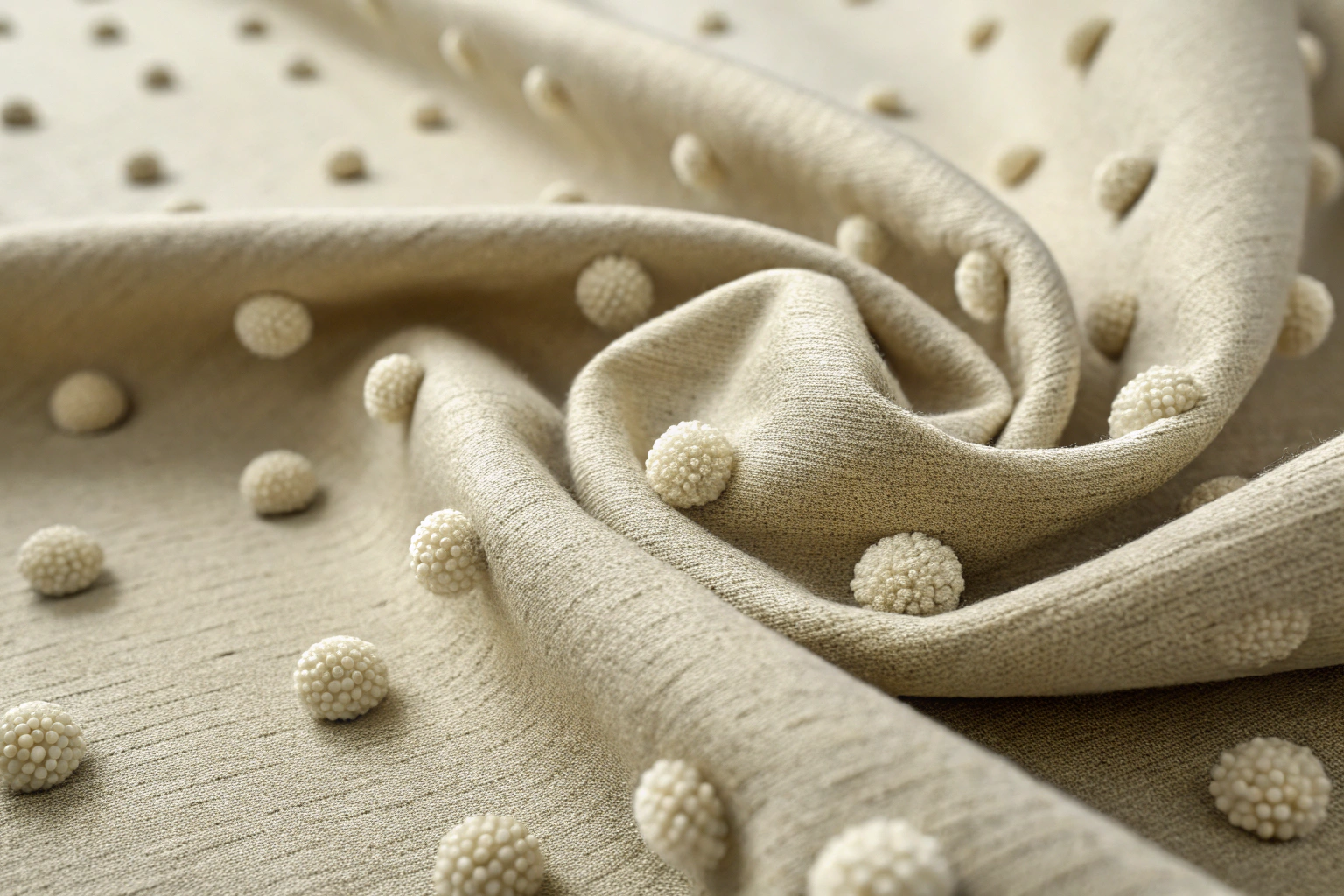
I avoid cheap polyester blends in activewear for this reason. Nylon-spandex blends and combed cotton usually perform better. Testing is key. Ask for swatch samples and run a hand test or mini wash test.
Fabric pilling risk chart:
| Fabric Type | Pilling Risk | Notes |
|---|---|---|
| Polyester blends | High | Inexpensive, short fibers |
| Wool (low twist) | Medium–High | Warm but pills if loosely spun |
| Nylon-Spandex | Low | Great for activewear |
| Combed Cotton | Low | Long fibers reduce shedding |
| Acrylic | Very High | Pills quickly with wear |
How Can You Prevent Fabric Pilling?
You can’t stop it 100%—but you can reduce it.
Prevent pilling by choosing better fabrics, washing inside out, using cold water, and skipping the dryer.
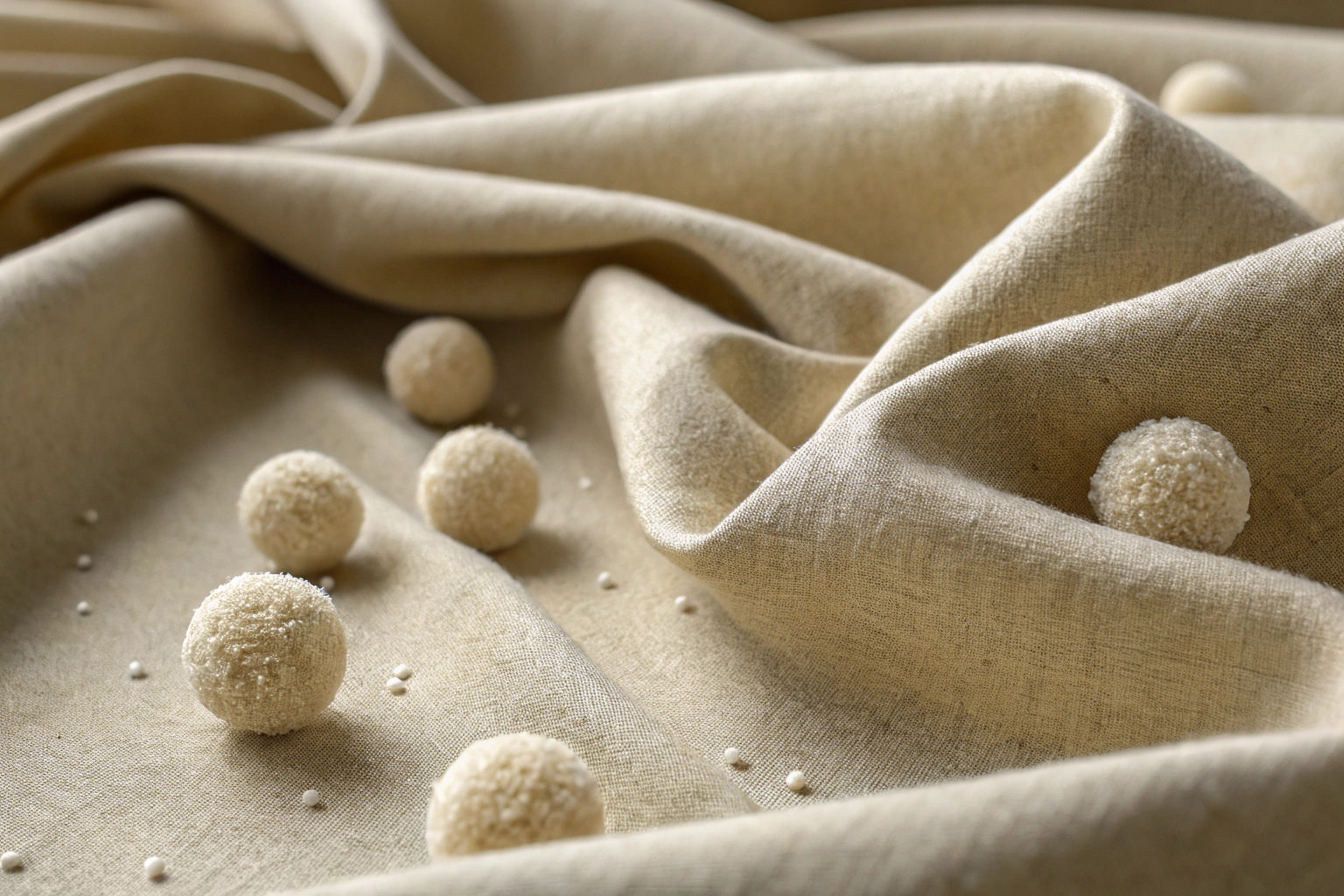
When I produce hoodies or leggings, I specify anti-pilling yarns or blends. Then I list care instructions clearly: cold wash, gentle cycle, no heat dry. It makes a big difference in product lifespan.
Prevention checklist:
| Action | Why It Helps |
|---|---|
| Turn garments inside out | Reduces direct friction |
| Use gentle detergent | Lowers abrasion in the wash |
| Wash cold | Less fiber damage |
| Air dry when possible | Avoids dryer agitation |
| Use fabric softener | Coats fibers to reduce rub |
Yes—but treat it carefully.
Use a fabric shaver or lint remover to gently remove pills. Avoid scissors or rough razors—they can damage the fabric.
I always keep a handheld fabric shaver in the studio. It makes samples look clean again for photos. Just don’t overdo it—shaving too often wears the fabric down faster.
Pilling removal tools:
| Tool | Best For |
|---|---|
| Fabric shaver | Sweaters, hoodies, leggings |
| Lint comb | Wool and natural fibers |
| Disposable razor | Light pilling on smooth knits |
Conclusion
Fabric pilling is common—but manageable. With smart fabric choices and proper care, you can keep your clothes looking clean, smooth, and wearable longer.