
The Origins and Ongoing Debate of Yoga Pants vs. Leggings
n recent years, the appropriate uses and stylistic distinctions between yoga pants and leggings have sparked considerable debate. However, a deeper examination of the origins of each garment reveals that their original design purposes are fundamentally different.
Understanding Yoga Pants and Leggings
Yoga pants are specifically designed for yoga and athletic activities. Crafted from elastic, form-fitting materials, they allow wearers the freedom to move fluidly while comfortably maintaining yoga postures and engaging in exercise. In contrast, leggings have traditionally served as casual wear, primarily for warmth and coverage.
The late 20th century witnessed the rise of athleisure fashion, which blurred the lines between yoga pants and leggings. As more individuals began adopting athletic apparel as everyday clothing, leggings started to incorporate high-performance fabrics similar to those used in yoga pants. The growing popularity of yoga further fueled the trend of wearing yoga pants as daily attire, contributing to a culture that values both comfort and style.
This blending of athletic and casual wear has given rise to discussions regarding the appropriate settings for yoga pants and leggings. While some argue that both can be interchangeably worn as sportswear, others contend that leggings may still appear too casual for many public environments. Certain schools and workplaces have even implemented policies restricting or prohibiting leggings as outerwear, while others celebrate them as a perfect solution for those seeking comfort without sacrificing style.
Despite the ongoing debate, the athleisure trend shows no signs of waning. The global annual revenue from yoga pants alone has surpassed $48 billion. With the inclusion of joggers and leggings, the boundaries between lifestyle and activewear continue to blur. Ultimately, both yoga pants and leggings offer comfort and flexibility. Understanding their origins and intended uses provides valuable context for making informed choices in modern fashion.
Additional Considerations
- Fabric Technology: Modern yoga pants often incorporate advanced fabric technologies that enhance moisture-wicking properties, breathability, and durability, making them suitable for high-intensity workouts.
- Cultural Impact: The acceptance of yoga pants and leggings in various settings reflects broader societal shifts toward prioritizing comfort and practicality in fashion, challenging traditional notions of dress codes.
- Personal Preference: Individual comfort and body type play crucial roles in determining the best fit and style for each person. Trying on various designs can help find the ideal balance between function and aesthetic.
- Sustainability: As awareness of environmental issues grows, many brands are now offering sustainable options made from recycled materials, appealing to environmentally-conscious consumers.
By delving into the intricate dynamics between yoga pants and leggings, consumers can navigate their choices with a more informed perspective, balancing style, comfort, and practicality in their everyday wardrobes.
Understanding Yoga Pants: Definition and Characteristics
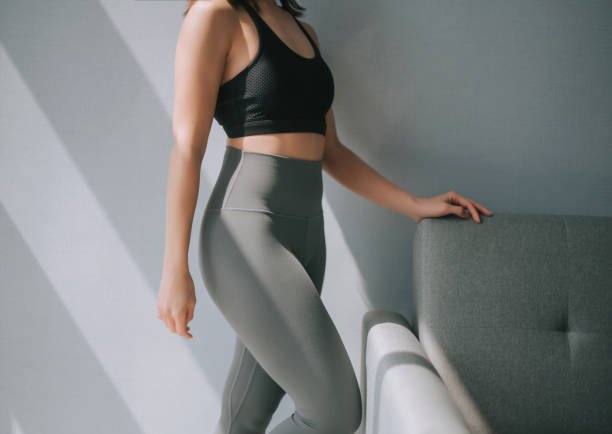
Yoga pants are specially designed leggings intended for yoga and other fitness activities, focusing on providing maximum comfort and functionality. These pants are typically made from high-elasticity materials such as nylon, polyester, or spandex, allowing wearers to move freely, bend, twist, and hold various yoga poses.
Design and Functionality
The design of yoga pants emphasizes not only aesthetics but also practicality. Here are their main characteristics:
- Fabric Performance: Yoga pants are crafted from breathable and moisture-wicking materials that effectively pull sweat away from the body, keeping the wearer dry. This functionality is especially important during high-intensity yoga practices.
- Fitted Design: The snug waistband design ensures that the pants stay in place during movement, providing comfort and focus. Many yoga pants use double-knit fabric, making them thicker and more opaque, thus avoiding issues with transparency common in thinner materials.
- Compression Technology: Some yoga pants feature a compression design that offers a tight fit, supporting the muscles and reducing discomfort during workouts.
Styles and Diversity
Yoga pants come in various styles to meet different user needs and preferences, commonly including:
- Short Yoga Pants: Typically ending above the ankles, these are ideal for warm weather or high-intensity training.
- Full-Length Yoga Pants: Extending to the feet, providing additional warmth for colder conditions.
- Bell-Bottom Yoga Pants: Featuring flared hems, these add a stylish element, suitable for everyday wear.
- High-Waisted Yoga Pants: Designed to sit above the navel, offering extra abdominal support and coverage.
- Capri Pants: Ending below the knees, these are perfect for those who prefer more coverage.
From Athletic Wear to Casual Style
In recent years, yoga pants have evolved into athleisure wear, with many individuals wearing them outside of the gym in social settings. However, it’s essential to note that yoga pants were initially designed by yoga practitioners to focus on performance and comfort, ensuring optimal support and coverage during challenging poses and exercises.
Understanding the definition, design characteristics, and evolution of yoga pants can help consumers select suitable athletic apparel while deepening their appreciation for their role in both fitness and everyday life. Choosing the right yoga pants for individual needs will enhance the comfort and effectiveness of every practice session.
Different Types of Yoga Pants and Their Features
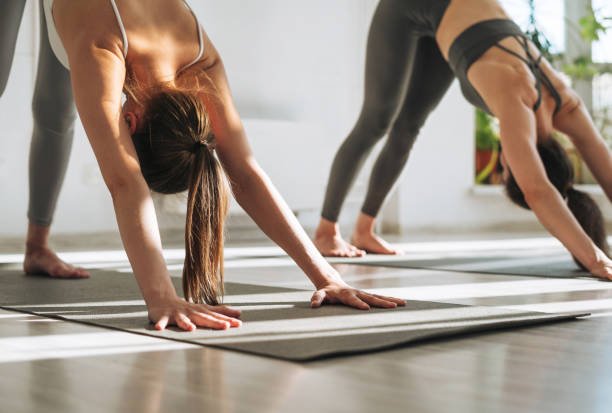
Yoga pants have become an essential part of fitness and casual wear, with various styles available to meet diverse needs and preferences. Here are some common types of yoga pants and their characteristics:
1. Bell Bottom Yoga Pants
Bell bottom yoga pants are fitted at the thighs and gradually flare out at the ankles, creating a stylish silhouette. This design offers more space around the calves and ankles, making them suitable for seated poses like cross-legged positions. The flared hem also helps elongate the legs, adding elegance. Typically made from stretchy fabrics, bell bottom pants allow for unrestricted movement, ideal for various yoga styles.
2. Capri Yoga Pants
Capri yoga pants fall below the knee, providing more coverage than shorts while keeping you cool. They are perfect for warmer environments, allowing for airflow while maintaining style. The calf-length cut provides a flattering profile and good freedom of movement, making them suitable for warm yoga sessions and outdoor practice.
3. 7/8 Yoga Pants
7/8 yoga pants sit above the ankle, typically reaching mid-calf. This length exposes the ankles and calves, making them ideal for hot yoga or Bikram classes, as they help regulate body temperature. The stretchy, high-performance fabric allows for full range of motion, making them perfect for poses that require flexibility.
4. High-Waisted Yoga Pants
High-waisted yoga pants extend above the navel, offering additional support and coverage. This design helps stabilize the abdominal area, giving wearers confidence during inversions or high-intensity movements. High-waisted pants often feature wide waistbands for enhanced comfort and a secure fit.
5. Athleisure Yoga Pants
With the rise of yoga culture, many yoga pants have evolved into athleisure wear, suitable for everyday use. These pants blend style and functionality, making them perfect for social occasions outside the gym while maintaining comfort. Athleisure yoga pants often come in trendy designs and patterns, allowing for self-expression.
Choosing the right yoga pants can enhance your performance and boost your confidence and comfort during practice. Understanding the features of different types of yoga pants can help you make an informed decision and find the perfect activewear that suits your personal style and needs.
What Are Leggings?
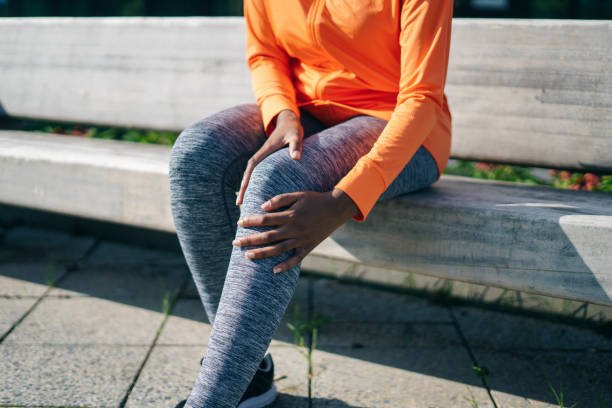
Leggings are a type of tight-fitting pants that are designed to closely contour the body from the waist down to the ankles. Typically made from stretchy materials like spandex, nylon, or polyester, leggings are worn for various activities, including casual outings and athletic pursuits. Originally, leggings were primarily used as thermal undergarments or base layers for warmth, often worn under dresses or skirts. However, they have evolved into a staple in both casual wear and activewear, used for a wide range of occasions.
The elasticity of leggings allows them to conform closely to the body’s shape. This flexibility makes them ideal for pairing with longer tops or fitted outerwear during workouts. Popular athletic leggings are often crafted from moisture-wicking high-performance fabrics, such as nylon, Lycra, and cotton blends. This moisture management helps keep the wearer comfortable and dry during intense physical activities.
The Difference Between Yoga Pants and Leggings
In the realm of casual wear, cotton leggings or blends of polyester and spandex are common choices. These fabrics provide excellent stretch and comfort, making them suitable for leisure activities or running errands. Leggings typically come in mid-rise or high-rise styles, ensuring they stay securely in place. Many styles are opaque, allowing them to be worn independently.
Initially, leggings were available mainly in basic colors like black, gray, and navy blue. Today, however, the market is filled with various prints and patterns, adding a stylish flair to leggings. Some feature mesh panels, faux leather accents, or other decorative elements, while denim leggings mimic the appearance of traditional jeans with stylized stitching and pockets. Ultimately, leggings offer versatility, allowing for smooth transitions from the gym to the street.
Different Types of Leggings
The diverse designs of leggings cater to various activities and styles. Here are some common types:
1. Athletic Leggings
Athletic leggings are specifically designed for high-intensity workouts. They are often made from high-performance materials like nylon, polyester, and spandex blends, featuring moisture-wicking properties. These leggings provide compression support to enhance muscle stability during exercise. Typically equipped with adjustable elastic waistbands, they also incorporate stylish stitching for added flair. Popular athletic options include yoga leggings, running leggings, cycling leggings, and studio leggings.
2. Fashion Leggings
Fashion leggings prioritize style over functionality. They come in a range of prints, patterns, and textured fabrics, such as faux leather or suede. Many fashion leggings are designed to mimic the look of jeans, complete with front seams and back pocket details. They can be casually paired with longer tops or dressed up with dresses and skirts, providing a chic, trendy appearance. Fashion leggings generally utilize more cotton blends rather than specialized performance fabrics.
3. Shaping Leggings
Shaping leggings are designed to compress targeted areas for a streamlined silhouette. Typically high-waisted, these leggings help reduce the appearance of excess weight around the waist and abdomen. Added tummy control panels assist in smoothing problematic areas. Shaping leggings sculpt the hips and backside, creating a toned, fit look beneath clothing.
Understanding the various types and features of leggings can help consumers select the right attire for different activities and styles, enhancing both comfort and confidence. When choosing leggings, it’s important to consider not only the latest trends but also the functionality of the materials to ensure an optimal fit for all occasions.
Material Composition and Design Comparison of Yoga Pants and Leggings

Yoga pants and leggings are popular choices in modern apparel, each offering unique materials and designs tailored to different needs and occasions.
Materials and Composition
Materials for Yoga Pants: Yoga pants are typically made from high-performance fabrics, including:
- Nylon: Lightweight and durable, providing excellent breathability suitable for high-intensity activities.
- Polyester: Known for its superior moisture-wicking properties, it dries quickly, keeping the wearer comfortable.
- Spandex: Offers exceptional elasticity, allowing unrestricted movement.
- Cotton Blends: While comfortable, cotton tends to absorb moisture rather than wick it away, making it more suitable for casual wear.
Double-knit fabrics are also popular in yoga pants, offering increased opacity and structure to prevent transparency during movement.
Materials for Leggings: Leggings come in a wider variety of materials to suit different occasions and activities:
- Sports Leggings: Typically made from high-performance moisture-wicking materials, commonly blends of nylon, polyester, and spandex, ensuring comfort and support during exercise.
- Fashion Leggings: Often crafted from cotton blends, providing a soft touch ideal for everyday casual wear.
- Wool Blends: Adding wool to leggings provides extra warmth for colder weather.
Understanding these materials helps consumers select the best option based on their specific needs. For high-intensity yoga sessions, fabrics with excellent moisture-wicking capabilities are ideal, while cotton-rich leggings offer breathability and comfort for all-day wear.
Design and Style
Design Features of Yoga Pants:
- Wide Waistbands: Yoga pants typically feature wide waistbands that prevent shifting during movement, enhancing stability.
- Full Coverage Design: The design ensures complete coverage to avoid unwanted transparency while exercising.
- Leg Shapes: Available in styles ranging from fitted to flared, allowing for different body types and aesthetic preferences.
- Detailing: Features such as mesh panels, contrast stitching, and reflective trims enhance both functionality and style.
Design Features of Leggings:
- Waist Options: Leggings come in high-waisted or mid-rise styles, with fashionable leggings mimicking the look of jeans, complete with front seams and back pockets.
- Various Lengths: Ranging from cropped to full-length, leggings accommodate different settings and wearing preferences.
- Refined Details: Some leggings incorporate mesh inserts or calf-shaping designs, enhancing comfort and aesthetics during workouts.
Overall, yoga pants prioritize functionality and are designed specifically for exercise, while leggings strike a balance between fashion and functionality, offering a variety of choices. For those seeking a simple athletic look, yoga pants are undoubtedly an ideal choice; conversely, leggings provide a broader array of styling options for fashion-conscious individuals.
Belt design differences: yoga pants versus leggings
Here’s the content in HTML format, including the table comparing the waist features of yoga pants and leggings:
Waist Design Differences: Yoga Pants vs. Leggings
One significant difference between yoga pants and leggings lies in their waist design, which directly impacts comfort, support, and versatility. Below is a detailed comparison of the waist features of these two types of pants:
| Feature | Yoga Pants | Leggings |
|---|---|---|
| Waist Width | Thick and wide, providing better support and stability | Varies from slim to wide, offering diverse options |
| Waist Height | High-waisted design, typically above the navel | Mid-rise design, coverage varies by brand |
| Waist Structure | Structured compression design for enhanced support and comfort | Flexible and elastic waistbands suitable for various activities |
| Waist Layers | Typically double-layered for extra compression and opacity | Usually single-layered, with less compression effect |
| Waist Coverage | Wide coverage, stays in place, ensuring stability | Varies based on width; coverage changes accordingly |
| Waist Stability | Stays in place during movement, virtually non-slip | May slip during activity |
| Waist Style | Usually solid colors, practical and minimalist | Available in various colors and patterns for added style |
| Waist Opacity | Remains opaque even when stretched, ensuring privacy | May become transparent when stretched; choose carefully |
| Waist Comfort | Often features seamless designs to avoid pressure | Some styles have surrounding elasticity for added comfort |
Summary
The waist design of yoga pants aims to provide better support and coverage, making them excellent for dynamic movements like yoga. In contrast, leggings excel in fashion and variety, suitable for casual wear and light exercise. Consumers can choose the appropriate style based on their needs, ensuring a comfortable experience during both workouts and everyday wear.
How to Choose the Right Pants for Your Lifestyle: A Comparison of Yoga Pants and Leggings
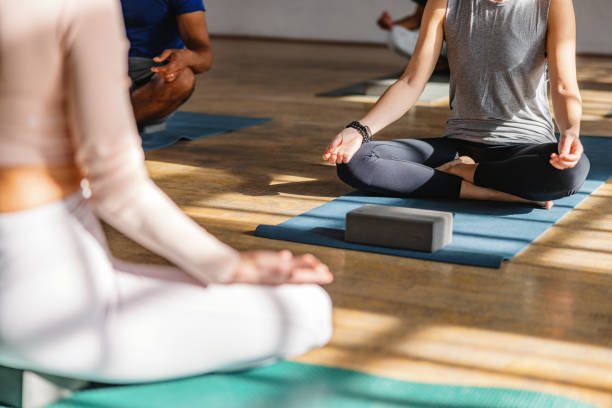
When selecting between yoga pants and leggings, comfort and suitability are key factors that depend on your lifestyle and activity needs. Here’s an in-depth analysis of the advantages of both:
Advantages of Yoga Pants
Yoga pants are typically made from high-performance, flexible fabrics that provide excellent freedom of movement and comfort. They are designed to support various activities, such as yoga, Pilates, and fitness:
- Performance in Exercise: Yoga pants feature moisture-wicking properties that effectively keep the body dry, making them suitable for high-intensity workouts.
- Waistband Design: The thick waistband is designed to stay in place, preventing slippage or movement during exercise, offering additional support.
- Opacity: Most yoga pants utilize double-knit technology to ensure good coverage during various movements (like bending and inversions), eliminating transparency concerns.
- Practicality: For an active lifestyle, yoga pants are an ideal choice, allowing for easy transitions between workouts and daily life.
Advantages of Leggings
Leggings have become a popular choice for everyday wear due to their comfort and versatility:
- All-Day Comfort: The super-stretchy design of leggings makes them feel like a second skin, suitable for daily activities and long periods of wear, providing a sense of freedom.
- Fabric Options: Cotton-spandex blends offer good breathability, ensuring comfort during travel and minimizing heat retention.
- Versatile Styling: Leggings can be easily paired with various tops, dresses, and outerwear, making them suitable for multiple occasions, including casual outings, work, and travel.
- Fashion Meets Function: The designs of leggings are increasingly diverse, ranging from classic solids to trendy prints, catering to different aesthetic preferences.
Comprehensive Considerations for the Best Choice
Ultimately, the choice between yoga pants and leggings depends on your personal needs and lifestyle:
- For Exercise Focus: If you frequently engage in intense training, yoga pants’ moisture-wicking and opaque designs will be more suitable.
- For Everyday Wear: If you need pants for all-day comfort, leggings, with their excellent stretch and comfort, will be the better option.
- Functionality and Style: Yoga pants provide specialized comfort for workouts, while leggings offer a wide variety of styling options for casual and fashionable looks.
We recommend evaluating your lifestyle, activity types, and personal preferences to determine which pants are the best fit for you. Whether you choose yoga pants or leggings, understanding their respective benefits will help you achieve an ideal balance between comfort and style.
Proper Care for Yoga Pants and Leggings: Fabric Care and Washing Guide
When choosing and wearing yoga pants and leggings, understanding their washing and care methods is crucial. While both serve different functions and styles, their material compositions determine the specific care requirements. Here are some professional care recommendations for yoga pants and leggings:
Care for Yoga Pants
Yoga pants are typically made from high-performance fabrics like nylon, polyester, Lycra®, and spandex. These materials are popular for their elasticity, moisture-wicking properties, and freedom of movement, but they are also prone to pilling, so special attention is needed:
- Washing Temperature: It is recommended to wash in cold water to protect the fabric’s elasticity and functionality.
- Drying Method: The best drying method is to air dry naturally, avoiding heat that can damage the material.
- Detergent Choice: Choose a detergent specifically designed for activewear, which helps maintain moisture-wicking performance and prevent fabric damage.
- Fabric Softener Caution: Avoid using heavy fabric softeners, as they can clog the fabric’s pores, impacting moisture-wicking ability.
- Pilling Prevention: To reduce pilling, wash yoga pants inside out and use low-friction washing methods whenever possible.
Care for Leggings
Leggings often feature materials such as cotton blends, polyester, and spandex, making them suitable for all-day wear. Since cotton blends can shrink at high temperatures, extra care is required:
- Washing Temperature: Again, it is advisable to wash in cold water to prevent shrinkage and distortion.
- Drying Recommendations: Natural air drying is preferable, or you can tumble dry on low heat to avoid damage from high temperatures.
- Washing Machine Load: Do not overload the washing machine, as excessive friction can damage leggings over time.
- Fabric Softener Choice: Lightweight fabric softeners can help maintain the softness of cotton leggings, but use them sparingly.
- Pilling Treatment: Similarly, wash leggings inside out and gently remove surface pills with a fabric shaver to keep them looking fresh.
Whether yoga pants or leggings, the right washing and care methods can effectively extend their lifespan. Understanding the characteristics of each fabric and taking appropriate care measures ensures you can enjoy comfort and style in various activities. With proper washing and care, you not only maintain the appearance of your pants but also preserve their functionality, ensuring they perform well in future use.
Conclusion
In summary, while yoga pants and leggings occupy a similar niche in the activewear market, they exhibit distinct differences in origin, design, materials, and intended uses.
Yoga pants are specifically designed for activities like yoga and fitness. They typically feature high-performance stretchy fabrics that excel in moisture-wicking capabilities, keeping the body dry and comfortable during workouts. The wider, thicker waistbands provide excellent coverage and stability, preventing shifting during movement. Additionally, many yoga pants come with linings to ensure safety and comfort while performing various exercises.
In contrast, leggings originated as casual wear suitable for various occasions. Modern leggings encompass both fashion and athletic functions. Casual leggings often utilize cotton blends, offering good breathability, while athletic leggings focus on providing compression and moisture-wicking properties for more intense workouts. The variety in styles, from basic to fashion-forward, caters to diverse consumer preferences.
Despite the growing overlap in activewear trends, yoga pants generally offer greater opacity and fitness functionality, making them more suitable for dedicated exercise. Depending on fabric choices, leggings can provide enhanced versatility, suitable for all-day wear or athletic use. Evaluating individual needs for coverage, activity type, and intensity can guide the selection of the most appropriate style.
Ultimately, both yoga pants and leggings are celebrated for their comfort and practical fashion appeal. Yoga pants allow unrestricted movement during exercise, while leggings offer a second-skin fit, ideal for casual settings. With appropriate fabric choices and care, both can strike a balance between style and functionality, accommodating a range of day-to-night wearing needs. Their unmatched comfort and flexibility have made these activewear essentials consistently popular among consumers.
For any inquiries, feel free to reach out to Yoplook. We are happy to provide further consultation and support.