
In cold-weather dressing, both hoodies and jackets serve distinct roles. While hoodies offer softness and insulation, jackets are built to protect against wind, rain, and extreme cold.
Jackets are generally warmer due to their multi-layer construction and weather-resistant materials, while hoodies are best for layering or mild conditions.
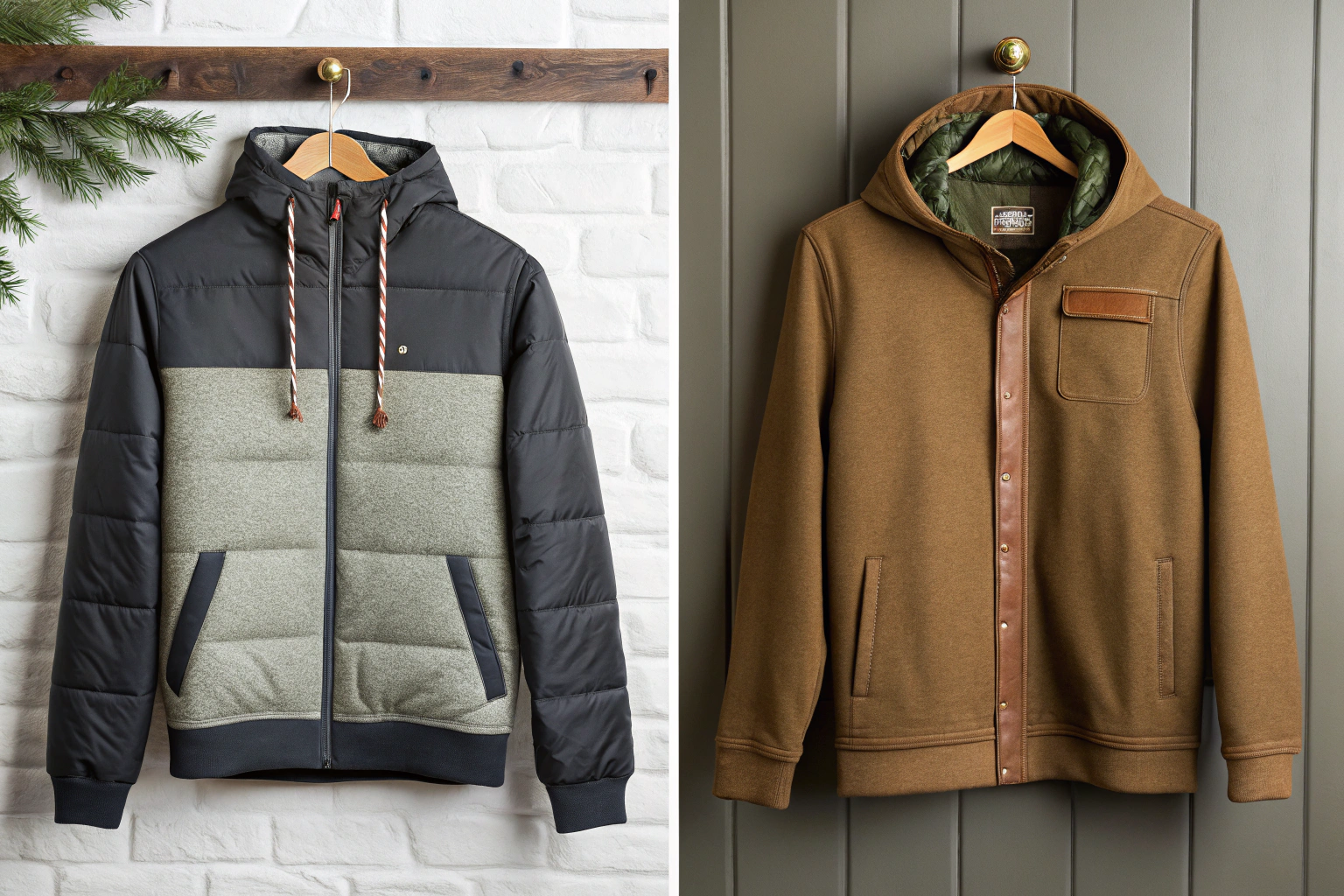
Warmth depends not just on the garment type, but on how it is made, which fabrics are used, and how it’s worn. Hoodies provide insulation and comfort but are typically less structured. Jackets combine insulation with outer shell protection, making them more effective for outdoor or unpredictable weather. Especially in regions where temperature fluctuation is common, jackets offer stability and insulation adaptability.
How does insulation differ between hoodies and jackets?
Insulation materials and garment structure are key factors in determining warmth.
Jackets use padded or quilted insulation to trap body heat, while hoodies rely on fleece or brushed knits for warmth.
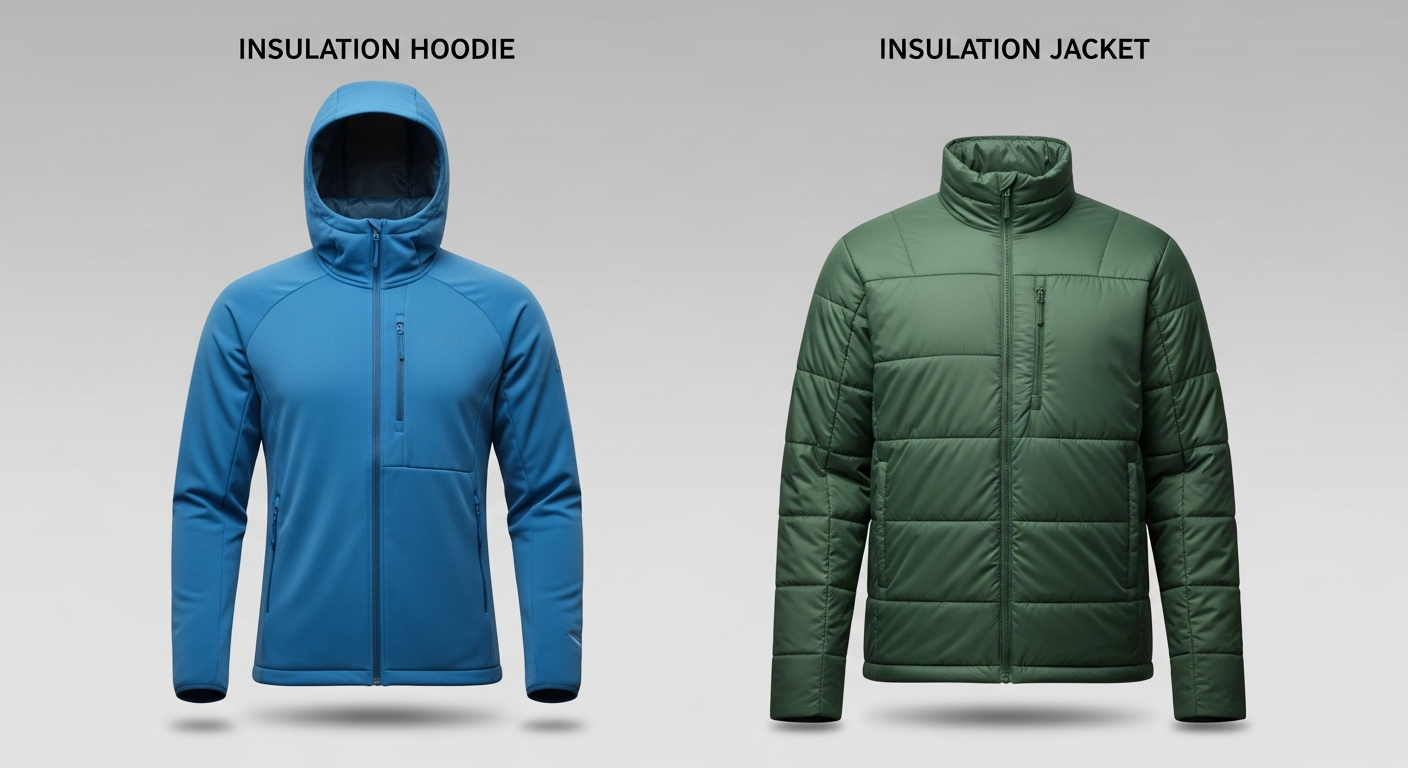
Hoodies are often made from cotton blends or polyester fleece. These fabrics are soft and insulating but limited in extreme weather. Jackets typically include multiple layers: an outer shell, an inner lining, and a thermal core. Materials like down, synthetic padding, or bonded fleece increase a jacket’s ability to retain warmth. In cold climates, jackets with windproof and waterproof shells provide significantly better insulation. Manufacturing jackets with zoned insulation—targeting the chest, back, and sleeves—ensures warmth where it is needed most.
| Garment | Typical Insulation | Effective For |
|---|---|---|
| Hoodie | Brushed fleece, cotton | Mild to cool weather |
| Jacket | Synthetic fill, down, bonded fleece | Cold, windy, wet conditions |
Which fabrics provide the best winter performance?
Fabric performance affects both comfort and warmth in colder seasons.
Technical fabrics used in jackets outperform the knit materials in most hoodies, especially in wind and moisture control.
Hoodies are typically knit from cotton-polyester blends. While comfortable, these fabrics are not windproof or water-resistant. Jackets, however, use woven synthetics, shell laminates, and technical coatings to block external conditions. Linings made of fleece or thermal mesh add to heat retention. Advanced textiles such as ripstop nylon or TPU-coated polyester ensure long-term durability. During factory production, water-repellent treatments, seam taping, and multi-layer lamination enhance jacket performance significantly. Specialized lamination processes often occur in temperature-controlled environments to ensure adhesive consistency and fabric bonding integrity.
How do hoodies and jackets handle wind and moisture?
Exposure to wind and moisture can dramatically reduce body temperature.
Jackets are engineered to resist both, while hoodies offer little protection in harsh elements.
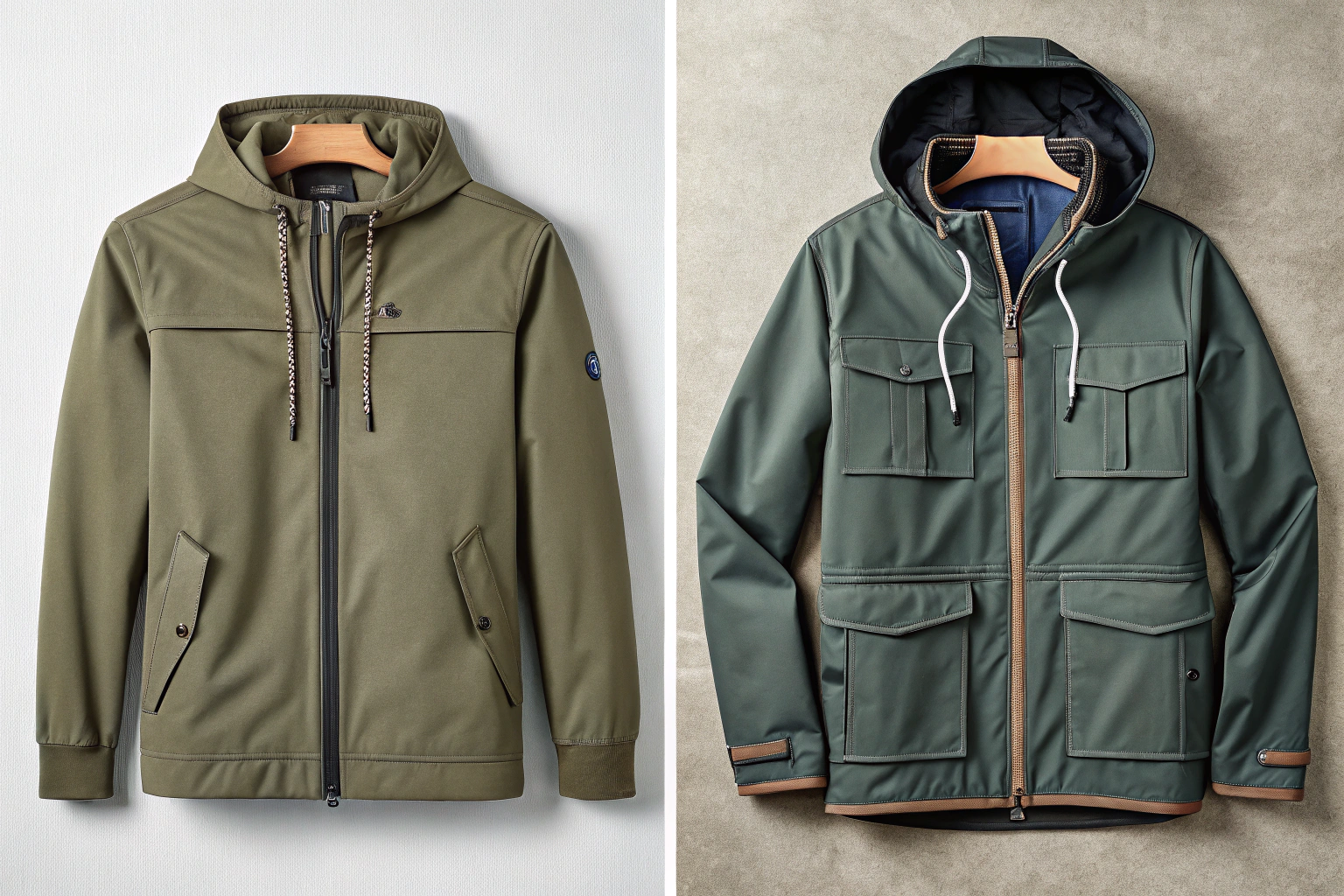
Wind cuts through hoodie material easily, especially in open or elevated environments. Water can soak cotton hoodies quickly, lowering their insulation ability. Jackets are constructed with high-density fabrics and feature closures like storm flaps, adjustable hoods, and sealed seams. These block wind and shed water, maintaining core warmth. Some jackets also incorporate breathable membranes that keep moisture out while releasing sweat vapor, ideal for high-activity winter use. In modern workshops, ultrasonic seam welding or taping machines enhance waterproof performance without compromising garment flexibility.
Which is more suitable for layering?
Layering is an effective strategy in variable climates.
Hoodies function well as mid-layers under jackets, but jackets are essential for outer-layer protection.
A hoodie under a jacket forms a comprehensive insulation system. The hoodie adds soft warmth and comfort, while the jacket seals out external elements. Factories designing hoodie-jacket sets often ensure size compatibility for this purpose. Proper layering also enhances breathability and heat regulation. Slim-fit hoodies with minimal bulk work best under structured jackets like bombers, parkas, or softshells. Jackets designed with articulated sleeves and extended back panels allow for easier movement when worn over multiple layers.
What role does construction quality play in warmth?
Warmth depends heavily on how garments are made.
Precision sewing, insulation distribution, and fit consistency all contribute to thermal performance.
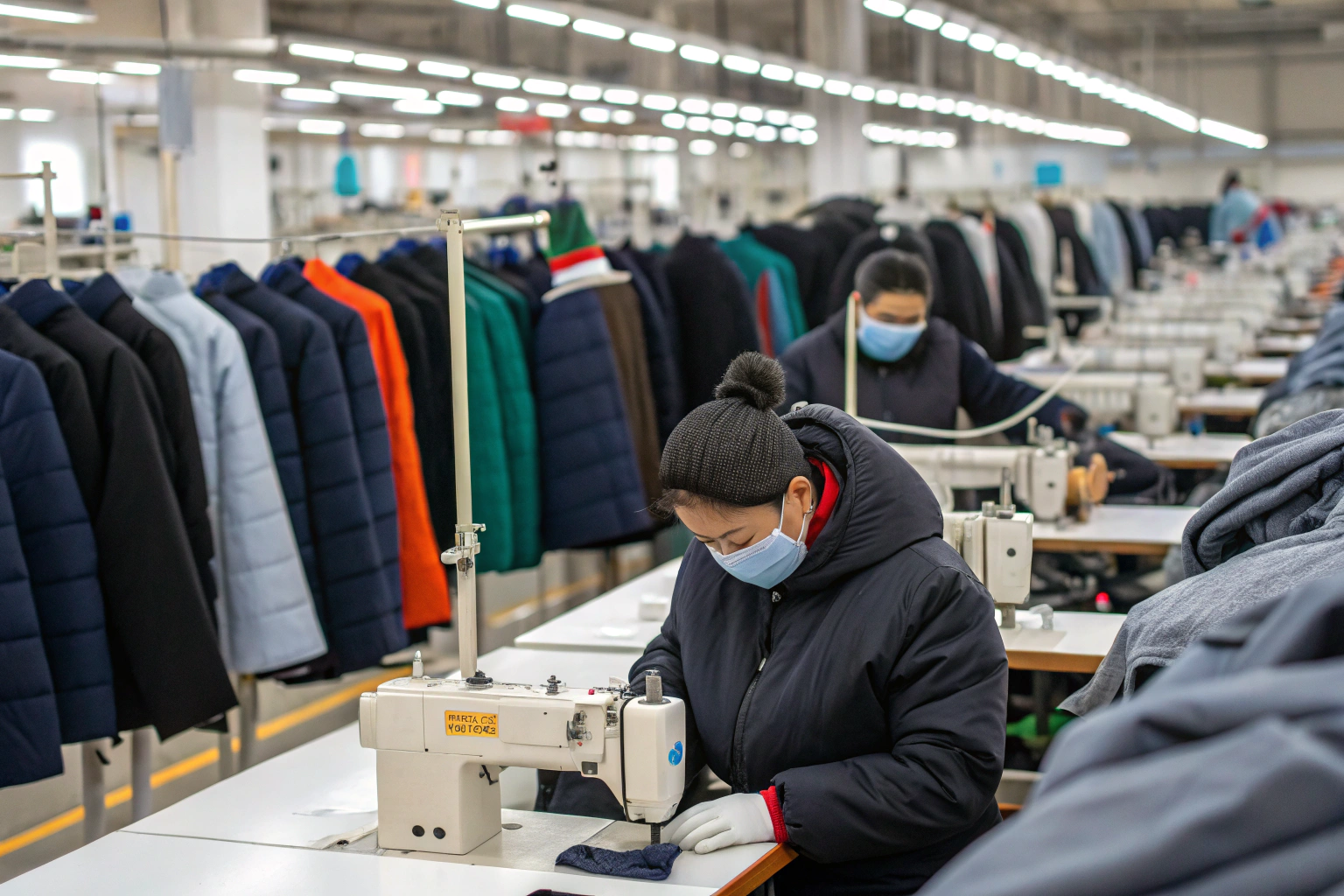
In factory settings, high-performance jackets undergo multi-step assembly using automated cutting systems and precision sewing machines. Features like double-stitched seams, heat bonding, and insulation paneling are implemented for durability. Hoodies, while simpler, benefit from tightly knit fleece, ribbed cuffs, and structured hoods. Manufacturing controls—such as pre-shrink testing, thermal lining inspection, and fit sampling—ensure each piece delivers consistent warmth across batches. Pattern grading and tolerance management also ensure that each size maintains ergonomic balance, essential for layered comfort.
| Feature | Hoodie | Jacket |
|---|---|---|
| Stitching Detail | Flatlock or overlock | Reinforced and double-stitched |
| Fit Design | Relaxed or slim | Engineered for layering |
| Insulation Handling | Basic lining or single layer | Multi-zone, quilted or bonded layers |
Which offers more value in winter conditions?
The right choice depends on temperature range, usage, and exposure.
Jackets offer more comprehensive winter protection, while hoodies provide comfort and layering flexibility.
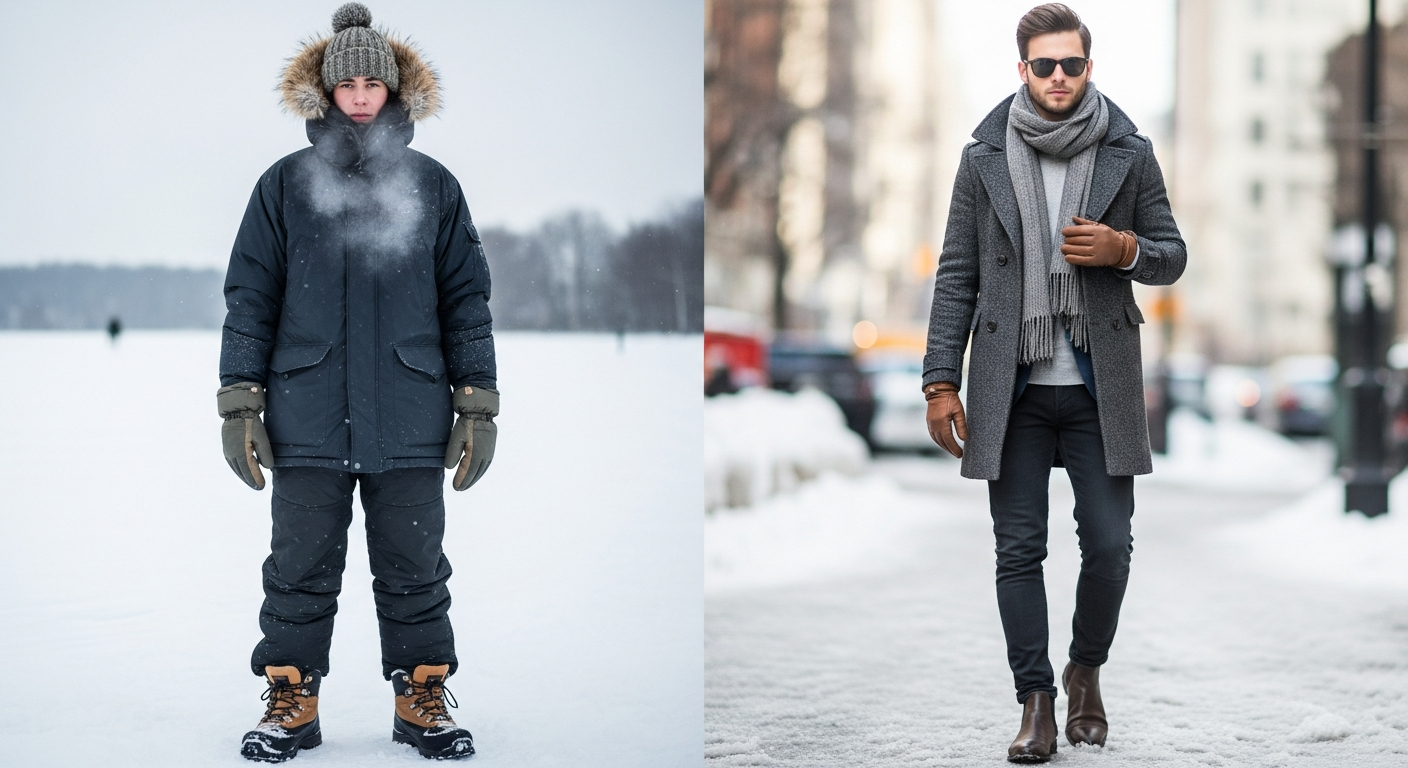
For outdoor environments and colder temperatures, jackets are the superior standalone garment. They combine multiple thermal barriers with weatherproof construction. In contrast, hoodies work better indoors or layered beneath jackets. In factory production, winter jacket manufacturing involves thermal mapping, synthetic fill control, and zonal construction, adding to performance but also cost. Hoodies remain efficient for casual wear, travel, or indoor transitions. Combining both in a layered system offers the best versatility for modern winter demands.
Conclusion
In cold-weather apparel, warmth comes from both garment structure and material science. Jackets are designed with multi-layer insulation, durable shells, and functional components that protect against wind and precipitation. Hoodies provide comfort and softness but are not built to endure harsh winter environments alone. When constructed with precision in modern factories—using specialized machines, inspection protocols, and engineered fabrics—jackets deliver unmatched thermal performance. Hoodies serve as an essential component in layering systems and offer adaptability in less severe settings. In winter wardrobes, the synergy between hoodie and jacket creates the most balanced, protective, and versatile solution for changing temperatures and activities.