
Sweatshirts appear in almost every casual collection, yet their real purpose is often underestimated. Many see them as basic items without clear functional value.
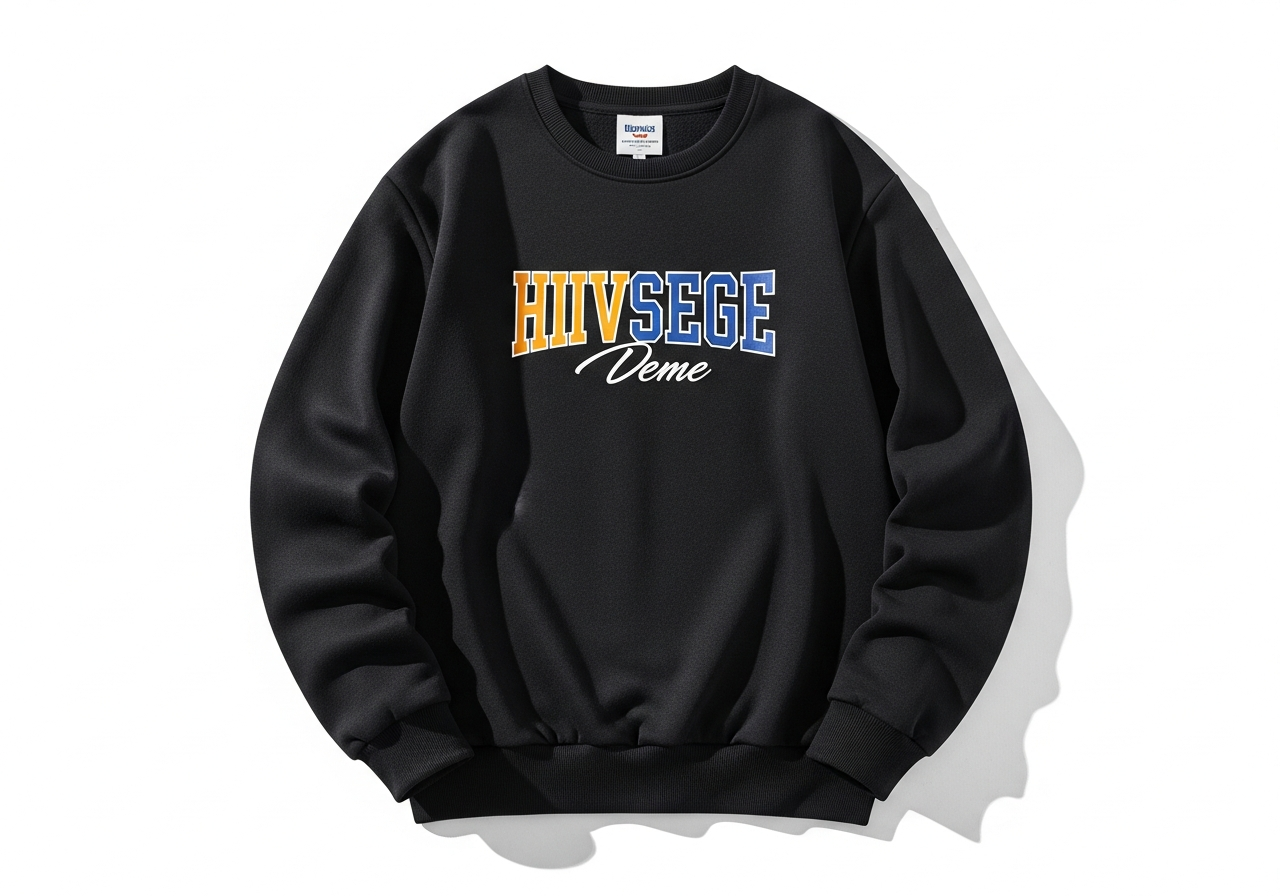
The purpose of a sweatshirt is to provide comfortable warmth, easy movement, and reliable layering through a simple knit structure.
Sweatshirts are designed as functional garments first. Their value comes from fabric choice, structure, and production efficiency rather than decoration.
Why Were Sweatshirts Originally Created?
The sweatshirt started with function, not fashion.
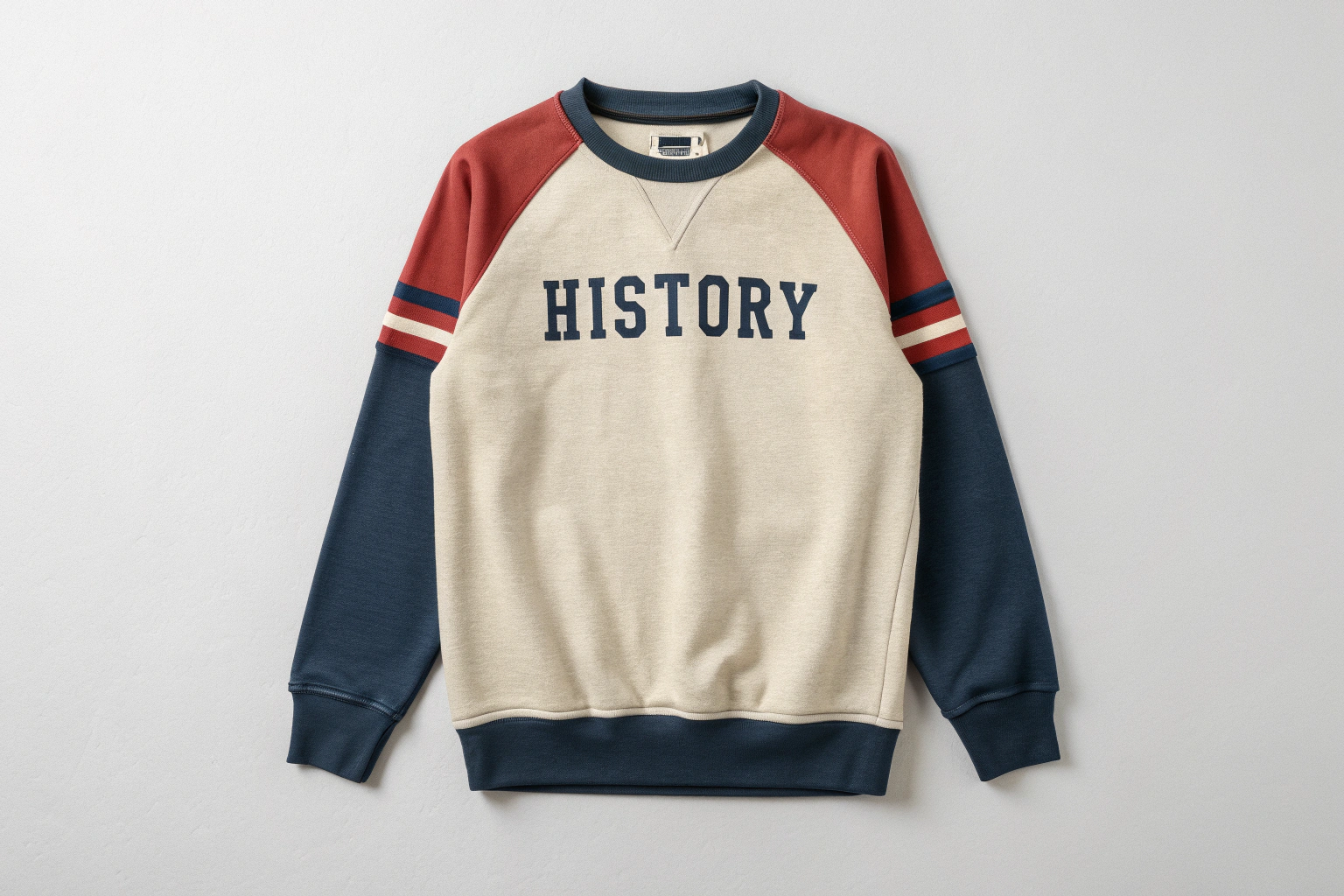
Sweatshirts were originally developed to absorb sweat and provide warmth during physical activity.
Early sweatshirts were worn by athletes and workers. The goal was simple. Cotton knit fabric could absorb moisture better than woven shirts. Long sleeves helped retain body heat during rest periods.
The knit structure allowed stretch. This reduced restriction during movement. Ribbed cuffs and hems kept the garment in place. The design was plain because performance mattered more than appearance.
This origin explains why sweatshirts remain practical today. Even modern styles still follow the same core structure developed for comfort and function.
How Does Fabric Structure Support Its Purpose?
Fabric defines how a sweatshirt performs.
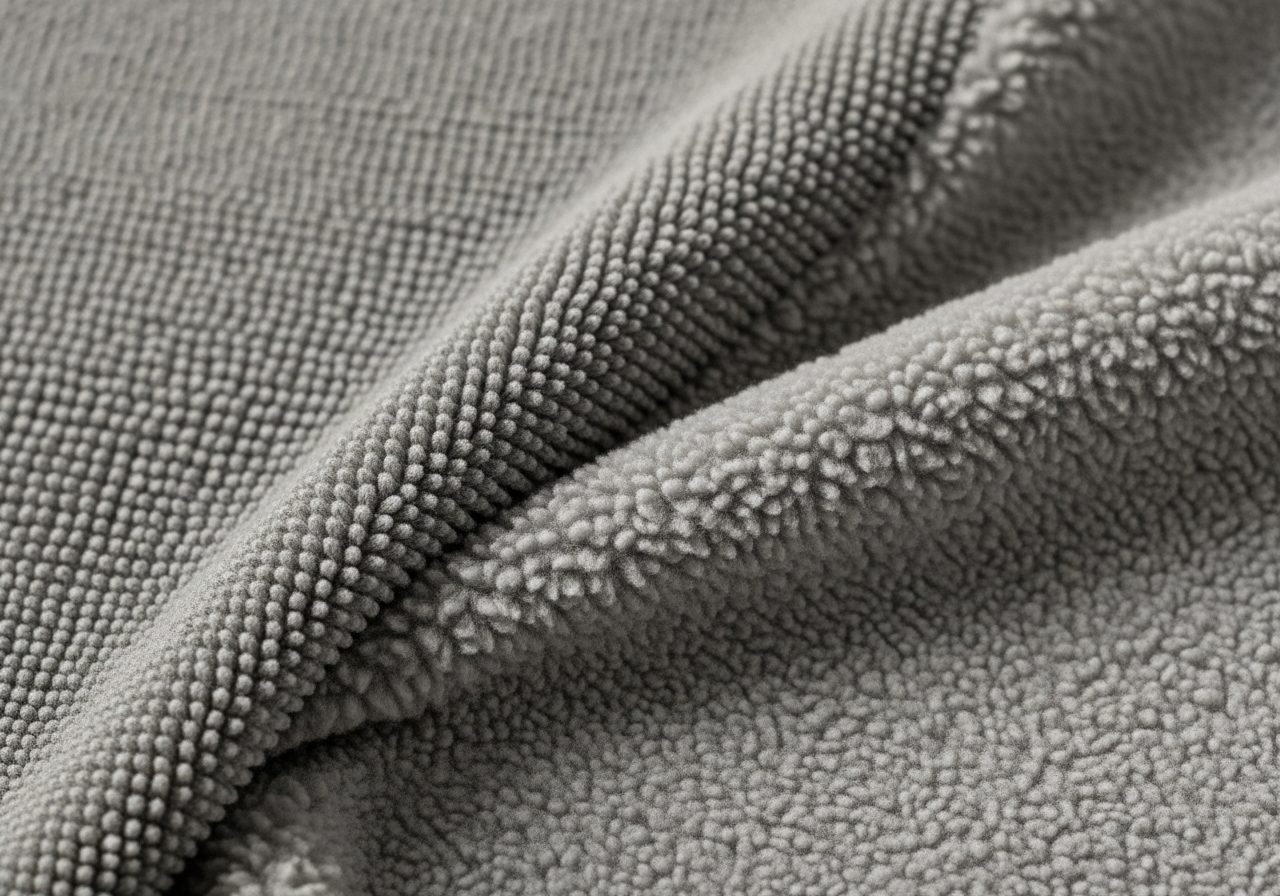
Sweatshirts rely on knitted fabrics to balance warmth, breathability, and flexibility.
Most sweatshirts use fleece or French terry. Fleece traps warm air through a brushed interior. French terry manages moisture while staying breathable.
Knitted fabric stretches naturally. This reduces pressure on seams and improves comfort during long wear. Unlike woven fabrics, knit recovers after movement and washing.
In manufacturing, fabric stability is tested through shrinkage and pilling control. A good sweatshirt maintains shape and softness over time. This durability supports repeated daily use, which is central to the garment’s purpose.
How Does a Sweatshirt Function in Layering Systems?
Layering is a key role.

A sweatshirt is designed to work as a mid-layer that adds warmth without bulk.
The neckline sits flat. Sleeves fit close enough to slide under jackets. The body shape stays simple. These details allow sweatshirts to layer easily under coats, denim jackets, or outer shells.
At the same time, sweatshirts can be worn alone in mild weather. This dual role increases their usefulness across seasons.
From a pattern perspective, balance is critical. Too loose and layering fails. Too tight and comfort drops. Proper grading ensures the sweatshirt fits naturally in both roles.
Why Are Sweatshirts Used Across So Many Settings?
Versatility drives adoption.
Sweatshirts work in sports, casual wear, workwear-inspired outfits, and daily routines because they feel neutral and practical.
The clean silhouette avoids strong statements. This makes sweatshirts adaptable. They fit school environments, travel, indoor work, and leisure.
Design details can change the tone. Minimal designs feel refined. Graphic prints feel casual. The base garment stays the same.
This adaptability explains why sweatshirts remain stable products across changing trends. They support many use cases without redesigning the core structure.
How Are Sweatshirts Made in the Factory?
Production supports consistency and scale.
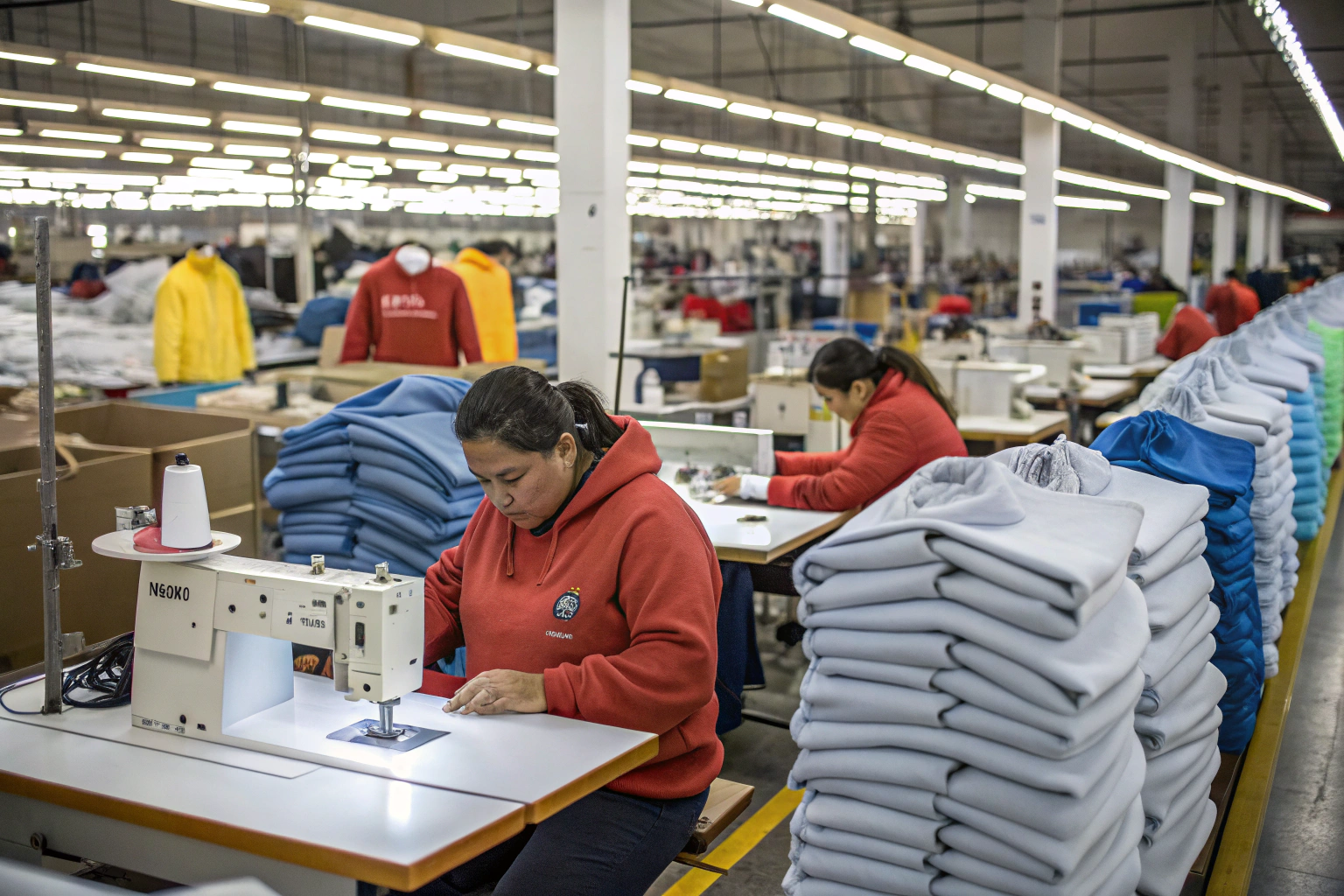
Sweatshirts are designed for efficient, repeatable manufacturing with stable quality control.
The production process starts with knit fabric inspection and relaxation. Cutting uses simple panels. Sewing focuses on overlock and coverstitch operations.
Rib cuffs, collars, and hems are attached last. These components provide elasticity and shape control. Washing and finishing improve softness and hand feel.
Quality checks focus on size consistency, seam stretch, and surface defects. Because the structure is simple, defects are easy to control. This makes sweatshirts reliable for long production runs.
Their manufacturing efficiency is part of their purpose. Sweatshirts deliver stable comfort at scale.
Why Do Sweatshirts Remain Relevant Today?
Function sustains demand.
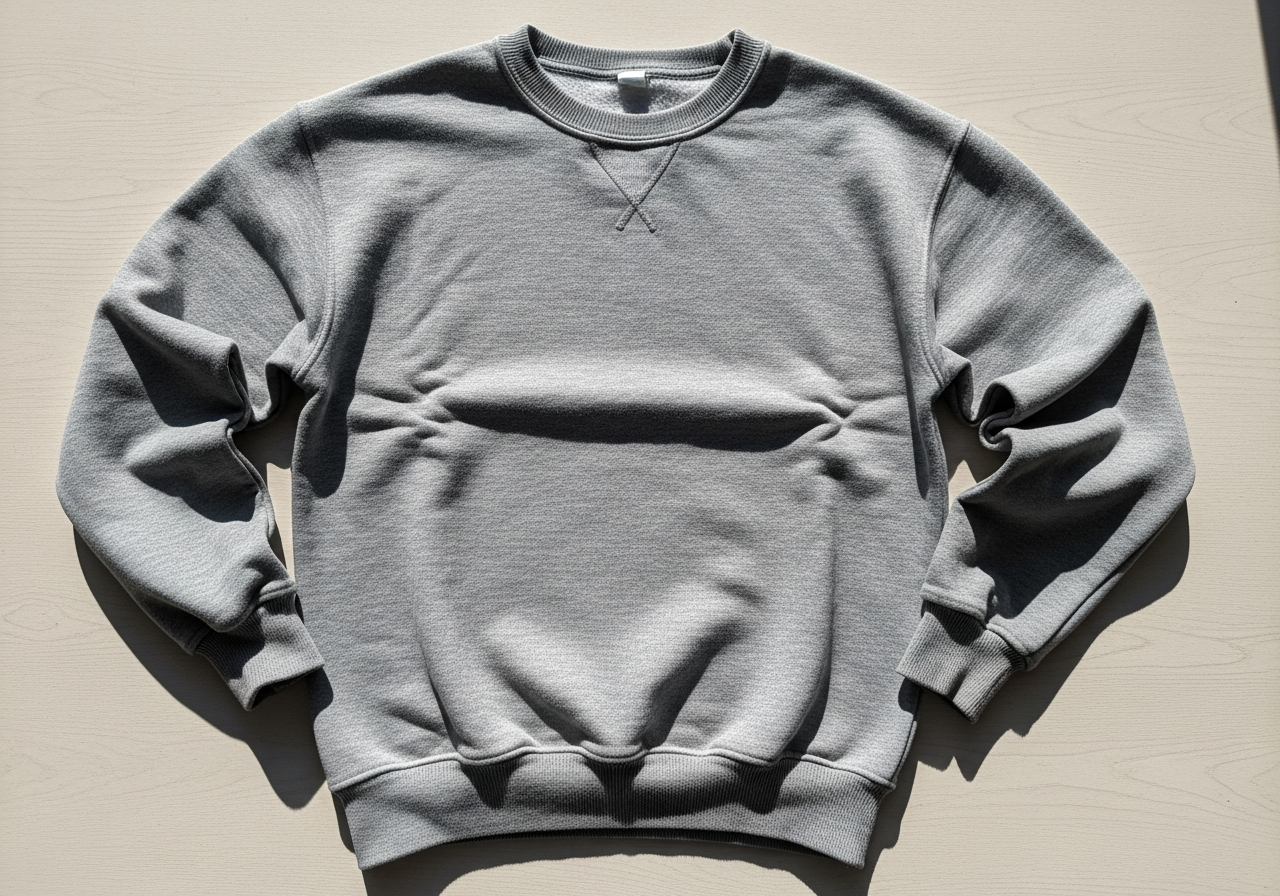
Sweatshirts remain relevant because comfort, simplicity, and durability never go out of use.
Even as fashion cycles change, the need for easy, warm clothing stays constant. Sweatshirts adapt through fabric upgrades, fits, and finishes without losing their core role.
Modern production adds improvements such as better pilling resistance, improved shrink control, and softer finishes. These upgrades enhance comfort while keeping the garment familiar.
This balance between tradition and improvement keeps sweatshirts essential in modern apparel collections.
Conclusion
The purpose of a sweatshirt is practical and enduring. It provides warmth without weight, comfort without restriction, and flexibility across seasons and settings. Through simple knit construction, reliable layering ability, and efficient factory production, the sweatshirt continues to serve as a foundational garment in casual wear. Its lasting relevance comes from doing one job well: delivering dependable comfort for everyday life.