
Choosing the right jacket style is crucial for fashion brands and retailers because trends shift quickly and customer expectations continue to evolve.
The most popular jacket type in contemporary markets is the bomber jacket due to its versatility, comfort, and wide appeal across different age groups and fashion segments.
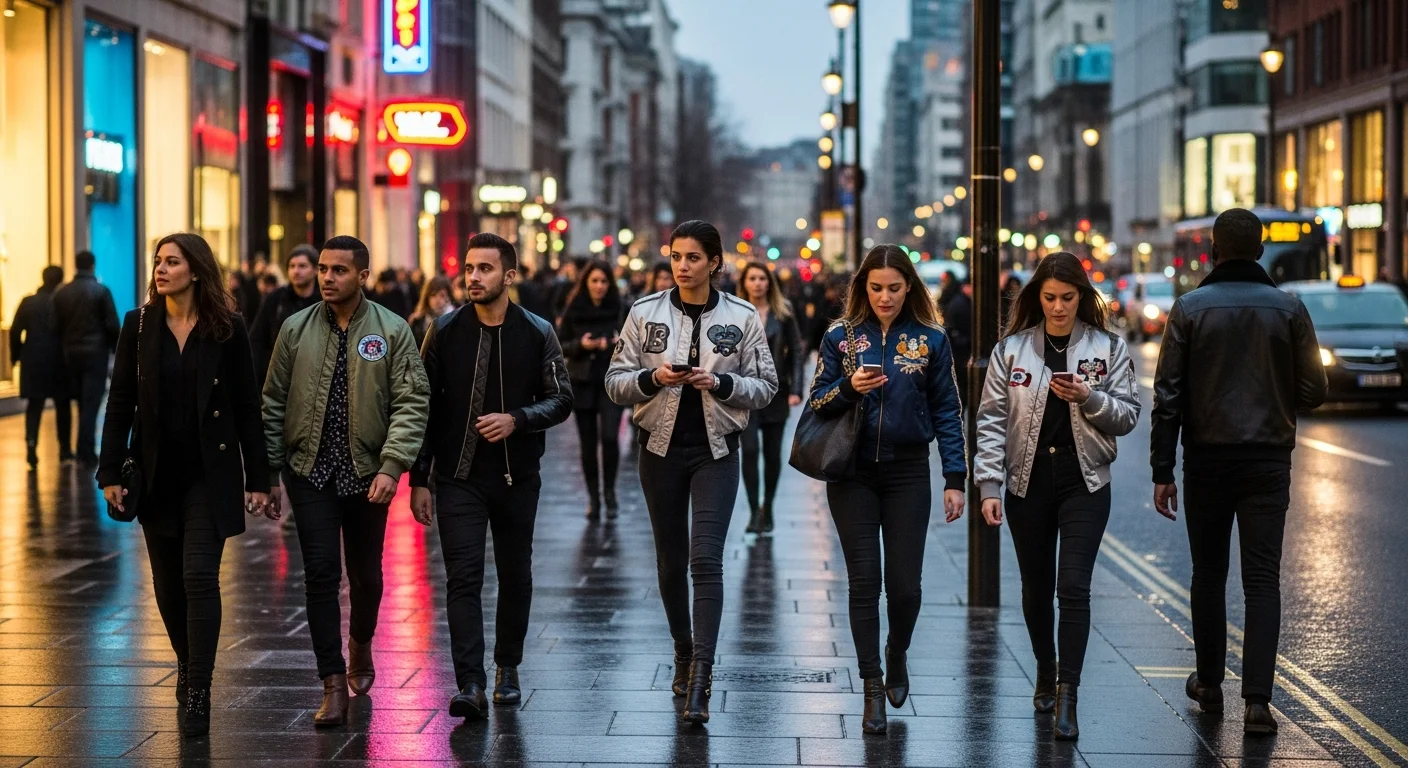
The bomber jacket shows strong performance in global sales and consumer interest. Its balanced design fits seasonal changes and diverse outfits. This article explores why bomber jackets lead the market, how other jacket types perform, and how manufacturing techniques and quality control contribute to market success.
What Makes the Bomber Jacket So Popular?
Bomber jackets have become a consistent best‑seller because they combine practical features with fashion appeal.
Bomber jackets remain the most demanded jacket style due to their adaptable design, range of materials, and suitability for multiple markets.
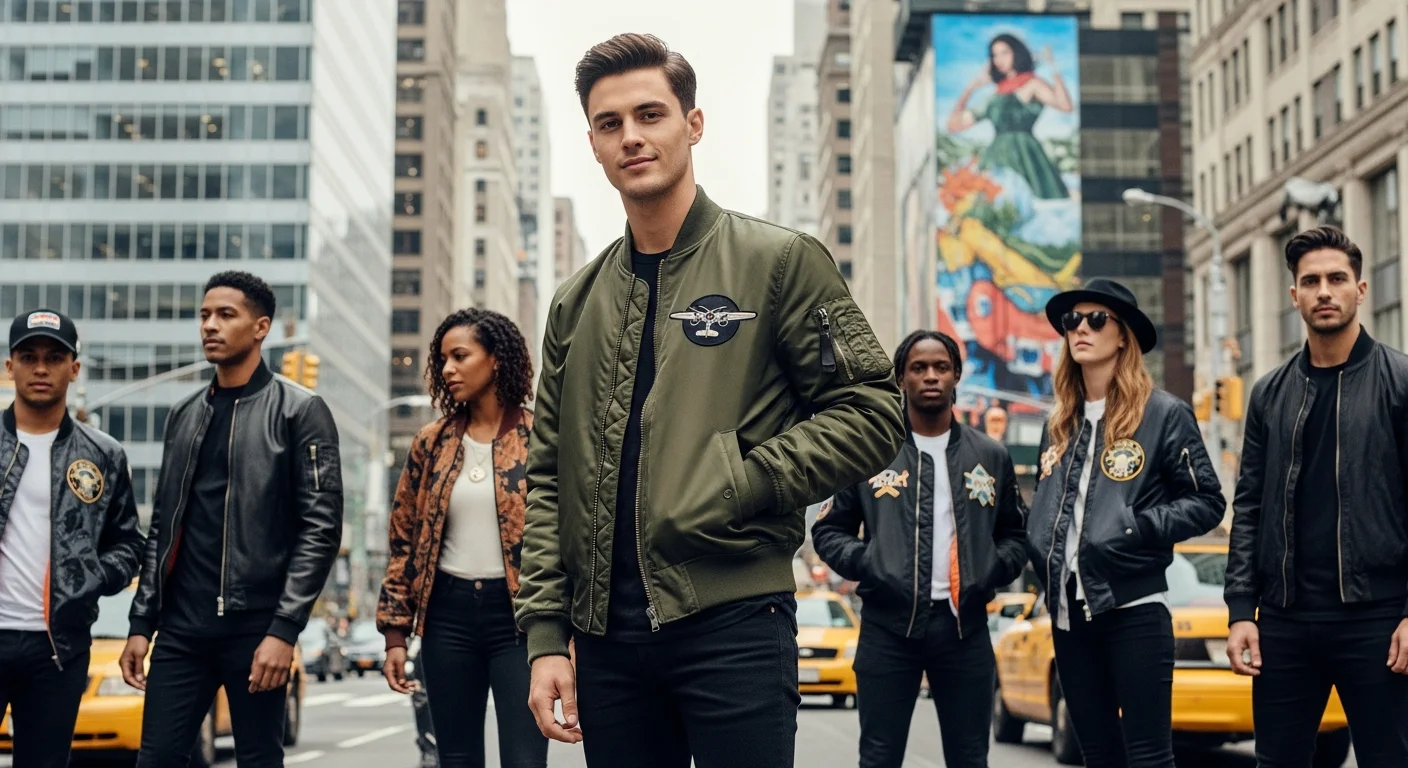
Origins of the bomber jacket date back to military flight wear, but its transition into mainstream fashion reflects its adaptability. Key elements of the design include ribbed cuffs and hem, a comfortable fit, and lightweight structure. These features allow layering and integration with casual or smart casual outfits. Materials such as nylon, polyester, and cotton blends contribute to breathability, wind resistance, and ease of care. Market data shows consistent demand for bomber jackets in spring and fall seasons. Retailers often position them as core inventory because they appeal to a broad audience. The balance between fashion and function gives bomber jackets an edge over more seasonal or niche styles.
How Denim and Leather Jackets Compare
Denim and leather jackets remain iconic in many wardrobes, but their market performance differs from bomber jackets.
Denim jackets maintain popularity for casual wear, while leather jackets attract premium and niche demand, but neither surpasses bomber jackets in overall market share.
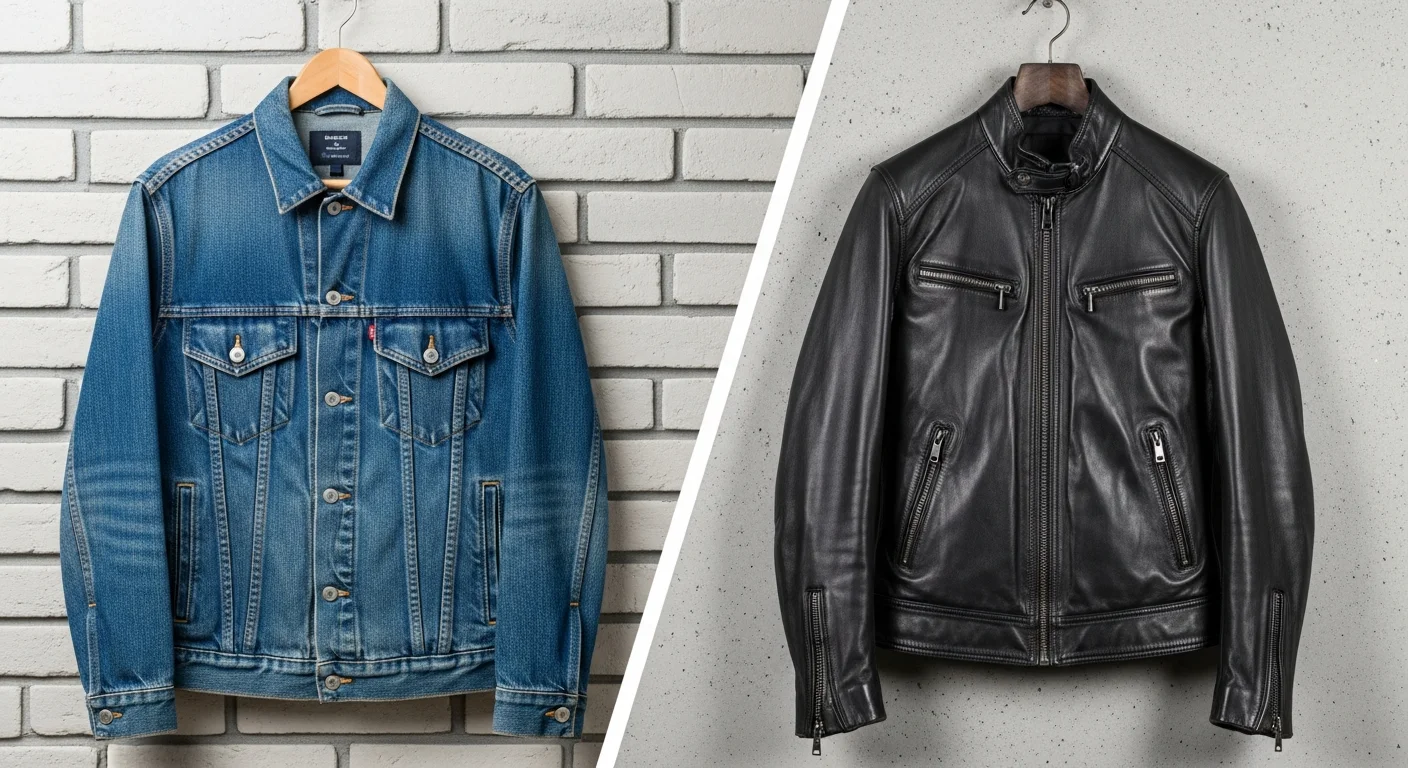
Denim jackets represent a timeless casual option. Their durable cotton twill fabric withstands frequent wear and becomes more personalized with use. Denim jackets perform strongly among younger consumers who prioritize relaxed aesthetics. However, these jackets can be less versatile in colder or wetter climates without additional layering.
Leather jackets occupy a distinct segment in the fashion hierarchy. They offer a classic or edgy look and often command higher price points. Quality leather, whether genuine or modern alternatives like vegan leather, enhances the garment’s value. Leather jackets are frequently associated with premium fashion and culture. Despite their appeal, their market share remains narrower due to seasonality and price sensitivity.
In contrast, bomber jackets cover a wider price range and weather conditions. This broader market fit contributes to their higher sales volume and consumer preference.
Why Parkas and Trench Coats Have Specific Appeal
Parkas and trench coats continue to hold niche strength, particularly in functional and formal wear categories.
Parkas provide superior cold‑weather protection, and trench coats offer structured elegance, but both have more focused audiences compared to bomber jackets.
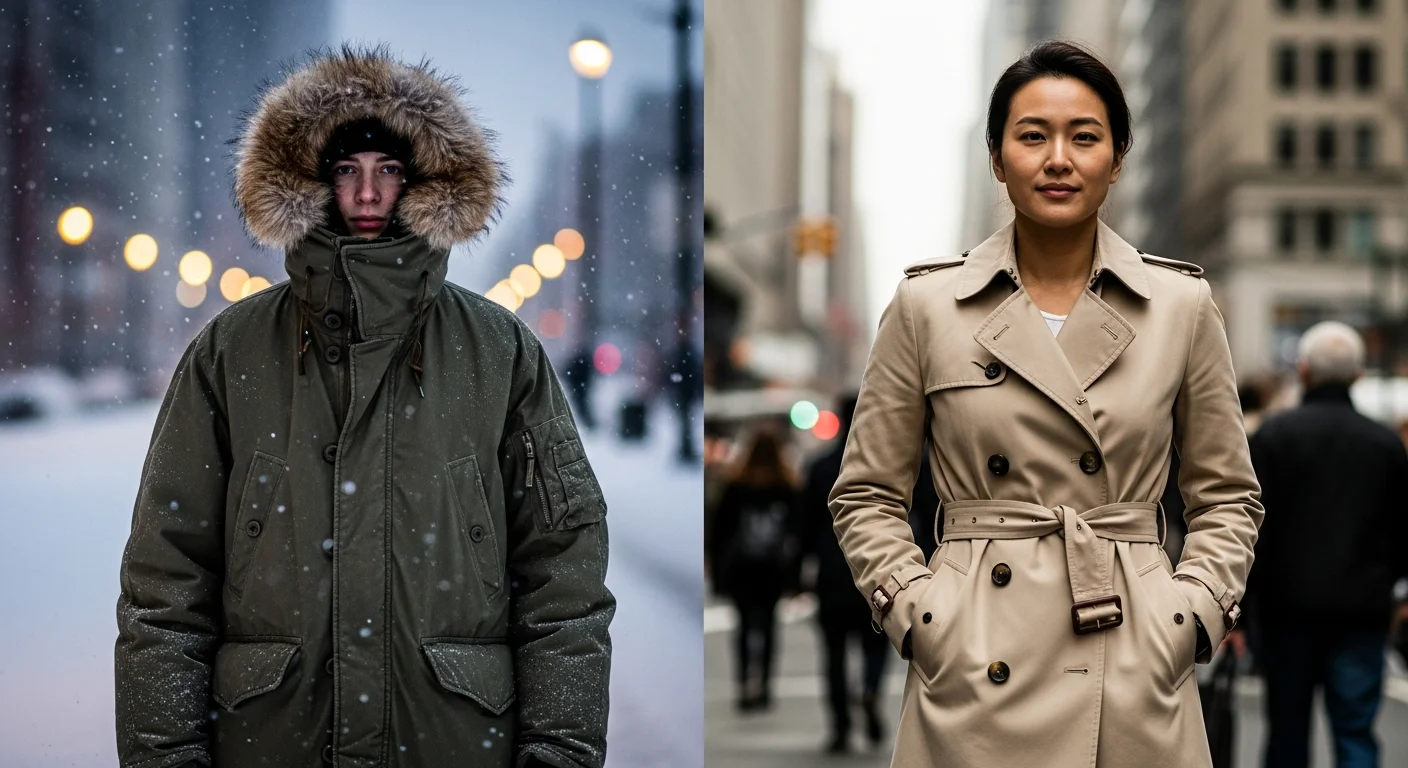
Parkas serve regions with harsh winters. Their longer length, insulation layers, and weatherproof fabrics make them suitable for outdoor and cold climates. High‑performance parkas often include features such as adjustable hoods, sealed seams, and thermal linings. These technical features position parkas as essential for winter markets but limit their appeal in temperate zones.
Trench coats represent a classic outerwear piece. Originating from traditional rainwear, trench coats provide structured silhouettes and water‑resistant qualities. They pair well with formal and business attire. Neutral colors and tailored cuts enhance their elegance. However, trench coats tend to peak in demand during rainy or transitional seasons.
Both parkas and trench coats excel in their respective niches, yet bomber jackets maintain steadier performance year‑round. Bomber jackets bridge casual and semi‑formal styles and match a wider range of temperatures through layering, contributing to their widespread adoption.
How Fabric and Craftsmanship Affect Jacket Popularity
Fabric selection and garment construction play essential roles in consumer satisfaction and repeat purchases.
High‑quality materials and advanced construction techniques enhance comfort, durability, and garment value, influencing market preference for jacket styles such as bombers, parkas, and trench coats.
Success in the jacket market depends heavily on material performance and production quality. Fabrics such as nylon and polyester blends improve wind resistance and durability. Cotton and twill options enhance comfort and breathability. Technical textiles now incorporate water repellency, stretch, and thermal regulation.
Key craftsmanship techniques include reinforced stitching at stress points, precise seam alignment, and secure attachment of trims like zippers and buttons. Quality linings such as mesh or quilted padding increase comfort and insulation. Consistency in sizing and finish reinforces customer trust and reduces returns.
Quality control systems integrate multiple checkpoints throughout production. Inspection teams examine fabrics before cutting, check stitching quality after assembly, and verify functionality of closures and features during finishing. These measures ensure that jacket collections meet performance standards and consumer expectations.
Factory Workflow Behind High‑Demand Jackets
Efficient production workflows support timely delivery and consistent product quality in high‑volume jacket categories.
Structured factory layouts, skilled sewing teams, and systematic quality inspections ensure reliable production of popular jacket types at scale.
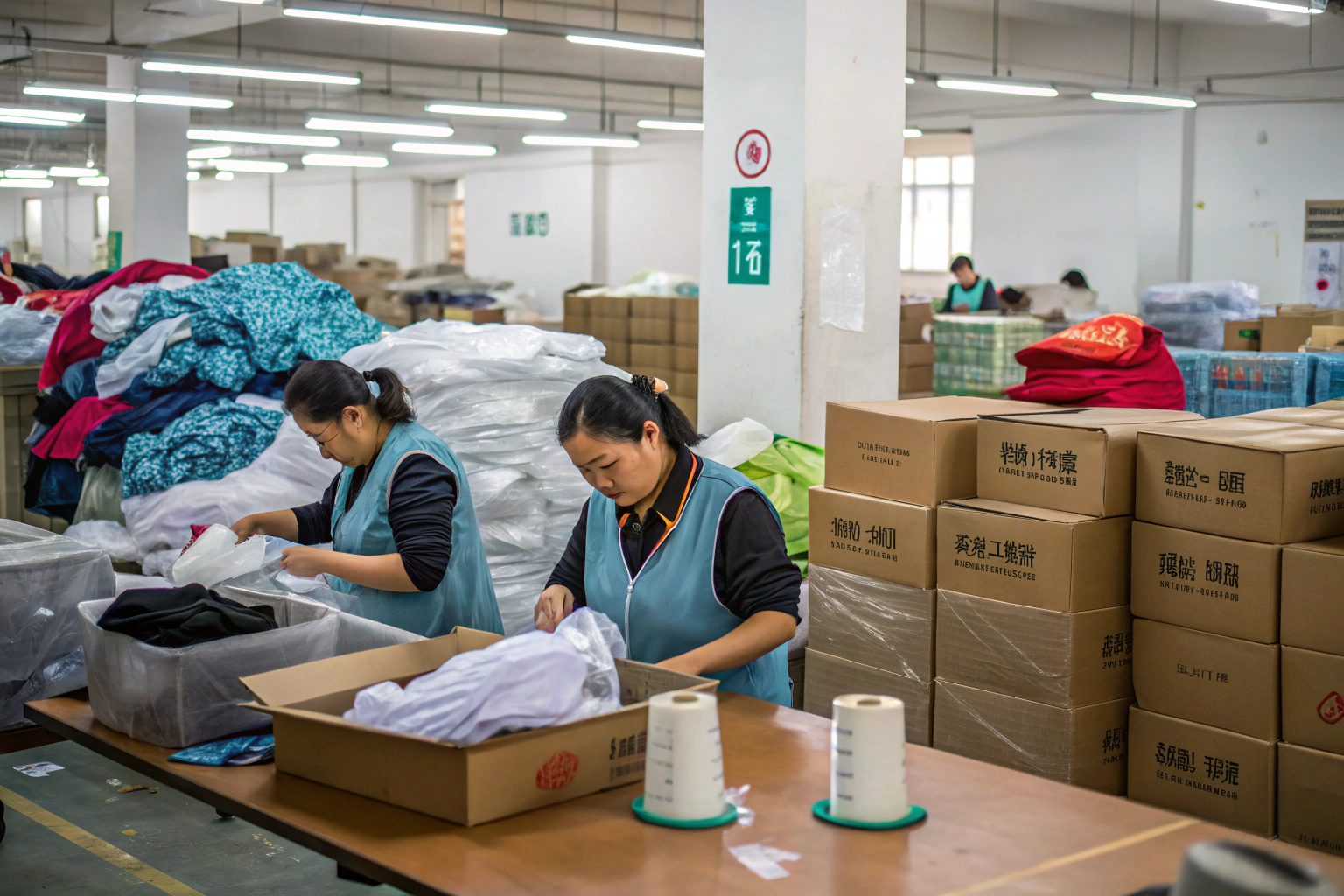
The jacket production process begins with material sourcing and evaluation. Technical teams assess fabric properties, trims, and accessories for durability, colorfastness, and shrinkage. Approved materials move to pattern marking and cutting, where automated machines optimize fabric utilization and maintain dimensional accuracy.
Cut components proceed to sewing stations. Operators follow standardized procedures for assembling jacket sections, attaching sleeves, collars, linings, and closures. In bomber jackets, special attention focuses on attaching ribbed cuffs, waistbands, and pocket trims to maintain quality and consistency.
Following assembly, jackets enter the finishing stage. Visual inspection identifies loose threads, uneven stitching, and alignment issues. Functional inspections ensure smooth operation of zippers and closures. Pressing and folding prepare jackets for packaging. These steps maintain uniform appearance and quality.
Process control includes training programs for operators, machine calibration, and audit systems that track defect rates. Continuous improvements in workflow efficiency contribute to higher throughput and predictable delivery times.
Sustainability and Innovation in Jacket Design
Environmental considerations and functional innovations now shape future jacket trends as consumer awareness grows.
Sustainable materials, performance enhancements, and responsible manufacturing practices influence jacket preferences and support long‑term market growth.
The shift toward sustainability is evident in outerwear development. Recycled polyester, organic cotton, and biodegradable trims reduce environmental impact. Eco‑certified fabrics offer performance benefits without compromising durability or comfort.
Functional innovations include water‑repellent finishes, thermal insulation, and modular designs that increase garment versatility. Jackets with adaptable layers or removable components allow consumers to adjust to changing conditions.
Manufacturing practices that minimize waste, optimize energy use, and improve chemical safety align with global standards for environmental responsibility. Transparent supply chains and independent certifications build confidence among buyers seeking ethically produced products.
Sustainable and performance‑oriented jackets resonate with consumers who expect both style and practicality. As the outerwear market evolves, popular jacket types will increasingly integrate environmental responsibility and functional sophistication.
Market Insights and Seasonal Dynamics
Understanding market patterns and seasonal influences is essential for planning jacket collections and inventory.
Seasonal demand, regional preferences, and fashion cycles influence jacket sales, reinforcing the need for diversified product lines that include core styles like bomber jackets and seasonal pieces like parkas and trench coats.
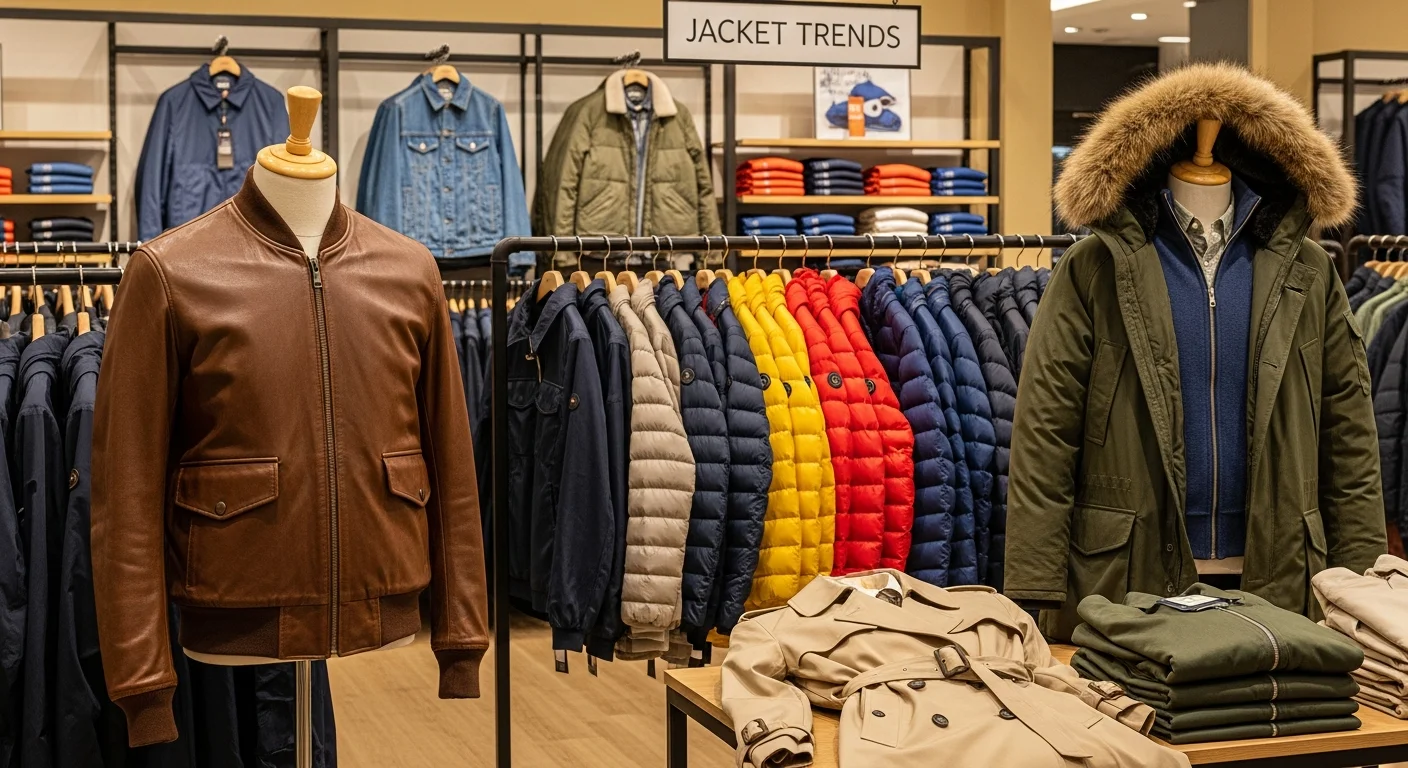
Jacket sales typically follow seasonal peaks. Spring and fall see higher demand for transitional styles such as bomber and denim jackets. Winter triggers demand for heavy outerwear like parkas and insulated coats. Rainy seasons often boost sales of trench coats and water‑resistant options.
Regional preferences also shape demand. Urban markets with mild climates favor lighter jackets with fashion appeal. Colder regions require technical outerwear with enhanced insulation and weatherproof features. Diverse customer tastes and climate differences necessitate a broad product mix.
Data from global markets shows that jacket collections with a mix of core styles and seasonal innovations achieve better overall performance. Retailers and brands that plan ahead based on climate, trend forecasts, and consumer behavior can optimize inventory and improve sales outcomes.
Conclusion
The bomber jacket stands out as the most popular jacket type due to its adaptability, comfort, and broad seasonal appeal. While denim, leather, parkas, and trench coats each serve defined market segments, bomber jackets consistently generate strong performance across diverse consumer groups and regions. The success of any jacket category depends on a combination of thoughtful design, quality materials, and precise manufacturing processes. Fabric selection and craftsmanship directly influence comfort, durability, and perceived value. Factory workflows that emphasize efficiency and quality control ensure reliable production and delivery. Sustainability and innovative features are increasingly important drivers of future trends. By integrating environmental responsibility and practical functionality, jacket collections can meet evolving customer expectations while maintaining aesthetic appeal and market relevance.