
Many apparel professionals confuse jackets and sweaters because both provide warmth. This confusion often leads to unclear product positioning and weak communication in collections.
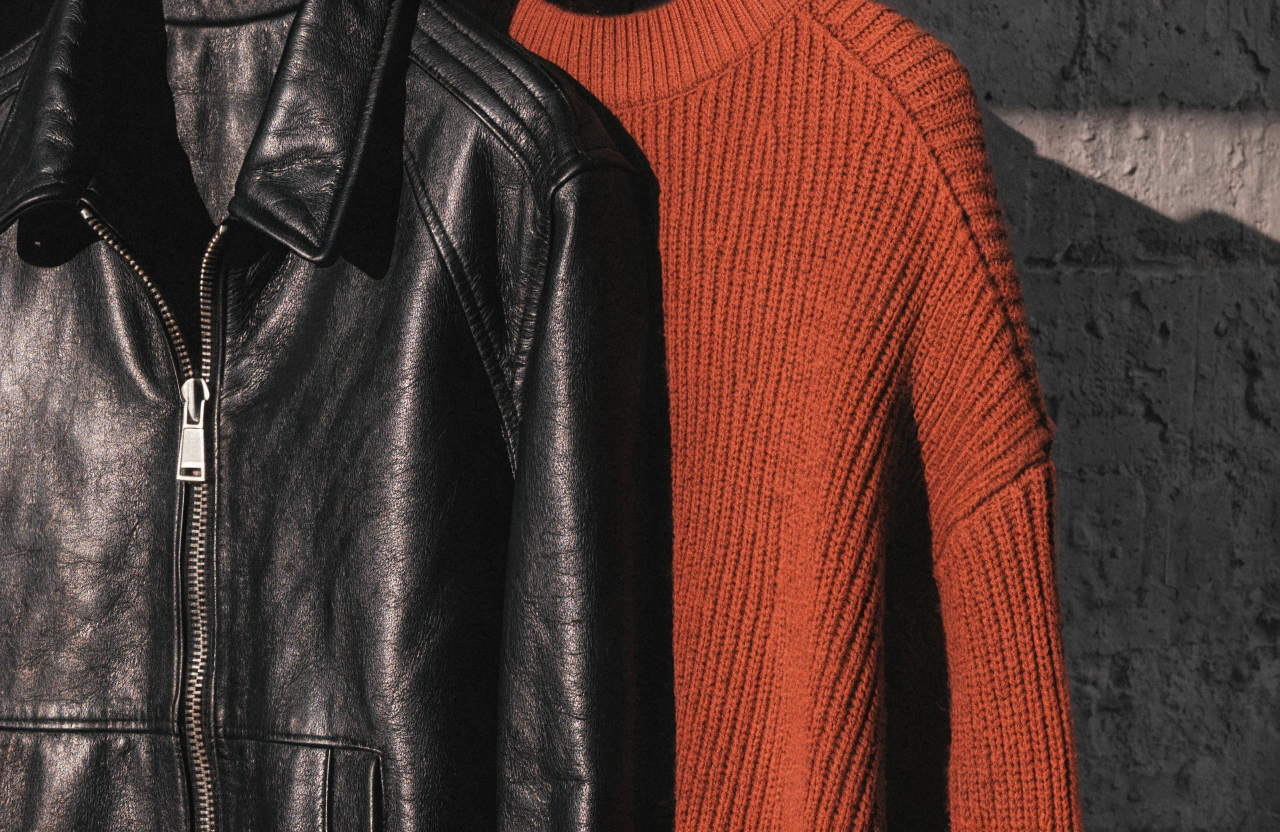
The main difference is function and construction: a jacket is outerwear built for protection, while a sweater is knitwear designed for warmth and layering.
Understanding this difference is essential for apparel development, merchandising, and manufacturing decisions. The distinction becomes clear when structure, fabric, and production methods are examined closely.
How Does Function Separate Jackets From Sweaters?
Function is the clearest starting point.
Jackets are designed to protect the body from external conditions, while sweaters focus on insulation and comfort.
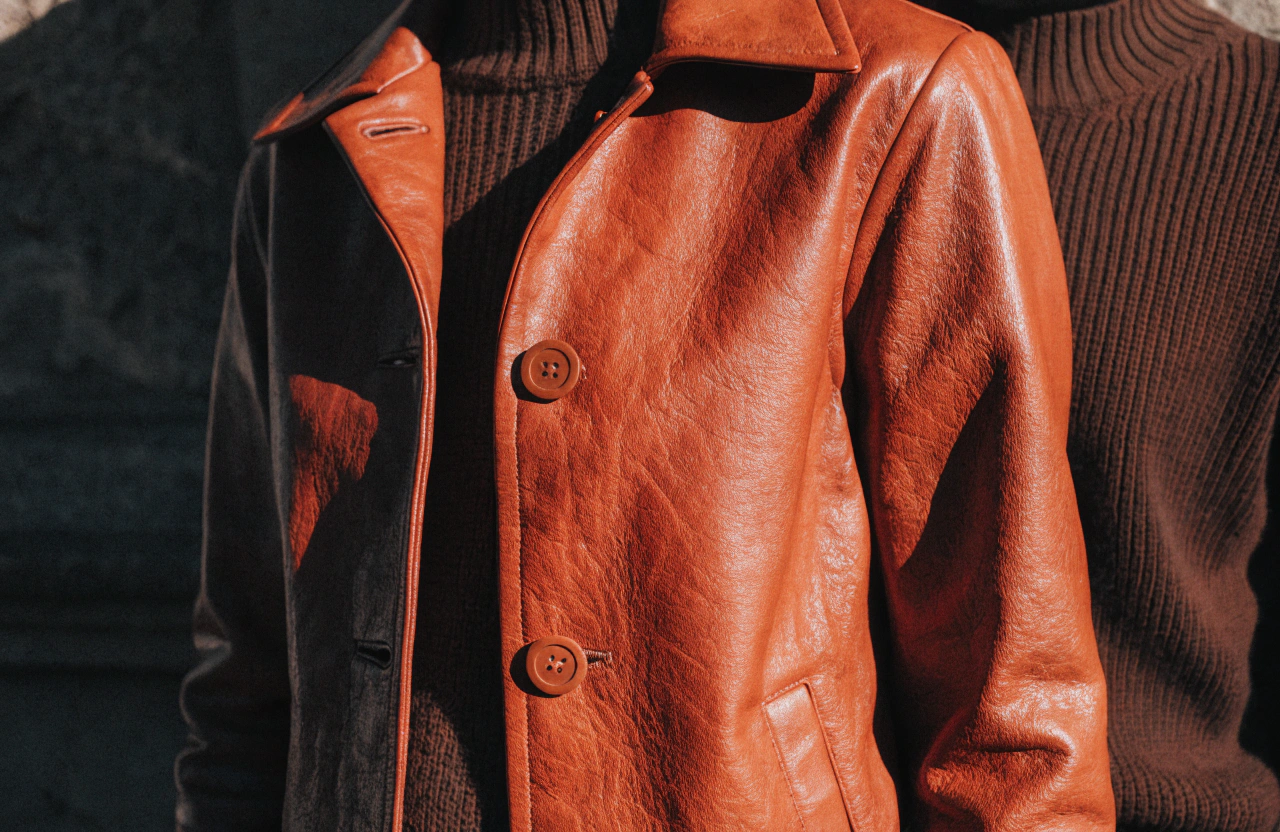
Jackets act as the outermost layer. They help block wind, light rain, and cold air. Many jackets include closures, collars, storm flaps, and structured shapes to shield the body. The goal is protection first, warmth second.
Sweaters sit inside the layering system. They are worn over base layers and under jackets or coats. Their main role is to trap heat while staying breathable. Sweaters do not block wind or moisture. They support comfort rather than defense.
This functional gap defines how consumers wear each item. Jackets are taken off indoors. Sweaters are often kept on. This difference drives design, fabric choice, and marketing language across apparel collections.
What Fabric Types Are Used in Jackets and Sweaters?
Fabric choice clearly separates these two garments.
Jackets use structured woven fabrics, while sweaters rely on knitted fabrics for stretch and warmth.
Jackets often use polyester, nylon, canvas, or blended woven fabrics. These materials hold shape and resist tearing. Many include coatings or laminations for water or wind resistance. Linings and padding are common.
Sweaters are made from knitted materials such as cotton jersey, fleece, wool blends, or acrylic yarns. Knitted fabric stretches naturally and feels soft against the skin. Breathability is higher, but protection is lower.
From a technical view, woven fabrics limit airflow. Knitted fabrics allow air circulation. This single difference explains why jackets shield and sweaters insulate. The fabric structure defines performance long before design details are added.
How Does Construction and Structure Differ?
Construction methods further define the category.
Jackets rely on complex panel construction, while sweaters follow simpler knit-based assembly.
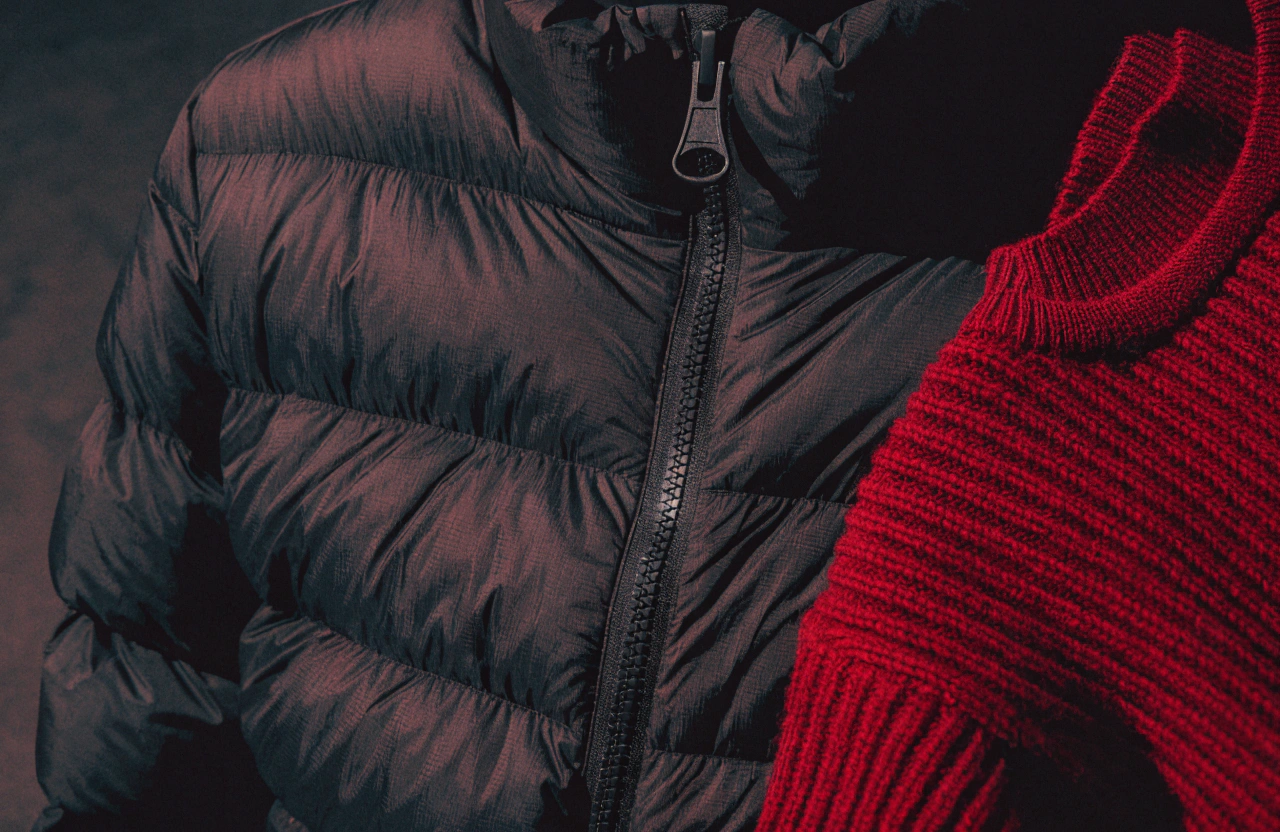
Jackets are built with multiple layers. Shell fabric, lining, and sometimes padding are assembled together. Interlinings add stiffness. Stitch density must handle stress from movement and closures. Pattern shapes aim to keep form.
Sweaters use cut-and-sew knit panels or fully knitted shapes. Construction focuses on stretch and recovery. Rib cuffs, waistbands, and collars provide shape without stiffness. Seams must stretch with the fabric.
In production workshops, jacket lines include more operations and inspections. Sweater lines move faster and rely on fabric behavior rather than structure. These construction differences affect cost, lead time, and defect risk.
How Do Manufacturing Processes Separate the Two?
Production flow reveals the true nature of each garment.
Jackets require outerwear production systems, while sweaters follow knitwear manufacturing workflows.
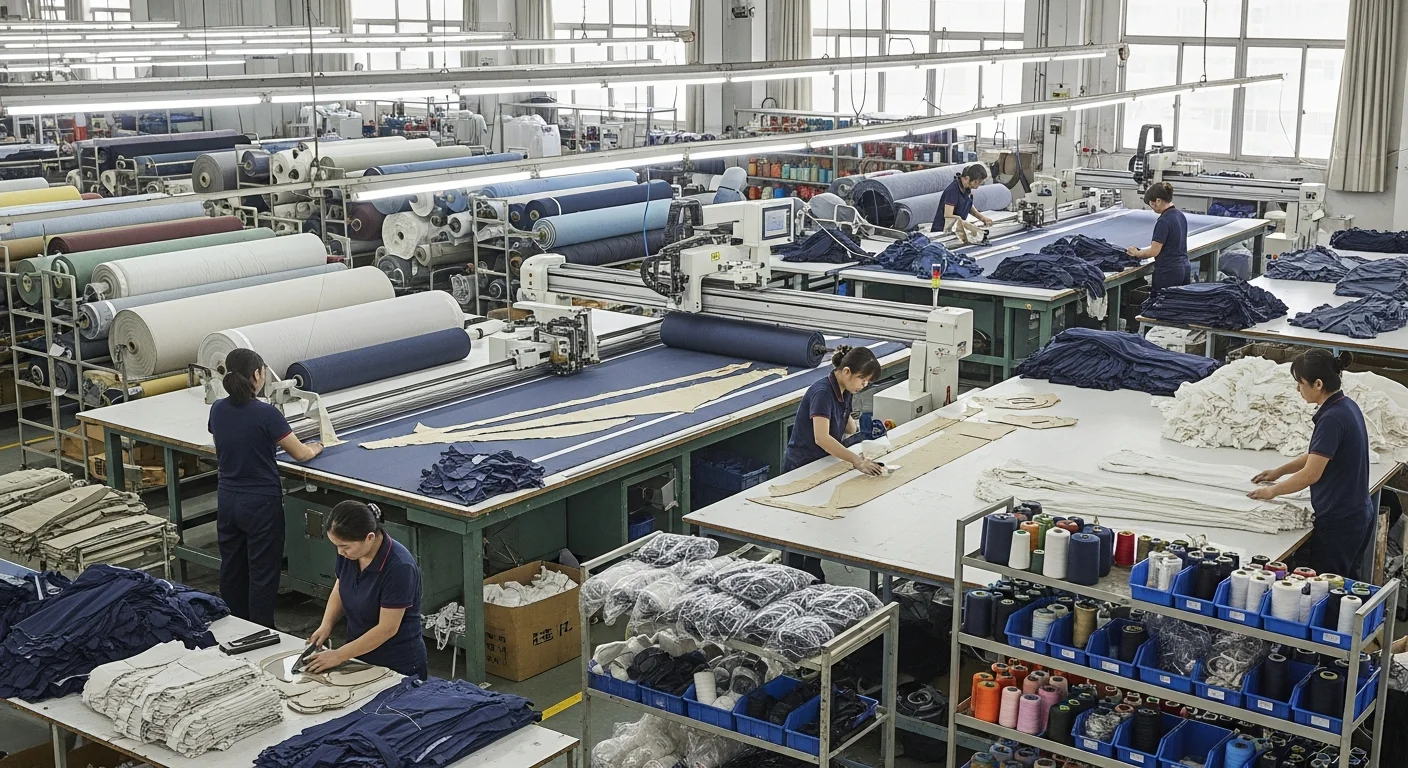
Jacket manufacturing starts with woven fabric inspection, bonding or coating checks, and precise cutting. Sewing involves specialized machines for thick seams and closures. Quality control focuses on seam strength, water resistance, and shape stability.
Sweater production starts with knit fabric relaxation or yarn knitting. Cutting must account for stretch. Sewing uses overlock, flatlock, or coverstitch machines. Washing and finishing play a major role in final quality.
Workshop layout differs as well. Jacket production lines are longer and slower. Sweater lines are more flexible and scalable. These realities make jackets more complex and sweaters more adaptable in seasonal planning.
How Do Use Scenarios and Styling Differ?
Wear scenarios influence how each garment is perceived.
Jackets are worn as outer protection, while sweaters serve as inner warmth layers or standalone tops.
Jackets suit outdoor movement, commuting, and changing weather. Styling often emphasizes structure and silhouette. Sweaters suit indoor environments, casual settings, and layered outfits.
In retail displays, jackets appear in outerwear sections. Sweaters appear with tops or knitwear. This separation helps customers understand purpose instantly.
Design teams use this logic to plan assortments. Jackets anchor seasonal outerwear stories. Sweaters fill volume and support layering needs. Mixing these roles leads to customer confusion and weaker product identity.
How Should Apparel Brands Define Jackets and Sweaters?
Clear definitions improve product strategy.
Jackets should be defined by protection and structure, while sweaters should be defined by knit warmth and comfort.
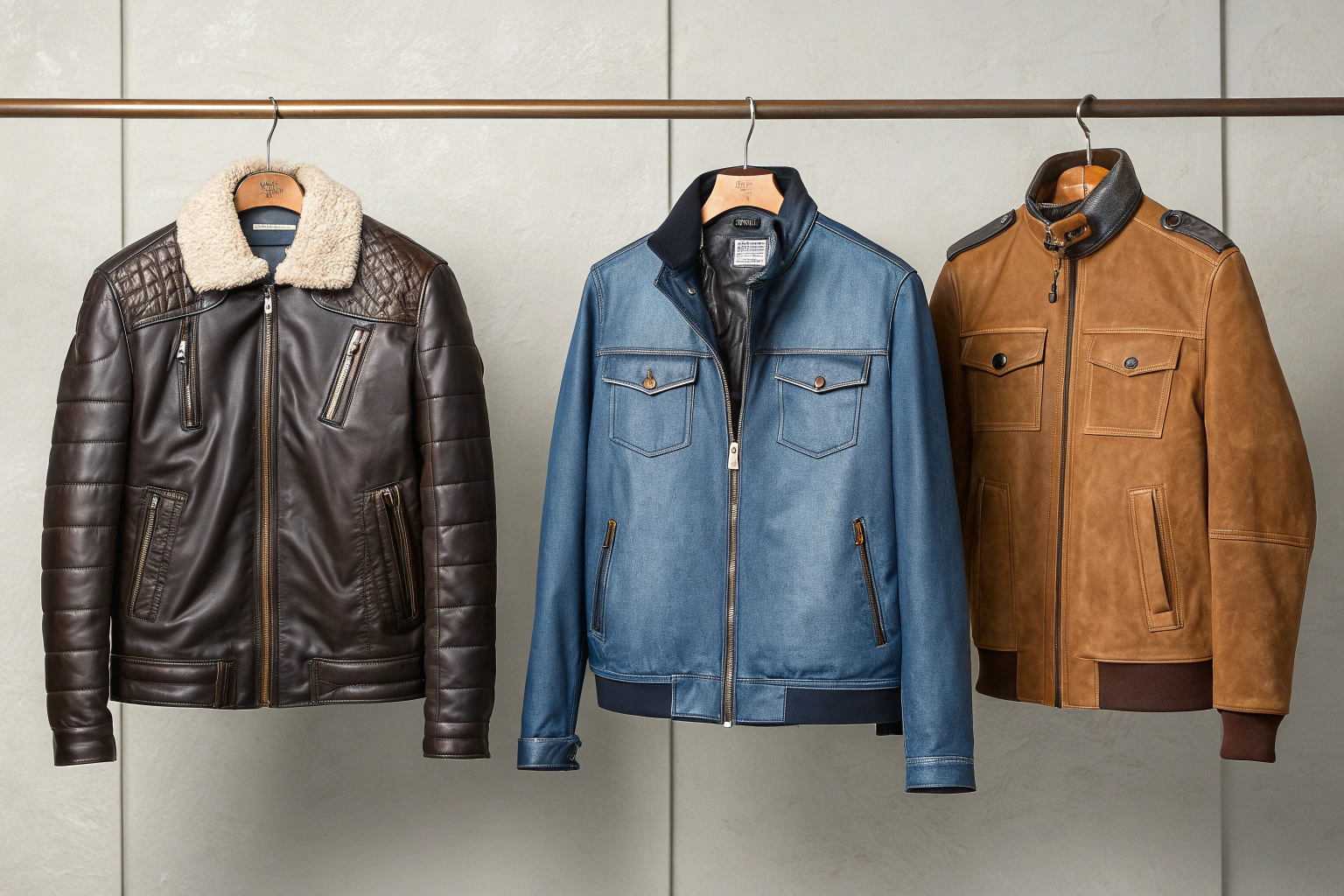
Using correct language helps across design, sampling, and production. Fabric sourcing becomes clearer. Cost planning becomes more accurate. Customer expectations align with actual performance.
Factories also benefit from clarity. Equipment allocation, skill planning, and quality standards depend on correct classification. A sweater treated like a jacket creates cost pressure. A jacket treated like a sweater creates performance failure.
Clear definitions support stronger collections and long-term consistency.
Conclusion
The difference between a jacket and a sweater lies in purpose, fabric, structure, and manufacturing process. Jackets protect the body from external conditions through woven fabrics and complex construction. Sweaters provide warmth and comfort through knitted materials and flexible assembly. Recognizing this difference allows apparel collections to stay clear, functional, and professionally structured across design, production, and market presentation.