
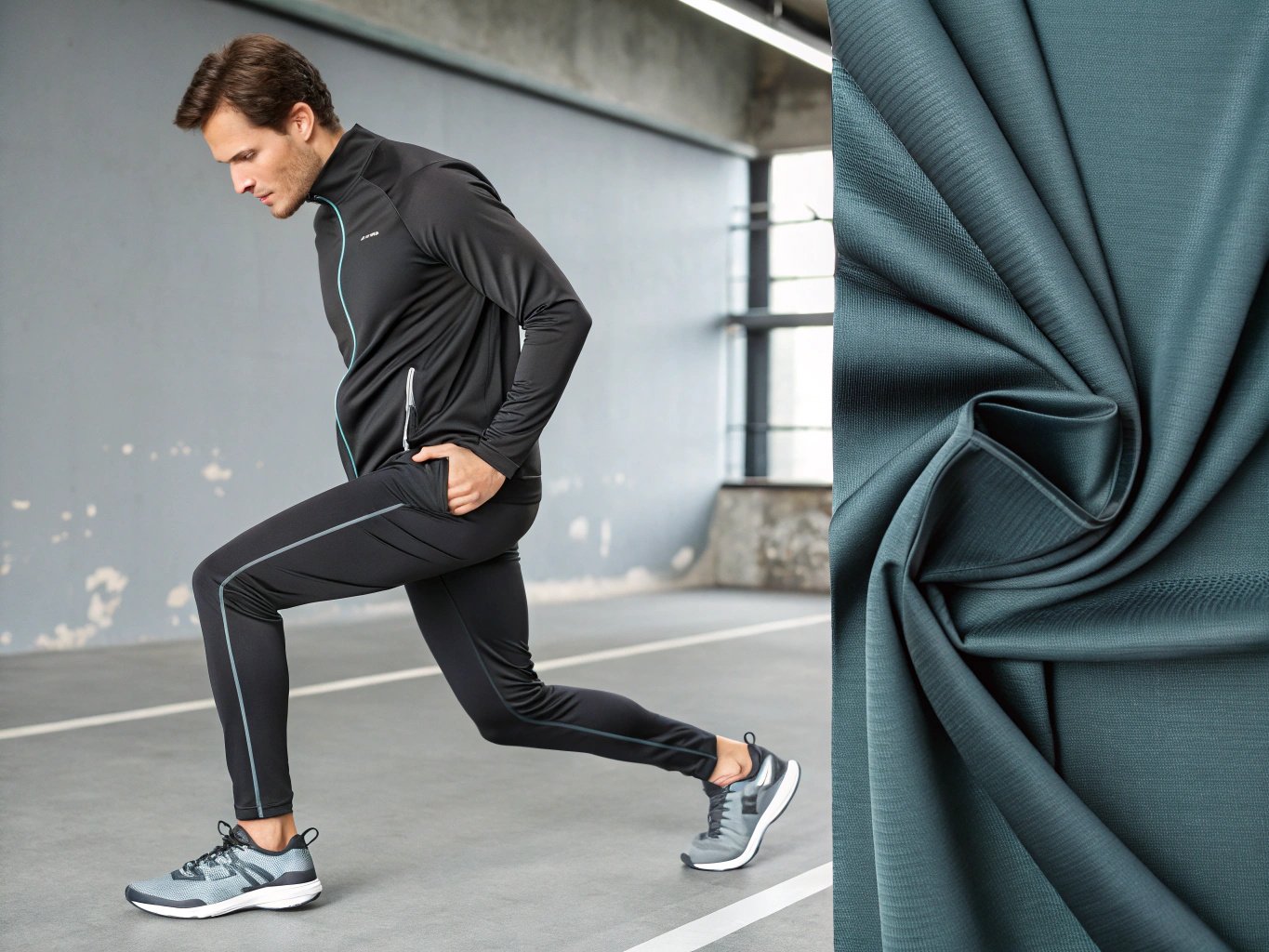
Curious about elastane fabric? This versatile material offers flexibility and comfort. In this article, we’ll dive into its properties, how it’s made, and why it’s a favorite in activewear.
Elastane fabric is a synthetic fiber known for its stretchability and comfort, commonly used in sportswear and performance clothing.
Choosing the right fabric for your clothing can be tricky. Elastane, also known as spandex or Lycra, has become a staple in the textile industry due to its incredible stretch and comfort. Let’s explore why elastane is so popular and how it’s made.
What is Elastane?
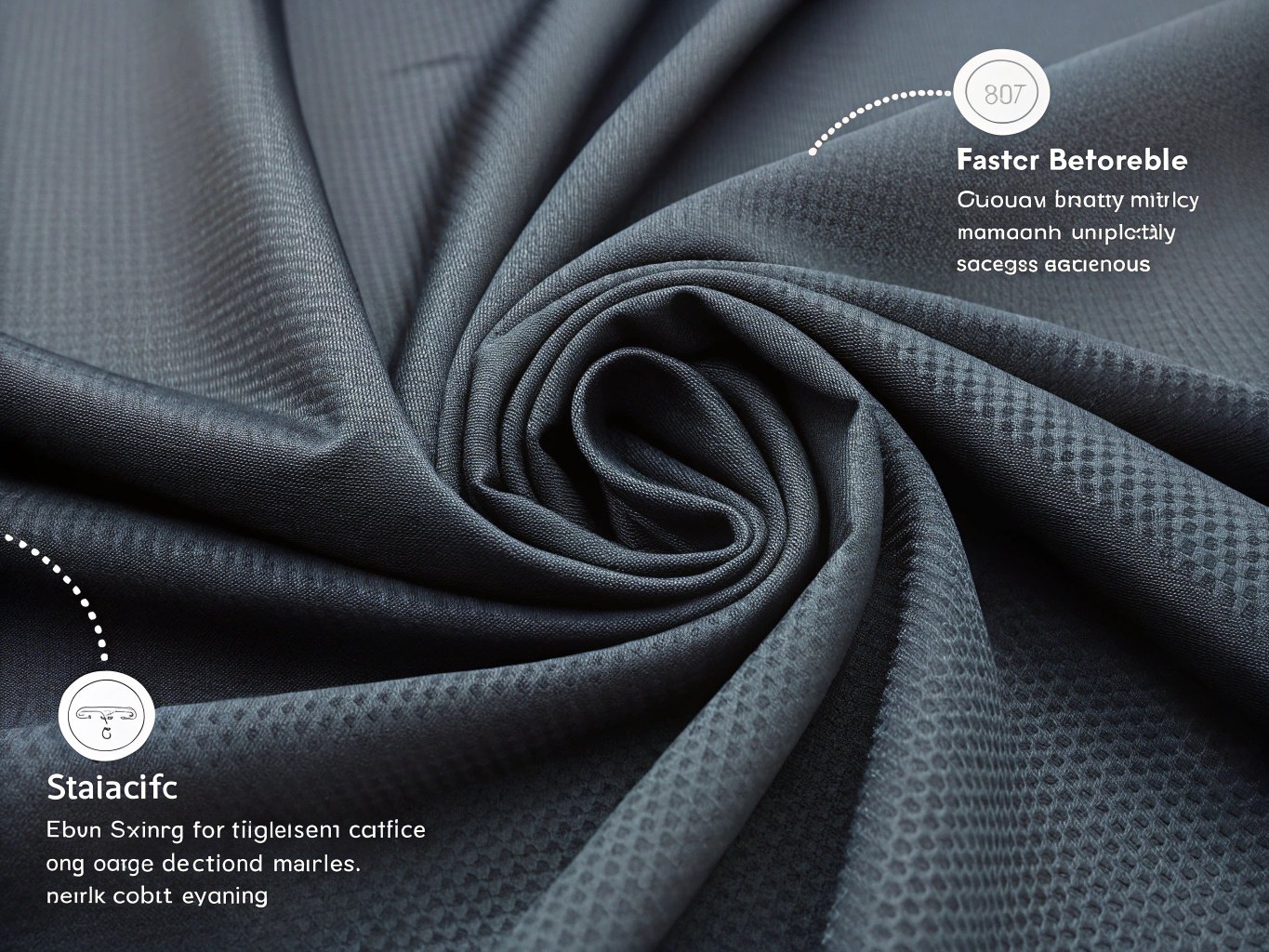
Elastane is a synthetic fiber known for its exceptional elasticity. It is often referred to by its brand names, such as Lycra and Spandex. Elastane can stretch up to five times its original length, making it ideal for garments that require flexibility and comfort. Commonly used in activewear, swimwear, and other clothing that benefits from its stretch properties.
Key Features of Elastane:
- Stretchable: Can stretch up to 5 times its original length.
- Durable: Retains shape even after repeated use.
- Soft and smooth: Feels comfortable against the skin.
Properties of Elastane
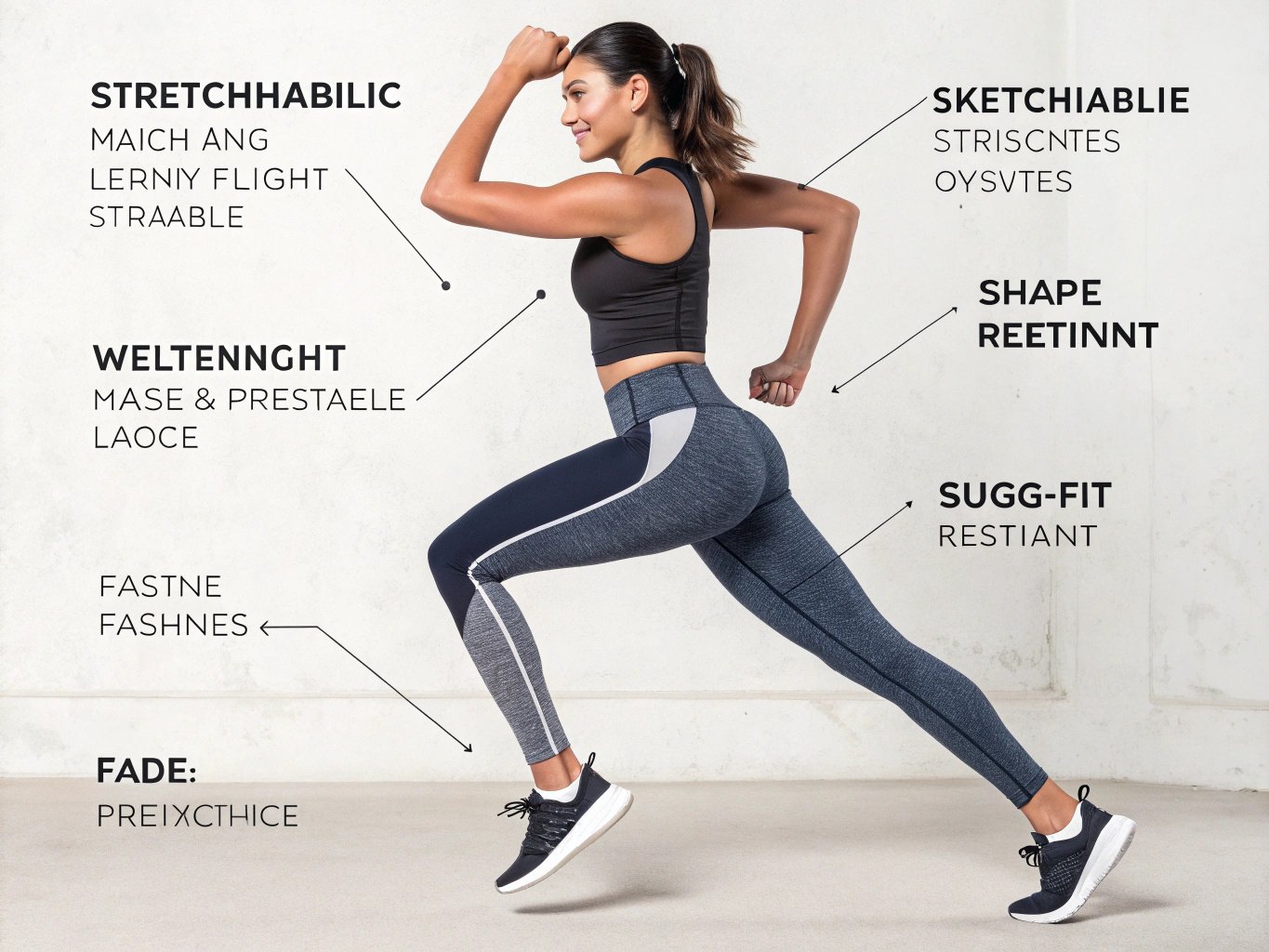
Elastane’s properties make it highly sought after for activewear and performance clothing. Here are some notable properties of elastane fabric:
-
Stretchability:
Elastane’s hallmark feature is its ability to stretch up to 5 times its size. This makes it an excellent choice for garments that need to move with the body, like leggings or workout gear. -
Shape Retention:
Elastane retains its shape even after prolonged wear, ensuring that sportswear remains tight and supportive. -
Comfortable Fit:
Elastane molds to the body, providing a snug yet flexible fit. -
Lightweight:
Elastane is lightweight, adding comfort without bulking up the clothing. It’s ideal for form-fitting garments. -
Resistance to Fading:
Elastane resists fading, meaning your clothes will retain their color for longer, even after multiple washes.
How Elastane Fabric is Made
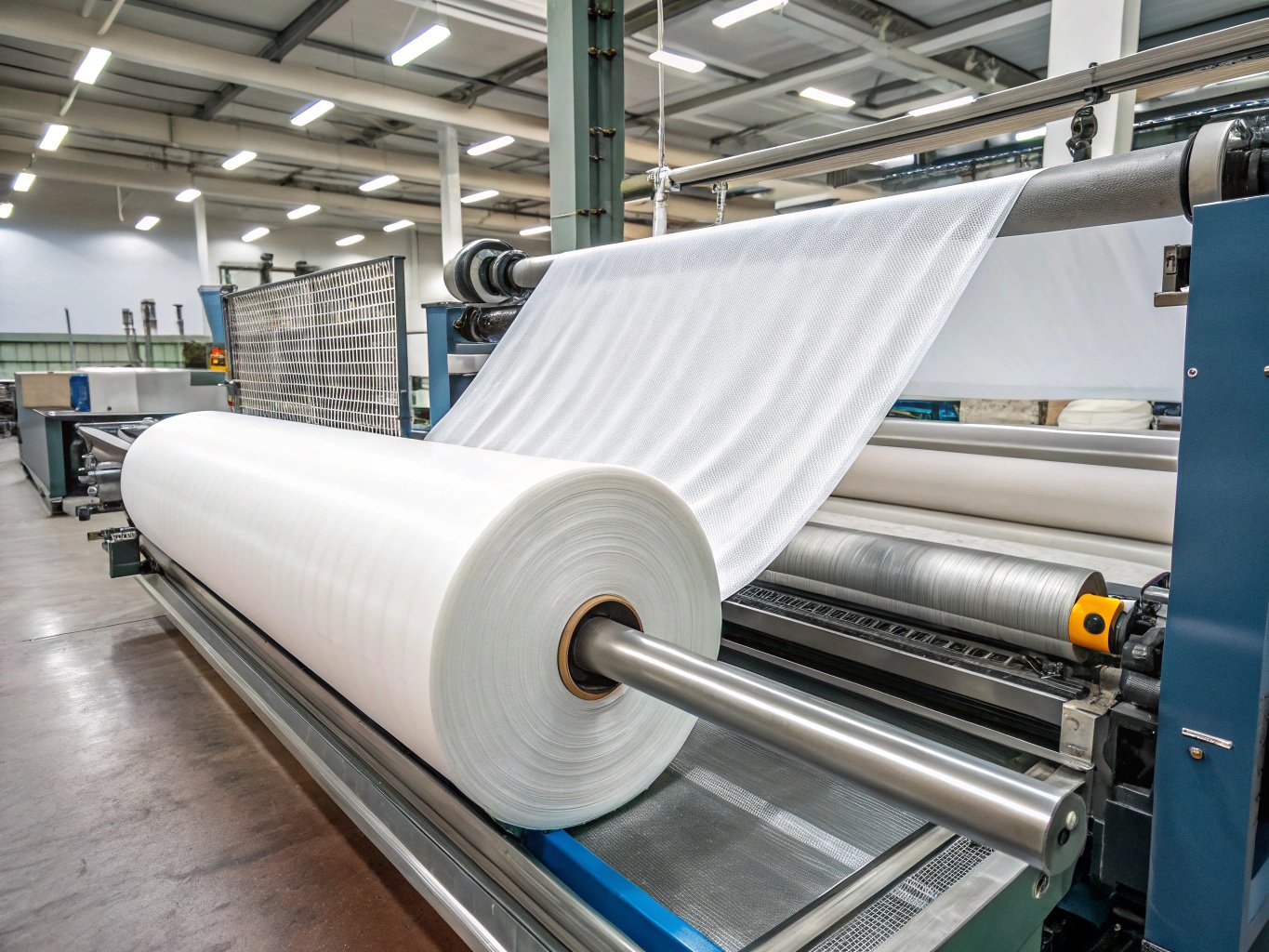
Elastane is made through a complex chemical process. The raw materials used are generally polyurethane and polyether. These materials are combined to create elastane fibers through a process called polymerization, where chemicals are heated and combined to form long chains of molecules. These fibers are then stretched and cooled to form the final product.
Steps in the Production of Elastane:
- Polymerization: Raw chemicals are combined to create a long chain of molecules.
- Extrusion: The polymer is extruded into long threads.
- Stretching: The threads are stretched to increase their elasticity.
- Finishing: The fibers are finished to add texture and softness.
Uses of Elastane Fabric
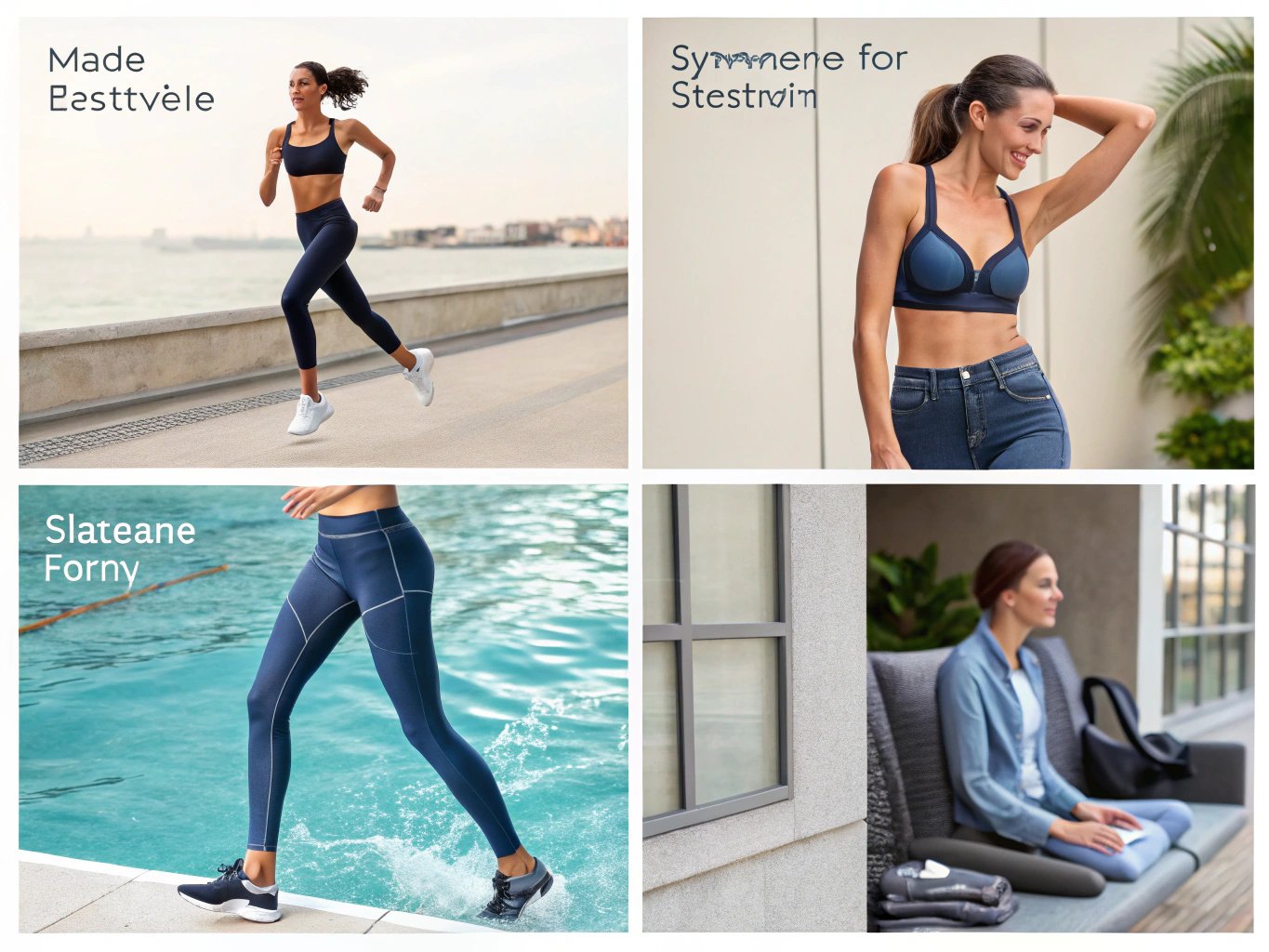
Elastane is a versatile fabric used in various applications. Some of the most common uses include:
-
Sportswear:
Elastane is widely used in activewear, including leggings, workout shirts, and sports bras, due to its flexibility and support. -
Swimwear:
Many swimsuits are made with elastane for its stretchability and form-fitting shape. -
Shapewear:
Elastane is used in shapewear like control top tights and slimming garments, as it contours the body. -
Jeans and Pants:
Elastane is often blended with cotton or denim to add stretch to jeans, making them more comfortable and flexible. -
Undergarments:
Many undergarments, including bras and panties, are made from elastane for a smooth, stretchy fit.
Care and Maintenance
Elastane fabric is relatively easy to care for but requires some attention to maintain its elasticity and color. Here are some care tips for elastane garments:
Washing Elastane:
- Use cold water: Wash elastane garments in cold water to prevent the fibers from degrading.
- Gentle cycle: Always choose a gentle washing cycle to avoid stretching or damaging the fabric.
- Avoid bleach: Bleach can weaken elastane fibers and cause the fabric to lose its stretch.
Drying Elastane:
- Air dry: It’s best to air dry elastane garments, as high heat can damage the fabric. Avoid tumble drying.
Conclusion
Elastane fabric is a fantastic addition to any wardrobe, thanks to its stretch, durability, and comfort. While it’s most commonly used in activewear and shapewear, it also appears in everyday clothing like jeans and undergarments. Despite some environmental concerns, its benefits in terms of comfort and flexibility are undeniable. So, the next time you’re shopping for clothes, consider elastane blends for an extra boost of stretch and comfort!