
Sweatshirts have evolved from simple athletic garments into essential items across casual, active, and lifestyle wardrobes. Their value lies in comfort, function, and manufacturing adaptability.
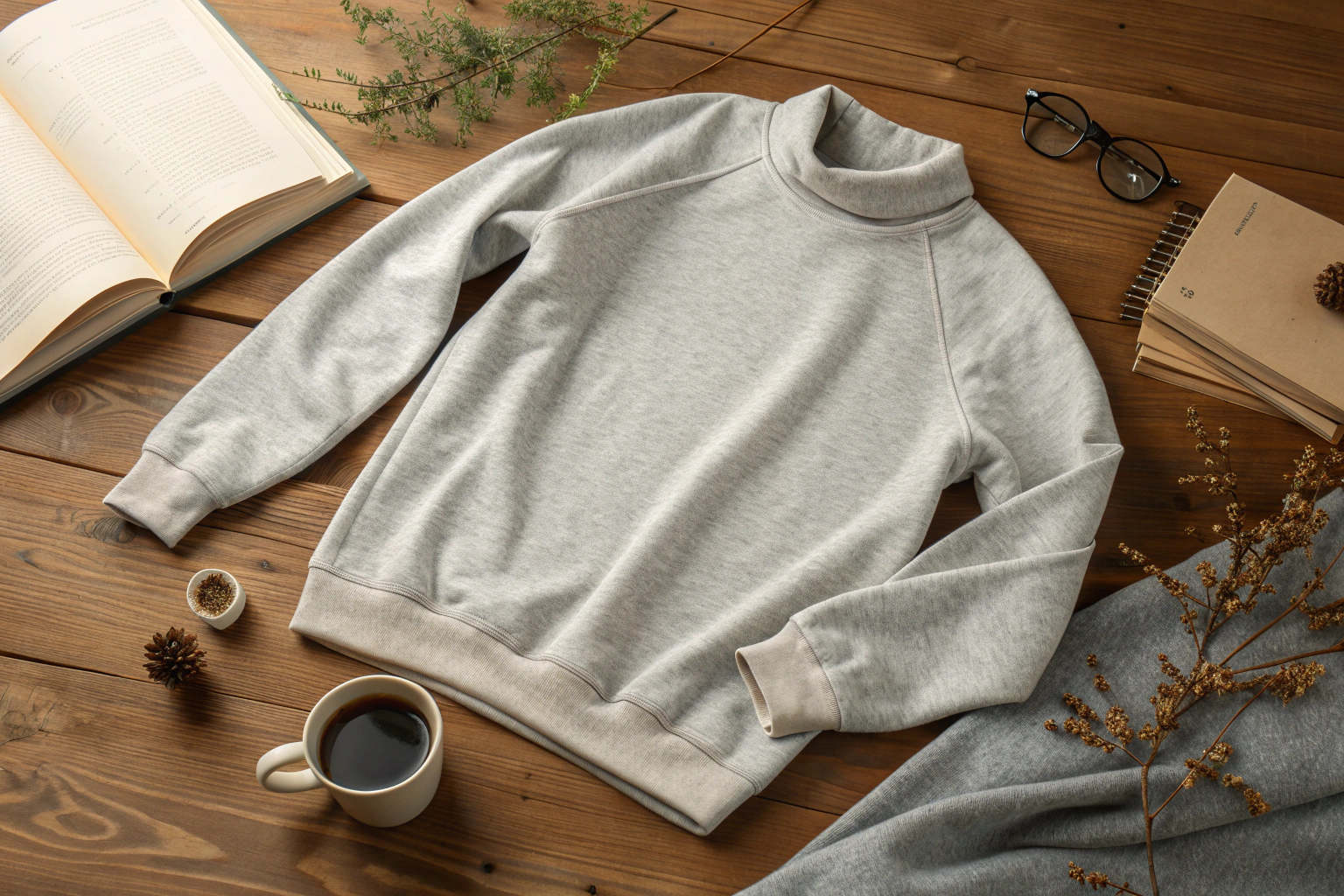
Wearing a sweatshirt provides warmth, comfort, flexibility, and long-term durability, making it a practical garment for daily wear across seasons and usage scenarios.
Modern sweatshirts combine fabric engineering, ergonomic structure, and efficient production processes. These factors allow the garment to meet both functional needs and market demand at scale.
How do sweatshirts provide warmth and temperature balance?
Thermal performance is one of the primary advantages of a sweatshirt.
Sweatshirts retain body heat through knit structures and inner surfaces while allowing controlled airflow to prevent overheating.

Most sweatshirts are produced using fleece or French terry fabrics. Fleece fabrics feature brushed inner layers that trap air and improve insulation. French terry fabrics use loop-back yarns that balance warmth and breathability. Fabric weight is carefully selected during development, usually ranging from mid to heavy GSM, depending on seasonal positioning. This balance allows sweatshirts to function as outerwear in mild conditions and as mid-layers in colder environments. Compared with rigid jackets, sweatshirts offer softer thermal protection without restricting movement.
Why are sweatshirts known for comfort and ease of wear?
Comfort directly influences repeat wear and consumer satisfaction.
Soft fibers, stretchable knit construction, and relaxed silhouettes make sweatshirts comfortable for extended periods of use.
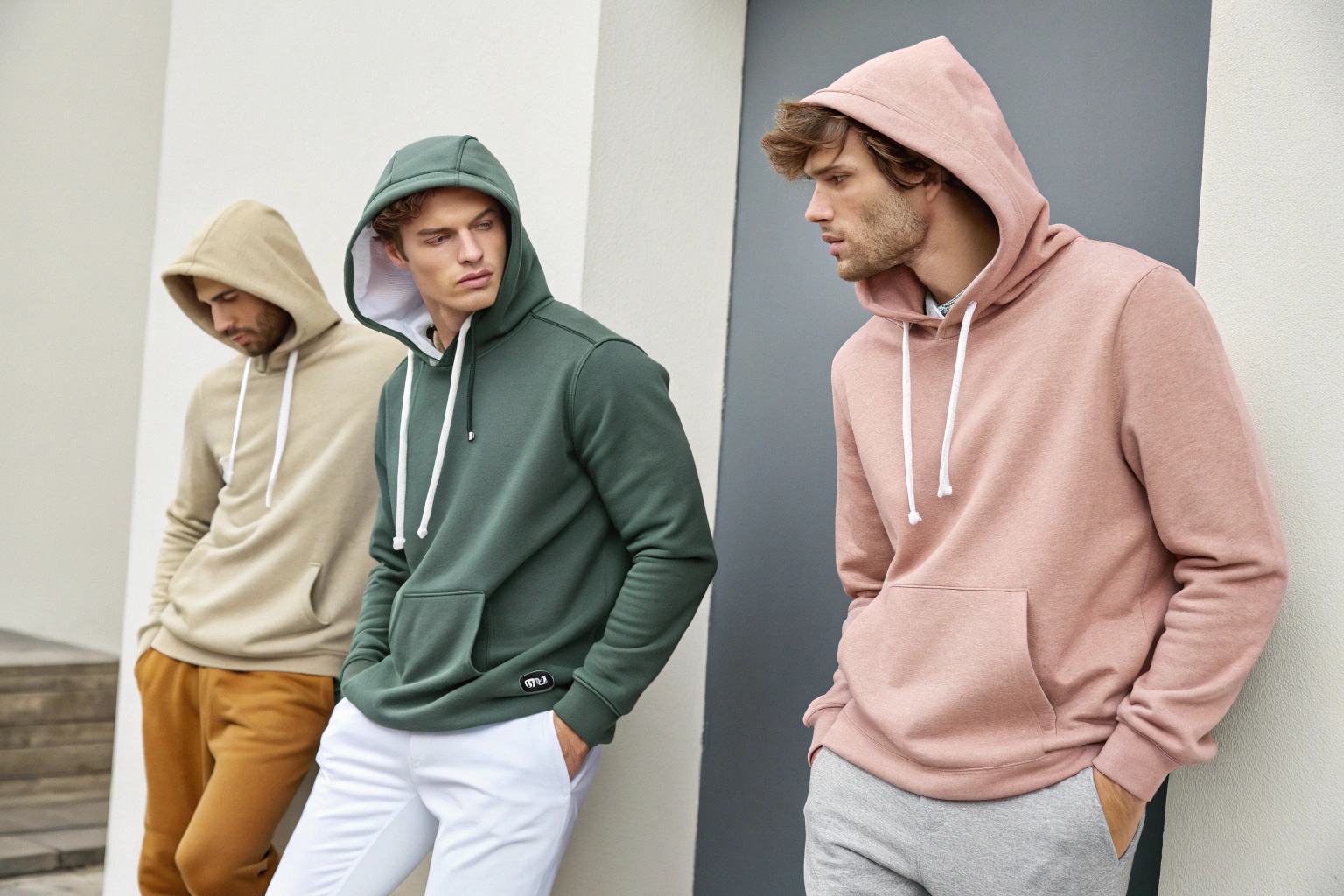
During manufacturing, cotton, polyester, and blended yarns are selected for softness and resilience. Knit structures naturally stretch, reducing pressure on shoulders, arms, and torso. Ribbed cuffs and hems help garments stay in place without tight compression. Seam techniques such as overlock and coverstitch are commonly used to reduce bulk and skin irritation. These construction details make sweatshirts suitable for work-from-home wear, travel, leisure, and light activity.
How do sweatshirts support movement and daily activity?
Flexibility is a key functional benefit.
Sweatshirts allow free movement through stretch fabrics, ergonomic pattern cutting, and relaxed armhole design.
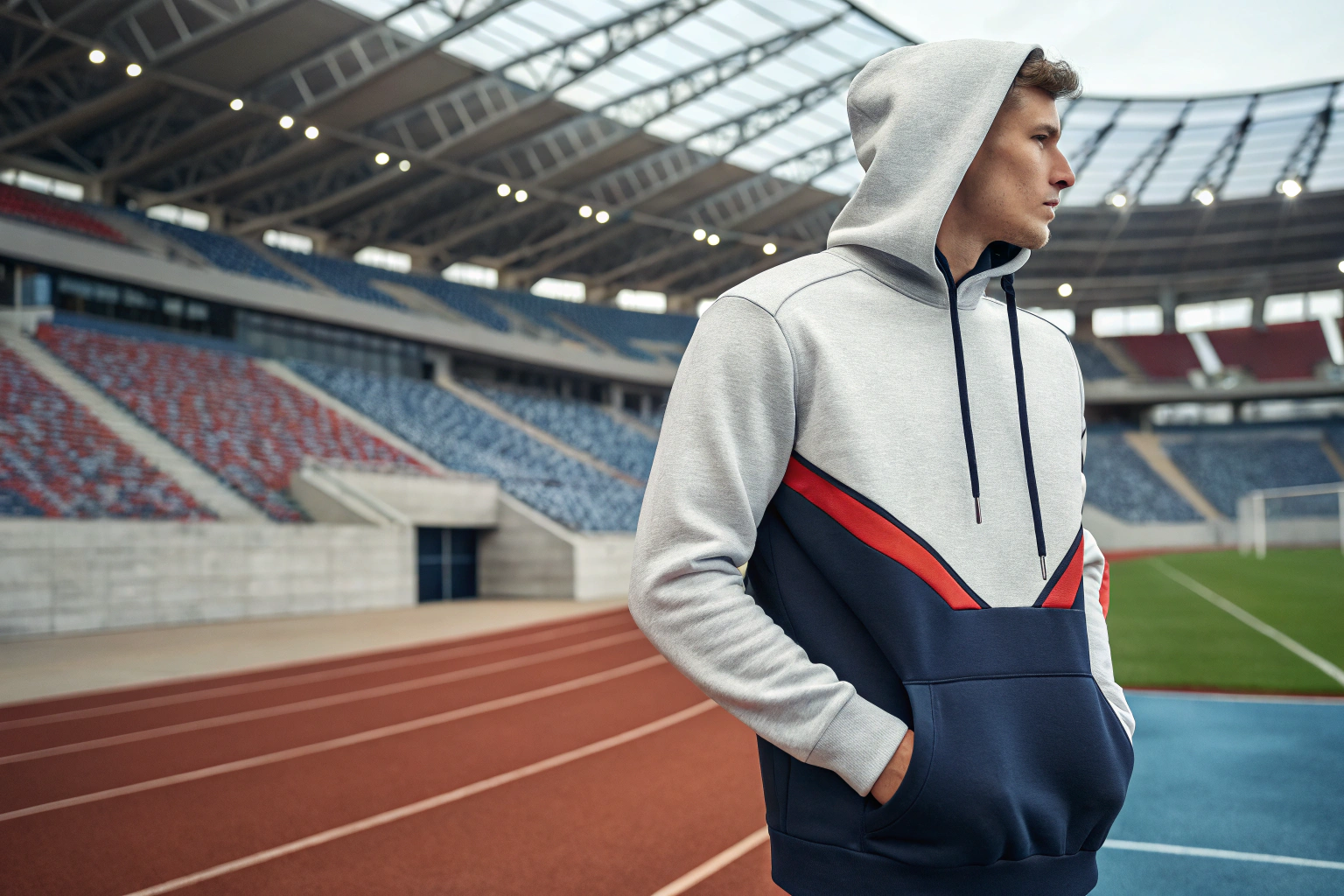
In production, pattern development focuses on shoulder slope, sleeve width, and body allowance. Raglan sleeves or dropped shoulders are often used to improve arm mobility. Blended fabrics with elastane further enhance stretch recovery, helping garments maintain shape after repeated wear and washing. These features make sweatshirts suitable for warm-up sessions, commuting, casual outdoor activity, and long periods of sitting or standing.
Why are sweatshirts ideal for layering across seasons?
Layering versatility increases the practical value of a garment.
Sweatshirts function effectively as both outer layers in mild weather and mid-layers under coats in colder conditions.
Sweatshirt thickness is engineered to avoid excess bulk. Necklines, hoods, and shoulder seams are designed to sit smoothly under jackets. At the same time, the fabric weight is substantial enough to be worn alone during spring and autumn. Manufacturers test shrinkage and dimensional stability to ensure consistent fit after washing, which is critical for layered styling. This adaptability makes sweatshirts suitable for travel wardrobes and regions with changing climates.
What role do sweatshirts play in factory production and craftsmanship?
From a manufacturing perspective, sweatshirts are highly efficient and scalable products.
Sweatshirts allow standardized production while supporting customization in fabric, fit, and surface decoration.
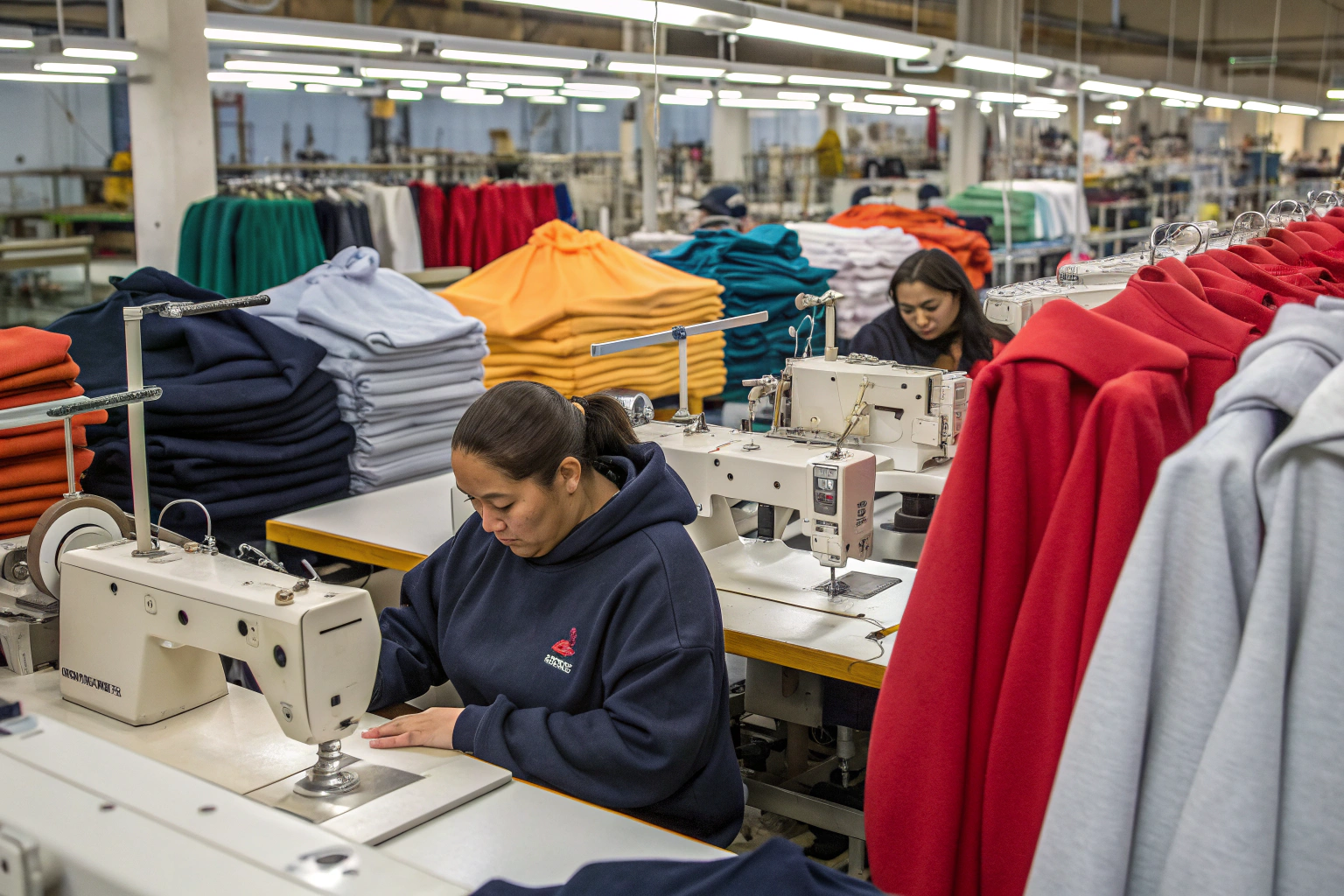
In factory workshops, sweatshirt production follows a streamlined workflow. Fabric is cut using automated cutting systems to ensure accuracy and reduce waste. Sewing lines are organized by operation, including body assembly, sleeve attachment, rib binding, and finishing. Depending on the design, additional steps such as brushing, enzyme washing, or pre-shrinking may be applied. Quality control checks focus on seam strength, size tolerance, and fabric surface consistency. Sweatshirts also support multiple decoration techniques such as screen printing, embroidery, and heat transfer, increasing product diversity without changing core construction.
Conclusion
The benefits of wearing a sweatshirt extend far beyond casual comfort. Sweatshirts provide reliable warmth, flexible movement, and easy layering, making them suitable for daily life, light activity, and seasonal transitions. From a manufacturing standpoint, they represent a well-balanced product that combines efficient production with design adaptability. Fabric selection, pattern engineering, and workshop craftsmanship all contribute to a garment that performs consistently across markets and use cases. As a result, sweatshirts remain a foundational category in apparel collections, valued for their practicality, durability, and long-term relevance in modern wardrobes.