
Choosing the right printing method affects how apparel looks, feels, and performs — especially in sportswear and activewear production.
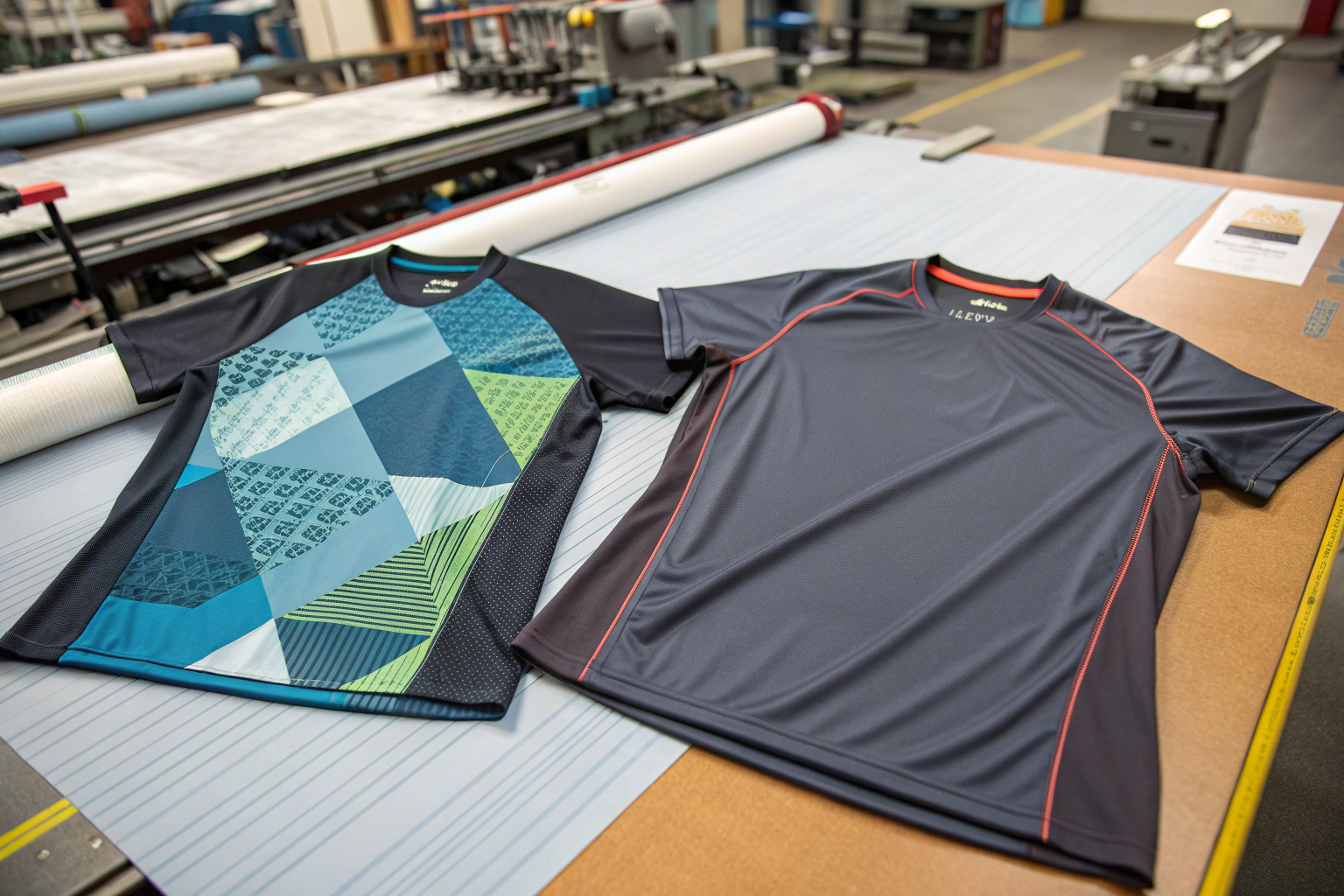
Sublimation and screen printing differ in technique, fabric compatibility, color durability, and production cost. Sublimation infuses ink into fabric, while screen printing layers ink on top.
Understanding the strengths and limitations of each method is essential when selecting the right process for a garment line. Manufacturers align these methods with client priorities — whether full-color graphics, cost efficiency, or textile type — to ensure production meets both design and performance expectations.
What is the main process difference between sublimation and screen printing?
Both methods apply graphics to garments but use very different technologies.
Sublimation uses heat to bond dye with polyester fibers, while screen printing uses stencils and layers ink on fabric surfaces.
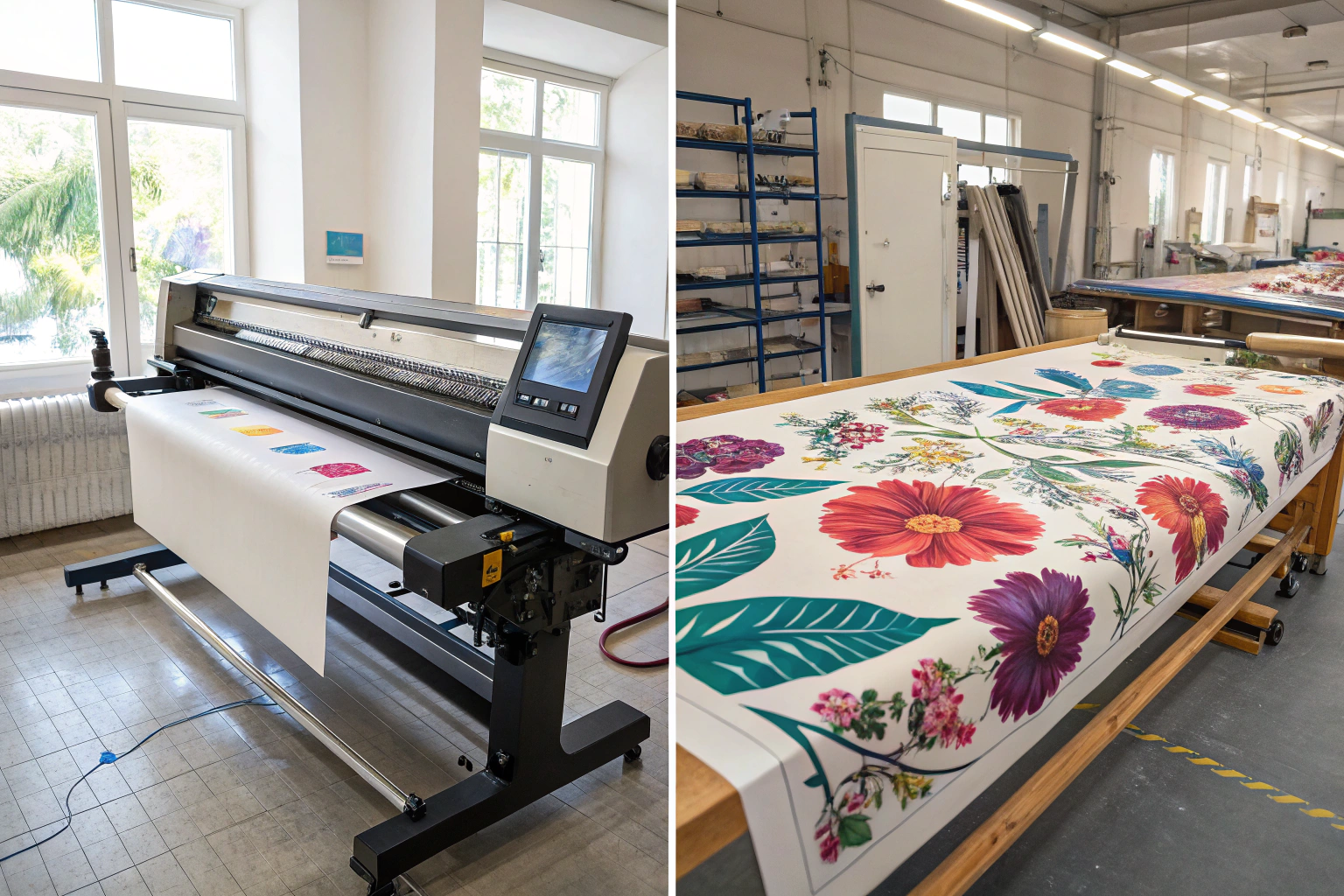
Sublimation printing begins with digital artwork printed onto transfer paper using special dye-based inks. Heat presses then vaporize the ink, bonding it directly into polyester fabric. This creates permanent, vibrant color that doesn’t fade or crack.
Screen printing involves creating mesh stencils for each color and pressing ink through the mesh onto the fabric. It’s widely used on cotton and blends, producing bold, solid colors ideal for logos and text-based designs.
| Feature | Sublimation | Screen Printing |
|---|---|---|
| Process Type | Heat-based ink transfer | Ink layered through stencils |
| Fabric Compatibility | Works only on polyester | Works on cotton, blends, synthetics |
| Color Range | Unlimited (full-color, gradients) | Limited (each color = one screen) |
| Finish Feel | Smooth, no texture | Slightly raised texture |
Which method offers better durability and color retention?
For activewear that must endure sweat, washing, and motion, longevity is critical.
Sublimation offers superior durability and fade resistance, especially for polyester sportswear. Screen printing may fade or crack over time.
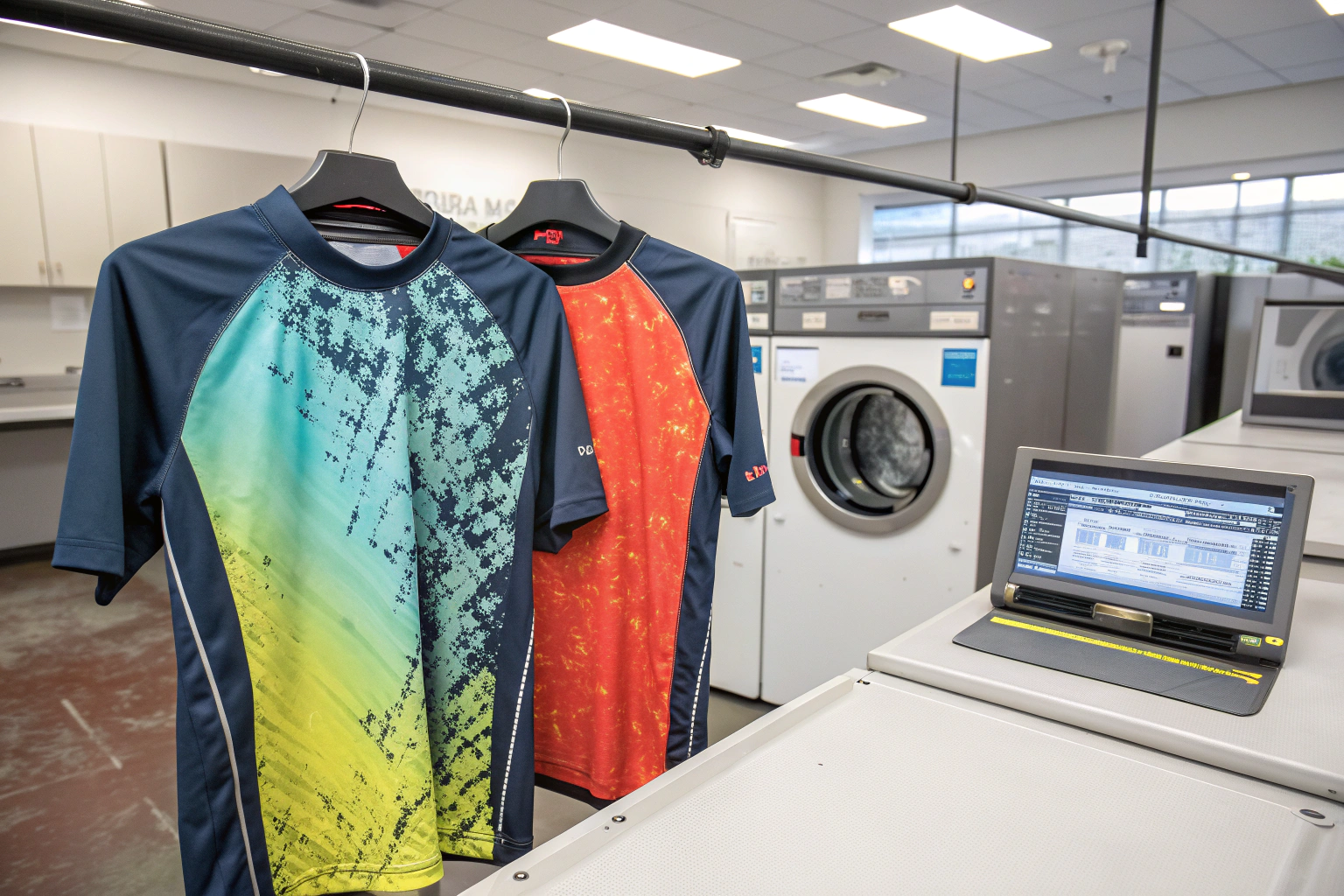
Since sublimation dyes the fabric itself, the graphic becomes part of the garment, maintaining vibrant color through countless washes. It’s highly resistant to cracking or peeling, making it suitable for high-friction or sweat-heavy conditions.
Screen printing sits on the fabric surface. Over time, repeated washing or stretching can lead to cracking, fading, or loss of detail — especially in prints with large solid areas.
| Performance Factor | Sublimation | Screen Printing |
|---|---|---|
| Wash Durability | Excellent | Moderate |
| Fade Resistance | High (built into fabric) | Medium (surface ink) |
| Crack/Peel Risk | None | Possible over time |
| Sweat Resistance | Excellent | Varies by ink and fabric blend |
How does cost and production scalability compare?
Cost can vary depending on order size, design complexity, and fabric type.
Screen printing is cost-effective for large, simple designs, while sublimation suits complex, small-batch, or full-color work.
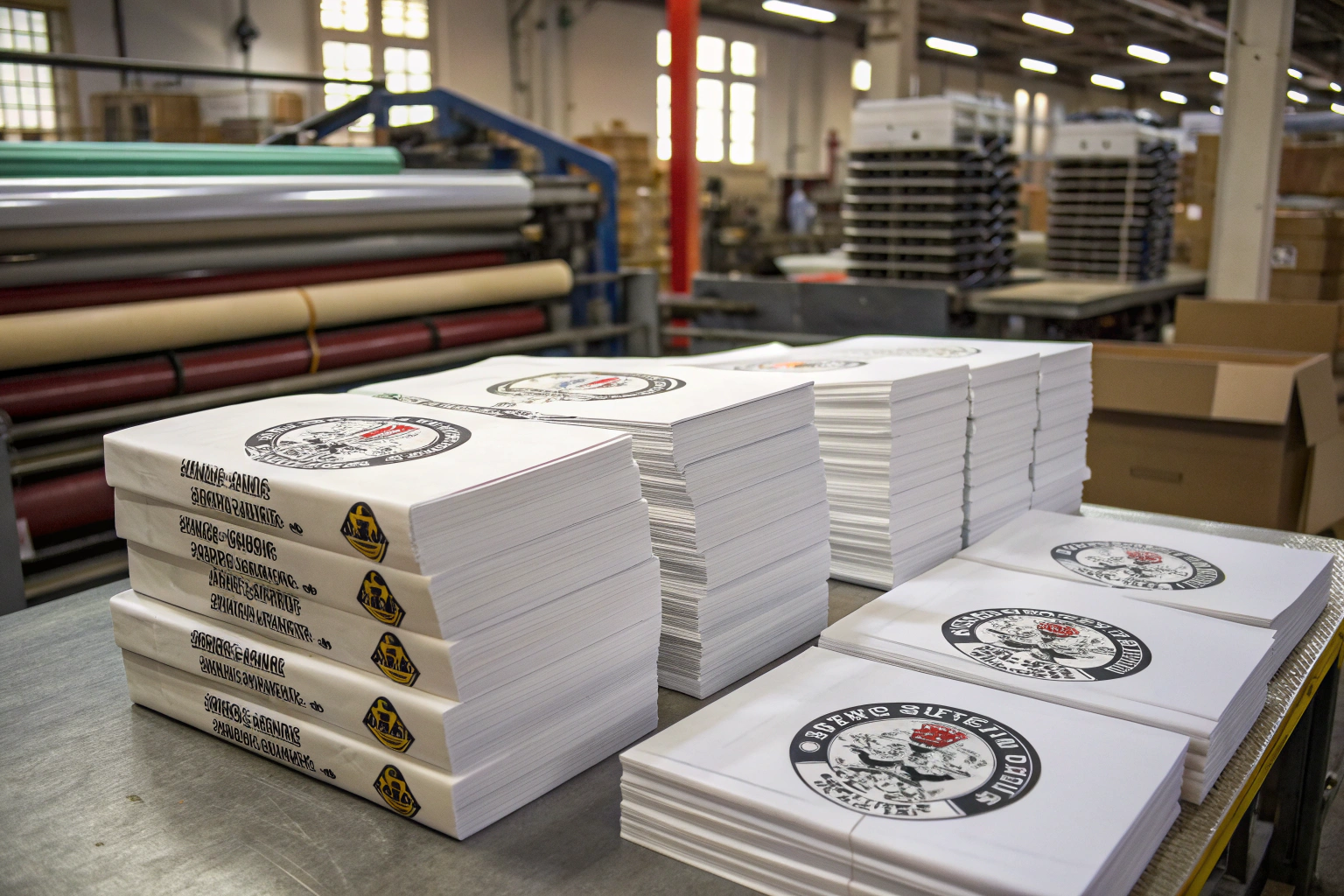
Sublimation has no setup cost for colors, making it ideal for custom orders and quick-turn fashion lines. But it requires polyester garments and cannot print white on dark fabrics.
Screen printing requires setup for each color screen, making it better for bulk runs with fewer colors. While it handles more fabric types, complex multicolor artwork raises costs due to extra labor and prep.
| Cost & Scale Factor | Sublimation | Screen Printing |
|---|---|---|
| Setup Cost | Low (digital design) | High (per screen/color) |
| Best Order Type | Small batch, custom designs | Large volume, repeat graphics |
| Fabric Cost Flexibility | Limited (polyester only) | High (cotton, blends, synthetics) |
| White/Dark Fabric Use | Not ideal for dark colors | Suitable for all fabric colors |
Conclusion
Sublimation and screen printing each offer specific advantages. The choice depends on fabric type, graphic detail, order size, and end-use environment. For technical sportswear and polyester-based apparel, sublimation provides unmatched vibrancy and durability. For cotton garments or large-volume designs, screen printing remains a cost-effective and reliable solution. Manufacturers apply each method based on client goals, garment functionality, and production strategy.