
Cotton has long been regarded as a high-quality natural fiber in the apparel industry, especially for casual wear. When used in hoodies, it offers specific advantages in comfort and aesthetics, but it also comes with certain production and performance considerations.
100% cotton hoodies offer natural softness, breathability, and premium texture, but they may shrink more and dry slower compared to blended fabrics.
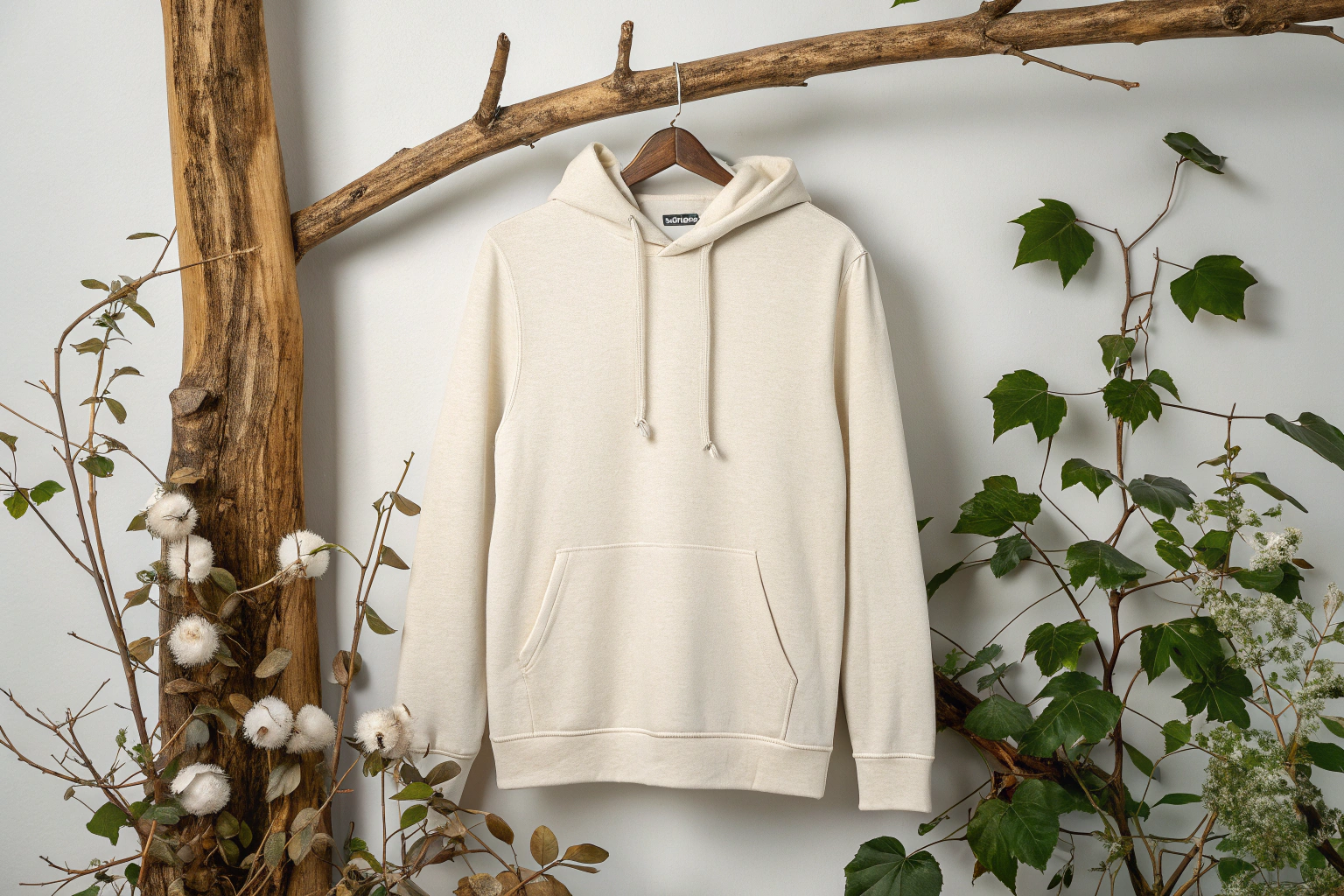
In manufacturing, choosing pure cotton affects not only fabric behavior but also cost structure, finishing techniques, and durability in long-term wear. Understanding these factors is key when evaluating material options in hoodie development.
What are the main benefits of 100% cotton hoodies?
Natural cotton fibers offer skin-friendly comfort and high visual quality.
Cotton hoodies provide a soft handfeel, high breathability, and non-irritating wear, making them suitable for sensitive skin and daily casual use.
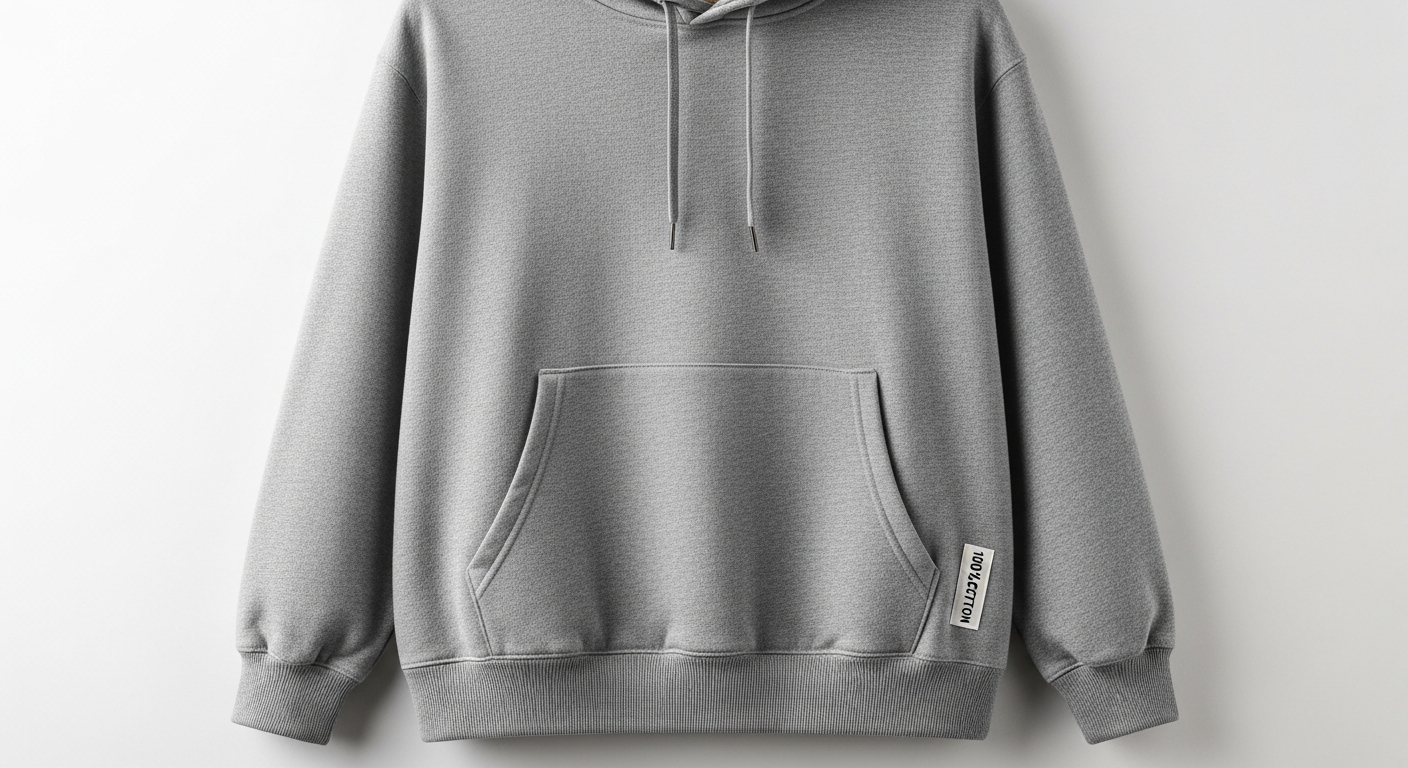
Cotton fibers allow for moisture absorption and airflow, which helps regulate body temperature in moderate conditions. The surface appearance of cotton fabric supports both pigment and reactive dye printing, ensuring vivid colors and a natural matte finish. Additionally, cotton does not retain odors and feels comfortable across seasons, especially in spring and early autumn collections.
Are there limitations to 100% cotton hoodies?
Despite comfort advantages, cotton is not ideal for all functional applications.
Pure cotton hoodies tend to shrink when washed, wrinkle more easily, and may take longer to dry compared to blended alternatives.

Without pre-shrinking or heat-setting treatment, cotton fabrics can shrink by 3–5% after washing. The fiber’s hydrophilic nature also means it absorbs water quickly but dries slowly, which can affect drying time after washing or during outdoor use. For high-motion activities or warm-weather climates, the moisture retention of cotton may feel heavy over time. As a result, cotton hoodies are better suited for lifestyle, lounge, or mild-weather outerwear rather than technical or performance-focused apparel.
| Feature | 100% Cotton | Blended Fabrics |
|---|---|---|
| Softness | High | Medium to High |
| Breathability | Excellent | Good |
| Shrinkage Risk | Moderate to High | Low to Moderate |
| Drying Time | Slow | Faster |
| Color Fastness | Good | Very Good |
How is 100% cotton processed in hoodie manufacturing?
Cotton garments require specific preparation steps to meet modern quality standards.
To maintain dimensional stability and garment consistency, 100% cotton fabrics are pre-treated with processes like sanforization, pre-shrinking, and enzyme washing.
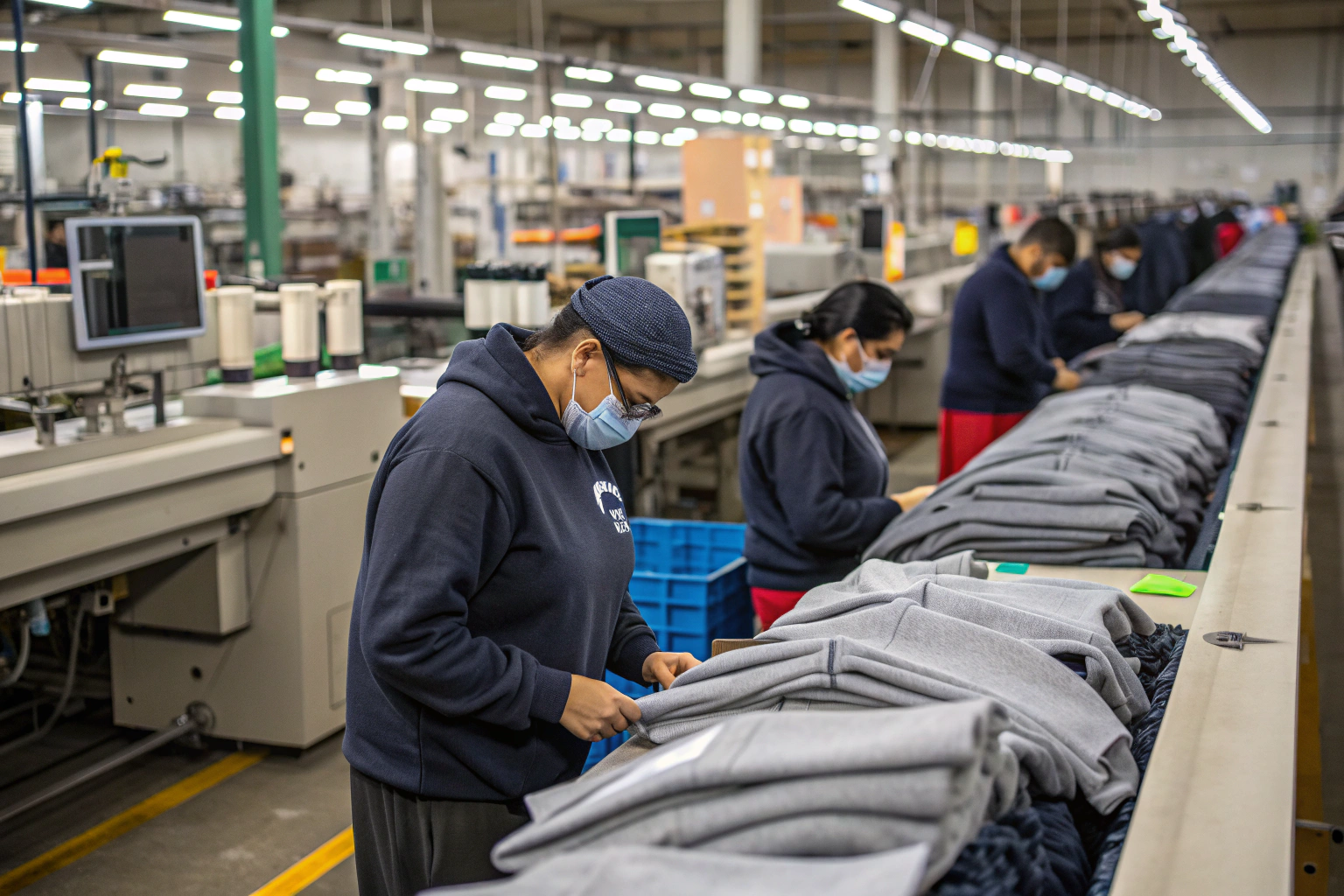
In the production line, cotton hoodies often begin with open-width fabric rolls that are compacted to relax tension. This step reduces post-wash shrinkage. Enzyme washing is applied to improve surface softness and reduce pilling. During sewing, attention is given to stitch density, seam allowances, and hood shape to avoid distortion from fiber movement. Quality checks focus on fabric stretch behavior, shrinkage rate, and visual evenness of dye absorption.
How do cotton hoodies perform in long-term wear?
Cotton’s durability depends on yarn quality and finishing.
High-quality combed cotton hoodies offer extended wear resistance and hold shape better over time, especially with proper care.
Ring-spun or combed cotton yarns used in hoodie production increase fiber alignment, resulting in stronger and smoother textiles. These yarns withstand repeated washing cycles and resist thinning better than carded alternatives. While cotton may fade faster than synthetics under UV exposure, proper dye selection and post-dye treatment can improve fade resistance. Long-term maintenance includes washing in cold water and avoiding high-heat drying to preserve fiber integrity.
When is cotton the best choice in hoodie design?
Material selection should match the product’s intended use and customer expectations.
100% cotton is ideal for casual, minimalist, or premium-style hoodies where comfort, softness, and natural fiber appeal are priorities.
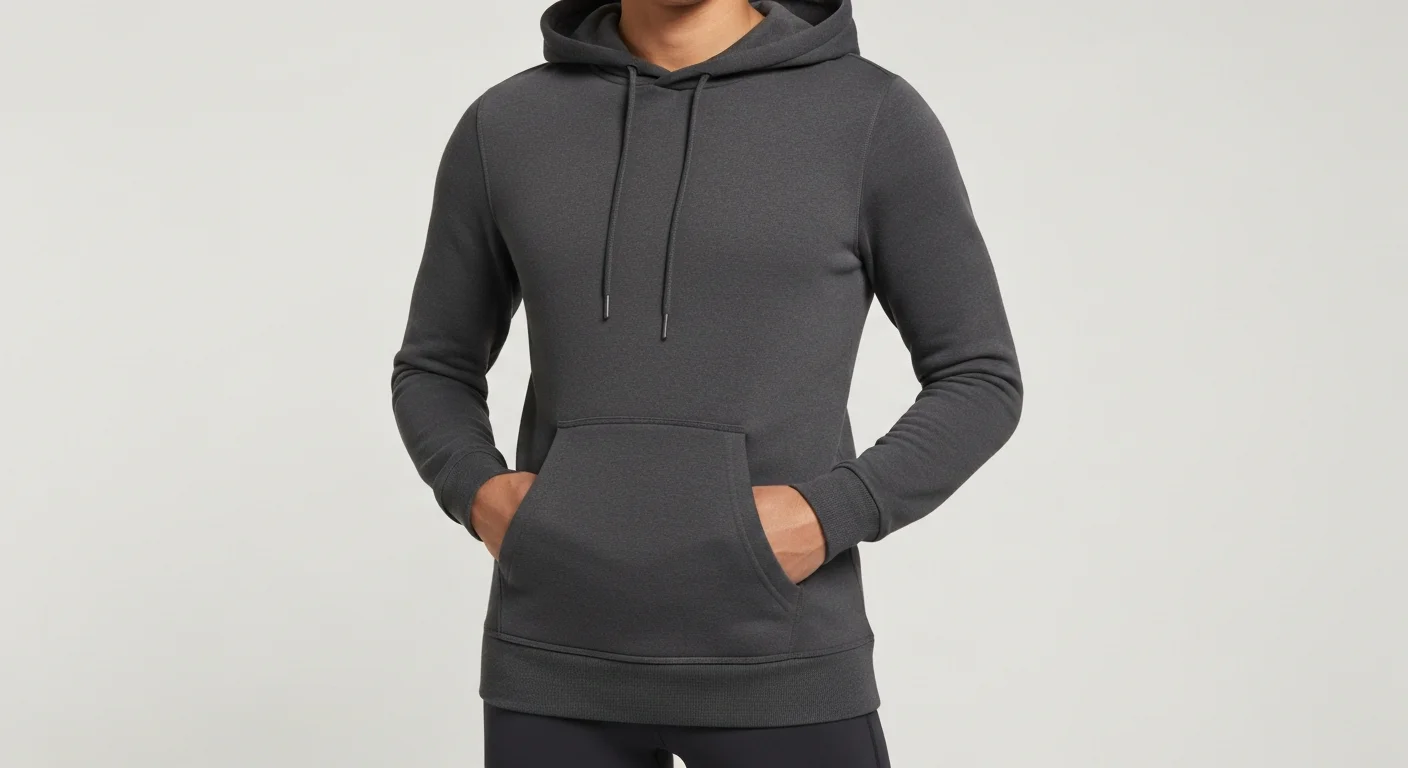
Designers often use cotton for oversized silhouettes, neutral-toned basics, or seasonal drops where comfort is emphasized. The fabric supports embroidery, pigment prints, and garment dyeing techniques. In markets where natural and sustainable materials are favored, cotton garments add brand value and storytelling potential. Factories can also offer organic or recycled cotton options to meet eco-conscious sourcing requirements without changing the overall production setup.
Conclusion
100% cotton hoodies provide a strong balance of comfort, breathability, and natural appeal. They work well in lifestyle and casual collections where tactile experience and fabric authenticity are valued. While cotton does present some limitations—such as shrinkage, drying time, and less elasticity—these can be managed through thoughtful design, fabric finishing, and garment care. In hoodie manufacturing, cotton remains a reliable material that delivers on both quality and wearability when processed correctly. It continues to be a cornerstone fabric for brands aiming to offer soft, stylish, and dependable products across various consumer segments.