
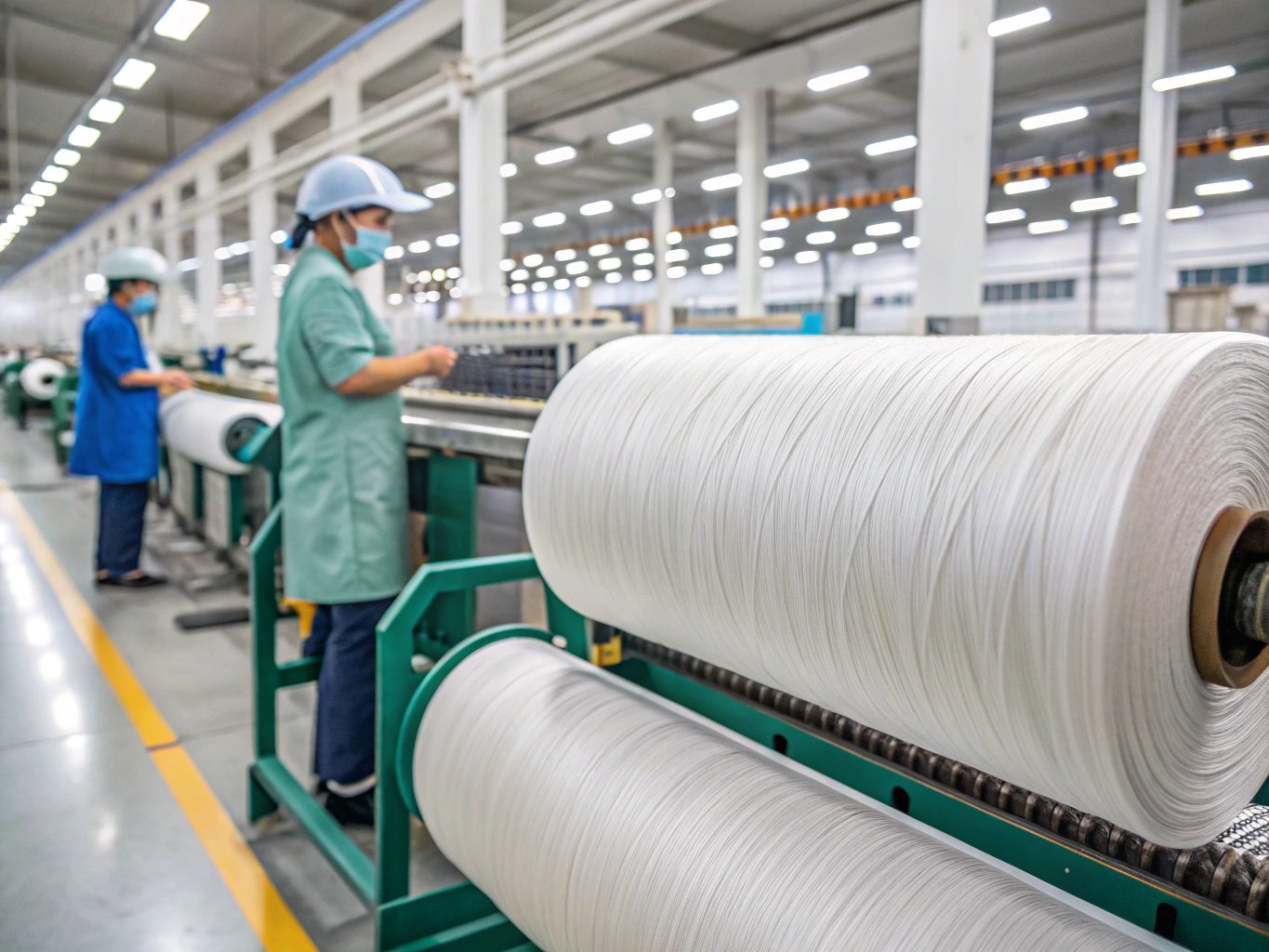
Nylon fabric is a versatile and durable material that has become a staple in various industries. But what makes it so special? From its creation in the 1930s to its widespread use today, let’s explore the properties, how it’s made, and where it’s commonly used.
Nylon is a synthetic polymer fabric known for its strength and durability. It is made through polymerization and used in a wide range of industries, including textiles, automotive, and more.
Understanding nylon fabric’s unique properties is essential to recognizing why it has been so widely adopted across different sectors. Whether you are looking for a durable fabric for clothing or a sturdy material for industrial use, nylon has been a go-to solution. Let’s dive into its specifics!
What is Nylon Fabric?
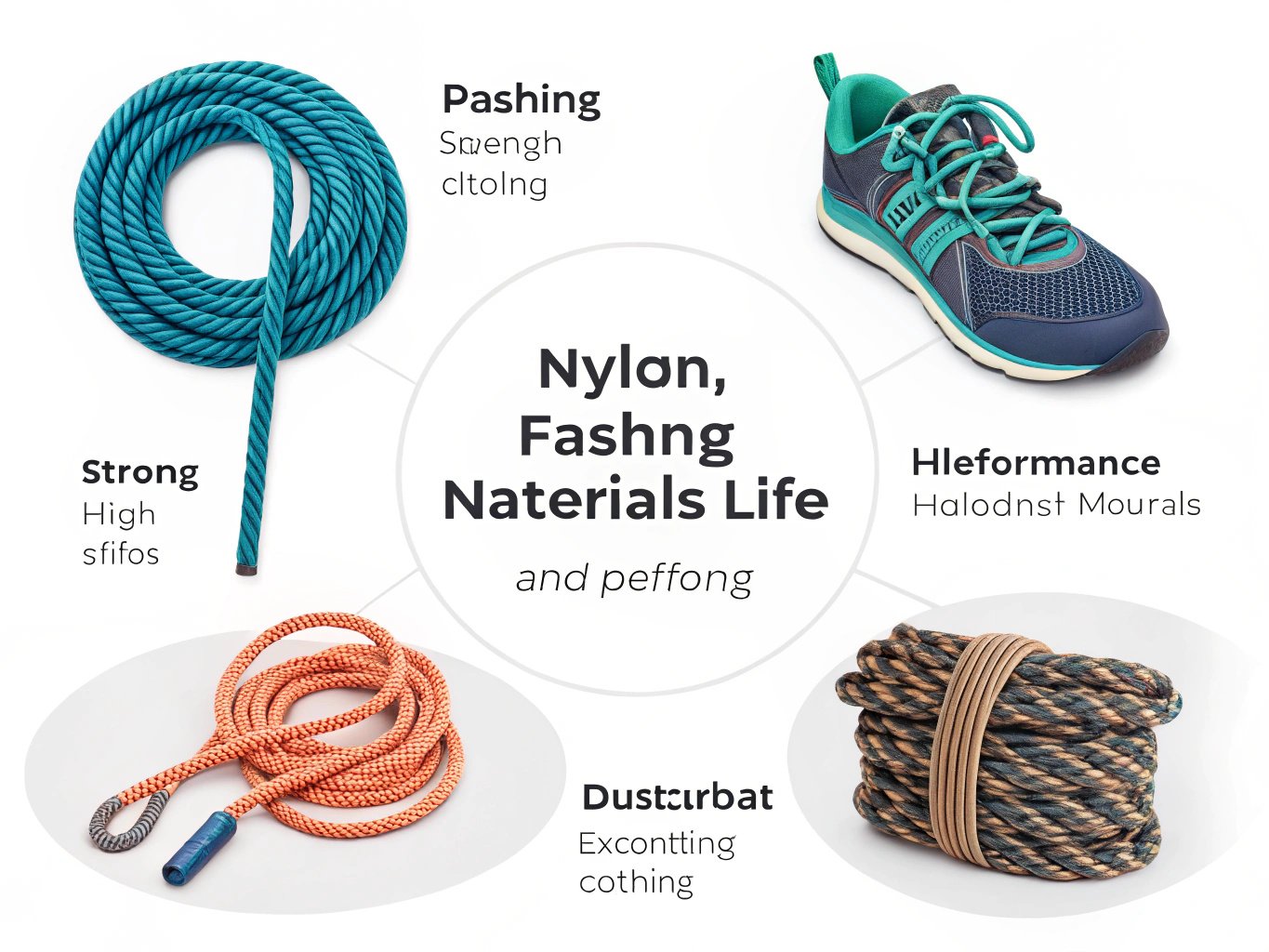
Nylon is a type of synthetic polymer fabric, first created by chemist Wallace Carothers and his team at DuPont in the 1930s. It was the first fully synthetic fiber made from petrochemicals, revolutionizing the textile industry. Unlike natural fibers like cotton or wool, nylon is made through a chemical process known as polymerization, where chemicals are combined to form long molecular chains.
Nylon is known for its strength, elasticity, and resistance to wear and tear. It’s commonly used in a variety of products due to these qualities, and is especially valued in industries where durability is crucial. It can be found in everyday items, such as clothing, ropes, and even high-performance industrial applications.
Properties of Nylon Fabric
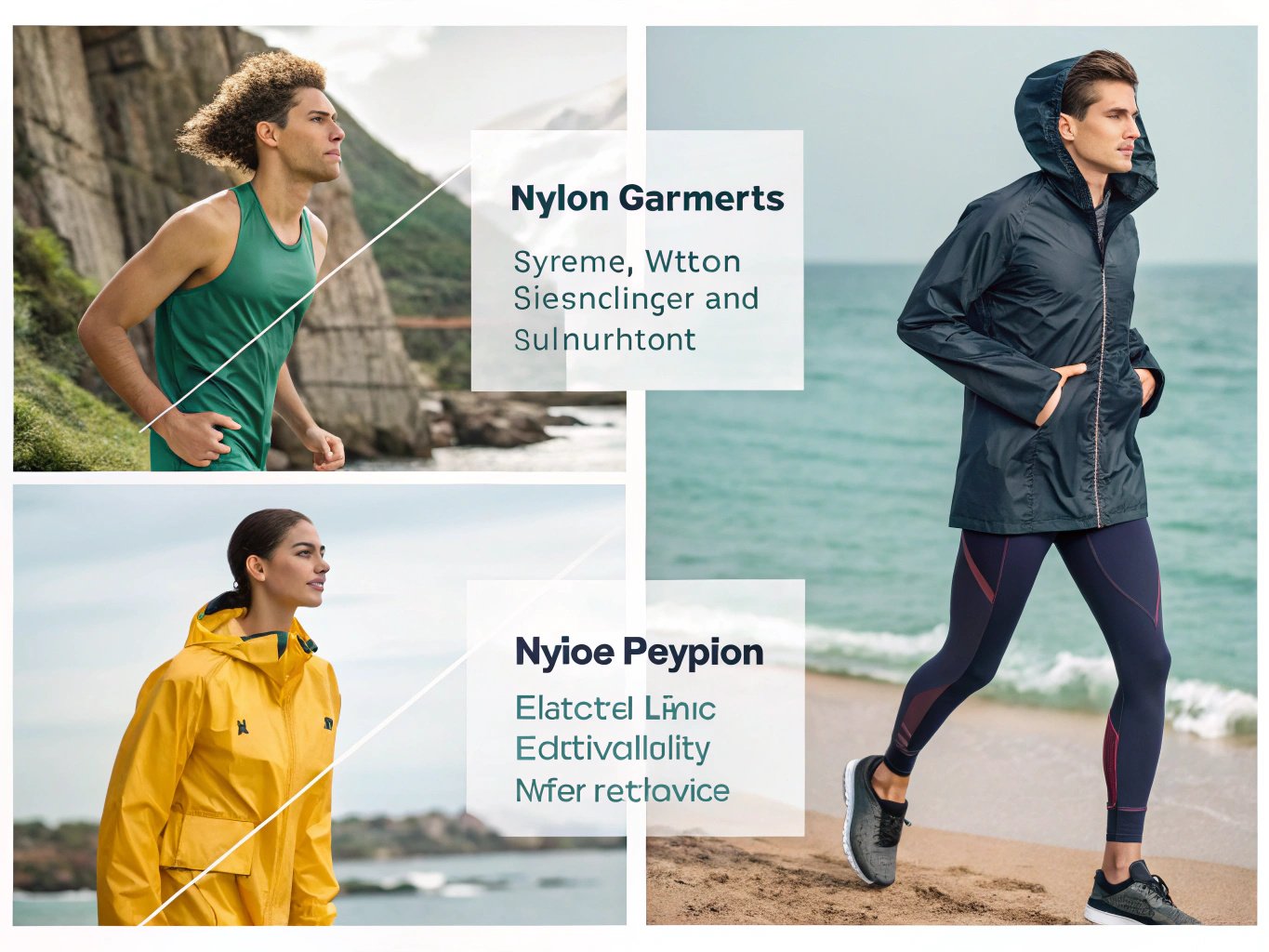
Nylon has several properties that make it one of the most popular synthetic fabrics in the world. Here are some key characteristics of nylon fabric:
- Strength and Durability: Nylon is one of the strongest synthetic fabrics, known for its resistance to abrasion and wear.
- Elasticity: Nylon fibers are highly elastic, making it a great choice for activewear and performance garments.
- Water-Resistant: It repels water, making it ideal for use in raincoats and outerwear.
- Lightweight: Despite its strength, nylon is light and easy to wear, which makes it great for travel gear and apparel.
- Quick-Drying: Nylon fabric dries faster than cotton, which is why it’s commonly used for swimwear and athletic gear.
These properties contribute to its widespread use in a variety of industries, from fashion to technology.
ons.
How Nylon Fabric is Made
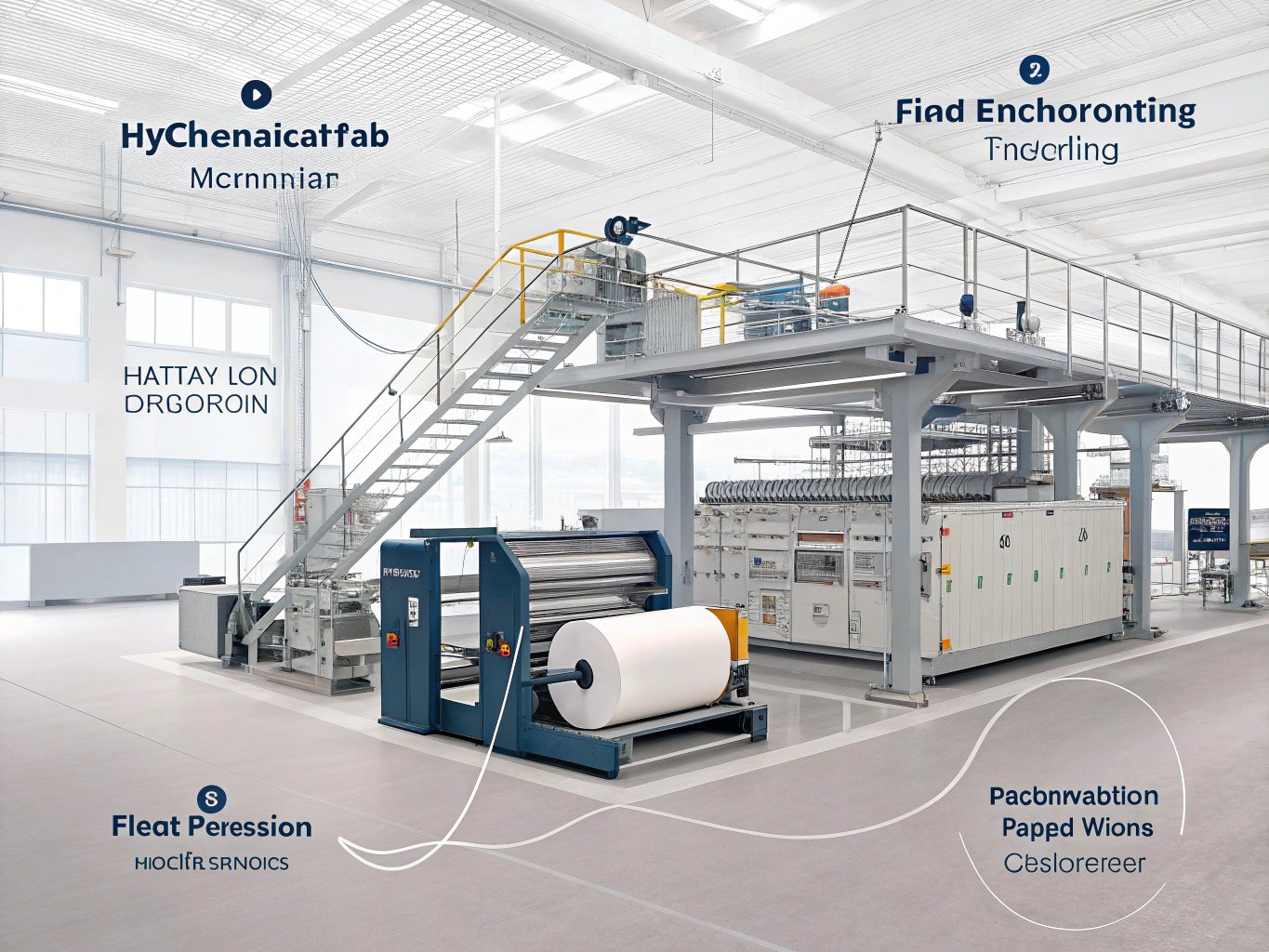
Nylon is made through a process called polymerization, where chemicals, typically derived from petrochemicals, are combined to form long molecular chains. Here is how it is made:
- Monomer Production: The process begins with the creation of monomers, such as hexamethylenediamine and adipic acid. These chemicals are extracted from petroleum.
- Polymerization: The monomers are then polymerized to form long chains of nylon.
- Extrusion: The polymer is heated and pushed through spinnerets, small holes, which creates long, continuous threads.
- Drawing: The threads are stretched to align the molecules and increase the fabric’s strength.
- Finishing: The threads are then woven into fabrics, dyed, and finished with various treatments to enhance their properties.
Nylon is produced in large quantities and is often manufactured in factories where the process can be scaled for different end-use products. It’s one of the most versatile synthetic fibers available, adaptable to various uses from textiles to industrial products.
Common Uses of Nylon Fabric
Nylon fabric is used in a wide variety of applications across different industries. Here are some common uses of nylon:
- Clothing: Nylon is commonly used in activewear, swimwear, and outerwear due to its durability and water-resistant properties.
- Industrial Products: It is also used in ropes, seat belts, and parachutes.
- Home Goods: From carpets to upholstery, nylon is found in many home products.
- Technology: Nylon’s strength and flexibility make it ideal for manufacturing components in the automotive and aerospace industries.
Due to its diverse uses, nylon is an essential material in both everyday items and advanced industrial applications.
Where to Buy Nylon Fabric
You can buy nylon fabric at many fabric stores, both online and in-person. Some popular places to purchase nylon fabric include:
- Joann Fabrics: A popular fabric retailer that offers a wide variety of nylon fabrics for different uses.
- Fabric.com: An online store that specializes in fabric, including various types of nylon.
- Local Fabric Stores: Many local craft and fabric stores carry nylon for different applications.
Additionally, online platforms like Amazon and Etsy offer various options for purchasing nylon fabric for DIY projects and commercial use.
Conclusion
Nylon fabric’s strength, elasticity, and versatility make it a vital material in countless industries. From its creation in the 1930s to its widespread use today, nylon continues to be a top choice for durable, flexible, and water-resistant fabrics. Understanding its properties and manufacturing process can help you appreciate why it is so commonly used in fashion, industry, and technology.
Whether you are looking for clothing that will stand the test of time, or durable materials for your business, nylon fabric remains an essential option.