
Launching an apparel collection involves more than choosing fabrics and finalizing designs. One key production requirement is the minimum order quantity (MOQ)—the smallest number of units a manufacturer will accept for a particular order. Depending on the supplier, this minimum may apply to an entire order, an individual style, or a specific color or fabric.
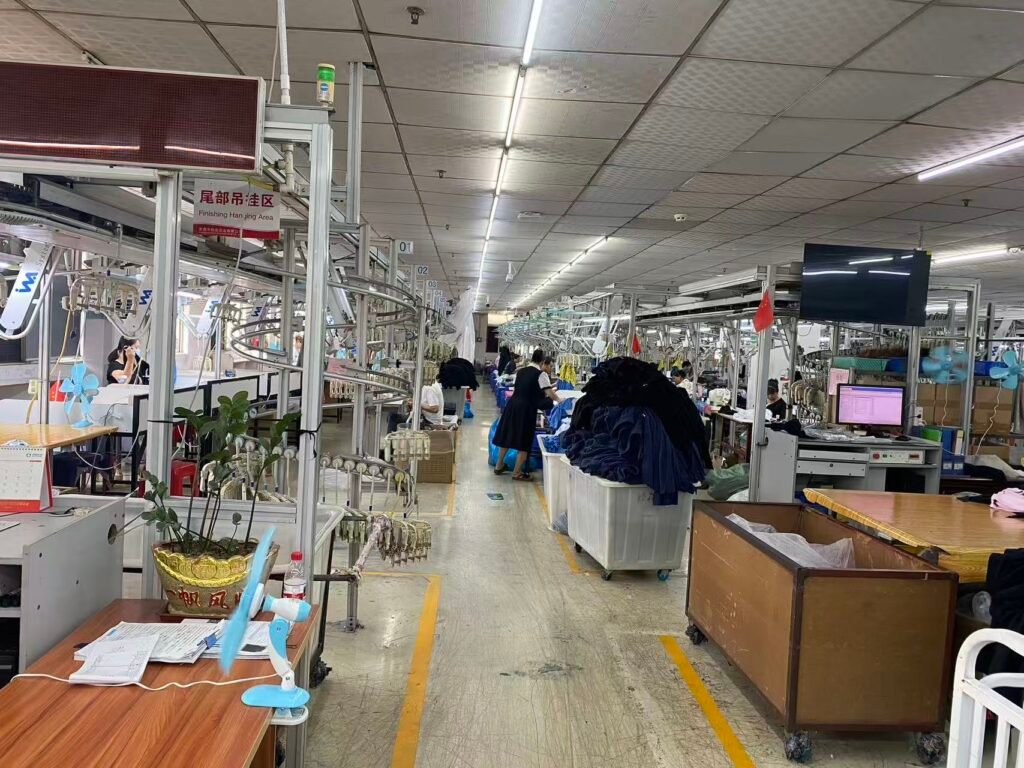
For clothing manufacturers, MOQs help cover the costs of sourcing materials, setting up production, and allocating labor. For fashion brands, these requirements influence upfront investment, pricing decisions, and inventory planning. Understanding exactly how a supplier defines its MOQ is therefore essential when comparing quotes and planning a collection.
Whether you are launching your first clothing line or expanding an established brand, understanding MOQs can help you make better sourcing decisions. This guide explains how minimum order quantities work, what determines them, and how to approach production requirements with your budget and sales goals in mind.
How Minimum Order Quantities Work in Apparel Production
Minimum order quantity (MOQ) is the smallest production volume a supplier will accept for an order. In apparel manufacturing, this requirement may apply per style, color, fabric, or total order, depending on the factory’s production setup and material sourcing requirements.
For example, a manufacturer quoting an MOQ of 50 pieces per style may allow those units to be divided across several sizes. However, that does not automatically mean you can combine different designs or colors to reach the minimum. Always confirm how the MOQ is calculated before comparing suppliers or placing an order.
Manufacturers set minimums to make production economically viable. Fabric procurement, pattern development, machine setup, and production-line preparation involve costs that must be spread across the units produced. Fabric mills and trim suppliers may also impose their own minimums, which can influence the garment factory’s requirements.
For clothing brands, understanding these conditions is essential for calculating total investment, planning inventory, and evaluating whether an order matches realistic sales expectations.
Benefits of MOQs for Manufacturers and Clothing Brands
More Efficient Production Planning
Orders that meet a factory’s minimum production requirements make it easier to allocate workers, schedule equipment, and coordinate material purchases. Longer runs of the same product can also reduce repeated setup work.
Opportunities for Lower Unit Costs
As order volume increases, certain development and setup costs can be distributed across more garments. This may reduce the cost per unit, although the final price still depends on fabric, construction complexity, finishing, and other specifications.
For brands with proven demand, a larger order can improve margins—provided the additional inventory sells at the expected price.
Clearer Purchasing and Supply Planning
Clearly defined MOQs give both parties a starting point for discussing quantities, pricing, and delivery schedules. Brands can use this information to plan purchasing budgets, while manufacturers can organize production around confirmed orders.
Challenges and Trade-Offs to Consider
Higher Upfront Investment
Meeting an MOQ requires a financial commitment before sales are guaranteed. In addition to garment production, brands need to account for development, packaging, freight, and any applicable import costs.
Greater Exposure to Unsold Inventory
Ordering more units than customers are likely to buy can tie up working capital and create storage or markdown costs. A lower unit price offers limited value if a substantial portion of the order remains unsold.
Less Flexibility When Testing New Products
Separate minimums for each style or color can make a broad collection expensive to launch. Emerging brands may need to prioritize fewer designs or colorways to keep their initial investment manageable.
Potential Loss of Smaller Orders for Manufacturers
Factories with high minimums may be less accessible to startups and buyers testing new products. Accepting smaller runs, however, can increase setup costs per garment and complicate scheduling.
The right MOQ balances production efficiency with a brand’s budget and expected demand. Before committing, confirm which minimums are negotiable, request pricing at different quantities, and assess the total inventory investment. The following strategies can help reduce that commitment while keeping production practical.
How Is Minimum Order Quantity Determined?
There is no universal formula for calculating minimum order quantity in apparel manufacturing. Each supplier sets its requirements according to production costs, material availability, factory capacity, and the specifications of the garment.
Several factors influence the minimum a manufacturer can accept:
- Material requirements: Fabric mills and trim suppliers may set minimum purchase quantities, especially for custom colors, prints, or branded components.
- Production setup: Preparing patterns, cutting layouts, machinery, and sewing lines involves costs that must be covered by the order.
- Garment complexity: Specialized construction, embroidery, washing, or finishing can introduce additional production minimums.
- Fabric utilization: The amount of fabric required per garment and the efficiency of the cutting layout affect how many units can be produced from a material purchase.
For example, if a fabric supplier requires a minimum purchase of 300 meters and each garment uses approximately 1.5 meters, that material commitment represents roughly 200 garments before accounting for cutting waste, shrinkage, and defects. This is an illustrative estimate, rather than a confirmed factory MOQ.
Ordering more units may unlock a lower unit price, but it does not automatically reduce the supplier’s minimum requirement. When requesting a quote, ask the manufacturer to specify whether its MOQ applies per style, color, fabric, or entire order.
How MOQ Affects Inventory, Cash Flow, and Reordering
MOQ determines the minimum quantity you must buy, while customer demand determines how quickly that inventory sells. A mismatch between the two can leave a brand with excess stock or insufficient flexibility to replenish popular products.
Higher MOQs: Potential Savings With a Larger Inventory Commitment
Larger production runs can reduce unit costs by spreading setup expenses across more garments. They may also reduce how often a brand needs to place orders.
However, higher quantities require more cash upfront and more storage capacity. If sales fall below expectations, unsold garments can lead to markdowns, storage expenses, and less money available for future collections. These risks are particularly relevant for seasonal products and untested designs.
A higher MOQ is generally easier to justify when a brand has reliable sales history, repeat demand, and enough working capital to support the purchase.
Lower MOQs: Greater Flexibility With Potentially Higher Unit Costs
Lower minimums allow brands to test designs, launch smaller collections, and adjust future orders using actual sales data. They can reduce the amount of cash committed to each product and limit exposure to slow-moving stock.
The trade-off is that smaller runs may carry higher unit prices or separate setup charges. More frequent replenishment can also increase shipping and purchasing costs.
A low MOQ does not eliminate inventory risk. Even an order of 50 garments can create excess stock if demand is weaker than expected.
Choosing an Order Quantity That Matches Demand
The most suitable order quantity is not necessarily the lowest minimum or the quantity with the cheapest unit price. It should reflect expected sales, production lead times, available cash, and the cost of holding inventory.
A useful starting point is to compare the MOQ with forecast monthly sales. For example, an MOQ of 300 units represents approximately six months of stock if a product sells 50 units per month, assuming steady demand.
Before committing, review that estimate alongside seasonality, your existing inventory, and how long replenishment takes. If the minimum exceeds a realistic sales forecast, discuss alternatives such as stock fabrics, fewer colorways, or a smaller initial production run with the supplier.How Is Minimum Order Quantity Determined?
There is no universal formula for calculating minimum order quantity in apparel manufacturing. Each supplier sets its requirements according to production costs, material availability, factory capacity, and the specifications of the garment.
Several factors influence the minimum a manufacturer can accept:
- Material requirements: Fabric mills and trim suppliers may set minimum purchase quantities, especially for custom colors, prints, or branded components.
- Production setup: Preparing patterns, cutting layouts, machinery, and sewing lines involves costs that must be covered by the order.
- Garment complexity: Specialized construction, embroidery, washing, or finishing can introduce additional production minimums.
- Fabric utilization: The amount of fabric required per garment and the efficiency of the cutting layout affect how many units can be produced from a material purchase.
For example, if a fabric supplier requires a minimum purchase of 300 meters and each garment uses approximately 1.5 meters, that material commitment represents roughly 200 garments before accounting for cutting waste, shrinkage, and defects. This is an illustrative estimate, rather than a confirmed factory MOQ.
Ordering more units may unlock a lower unit price, but it does not automatically reduce the supplier’s minimum requirement. When requesting a quote, ask the manufacturer to specify whether its MOQ applies per style, color, fabric, or entire order.
How MOQ Affects Inventory, Cash Flow, and Reordering
MOQ determines the minimum quantity you must buy, while customer demand determines how quickly that inventory sells. A mismatch between the two can leave a brand with excess stock or insufficient flexibility to replenish popular products.
Higher MOQs: Potential Savings With a Larger Inventory Commitment
Larger production runs can reduce unit costs by spreading setup expenses across more garments. They may also reduce how often a brand needs to place orders.
However, higher quantities require more cash upfront and more storage capacity. If sales fall below expectations, unsold garments can lead to markdowns, storage expenses, and less money available for future collections. These risks are particularly relevant for seasonal products and untested designs.
A higher MOQ is generally easier to justify when a brand has reliable sales history, repeat demand, and enough working capital to support the purchase.
Lower MOQs: Greater Flexibility With Potentially Higher Unit Costs
Lower minimums allow brands to test designs, launch smaller collections, and adjust future orders using actual sales data. They can reduce the amount of cash committed to each product and limit exposure to slow-moving stock.
The trade-off is that smaller runs may carry higher unit prices or separate setup charges. More frequent replenishment can also increase shipping and purchasing costs.
A low MOQ does not eliminate inventory risk. Even an order of 50 garments can create excess stock if demand is weaker than expected.
Choosing an Order Quantity That Matches Demand
The most suitable order quantity is not necessarily the lowest minimum or the quantity with the cheapest unit price. It should reflect expected sales, production lead times, available cash, and the cost of holding inventory.
A useful starting point is to compare the MOQ with forecast monthly sales. For example, an MOQ of 300 units represents approximately six months of stock if a product sells 50 units per month, assuming steady demand.
Before committing, review that estimate alongside seasonality, your existing inventory, and how long replenishment takes. If the minimum exceeds a realistic sales forecast, discuss alternatives such as stock fabrics, fewer colorways, or a smaller initial production run with the supplier.
Flexible MOQ Options for Growing Clothing Brands
For emerging fashion brands, managing inventory starts with choosing a production quantity that fits both the budget and expected demand. Low minimum order quantities can make it easier to test new designs, introduce additional styles, and limit the cash committed to unproven products.
At Yoplook, we work with clothing brands to explore production options that suit their designs and business goals. Discussing order quantities alongside fabric selection, customization, and target pricing helps establish a practical starting point for each collection.
Whether you are preparing your first launch or expanding an existing range, contact Yoplook to discuss the MOQ requirements for your project and plan your next production run.