
As winter temperatures drop, choosing the right outerwear becomes essential for warmth, comfort, and practicality. Sweaters and jackets are both winter staples, yet they serve different purposes depending on climate, activity level, and layering needs.
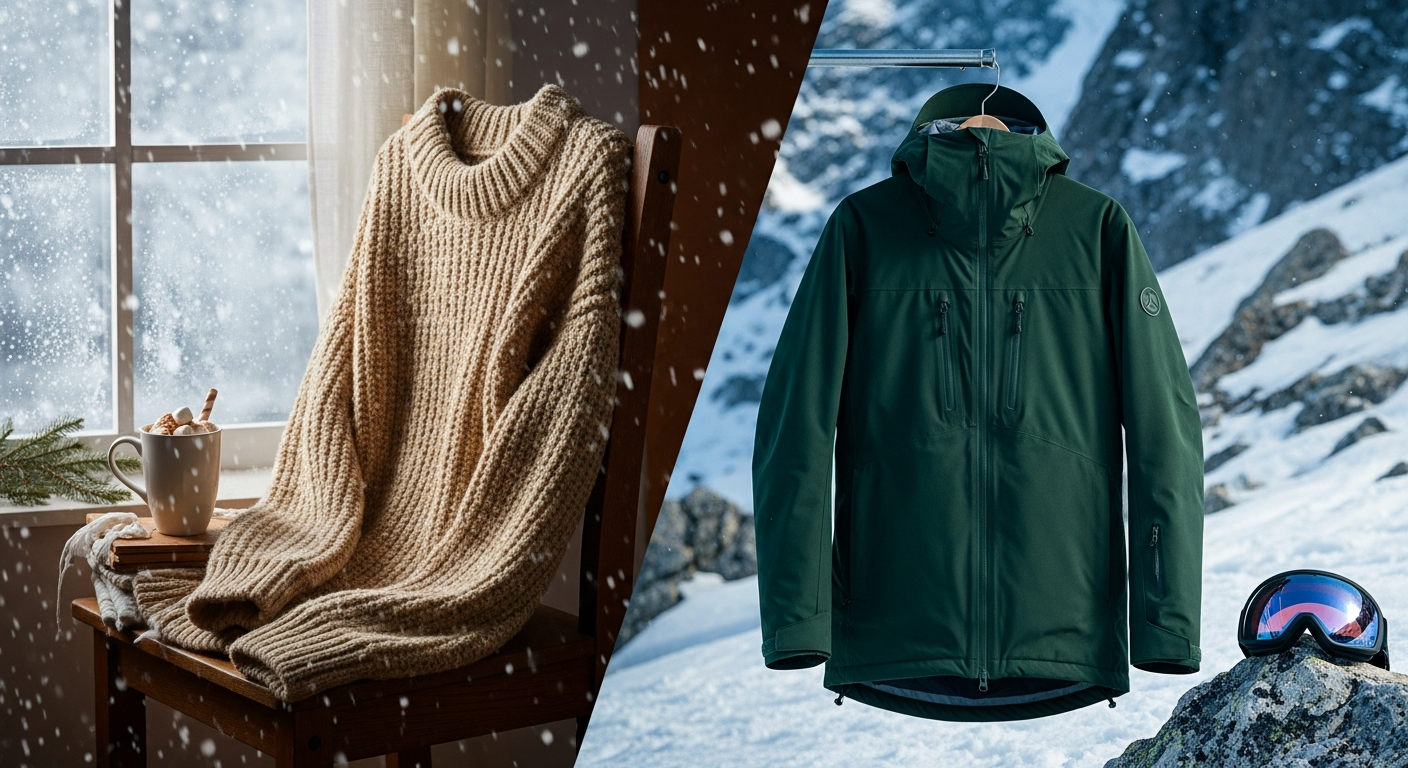
Sweaters provide insulation and flexibility, while jackets offer protection and structure; the better choice depends on how winter conditions are approached and managed.
Winter dressing is not about selecting a single garment, but about understanding how different layers work together. Sweaters and jackets each play a distinct role in thermal regulation, mobility, and style. Evaluating their performance requires looking at fabric, construction, and manufacturing quality.
How does a sweater perform in winter?
Sweaters are designed primarily for insulation and comfort.
A sweater traps body heat effectively and works best as a mid-layer or indoor winter garment.
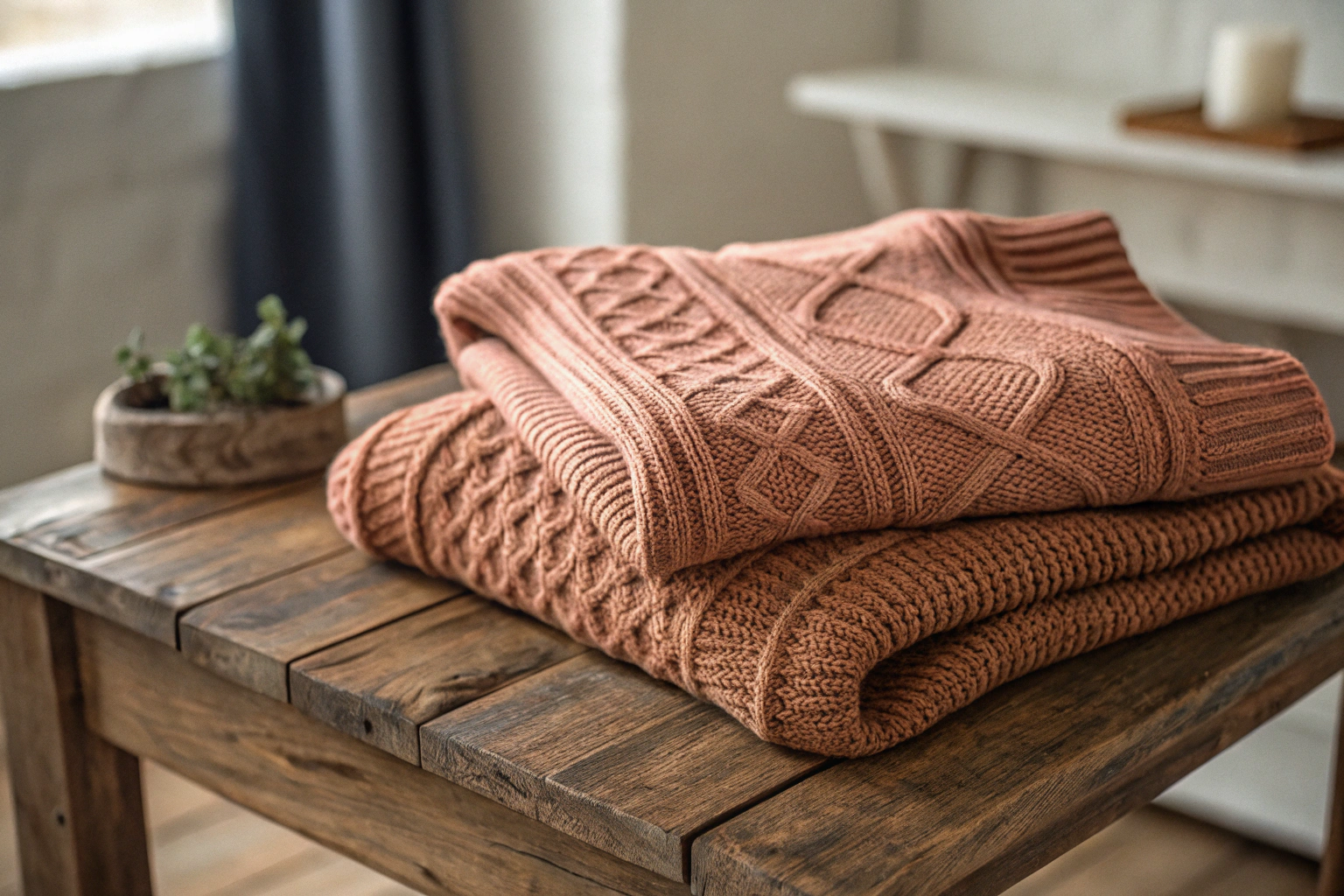
Sweaters are typically made from knit fabrics such as cotton, wool, acrylic, or blended yarns. Their structure allows air to be trapped between fibers, creating natural insulation. This makes sweaters ideal for mild winters, indoor environments, or layered systems. Knit elasticity provides comfort and freedom of movement, which is important for long wear. However, sweaters offer limited protection against wind, rain, or snow. Without an outer shell, heat loss increases in harsh outdoor conditions. As a result, sweaters are most effective when combined with additional layers rather than worn alone in extreme cold.
How does a jacket protect against winter conditions?
Jackets function as the primary barrier against external elements.
A jacket shields the body from wind, moisture, and cold air, making it essential for outdoor winter wear.
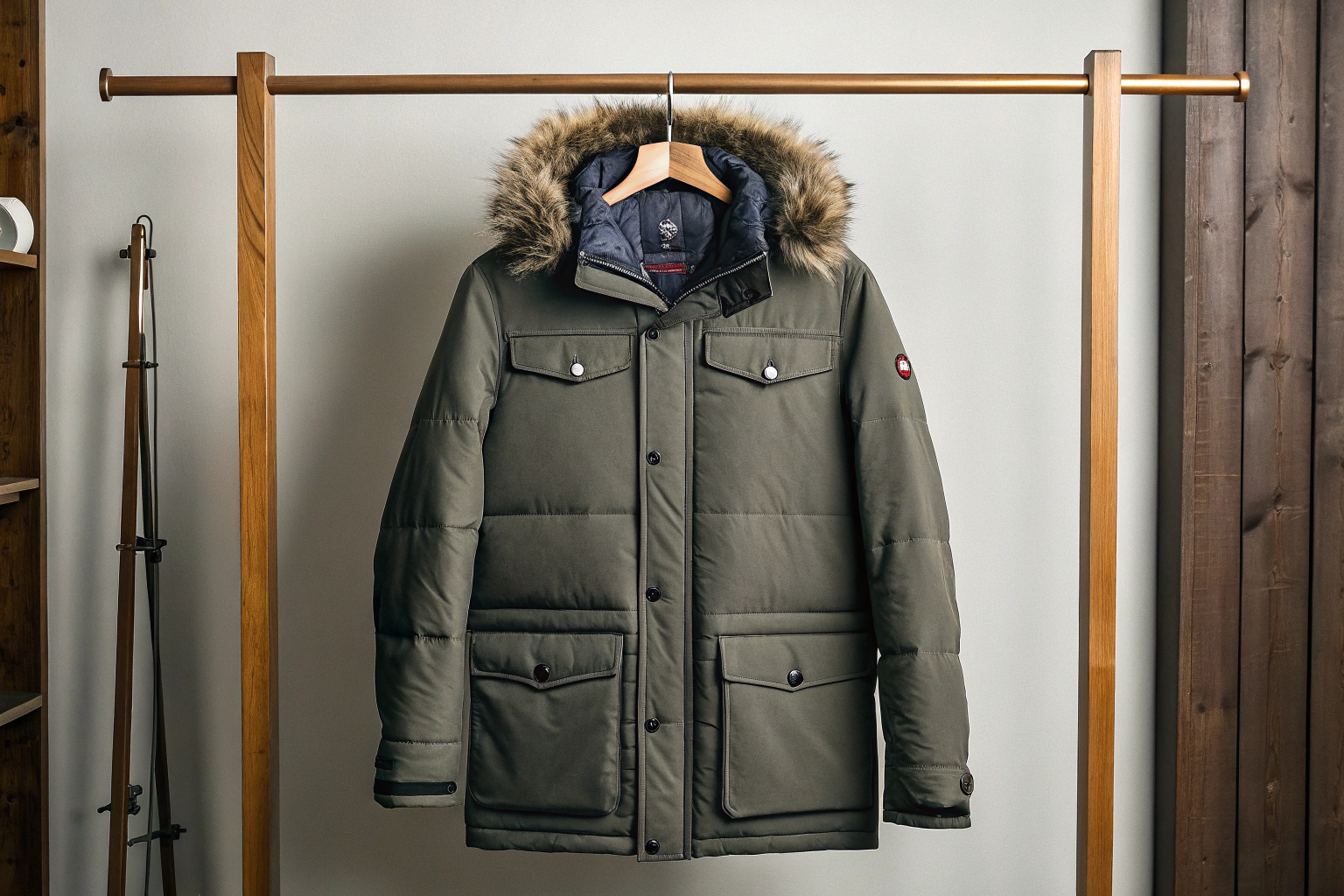
Winter jackets are constructed with outer shells made from woven or coated fabrics, often combined with insulation layers such as fleece, synthetic padding, or down alternatives. These materials block wind penetration and reduce heat loss caused by convection. Many jackets also include water-resistant or waterproof finishes to handle snow and rain. Structural elements such as high collars, adjustable cuffs, and insulated hoods further improve thermal performance. While jackets may feel heavier than sweaters, they provide reliable protection in low temperatures and changing weather conditions.
Which option provides better warmth?
Warmth depends on both material performance and environmental exposure.
Jackets generally provide greater warmth in winter, especially in outdoor and windy conditions.
Sweaters generate warmth through insulation but lack environmental protection. Jackets combine insulation with windproof and moisture-resistant layers, which significantly improves heat retention. In controlled indoor environments, a thick knit sweater may feel warmer and more comfortable than a jacket. Outdoors, however, jackets outperform sweaters due to their ability to prevent cold air infiltration. For cold climates, the most effective solution is often layering, where a sweater acts as an insulating layer under a protective jacket.
How does layering affect winter comfort?
Layering allows sweaters and jackets to work together.
A layered system maximizes warmth, flexibility, and temperature control throughout winter.
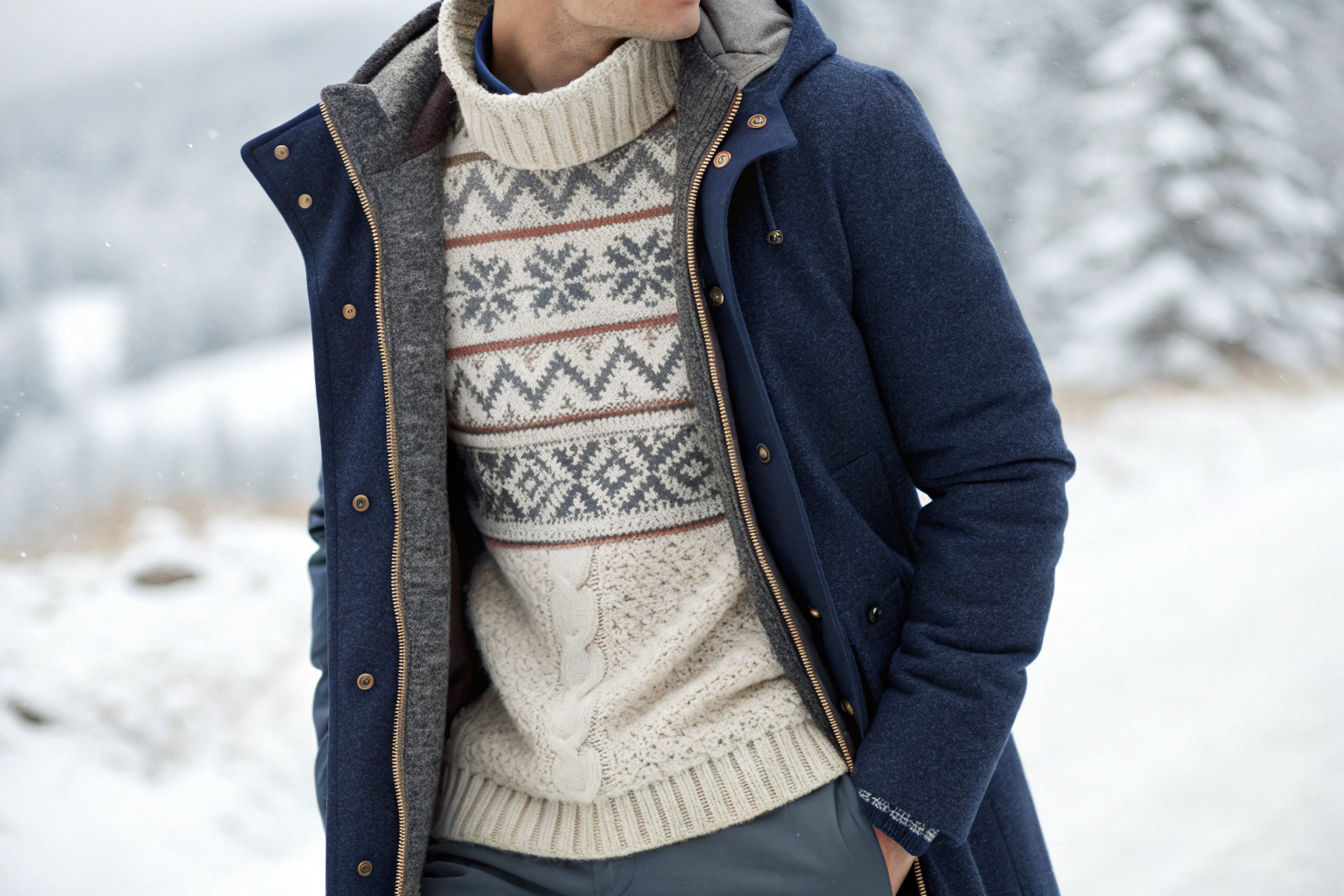
A typical winter layering system includes a base layer for moisture control, a sweater for insulation, and a jacket for protection. This approach allows easy adjustment based on activity level and temperature changes. Sweaters provide breathable warmth, while jackets regulate exposure to external elements. Layering also extends garment usability across different climates and seasons. From a manufacturing perspective, garments designed with compatible fits and materials improve layering efficiency and wearer comfort.
How do fabric choices influence performance?
Material selection determines how sweaters and jackets perform in winter.
High-quality fabrics improve insulation, durability, and long-term comfort.
Sweaters commonly use wool blends, cotton yarns, or synthetic fibers to balance warmth and softness. Wool provides excellent thermal regulation, while blends improve durability and reduce shrinkage. Jackets rely on technical fabrics such as polyester shells, nylon linings, and insulated fillings. Advanced treatments improve water resistance, breathability, and abrasion resistance. Fabric testing for pilling, colorfastness, and shrinkage ensures consistent winter performance. The correct pairing of fabrics enhances both functionality and wear lifespan.
| Garment | Common Fabrics | Key Winter Benefit |
|---|---|---|
| Sweater | Wool, cotton blends | Insulation and comfort |
| Jacket | Polyester, nylon shells | Weather protection |
| Insulation | Fleece, synthetic fill | Heat retention |
What role does manufacturing and craftsmanship play?
Production quality directly affects winter performance.
Precision manufacturing ensures sweaters and jackets meet durability and insulation standards required for winter use.
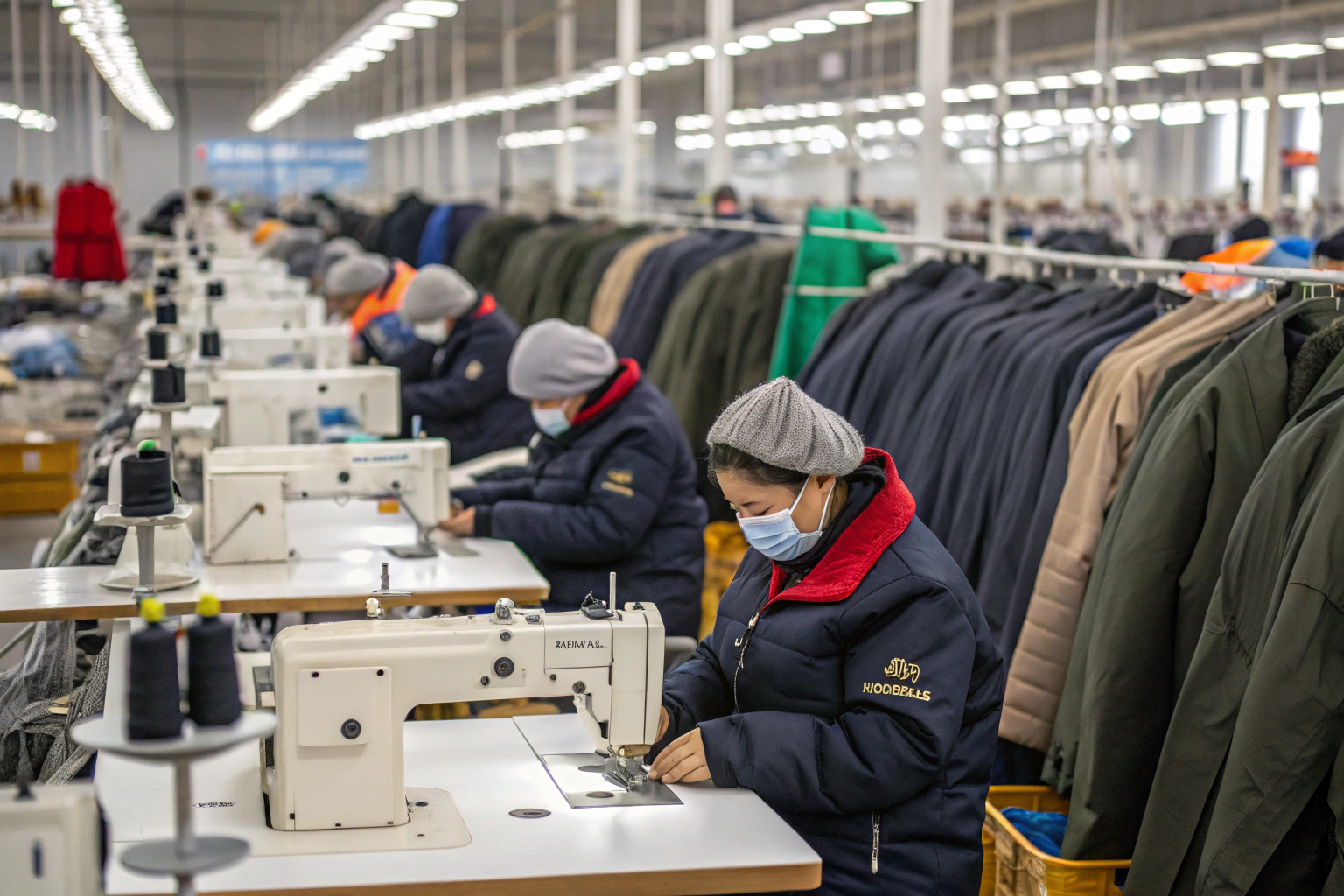
In professional garment workshops, pattern accuracy ensures proper fit and effective layering. Sweater production relies on controlled knitting density to maintain insulation without excessive weight. Jackets require precise cutting and reinforced stitching to handle stress points and heavy use. Pre-shrinking processes, seam sealing, and fabric treatments improve long-term stability. Quality control checks focus on stitch strength, fabric integrity, and dimensional consistency. Efficient factory workflows also allow scalable production while maintaining uniform quality across orders.
Conclusion
Choosing between a sweater and a jacket for winter depends on environment, activity, and layering strategy. Sweaters excel at insulation and comfort, making them ideal for indoor wear and mid-layer use. Jackets provide essential protection against wind, cold, and moisture, which is critical for outdoor winter conditions. When combined through thoughtful layering, sweaters and jackets complement each other, creating a balanced winter system that adapts to changing temperatures. Supported by high-quality materials, precise manufacturing, and careful craftsmanship, both garments play an essential role in winter wardrobes. Rather than competing options, sweaters and jackets function best as coordinated elements within a well-designed winter apparel solution.