
Many consumers hesitate to include denim jackets in winter collections. Concerns often focus on warmth, protection, and seasonal suitability.
A denim jacket can work in winter, but only when fabric weight, lining, and construction are designed specifically for cold-weather use.
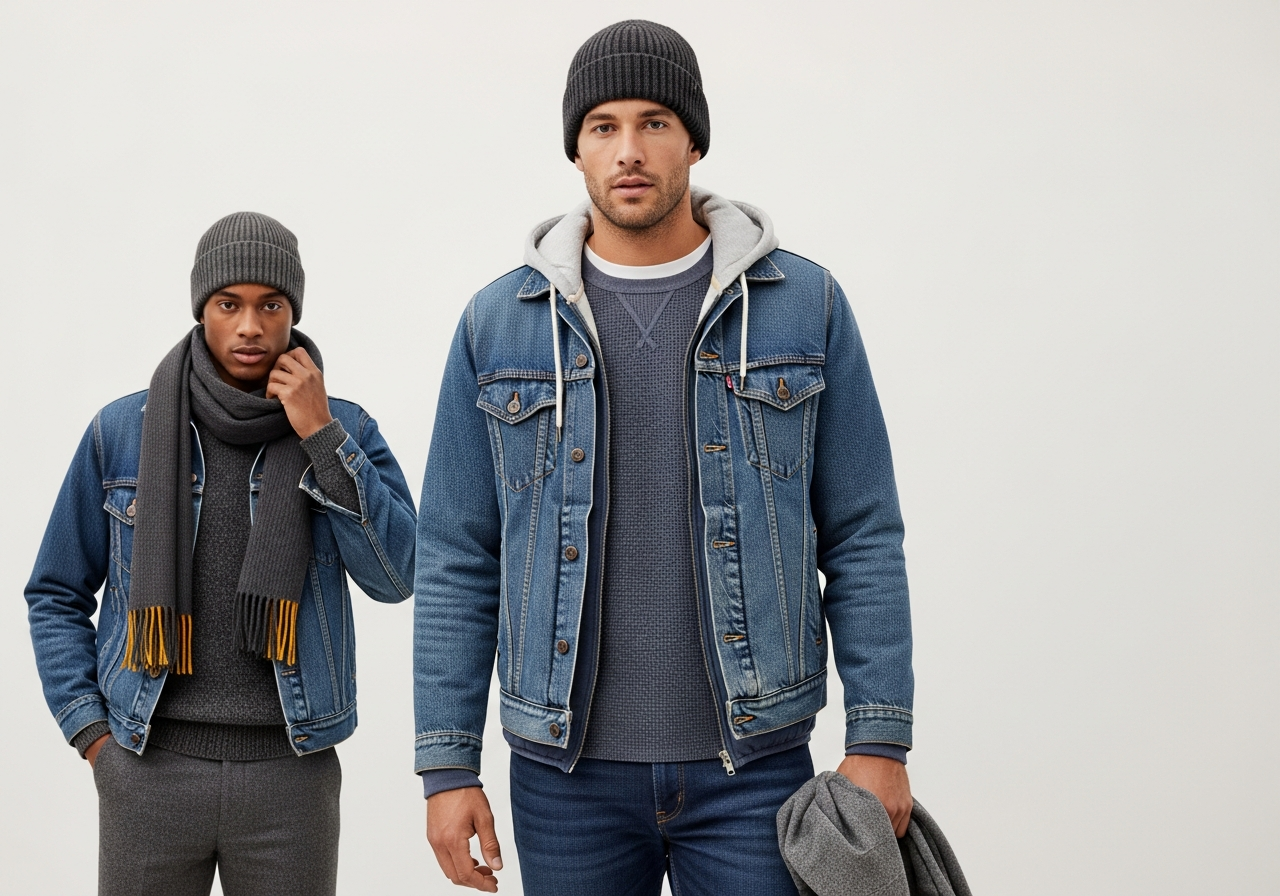
Denim jackets are not naturally winter garments. Their performance in cold seasons depends on how they are engineered, produced, and positioned within a layered clothing system.
What Limits a Standard Denim Jacket in Winter?
Material structure defines performance.
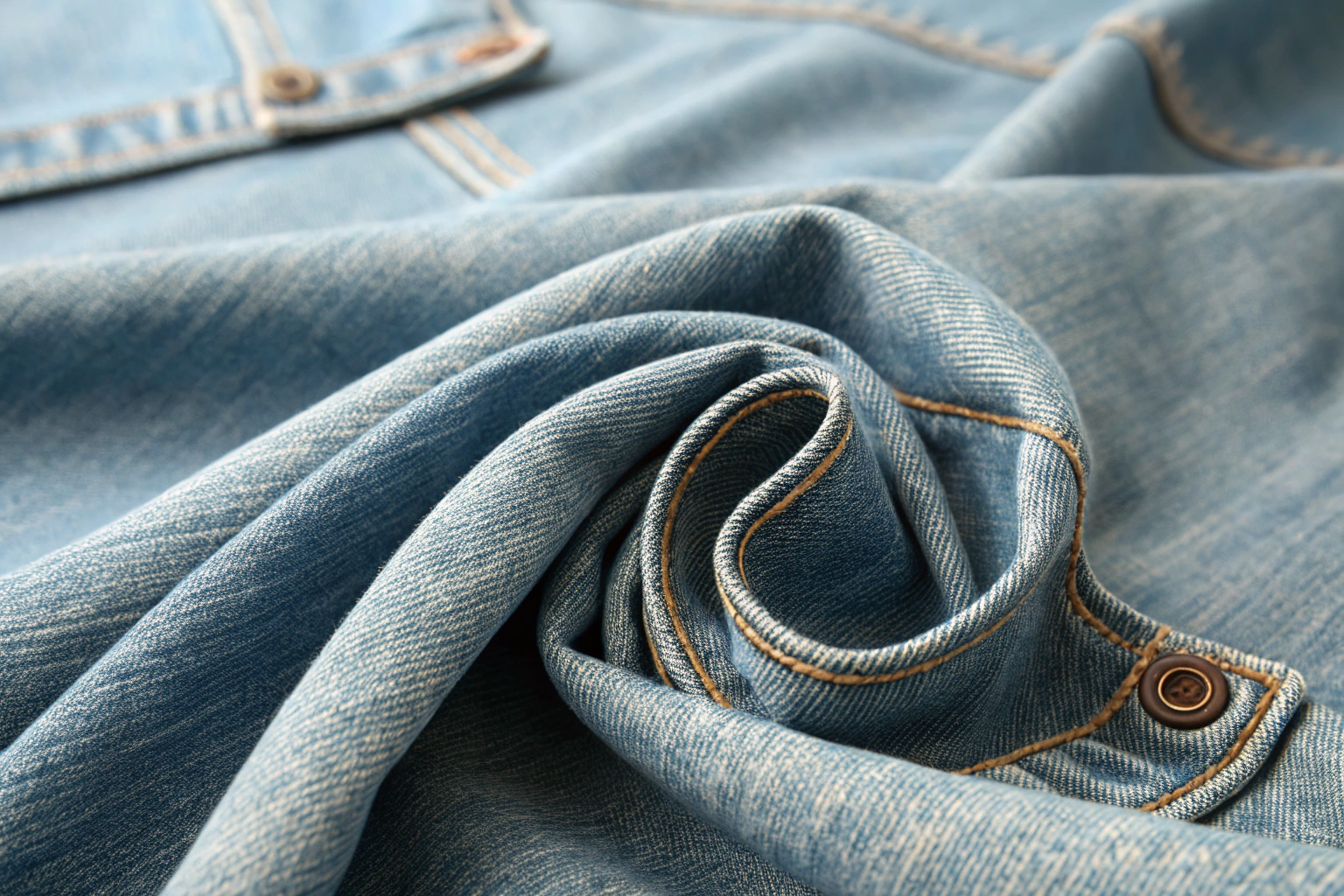
A standard unlined denim jacket offers limited insulation and minimal protection against cold wind.
Traditional denim is a woven cotton fabric. While durable, it does not trap heat well. Air passes through the weave, allowing body warmth to escape. This makes lightweight or midweight denim jackets unsuitable for cold temperatures when worn alone.
Most classic denim jackets are designed for spring and autumn. Fabric weight usually ranges from 10 oz to 12 oz. Without lining, these jackets provide style but little thermal value.
From a product standpoint, this limitation explains why many denim jackets underperform in winter markets unless additional design adjustments are made.
How Does Fabric Weight Change Winter Suitability?
Heavier denim improves cold resistance.
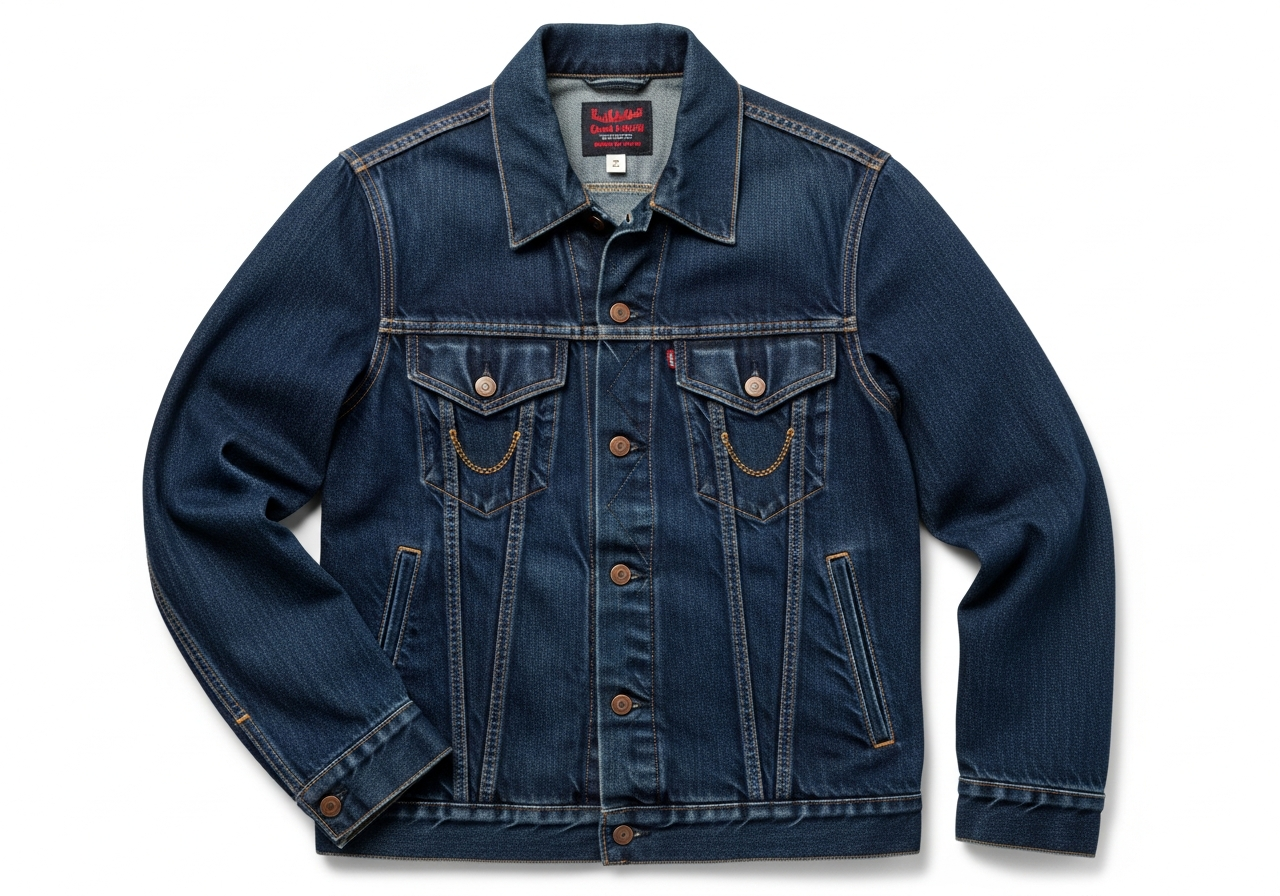
Denim jackets made with heavyweight denim offer better wind resistance and warmth retention.
Winter-capable denim jackets often use denim above 13 oz. Heavier fabric reduces airflow and improves structure. The jacket feels more substantial and blocks wind more effectively.
However, heavier denim alone is not enough for low temperatures. While it slows heat loss, it does not create insulation. Without inner layers, warmth remains limited.
In manufacturing, heavyweight denim requires adjusted cutting and sewing processes. Needle size, stitch density, and seam reinforcement must be upgraded to handle thicker fabric without breakage or distortion.
Why Does Lining Matter for Winter Denim Jackets?
Lining transforms seasonal function.
A lined denim jacket can perform effectively in winter by adding insulation and thermal stability.
Common winter linings include sherpa fleece, quilted padding, flannel, or brushed jersey. These materials trap warm air and improve comfort in cold environments.
Sherpa-lined denim jackets are especially common in winter collections. The fleece interior adds bulk and warmth while keeping the exterior appearance classic.
From a production view, adding lining increases complexity. Separate cutting, joining, and quality checks are required. Seam allowances must account for thickness. Washing processes must avoid damaging lining fibers.
A lined denim jacket shifts from transitional outerwear to winter-ready casual outerwear.
How Does Layering Affect Winter Wear?
Denim jackets rely heavily on layering.
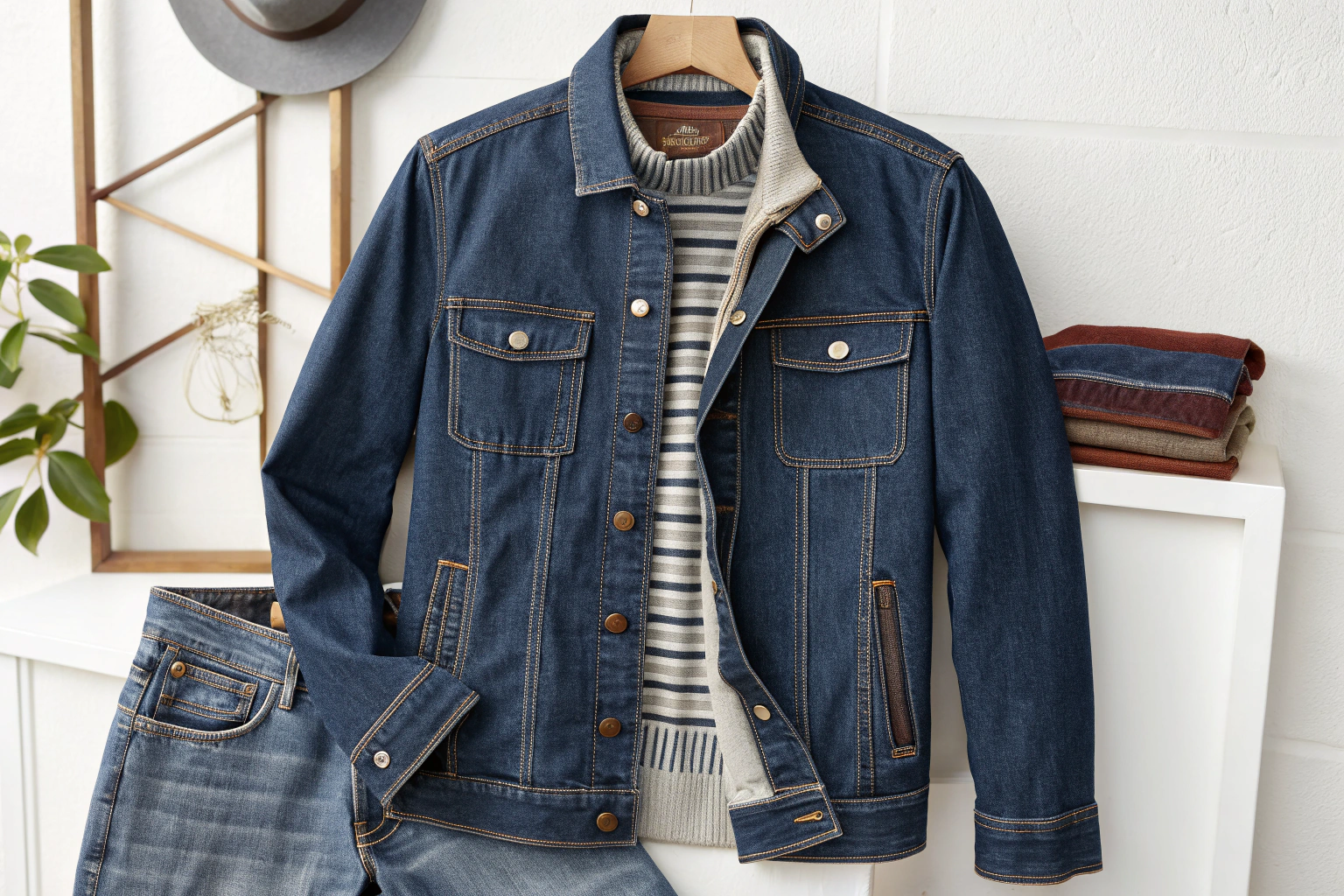
A denim jacket works best in winter as part of a layered outfit rather than as a standalone outer layer.
When worn over sweaters, hoodies, or thermal tops, denim jackets become more viable in cold conditions. The jacket acts as a wind barrier, while inner layers provide insulation.
This approach suits mild winter climates or indoor-outdoor movement. It is less effective in extreme cold or prolonged outdoor exposure.
Designing denim jackets with relaxed fit supports layering. Slightly wider sleeves and body allowance improve comfort without sacrificing silhouette.
From a manufacturing angle, pattern grading must anticipate layered wear to avoid tightness and restricted movement.
How Are Winter Denim Jackets Produced in the Factory?
Winter versions require process upgrades.
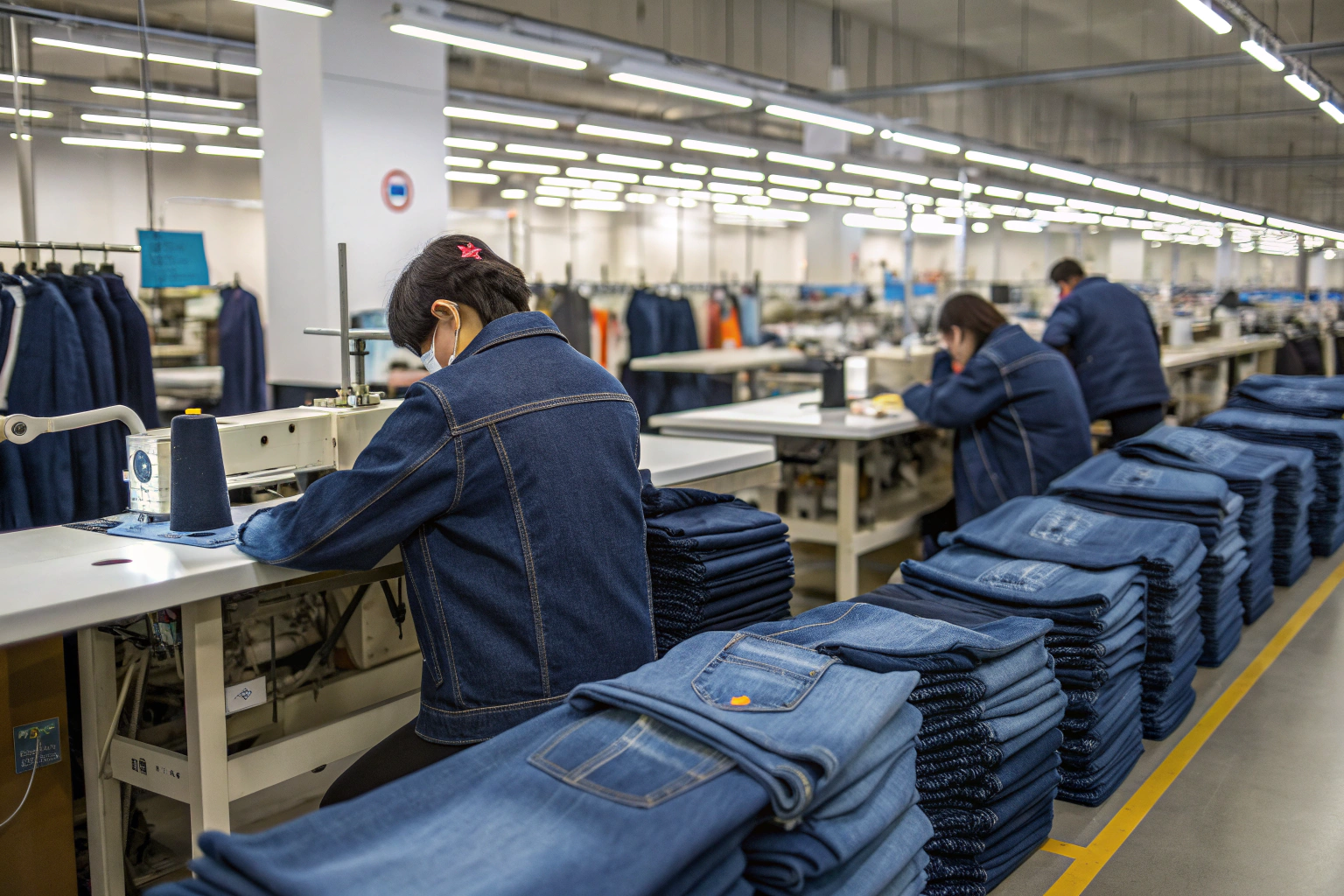
Winter denim jackets demand stronger materials, reinforced construction, and stricter quality control.
Production begins with heavier denim inspection. Fabric defects are more visible on rigid winter styles. Cutting accuracy is critical to prevent twisting after washing.
Lining assembly adds steps. Linings must align with outer shells without pulling. Quilted or fleece materials require specialized sewing machines and slower production speeds.
Reinforcement is added at shoulders, armholes, and collars. Hardware selection also changes. Metal buttons and rivets must withstand thicker layers.
Final quality checks focus on warmth consistency, seam strength, and wash stability. These steps ensure the jacket performs reliably in winter conditions.
When Is a Denim Jacket Not Suitable for Winter?
Climate defines the limit.
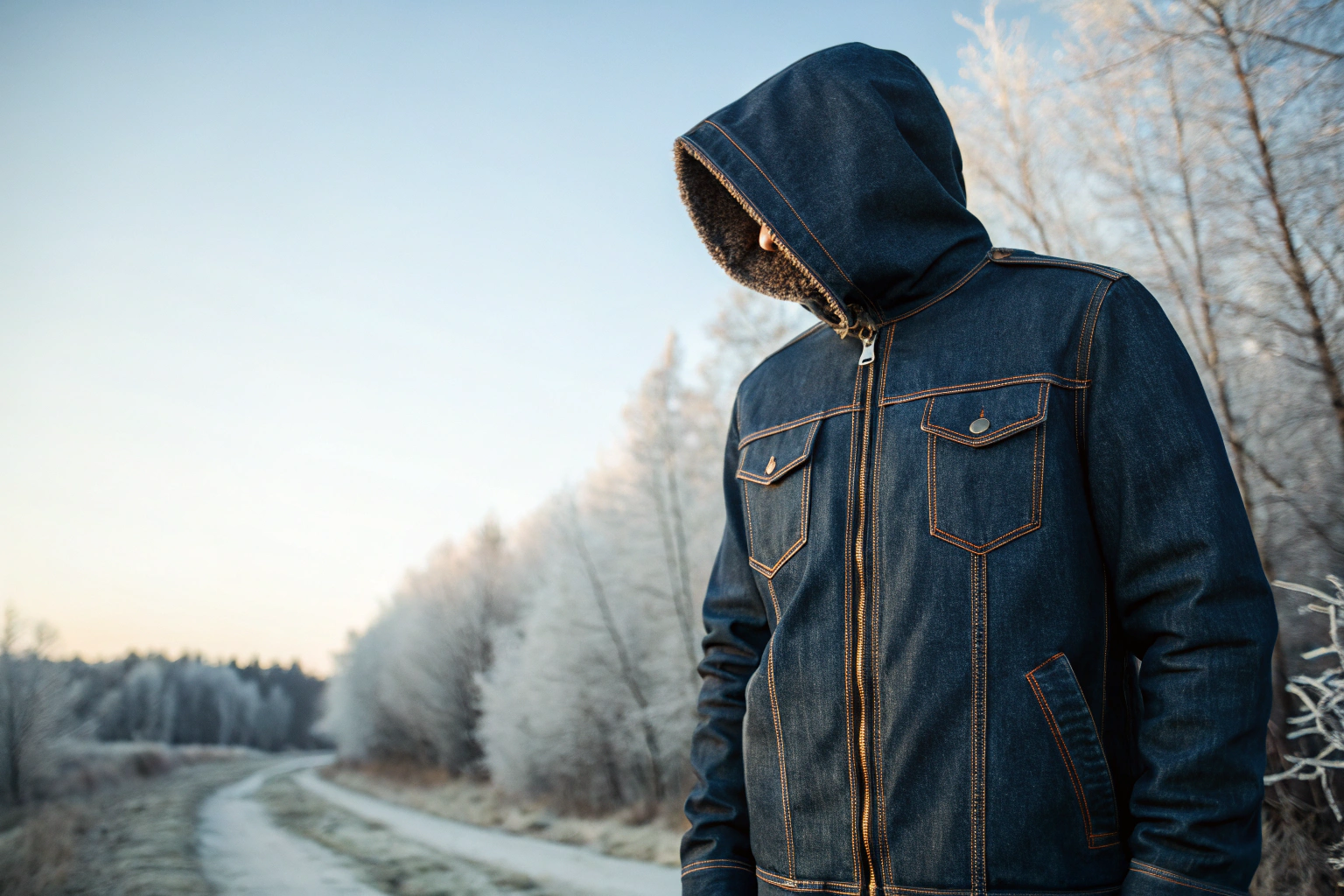
In very cold or wet winter environments, denim jackets are not sufficient as primary outerwear.
Denim lacks water resistance and insulation compared to technical outerwear. Snow, freezing wind, and prolonged outdoor exposure exceed its functional range.
In these conditions, denim jackets work only as mid-layers or fashion pieces, not protective outerwear. Clear positioning avoids unrealistic expectations and improves customer satisfaction.
Understanding these limits helps align design intent with real-world performance.
Conclusion
A denim jacket can be suitable for winter when designed with heavyweight fabric, proper lining, and layered wear in mind. Standard unlined denim jackets remain transitional garments, best for mild cold or indoor-outdoor use. Winter-ready denim jackets require upgraded materials, reinforced construction, and careful factory processes to deliver warmth and durability. When engineered and positioned correctly, denim jackets can play a strong role in winter casual collections, offering both style and functional comfort without overextending their natural performance limits.