Finding a manufacturer can be exciting—but risky if you don’t ask the right questions from the start.
Before choosing a clothing manufacturer, ask about their production capabilities, MOQ, lead time, certifications, quality control, past clients, and ability to scale. Clear answers reveal if they’re right for you.
I’ve worked with new brands who rushed into deals and lost time and money. Asking the right questions saved others from those same mistakes. It’s not about being picky—it’s about being prepared. Here are 11 questions you should always ask.
What Are Your Minimum Order Quantities (MOQ)?
Before anything else, you need to know how much you have to commit.
Ask the manufacturer for their MOQ per style, per color, and per size. This tells you if your budget and timeline fit their system.
Some factories offer flexible MOQs, especially for startups. Others need 500+ units per style. I always ask this first to see if the manufacturer can support small batch runs or if they’re built for volume.
What Fabrics and Materials Do You Work With?
Not every manufacturer handles all fabrics equally.
Ask if they have experience with your specific material, like spandex blends, recycled poly, or performance knits.
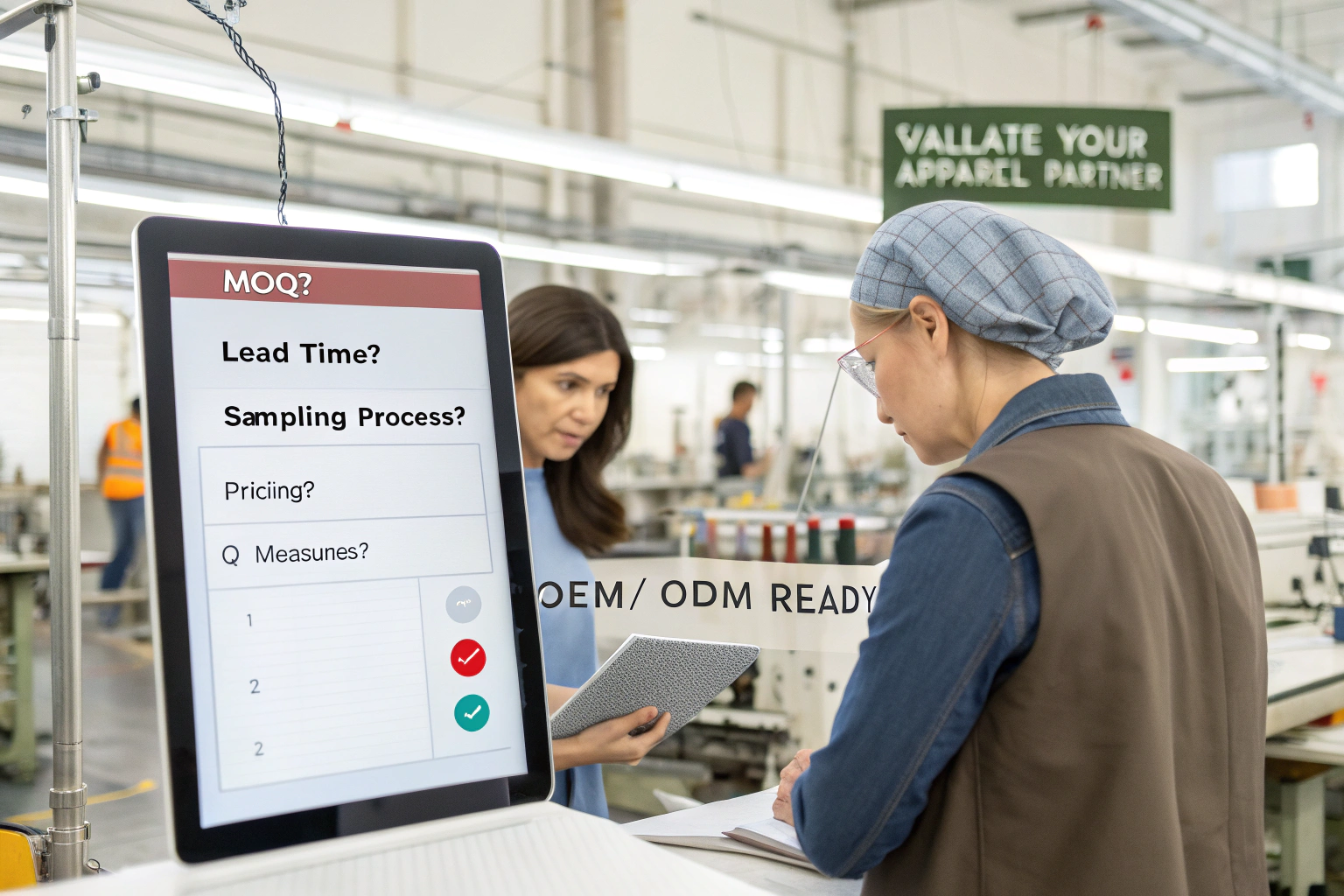
If you’re making swimwear or leggings, you need someone who knows stretch fabrics. If they’ve only done woven cotton, you’ll face problems later. I’ve seen how technical fabrics require special stitching and machines. So always match their skill set to your product type.
What Is Your Standard Lead Time?
Time is money. Delays can cost you sales.
Ask how long it takes from sampling to bulk production and final delivery. Clarify what each stage includes.
I always ask for timelines by stage: development, sampling, bulk, and shipping. A good supplier should be able to give you a clear range, like “15 days for samples, 30–45 days for bulk.” If they’re vague, that’s a red flag.
Can You Provide Samples Before Production?
A sample shows you exactly what you’ll get.
Ask if they offer pre-production samples and how many rounds are included before final approval.
I always recommend starting with 1–2 samples per style. It’s how you check fit, fabric, stitching, and color accuracy. A solid manufacturer won’t skip this step. They might charge a fee, but it’s worth it.
What Are Your Quality Control Procedures?
Even great factories make mistakes. QC stops them from reaching your customer.
Ask how they check quality during and after production, and if you’ll receive QC reports.
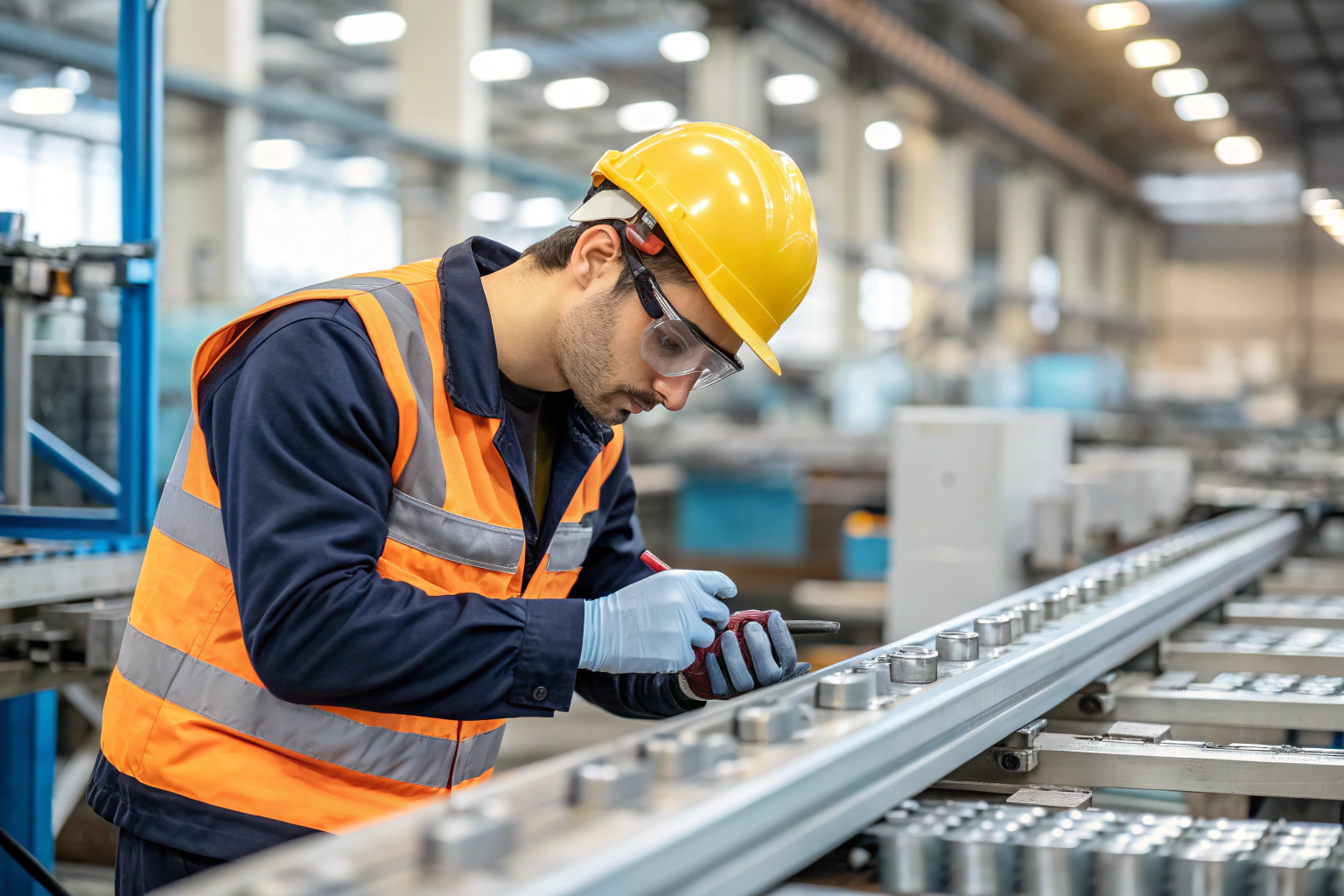
I always want to know if they have in-house inspectors or use third-party ones. Some factories also allow you to do video inspections or visit in person. A reliable partner should be transparent about how they handle defects.
Do You Have Relevant Certifications?
Certifications show professionalism and compliance.
Ask if they have certifications like OEKO-TEX, ISO, or GRS (for recycled materials). This proves standards are being met.
I’ve worked with clients in the US and EU who can’t launch products without these certifications. They’re not just for show—they protect you legally and help with marketing. Always request copies.
Who Are Your Previous Clients?
Reputation matters, especially when trust is involved.
Ask for examples of brands they’ve worked with. Look for experience in your market or product category.
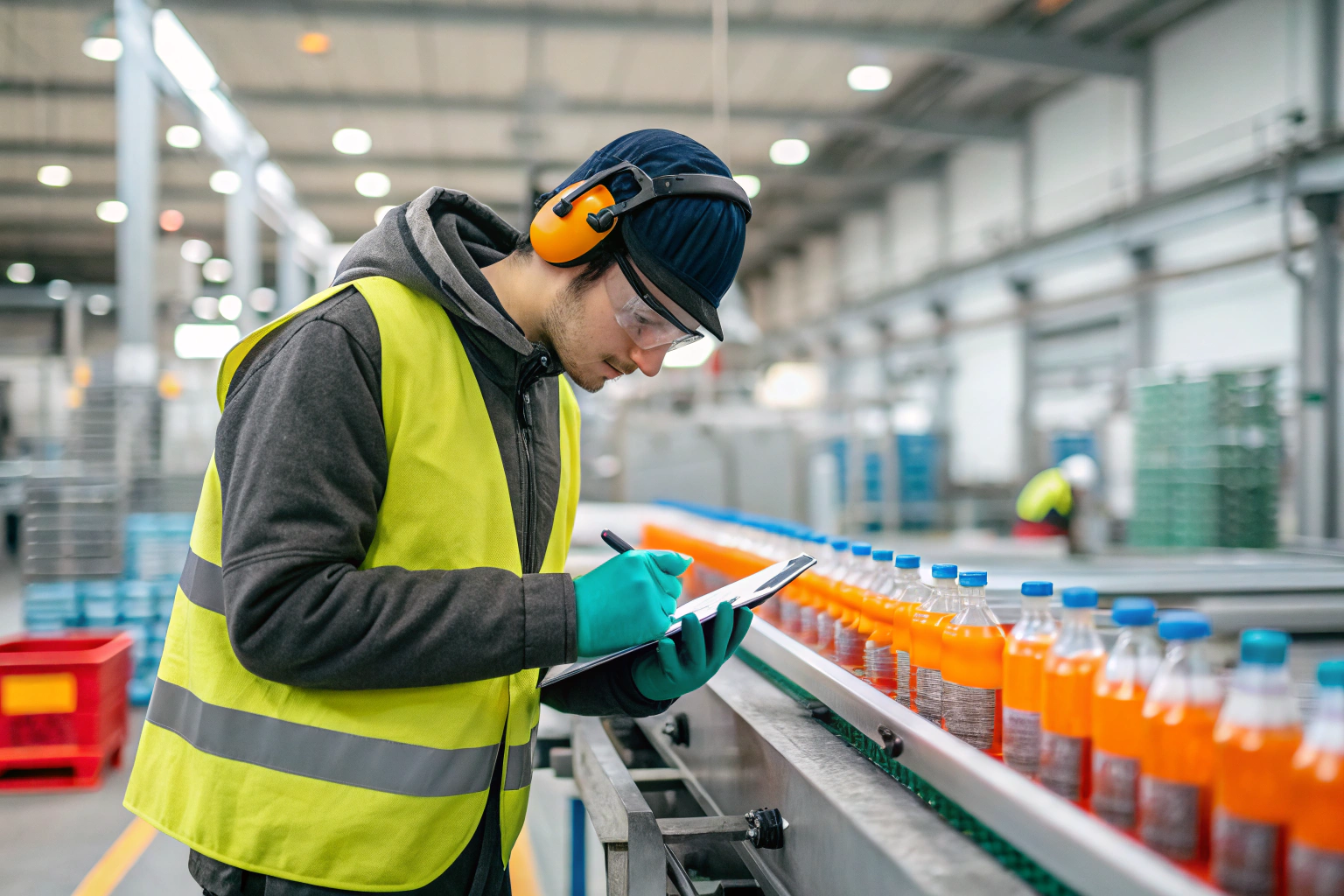
I always look at whether they’ve worked with small brands or only big retailers. If they’ve produced for your niche, it means they understand the challenges. You can also reach out to past clients for feedback.
What Is Your Pricing Structure?
Transparency here avoids confusion later.
**Ask for a detailed price breakdown—by unit, size, fabric, packaging, shipping, and an
A good factory won’t hesitate to show you how pricing works. I always check if they charge for extras like labeling, polybags, or fabric sourcing. Unexpected fees can eat into your margins fast.
How Do You Handle Delays Or Production Problems?
No one plans for problems—but they happen.
Ask how they communicate issues, how they fix delays, and if they offer compensation or backup solutions.
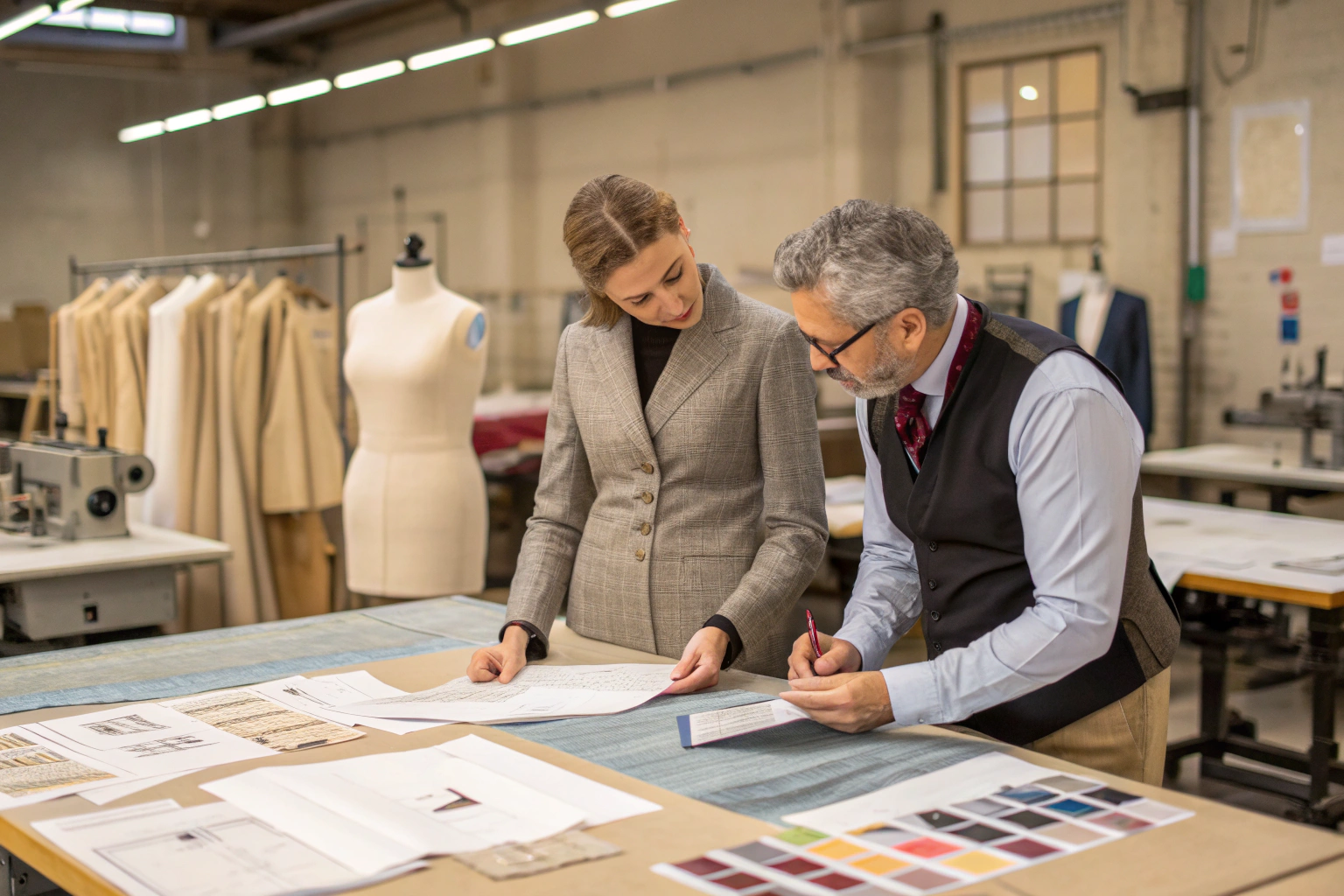
I always prefer manufacturers who give weekly updates and stay transparent. One delay without warning can ruin a launch. You want a partner who owns up, not one who disappears.
Can You Scale As My Brand Grows?
You don’t want to switch factories as you grow.
Ask if they can handle increased order volume in the future and whether they can add styles or SKUs easily.
I always check if they’ve grown with other brands. You don’t want a factory that can only do small batches if you’re planning big growth. Scalability means fewer headaches later.
What Support Do You Offer During Product Development?
Help during development makes everything smoother.
Ask if they help with fabric sourcing, patterns, size grading, and suggestions during sampling.
I’ve worked with factories that offer end-to-end support—it saves time and reduces errors. If you’re not an expert in tech packs or sizing, this kind of help is gold.
Conclusion
The best manufacturers welcome questions—they know good communication builds long-term business. Ask clearly, listen carefully, and choose someone who supports your brand, not just your order.