
Layering is a long-established practice in apparel design, balancing comfort, function, and appearance. The combination of a crewneck worn over a shirt is not accidental but the result of both styling tradition and garment engineering.
Yes, wearing a crewneck over a shirt is a standard and appropriate approach, widely used for layering, thermal regulation, and structured styling in casual and smart-casual apparel.
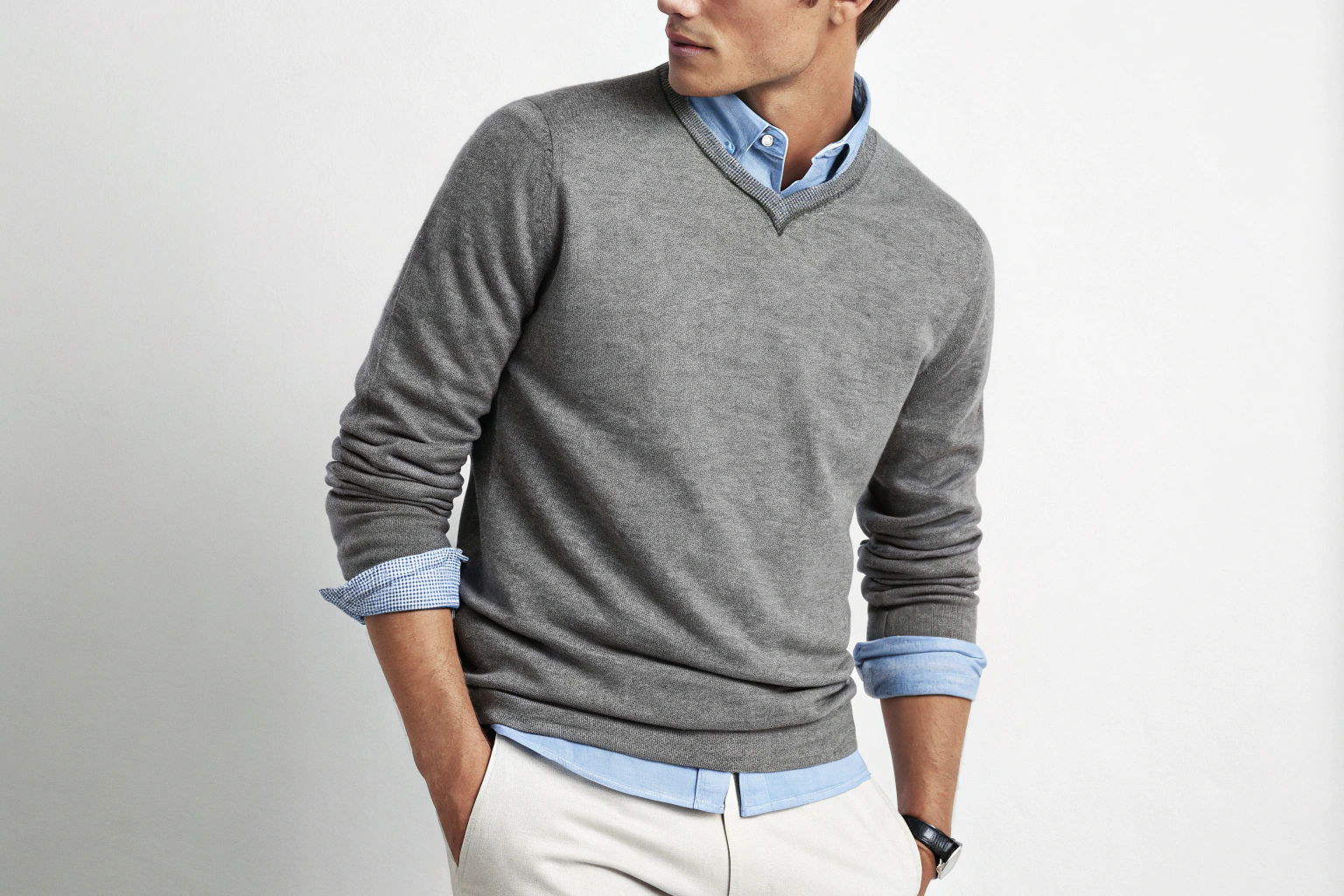
This wearing method influences how garments are designed, patterned, and produced. For manufacturers, the layering function directly affects fabric choice, fit allowances, and workshop processes.
Why Crewnecks Are Designed for Layering
Crewnecks are structurally suited for layering due to their neckline shape and overall garment balance.
The round neckline and stable rib construction make crewnecks ideal for wearing over shirts without visual clutter or discomfort.
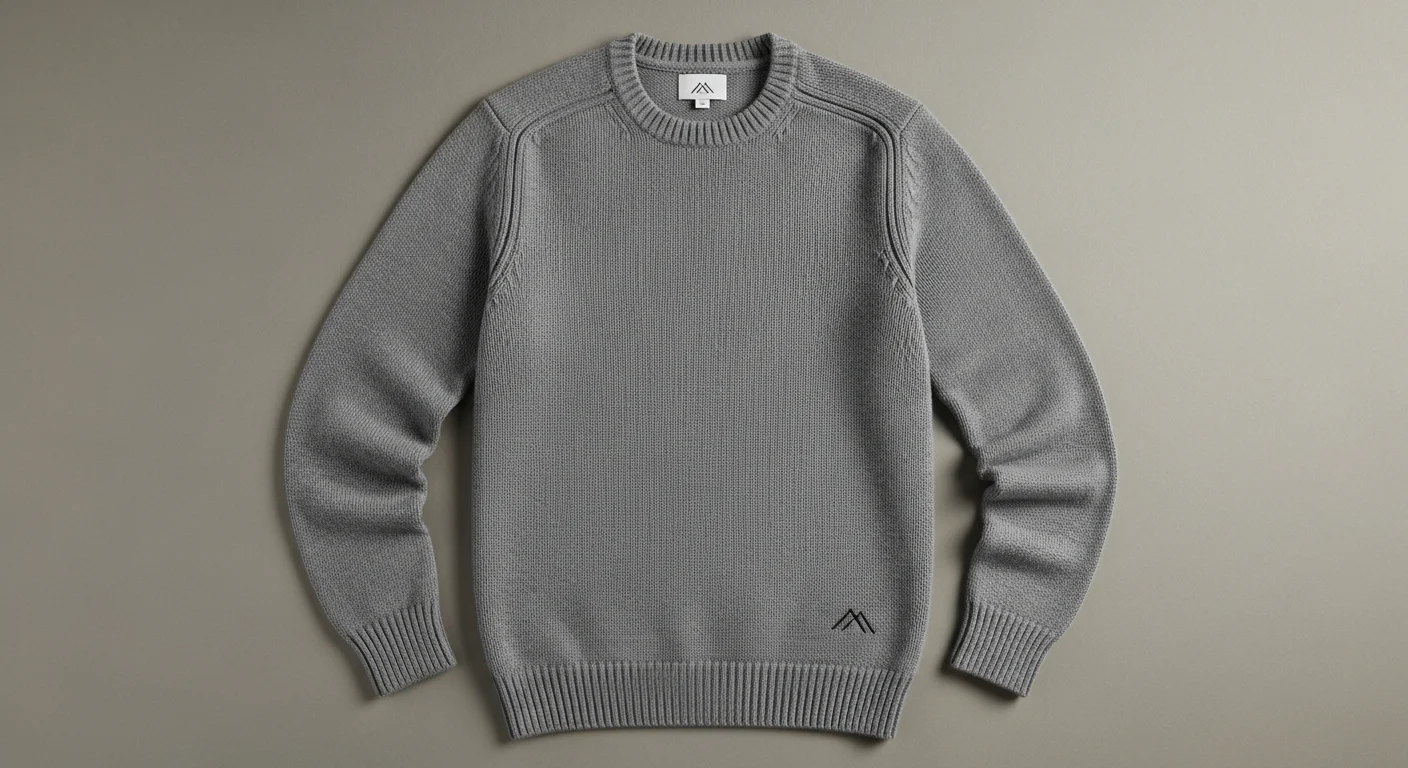
The crewneck neckline sits close to the neck but leaves enough space to accommodate a shirt collar or neckline underneath. Unlike V-necks or open plackets, the closed shape maintains a clean appearance when layered. From a design perspective, crewnecks are often developed with moderate ease in the chest and shoulder area to allow movement when worn over another garment. This design logic supports both comfort and consistency across size ranges. In collections focused on versatility, crewnecks are positioned as mid-layer garments that transition easily between indoor and outdoor environments.
How Fit and Pattern Development Support Layering
Layering requires precise control over garment proportions, especially in production-scale apparel.
Crewnecks intended for layering are patterned with added ease in key areas to prevent restriction while preserving shape.
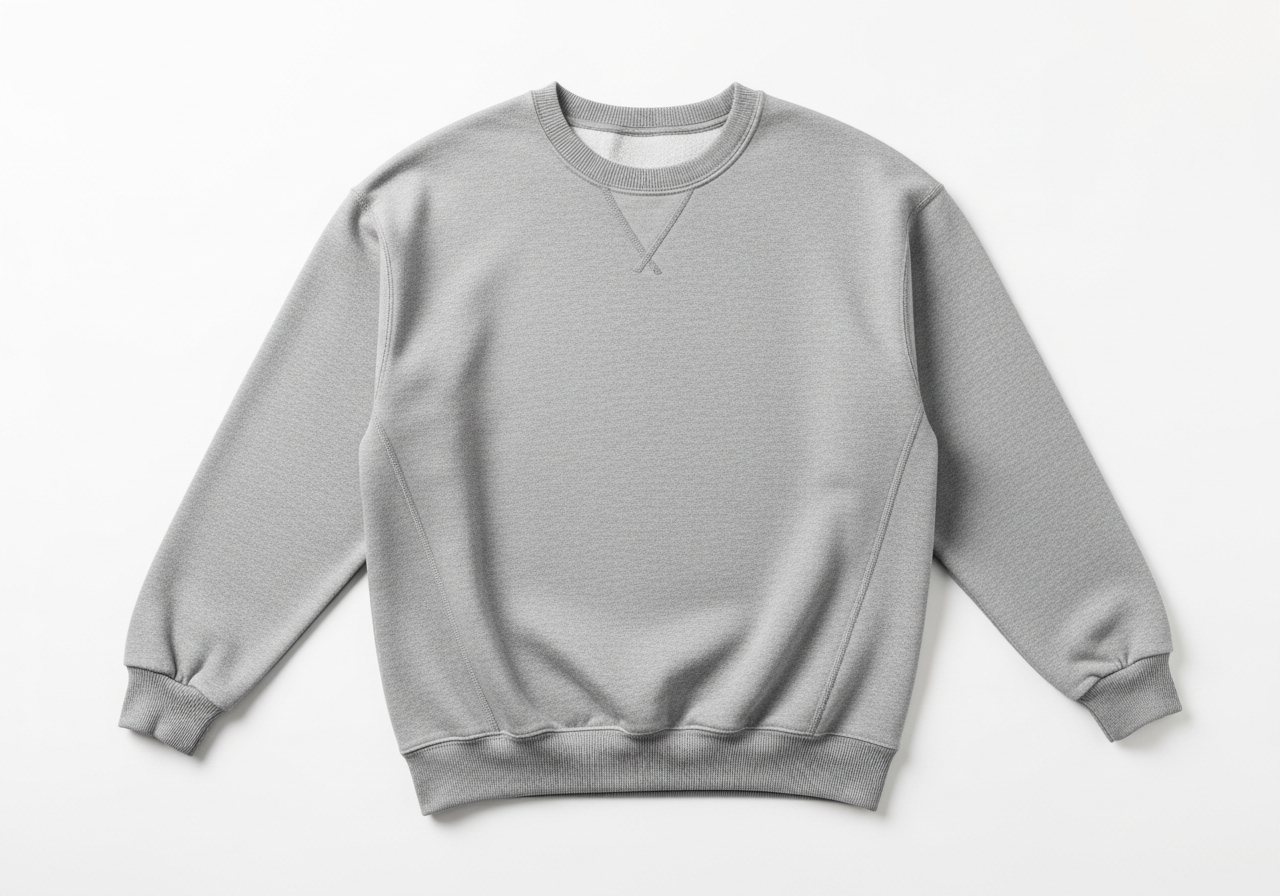
During pattern development, allowances are added to the chest, armhole, and sleeve width to account for the inner shirt. Shoulder slopes are carefully adjusted to avoid pulling or bunching. Neck openings are engineered to sit flat even when a shirt collar is worn underneath. Ribbed hems and cuffs are calibrated to provide gentle tension rather than compression. In grading, these adjustments are scaled proportionally to ensure consistent fit across sizes. Poor pattern balance can lead to tightness, distorted seams, or discomfort, which is why layered fit testing is a standard step before bulk production.
Fabric Selection for Crewnecks and Inner Shirts
Fabric compatibility plays a critical role in layering performance and long-term wear quality.
Crewnecks use structured, heavier fabrics, while inner shirts rely on lightweight, breathable materials to reduce friction and bulk.
Crewneck garments are commonly produced with fleece, French terry, or knitted yarn fabrics that provide insulation and shape retention. These fabrics typically range from medium to heavy weight, offering warmth without excessive stiffness. Inner shirts, on the other hand, are made from lighter cotton jersey, poplin, or blended knits to maintain breathability. In fabric testing, shrinkage rates and surface friction are evaluated to ensure layered garments move smoothly together. Excessive friction between layers can cause discomfort and accelerated wear. Matching fabric performance is a key step during material sourcing and sampling.
Workshop Production Process for Layered Crewnecks
Producing crewnecks designed for layering requires controlled workshop operations and skilled workmanship.
Factory processes focus on precision cutting, stable rib attachment, and seam reinforcement to support layered wear.
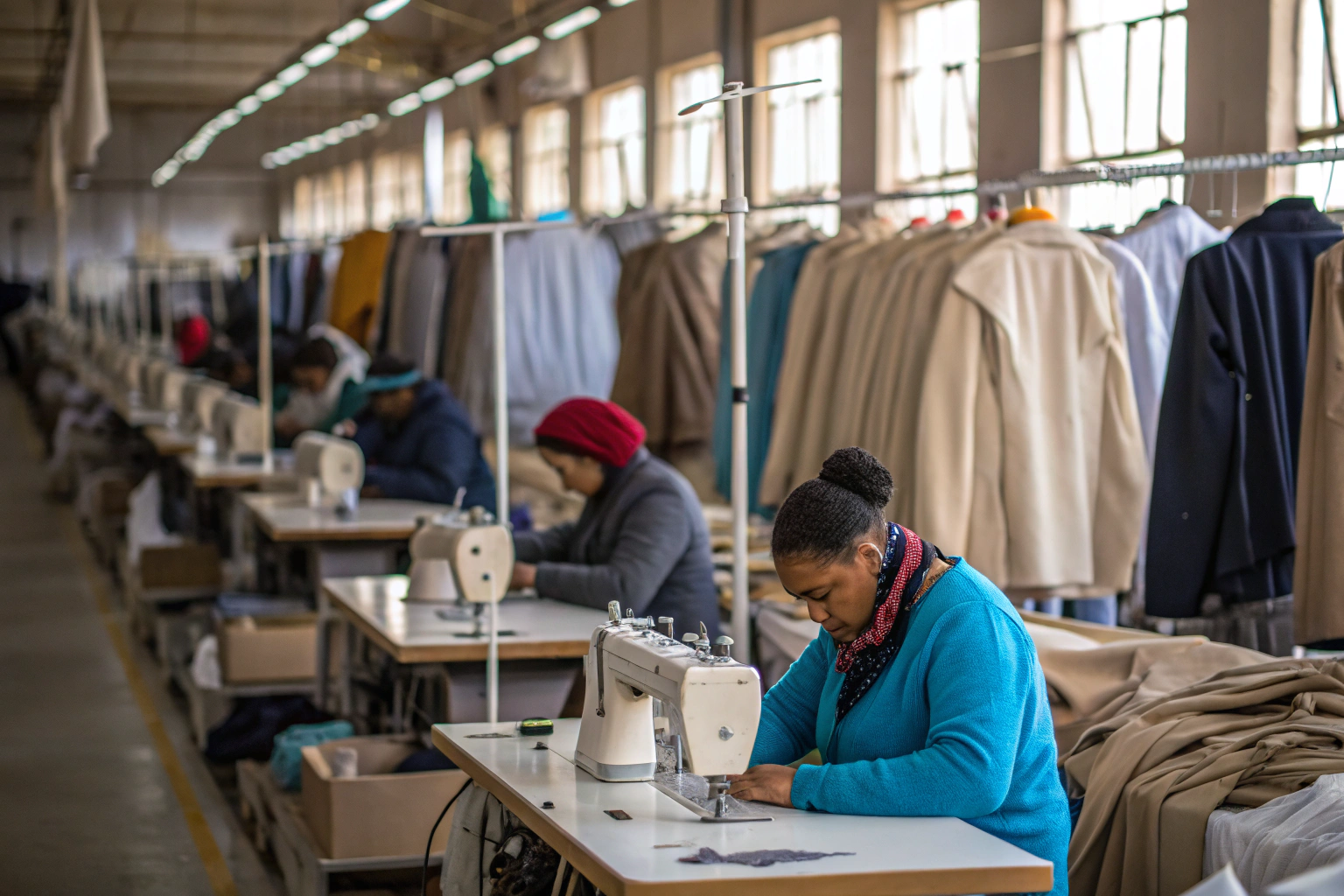
Production begins with fabric inspection to verify weight consistency and elasticity. Cutting layouts are planned to maintain grain direction, especially for rib components that affect neckline recovery. Sewing lines are organized to manage thicker seam intersections at shoulders and neckline joins. Overlock and coverstitch machines are commonly used to ensure seam strength and flexibility. Neck rib attachment is a critical operation, requiring controlled stitch tension to avoid waviness or distortion. After assembly, garments undergo pressing and shape setting. Quality control checks focus on neckline flatness, stretch recovery, seam durability, and fit over a standard shirt. These steps ensure the final product performs well in real layering scenarios.
When Layering Crewnecks Is Most Appropriate
The crewneck-over-shirt combination serves both functional and aesthetic purposes across various settings.
This layering method is suitable for transitional seasons, indoor-outdoor environments, and settings requiring a clean but relaxed appearance.
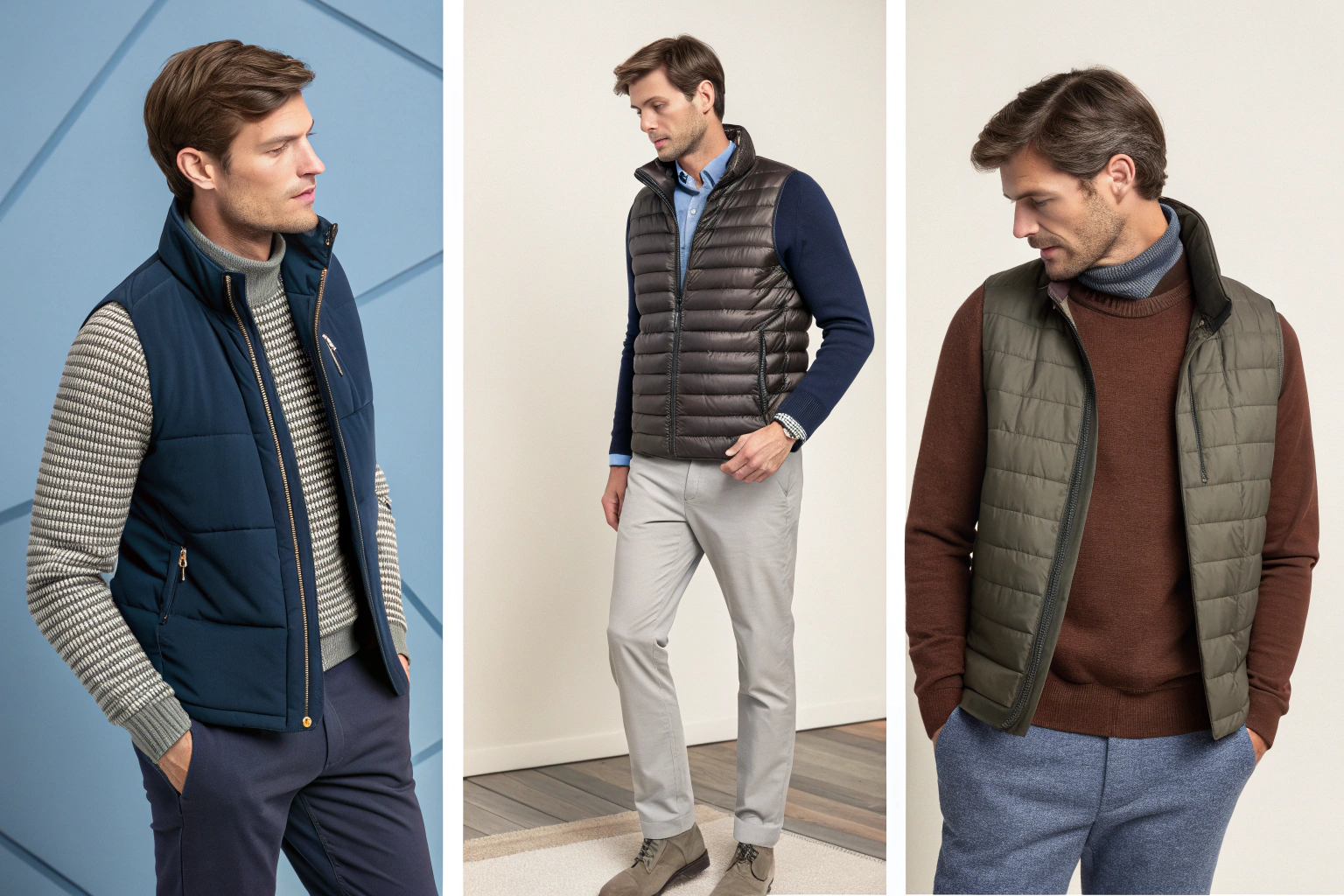
In cooler temperatures, layering improves thermal control without relying on heavy outerwear. In structured environments, wearing a crewneck over a collared shirt creates a balanced look that remains comfortable throughout the day. From a product planning perspective, crewnecks designed for layering extend the usability of a garment across multiple seasons. This versatility increases overall product value and reduces reliance on single-purpose styles. As a result, layered crewnecks are often positioned as core items in apparel collections.
Conclusion
Wearing a crewneck over a shirt is not only acceptable but intentionally supported by garment design and manufacturing logic. The crewneck’s round neckline, stable rib construction, and balanced proportions make it ideal for layering. Achieving this functionality requires careful coordination across design, pattern development, fabric selection, and factory production processes. Added ease in key fit areas, compatible fabric choices, and reinforced construction all contribute to comfort and durability when garments are layered. In the workshop, precision cutting, controlled sewing operations, and thorough quality inspection ensure consistent performance at scale. As apparel trends continue to emphasize versatility, comfort, and seasonless wear, the crewneck layered over a shirt remains a reliable and well-engineered solution, supported by proven production methods and enduring design principles.