
Hoodies are one of the most popular garments in casual and transitional seasons, but their performance in true winter conditions is more complex and depends on several factors.
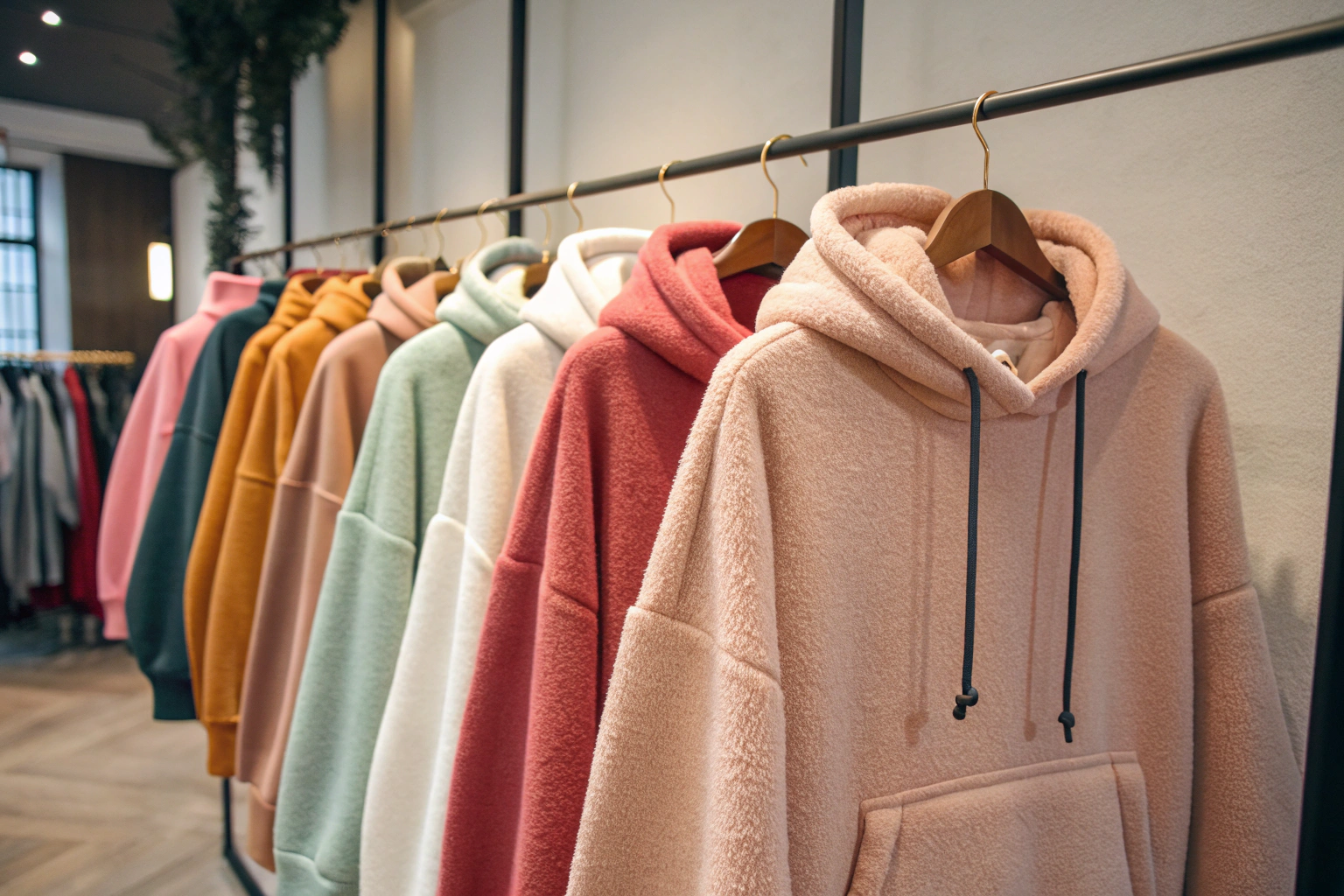
Hoodies provide moderate warmth and are ideal as a mid-layer in cold weather systems, especially when manufactured with dense fleece and performance detailing.
In cooler climates, hoodies alone may not provide enough protection against wind, moisture, or extreme cold. However, their ability to trap body heat, combined with breathability and comfort, makes them a core component in winter layering strategies. Advanced textile production and garment engineering have also led to the development of hoodies with improved insulation and weather resistance.
What materials make a hoodie suitable for winter?
Material selection is the foundation of a hoodie’s performance in cold temperatures.
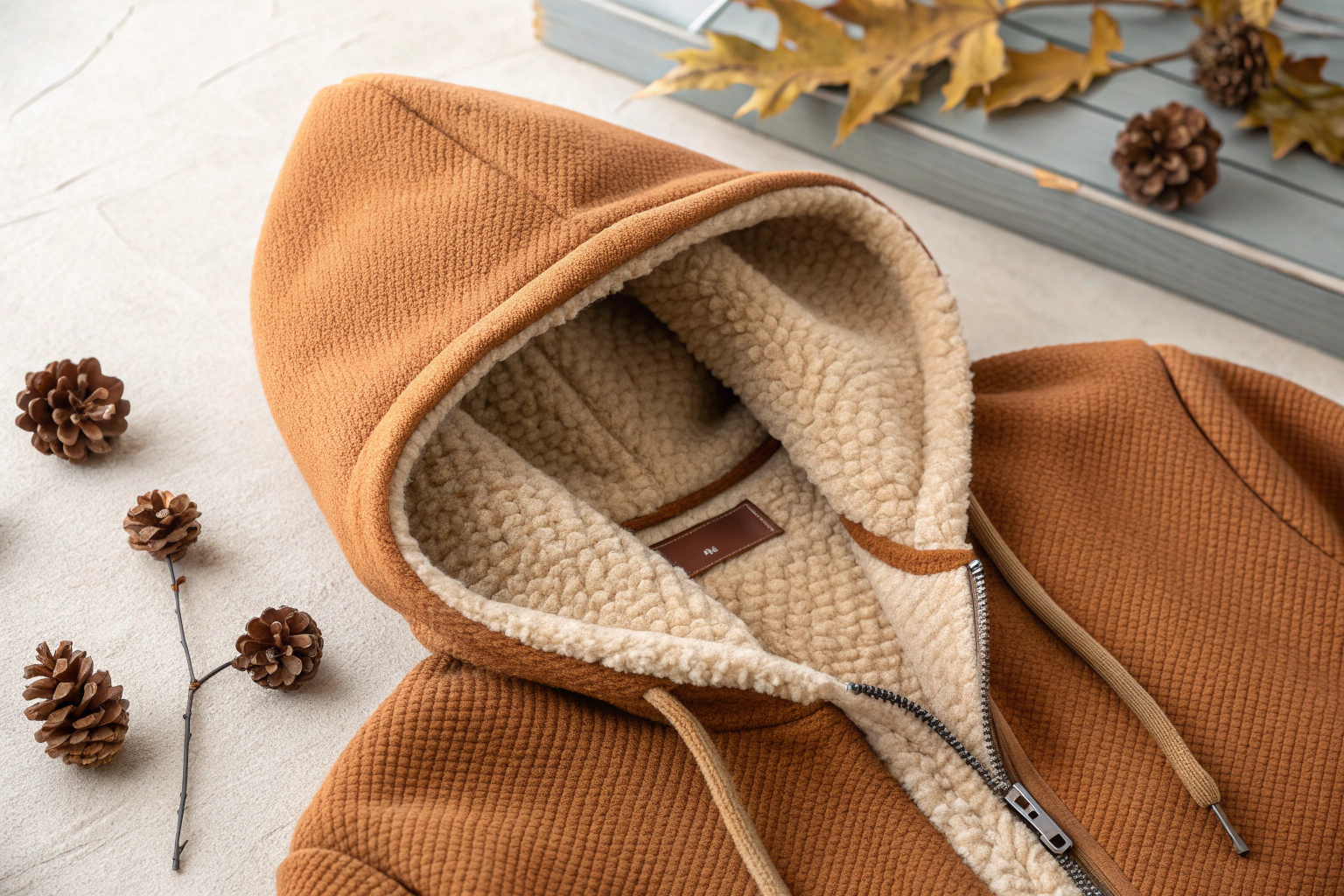
Brushed fleece, heavyweight cotton blends, and technical poly-fabrics are commonly used to enhance thermal insulation and comfort.
Winter hoodies are often manufactured using inner-brushed fleece that traps warmth while providing softness. Cotton-polyester blends improve moisture control and shape retention, while the inclusion of spandex allows greater movement. In cold-weather factories, yarn selection is managed through automated blending systems to ensure consistency. Post-weaving processes such as napping (brushing) and anti-pilling treatments enhance warmth and longevity.
| Fabric Type | Warmth Level | Ideal Usage |
|---|---|---|
| Cotton-Fleece Blend | Moderate | Everyday winter wear |
| Heavyweight French Terry | Moderate | Mid-layer under coats |
| Thermal Poly-Fleece | High | Cold-weather sport and travel |
How do hoodie designs contribute to insulation?
Design details can significantly influence how well a hoodie retains warmth.
Lined hoods, ribbed hems, wind flaps, and full-zip construction help trap heat and protect the upper body.
Winter-oriented hoodies often feature double-layer construction in high-heat zones such as the chest and back. High collars, adjustable drawstrings, and kangaroo pockets with brushed linings enhance both function and warmth. In production environments, these components are sewn with reinforced stitching techniques using heavy-gauge thread for durability. Cutting-edge hoodies also undergo thermal mapping during development to ensure even heat distribution across the garment.
Are hoodies windproof or waterproof?
Traditional hoodies are not designed to block wind or repel water, but certain manufacturing upgrades can enhance these properties.

Standard cotton hoodies offer little protection against wind or precipitation unless treated or reinforced with technical overlays.
Some winter hoodies integrate softshell panels, laminated membranes, or DWR coatings to provide water resistance. These enhancements are applied during production, typically through post-treatment spray systems or lamination machines. Seam placement is adjusted to reduce wind exposure, especially around the shoulders and neck. While not replacements for outerwear, weather-treated hoodies are effective for transitional cold weather or urban commuting.
How should hoodies be layered for winter?
Layering determines how well a hoodie functions in very cold conditions.
Used between a thermal base and an insulated jacket, a hoodie offers comfort, breathability, and mid-layer warmth.
Factory-designed layering hoodies are cut with mobility in mind. Slim-fit arms, flatlock seams, and articulated shoulders help reduce bulk. Combined with a base layer made from thermal polyester or wool, the hoodie holds warmth close to the body. When worn under a down or synthetic jacket, the three-layer system manages heat efficiently. The hoodie remains a flexible layer that can be removed or adjusted during indoor transitions.
What factory processes improve winter hoodie quality?
The factory floor plays a crucial role in ensuring a hoodie performs well in winter use.
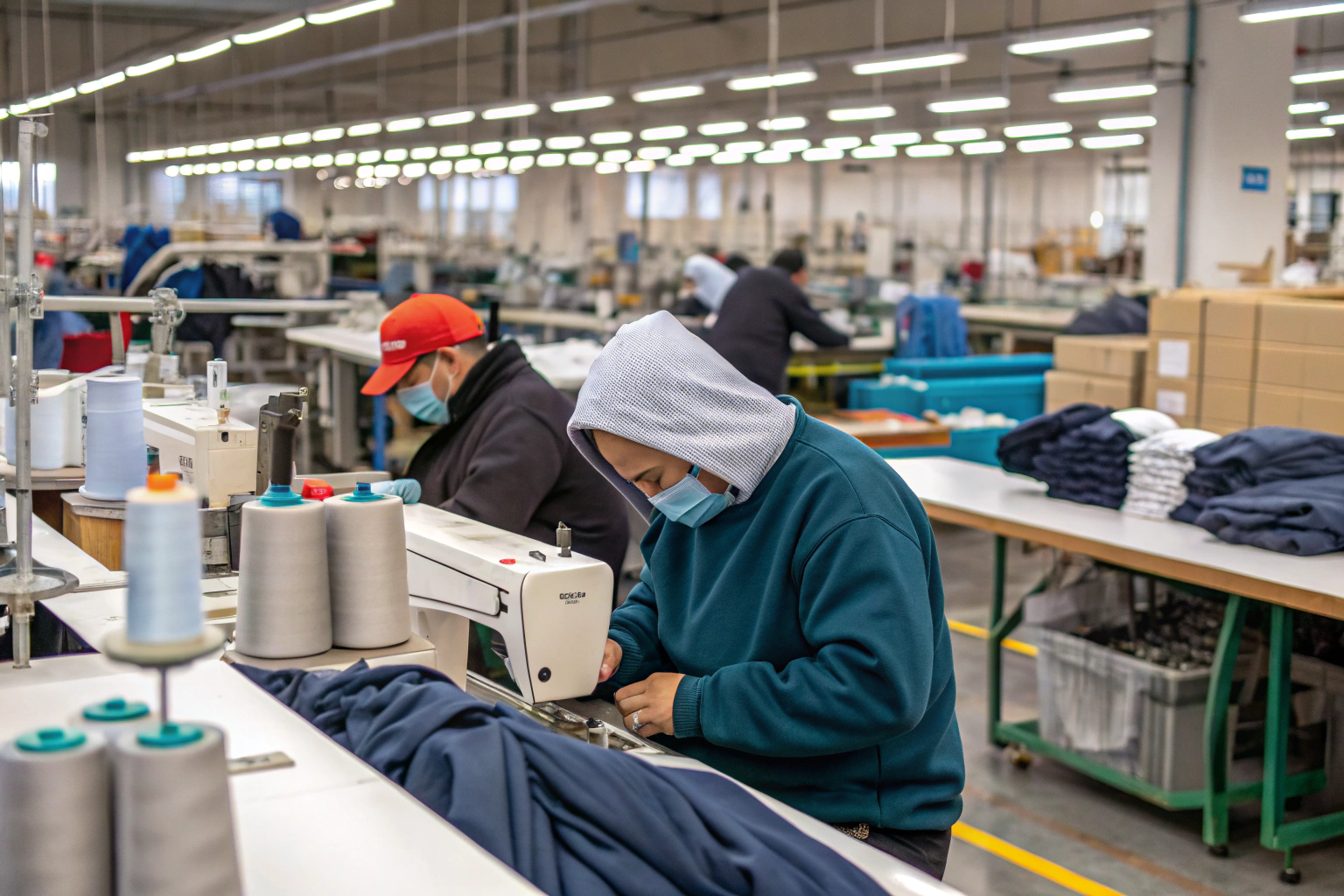
Precision cutting, thermal inspection, and advanced finishing techniques all impact the insulation, fit, and durability of winter hoodies.
Thermal hoodies are produced with close attention to fit and fabric performance. Computerized cutting machines ensure consistent sizing, while reinforced bar-tacking adds strength to high-stress areas. Fleece is treated through brushing rollers to enhance loft and softness. Final inspections include shrinkage testing, stitching strength checks, and heat-retention evaluation using thermal scanners. Each step ensures that the garment meets winter-ready quality standards before export or packaging.
Are hoodies a reliable winter solution?
Hoodies are not standalone solutions for deep winter, but they play an essential role in cold-weather outfits.
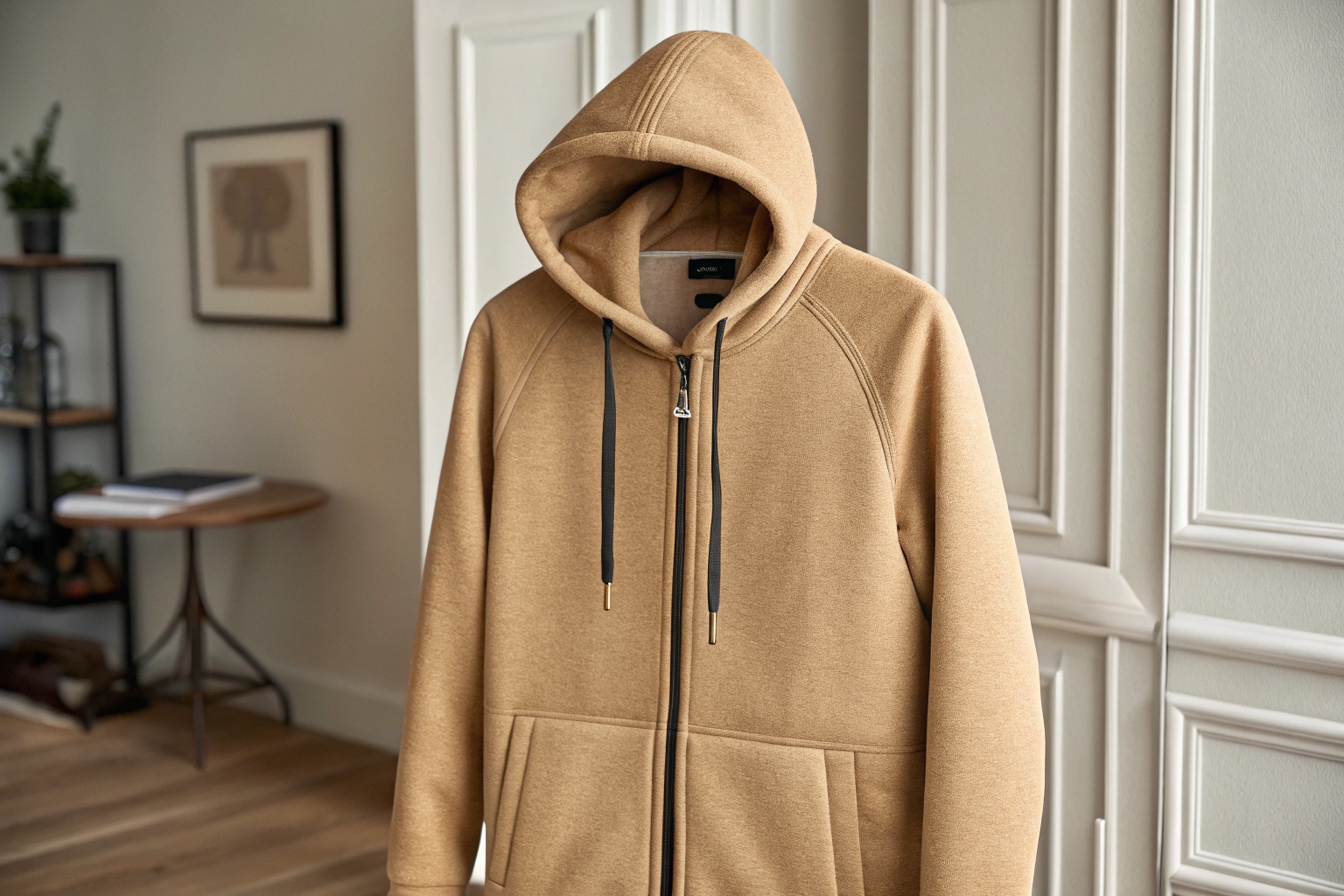
In combination with performance outerwear, hoodies provide comfort, thermal support, and flexibility in variable winter environments.
Hoodies alone may not withstand extreme wind or freezing rain. However, when paired with a proper layering system, they become one of the most versatile pieces in winter collections. Their role is enhanced by thoughtful manufacturing, from premium fleece selection to seam reinforcement and fit optimization. Hoodies remain essential for travel, sport, indoor warmth, and transitional outdoor activity.
Conclusion
Hoodies serve as practical and effective winter garments when engineered with suitable materials and manufacturing processes. Their value increases when layered with other garments and constructed using high-density fleece, wind-resistant linings, and ergonomic patterns. In modern apparel production, the focus is on maximizing warmth through textile science and precise construction. While not designed as substitutes for outerwear in extreme conditions, hoodies remain central to winter comfort and style. Combined with weather-resistant jackets and thermal base layers, they form a balanced system for mobility, warmth, and performance across diverse winter settings.