
Shrinkage is a common concern in sweatshirt wear and care, especially for garments made from natural or blended fibers. Understanding how and why shrinkage occurs helps clarify garment performance and manufacturing quality.
Sweatshirts can shrink when washed if the fabric, yarn, or finishing process is not properly controlled, particularly under high heat and agitation.
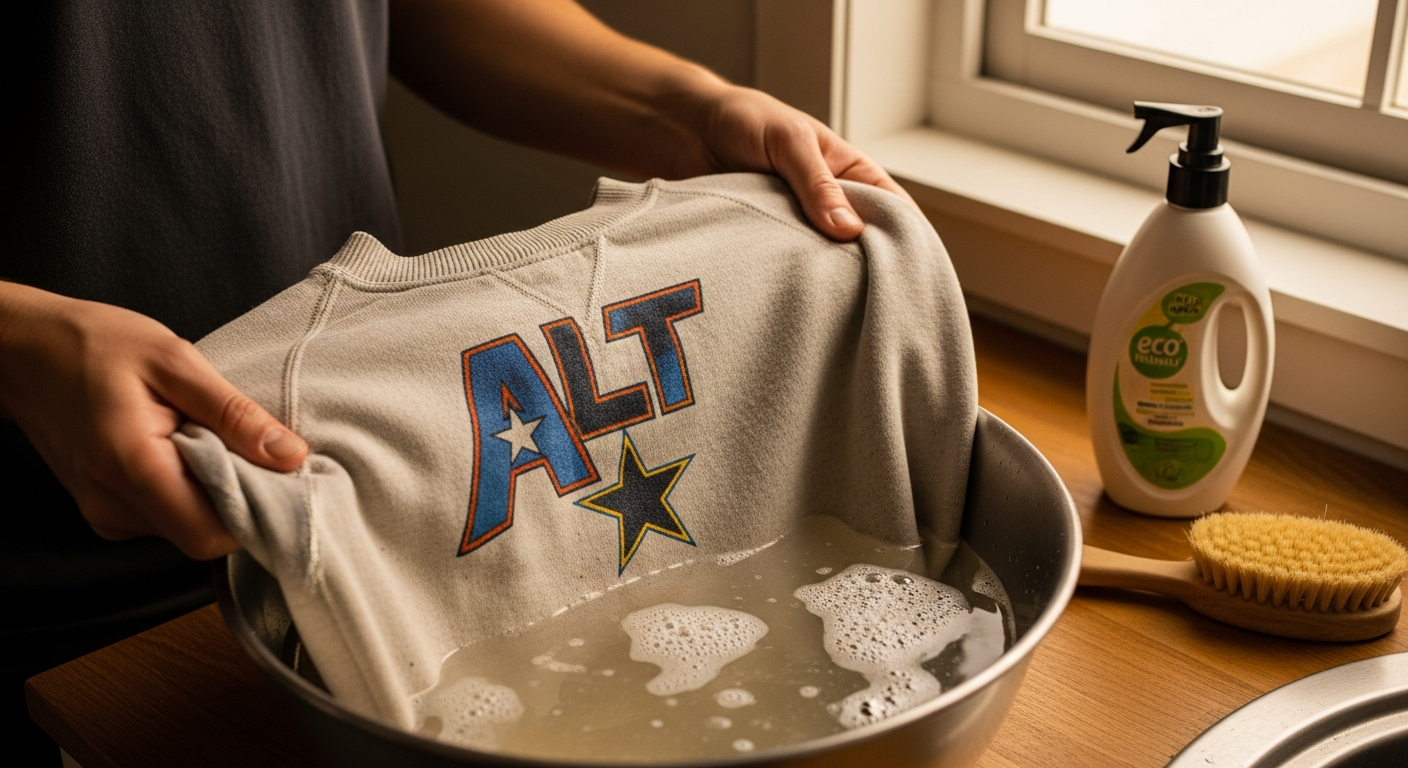
Shrinkage is not a random issue. It is closely related to fiber content, fabric structure, and factory processing methods applied before and after garment production.
What causes sweatshirts to shrink?
Shrinkage mainly results from fiber relaxation and heat exposure.
Cotton fibers and certain blended yarns naturally contract when exposed to heat and moisture, especially if internal tension has not been released during processing.
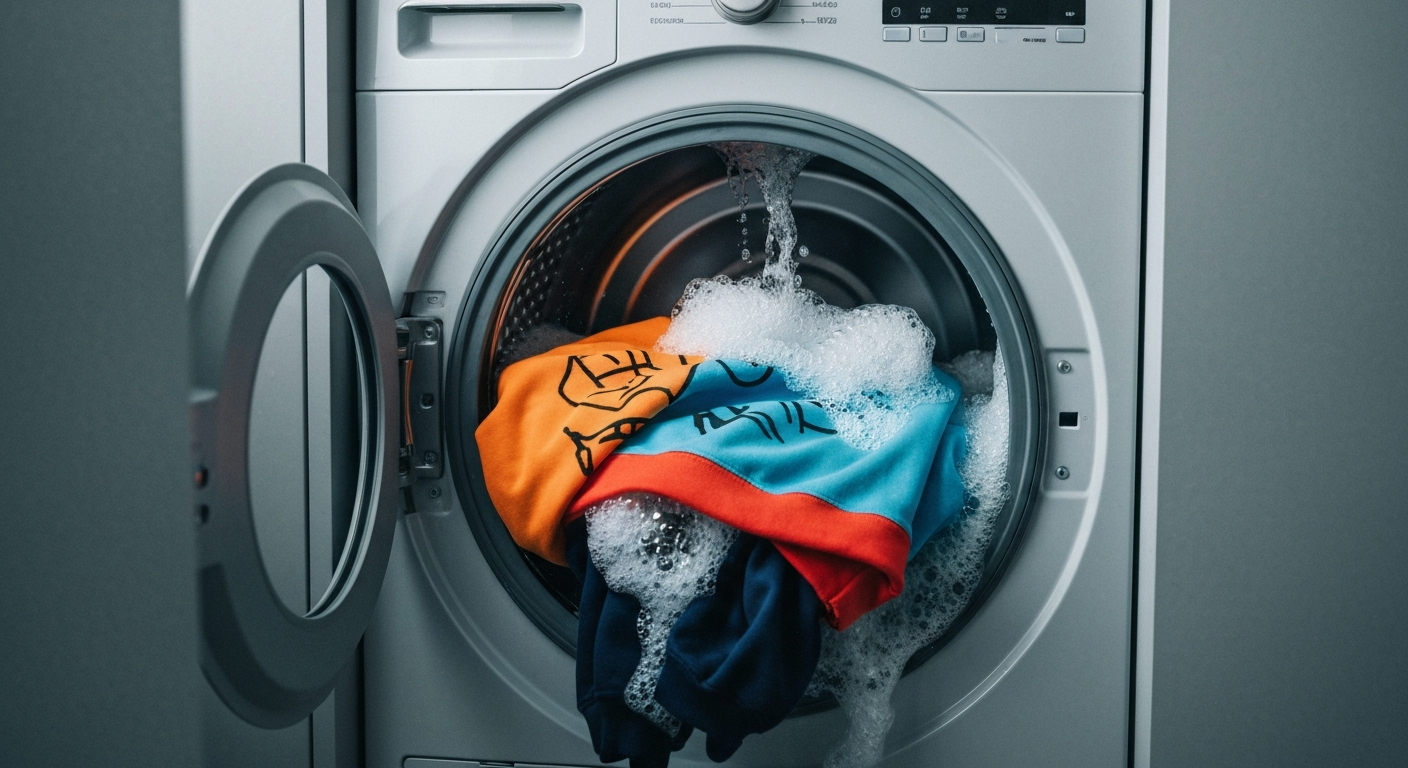
During knitting and fabric formation, yarns are placed under tension. If the fabric does not undergo proper pre-treatment, this tension remains locked in. When washed, the fibers relax and return to a shorter state, causing the garment to shrink. High water temperature, tumble drying, and strong mechanical movement accelerate this process. Synthetic fibers such as polyester are more dimensionally stable, while natural fibers are more sensitive.
Does fabric type affect sweatshirt shrinkage?
Material selection plays a critical role in dimensional stability.
Cotton sweatshirts are more prone to shrinkage, while polyester or cotton-poly blends show better resistance when properly finished.
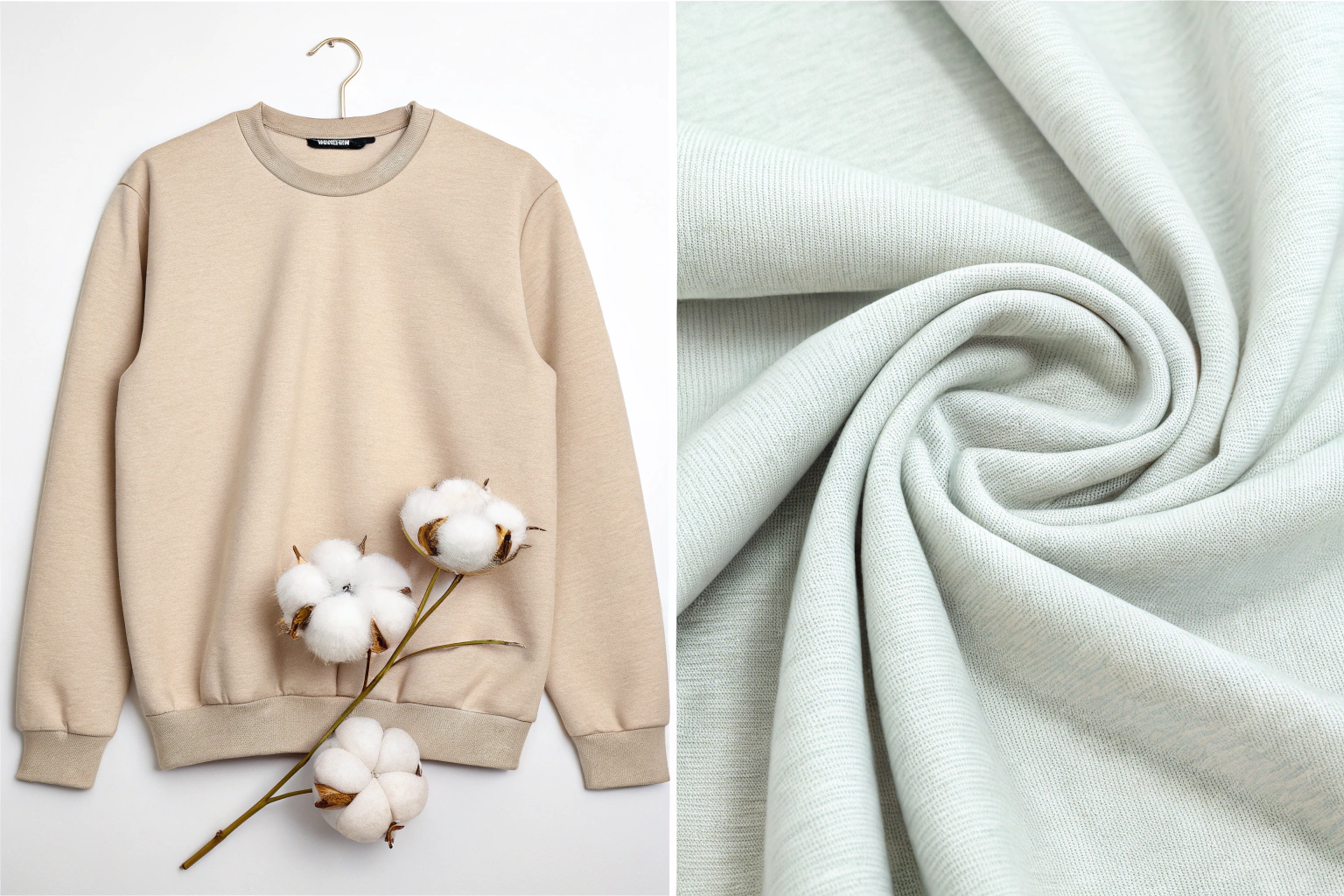
Pure cotton fleece or French terry fabrics may shrink between 3% and 7% if untreated. Blended fabrics reduce this risk by combining natural softness with synthetic stability. Fabric weight also matters. Heavier fleece fabrics often shrink less proportionally than lightweight knits. Manufacturers evaluate shrinkage rates during fabric testing to ensure finished garments meet size tolerance standards.
| Fabric Type | Shrinkage Risk | Stability Level |
|---|---|---|
| 100% Cotton | High | Medium |
| Cotton-Poly Blend | Medium | High |
| 100% Polyester | Low | Very High |
How do factory processes control shrinkage?
Shrinkage control is a key part of professional garment manufacturing.
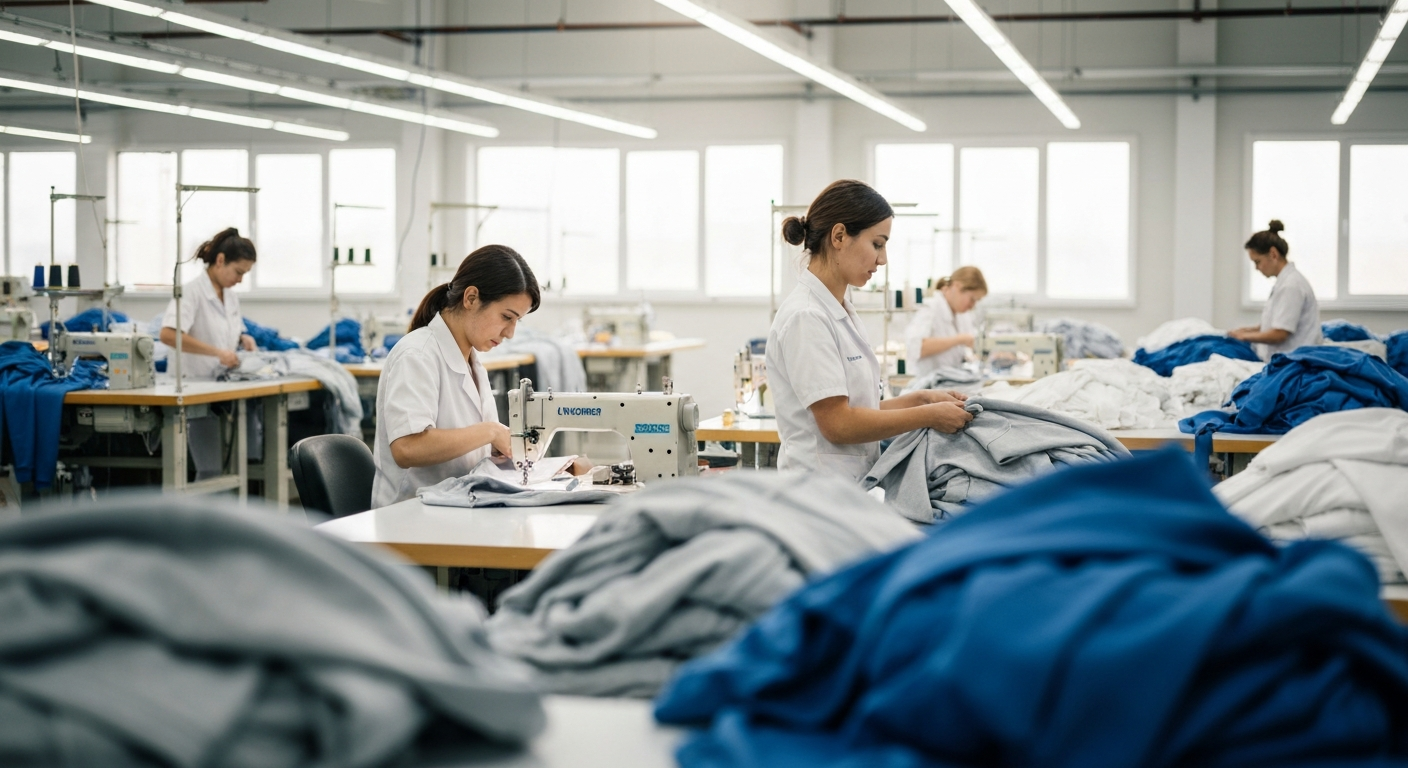
Factories use pre-shrinking, heat setting, and washing processes to stabilize sweatshirt fabrics before bulk production.
Before cutting, fabrics often go through pre-treatment such as compaction, sanforization, or heat setting. These processes relax fibers under controlled conditions, reducing future shrinkage. After sewing, many sweatshirts undergo garment washing to further stabilize size and improve hand feel. Quality control teams measure shrinkage rates after test washing to confirm compliance with specification limits. Only fabrics that pass shrinkage standards proceed to mass production.
Does garment construction influence shrinkage?
Construction details affect how shrinkage appears on the finished garment.
Areas with ribbing, seams, and layered panels may shrink differently from flat fabric sections, influencing overall fit.
Ribbed cuffs and hems are designed to stretch and recover, which helps maintain shape even if the body fabric shrinks slightly. Poorly balanced patterns or uneven stitching tension can exaggerate distortion after washing. In factory workshops, operators adjust stitch density and seam elasticity based on fabric stretch behavior. Balanced construction helps distribute shrinkage evenly, preventing twisting or length imbalance.
How does washing and drying impact sweatshirt size?
Care methods strongly influence garment longevity.
High-temperature washing and tumble drying significantly increase the likelihood of shrinkage, even in pre-treated sweatshirts.
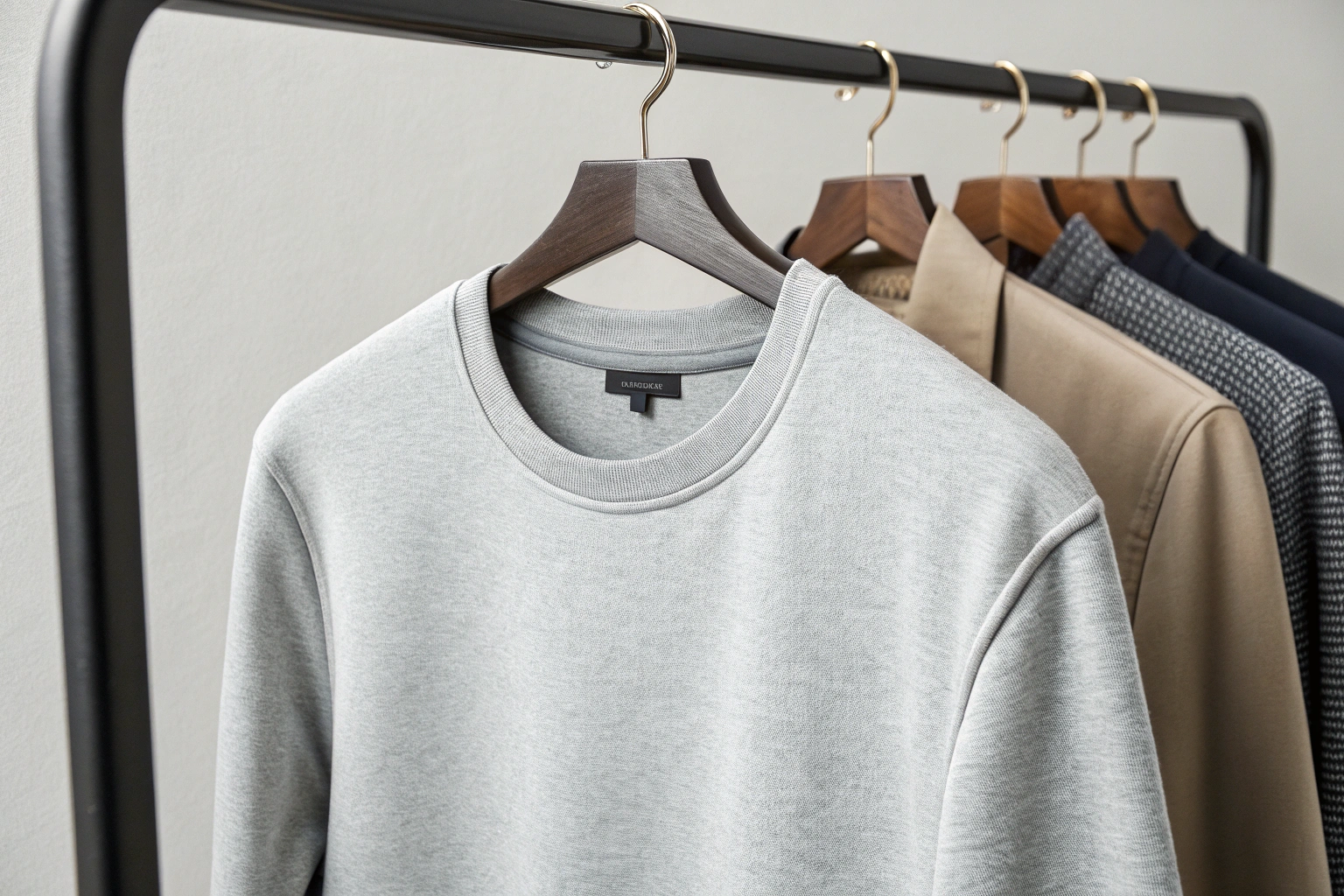
Industrial testing shows that repeated exposure to heat causes gradual fiber contraction over time. Cold or low-temperature washing reduces stress on fibers. Air drying or low-heat drying helps maintain original dimensions. Manufacturers often include care labels based on fabric testing results to guide proper maintenance and preserve garment shape.
Conclusion
Sweatshirts can shrink when washed, but shrinkage is largely predictable and controllable through proper material selection, fabric treatment, and manufacturing processes. Cotton-rich fabrics naturally carry higher shrinkage risk, while blended and synthetic materials offer improved dimensional stability. In professional garment production, shrinkage control begins at the fabric stage and continues through cutting, sewing, finishing, and quality inspection. When these processes are carefully managed, sweatshirts maintain consistent sizing and fit throughout their lifecycle. This balance between comfort, durability, and structural stability is what defines a well-made sweatshirt in modern apparel manufacturing.