
Chambray looks like denim but wears like cotton — offering style flexibility with breathable softness that suits warm climates and casualwear.
Chambray is a plain-weave fabric made with colored warp and white weft yarns, typically from cotton, creating a soft, lightweight, and textured surface.
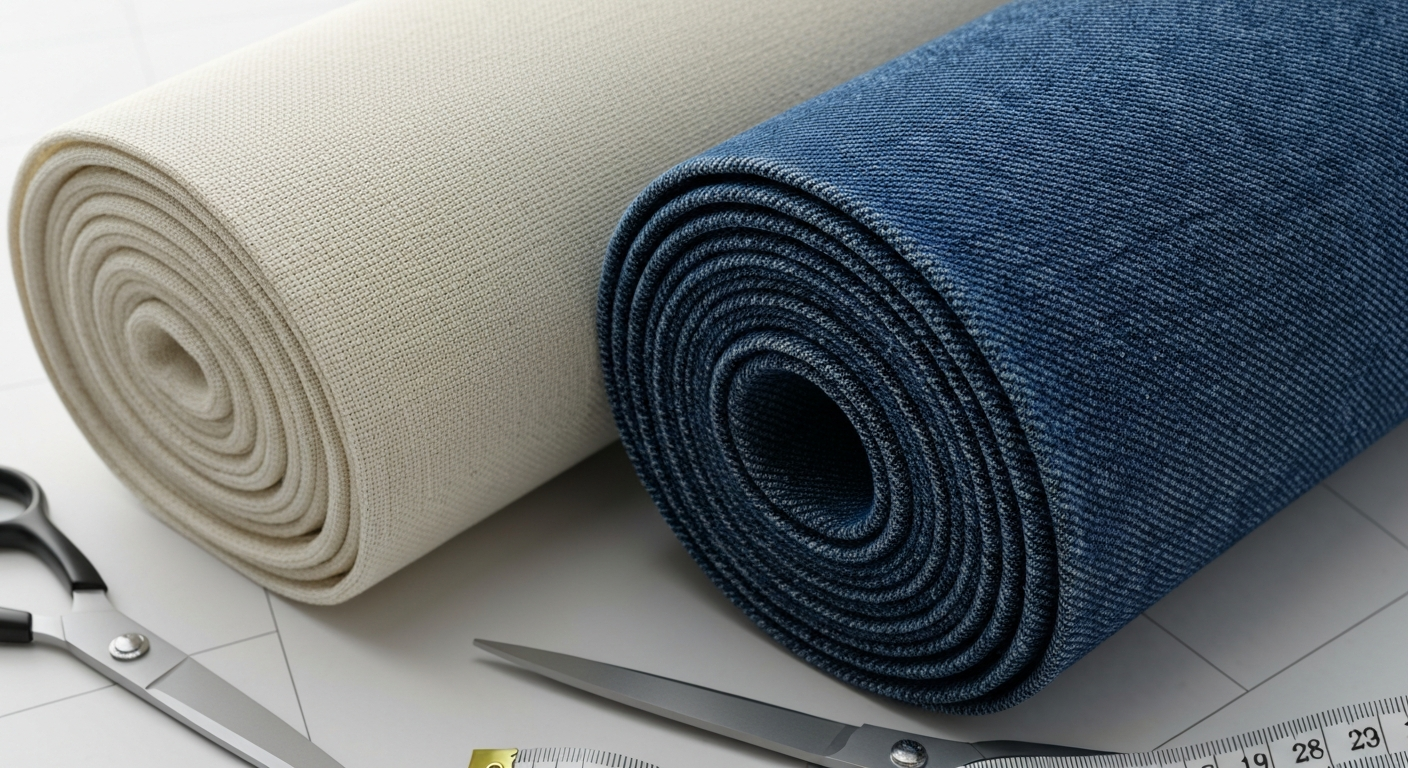
Often mistaken for denim due to its color, chambray is structurally lighter and less rigid. It blends the visual appeal of workwear with the comfort of summer shirting, making it a popular choice across menswear and womenswear categories.
What is chambray fabric made from?
Chambray is defined more by its weave than its fiber — though cotton is the most common base material.
Chambray fabric is typically woven from 100% cotton or cotton-polyester blends, with a single-color warp yarn and a white weft in a plain weave.
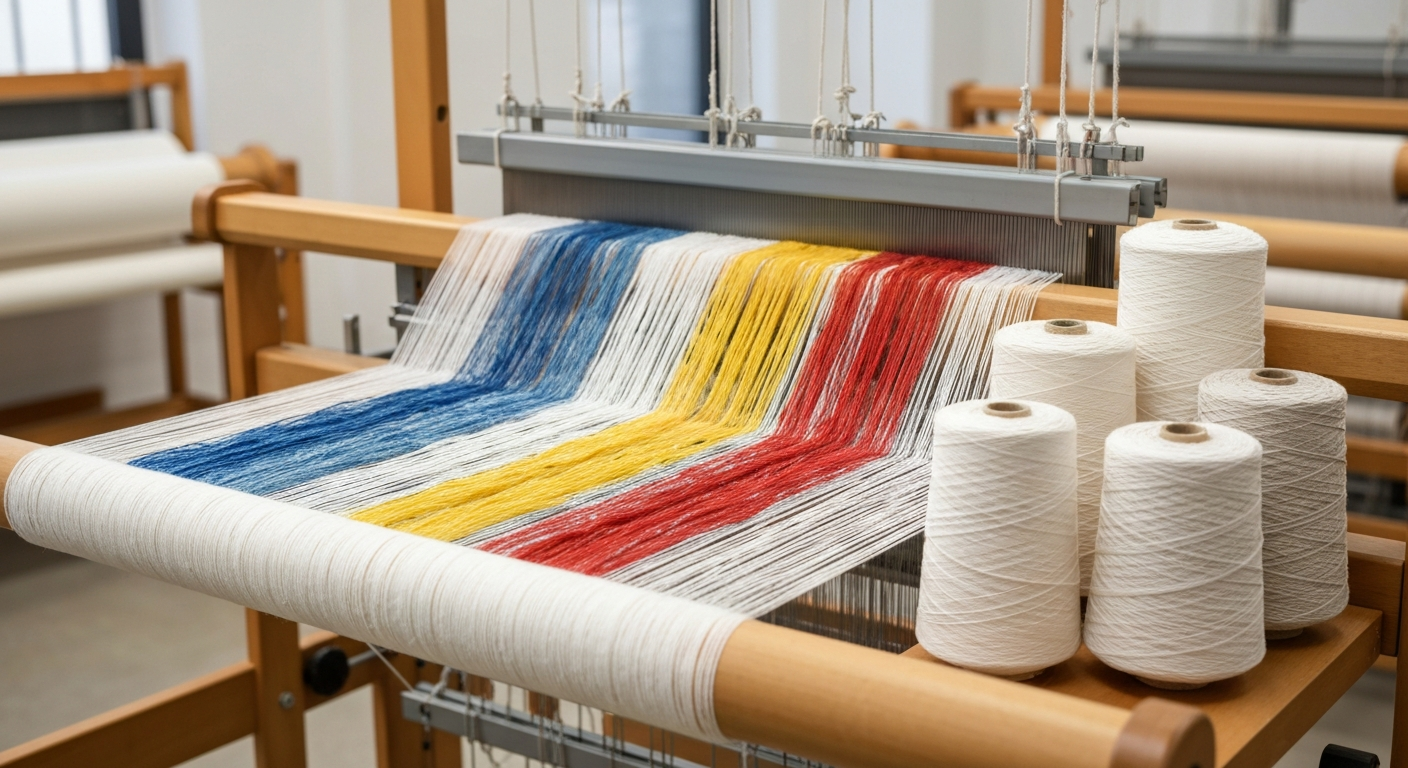
Unlike denim’s twill weave, chambray uses a simple one-over-one pattern that results in a smoother surface and lighter hand feel. The yarn-dyed warp gives it a heathered or speckled appearance, while the weft adds subtle brightness.
Blended versions may include polyester for wrinkle resistance or linen for improved breathability and texture.
| Fiber Content | Common Blend Ratios |
|---|---|
| 100% Cotton | Traditional chambray, softest hand feel |
| Cotton/Poly Blend | Improves durability and wrinkle control |
| Cotton/Linen Blend | Adds airflow and natural slub texture |
How does chambray differ from denim?
While both share visual similarities, chambray and denim are structurally and functionally distinct.
Chambray is a lightweight, plain-weave fabric, whereas denim is heavier and made using a twill weave — making chambray more breathable and soft.
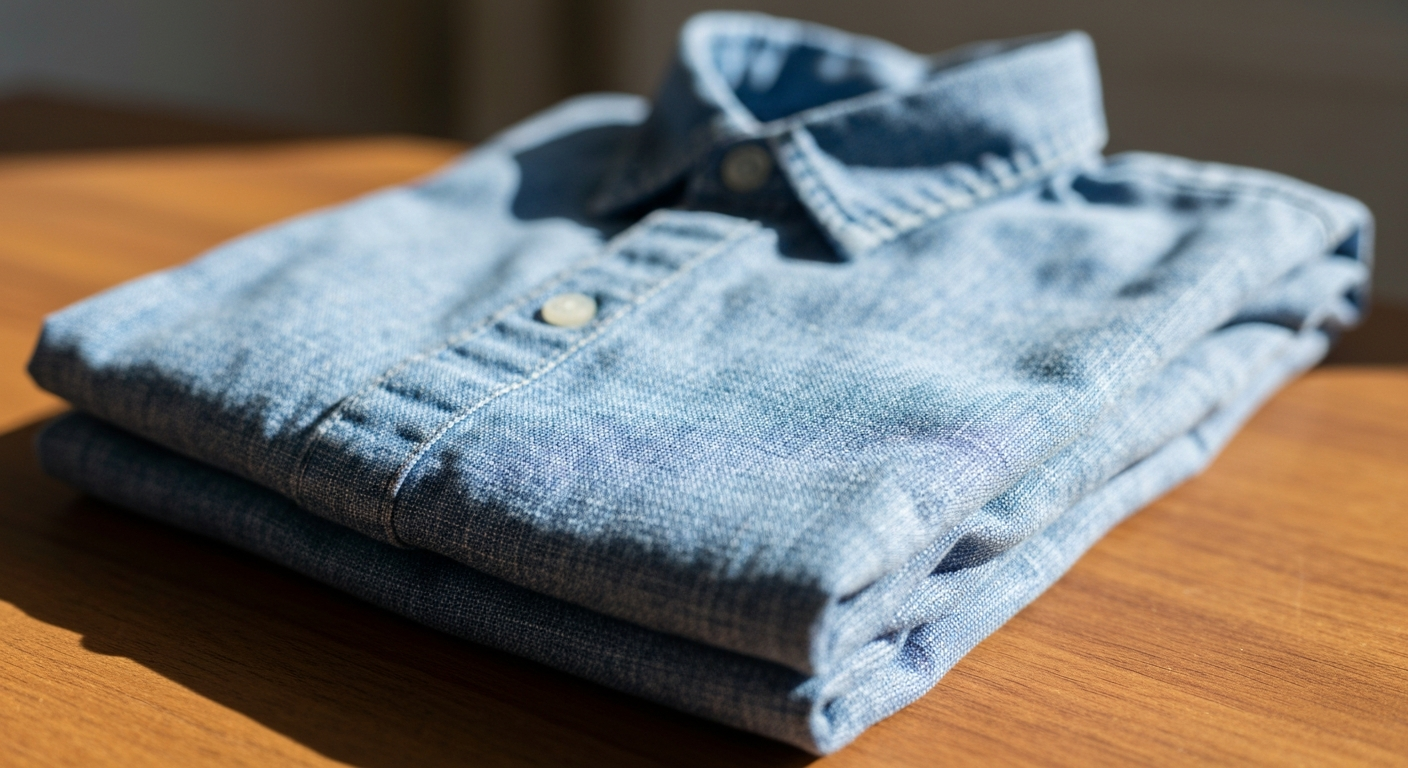
Denim’s diagonal weave gives it strength and stiffness, ideal for pants and jackets. Chambray’s plain weave drapes better, wrinkles less, and allows more airflow. Chambray is mostly used in shirts, dresses, and lightweight bottoms.
| Feature | Chambray | Denim |
|---|---|---|
| Weave Type | Plain (1×1) | Twill (2×1 or 3×1) |
| Weight | Light to medium | Medium to heavy |
| Softness | Softer from first wear | Softens over time |
| Usage | Shirts, dresses, casualwear | Jeans, jackets, heavier workwear |
What are the typical uses of chambray in apparel?
Chambray is one of the most versatile warm-weather fabrics, balancing polish with ease.
Chambray is commonly used in shirts, summer dresses, skirts, lightweight pants, and casual suiting — combining denim aesthetics with cotton comfort.
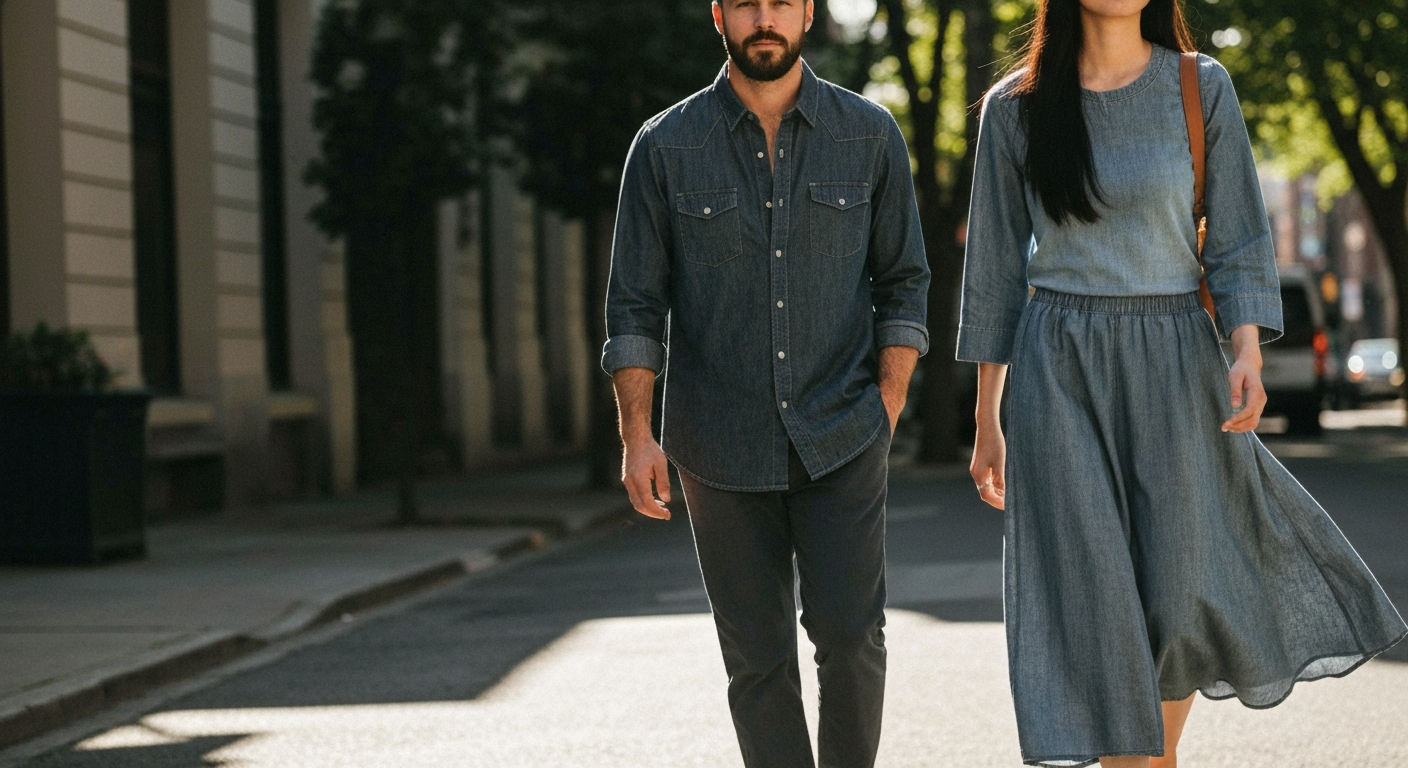
In menswear, chambray button-downs are staple pieces, often styled as business-casual or weekend basics. In womenswear, chambray is used for tiered dresses, soft trousers, and overshirts.
Its versatility makes it ideal for warm-weather collections, travel wear, and lifestyle sets. Chambray is also frequently garment-washed for extra softness.
| Garment Category | Chambray Use |
|---|---|
| Shirts | Lightweight, polished look |
| Dresses | Flowy, breathable, with texture |
| Casual Pants | Summer-weight, soft and cool |
| Jumpsuits | Relaxed one-piece styling |
What are its performance properties?
Chambray offers comfort-first wear, but manufacturers must consider finish and handling during production.
Chambray is breathable, naturally soft, and easy to sew — though untreated cotton chambray may wrinkle or shrink without proper finishing.
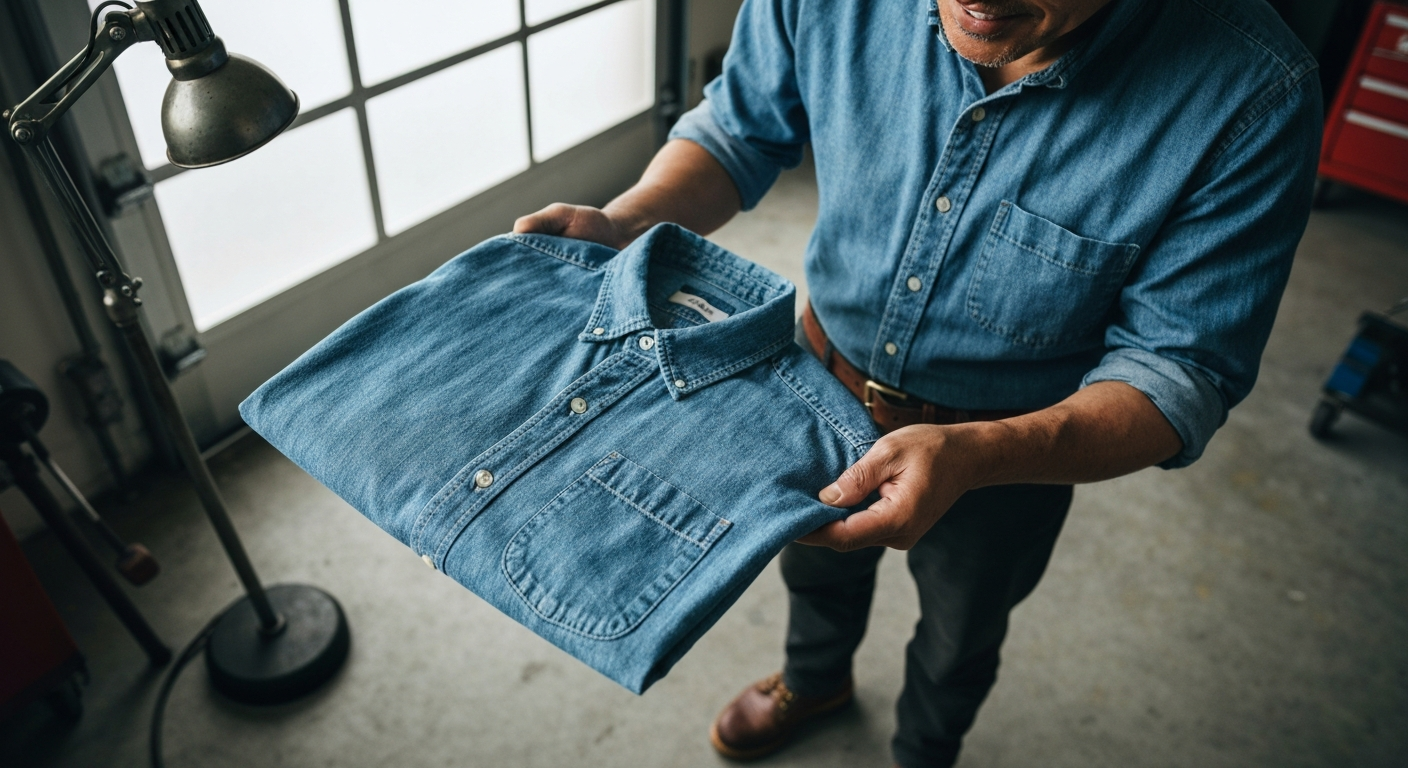
Chambray’s plain weave is less prone to snagging, but fabric may fade over time due to yarn-dyed construction. Pre-washing or enzyme washing is common to stabilize dimensions and enhance touch.
Chambray also accepts screen printing and embroidery well, making it suitable for branding or custom designs.
| Feature | Chambray Performance |
|---|---|
| Breathability | High, ideal for warm climates |
| Drape | Moderate, soft structure |
| Shrinkage Risk | Medium (without pre-treatment) |
| Surface Compatibility | Accepts print and embroidery |
Conclusion
Chambray is a classic, easy-wearing fabric that blends casual denim styling with breathable softness. For brands building warm-season apparel or relaxed collections, chambray delivers visual depth, versatility, and production efficiency — all from a timeless plain weave.