
The activewear market in 2025 is no longer driven by performance alone — it’s being shaped by lifestyle integration, sustainability, and smart material innovation.
Top activewear trends in 2025 include eco-engineered fabrics, multifunctional design, gender-inclusive silhouettes, AI-led customization, and versatile styles that transition from studio to street.
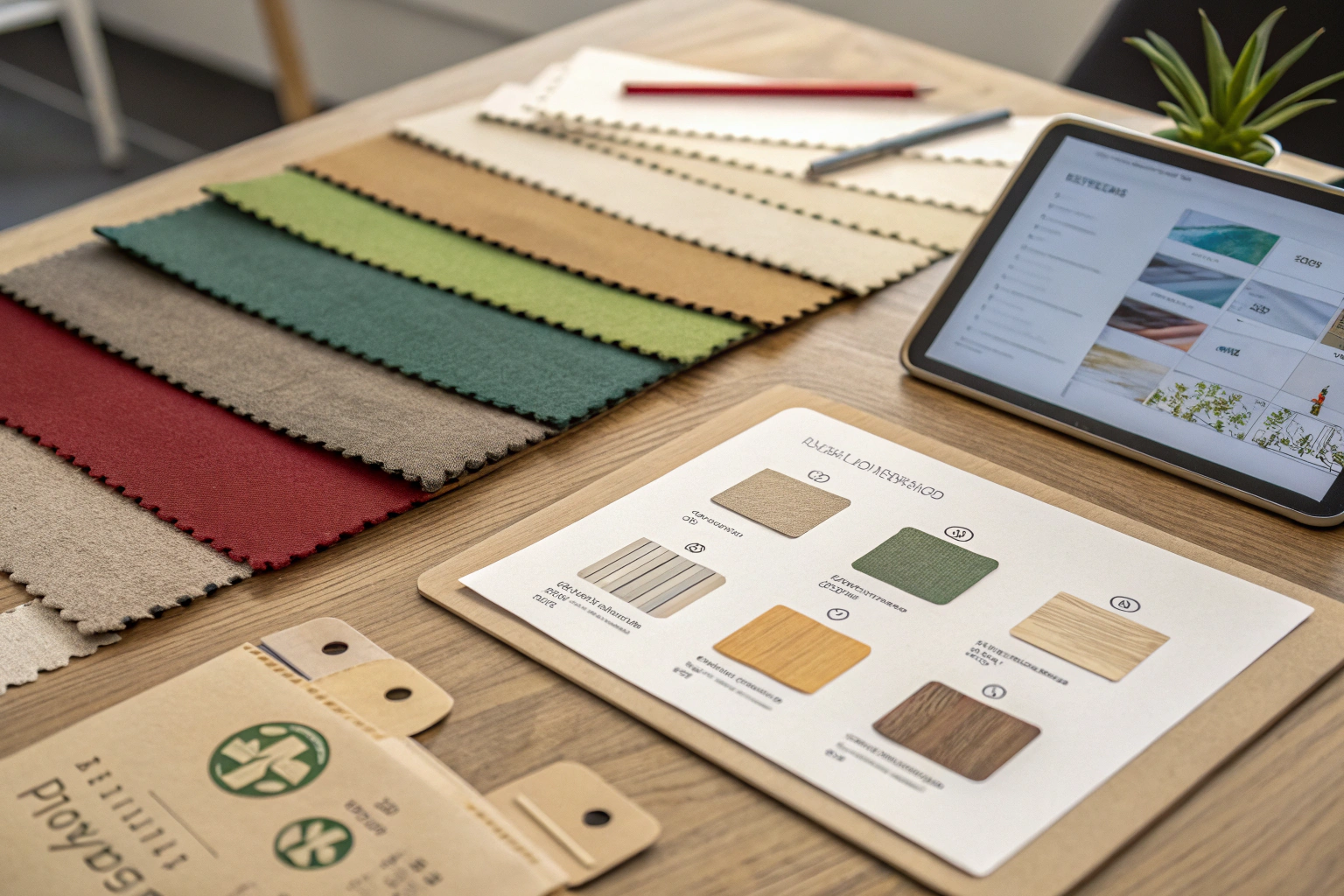
With shifting consumer habits and rising expectations, activewear has become the anchor of modern wardrobes. From textile development to product design, each step now requires responsiveness to both function and fashion. The demand for thoughtful performance apparel is driving manufacturers to integrate circular material systems, hybrid silhouettes, and digitally intelligent design solutions.
What materials are leading the innovation in 2025?
Advanced textile development is central to meeting market demand for comfort, performance, and reduced environmental impact.
The leading activewear materials in 2025 include recycled polyester blends, biodegradable nylon, algae-based fibers, and bio-stretch yarns.
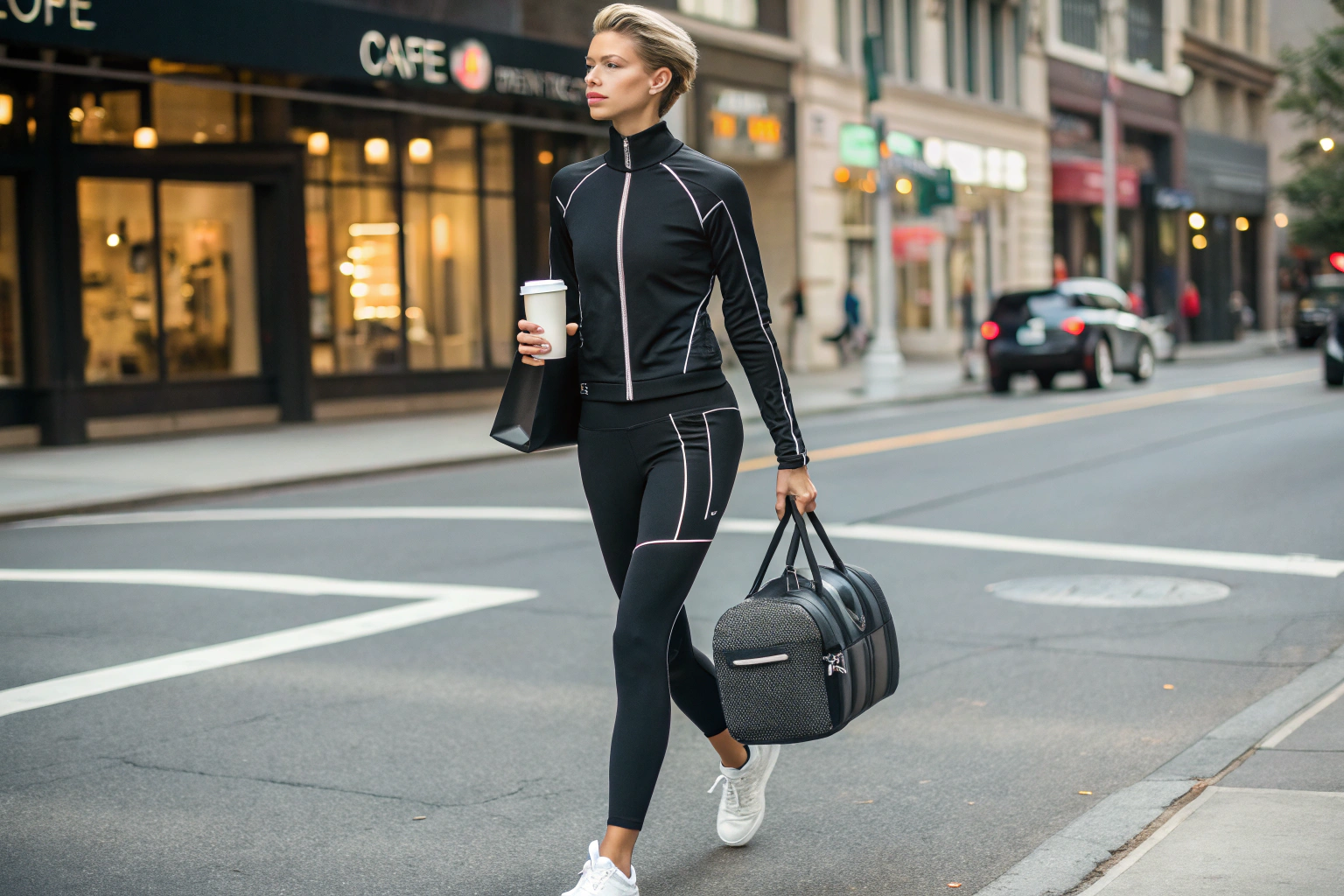
These new-generation textiles combine performance function with sustainable sourcing. Recycled and regenerated yarns are now standard in premium production, supported by certifications like GRS and OEKO-TEX. Textile labs have developed elastane alternatives that stretch and recover while remaining biodegradable.
In parallel, moisture-reactive fabrics and embedded mesh zones improve thermoregulation, while UV- and odor-resistant finishes improve long-wear usability. Raw material choices are now seen not only as a performance factor but as a brand statement.
| Material Type | Functionality |
|---|---|
| Recycled Polyesters | Reduces waste, supports stretch and wick |
| Biodegradable Nylon | Eco disposal, soft feel |
| Algae-based Fibers | Renewable, naturally anti-bacterial |
| Bio-Stretch Elastics | High recovery, compostable after lifecycle |
How is activewear adapting to lifestyle expectations?
Modern apparel needs to serve more than one purpose. Fitness clothing now blends into travel, errands, and everyday wear.
2025 activewear designs prioritize transitional wearability — with elevated aesthetics, minimal seaming, and multi-scenario functionality.
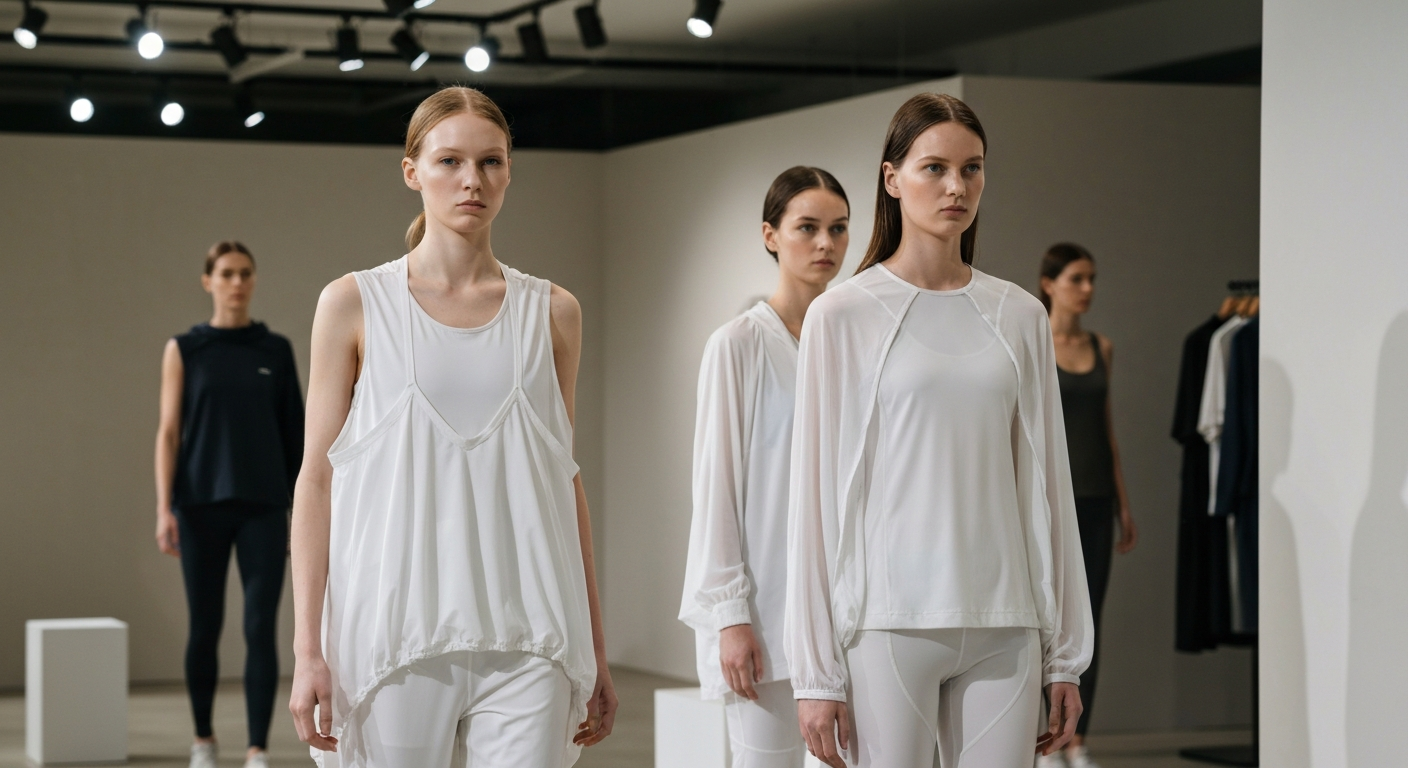
Designers focus on pieces that maintain athletic integrity but soften the visual edge. Neutrals, tailored joggers, and mixed-material layering enable styling versatility. Oversized silhouettes, stretch tailoring, and modular outerwear all reflect a fusion of fashion and fitness.
Garment specs increasingly include wrinkle-resistance, stretch retention, and anti-static features — making the clothing suitable for travel or leisure beyond training sessions.
| Design Feature | Lifestyle Benefit |
|---|---|
| Seamless Construction | Enhances comfort, easy layering |
| Tailored Performance | Suitable for casual and semi-formal wear |
| Modular Fit Adjustments | Adaptable across body shapes and sizes |
| Lounge-to-Gym Stretch | All-day comfort, with rebound |
What role does technology play in product development?
Apparel development is now deeply connected with digital workflows and wearable integrations.
Technology in activewear includes AI-driven pattern making, 3D virtual sampling, smart fabric monitoring, and on-demand sizing customization.
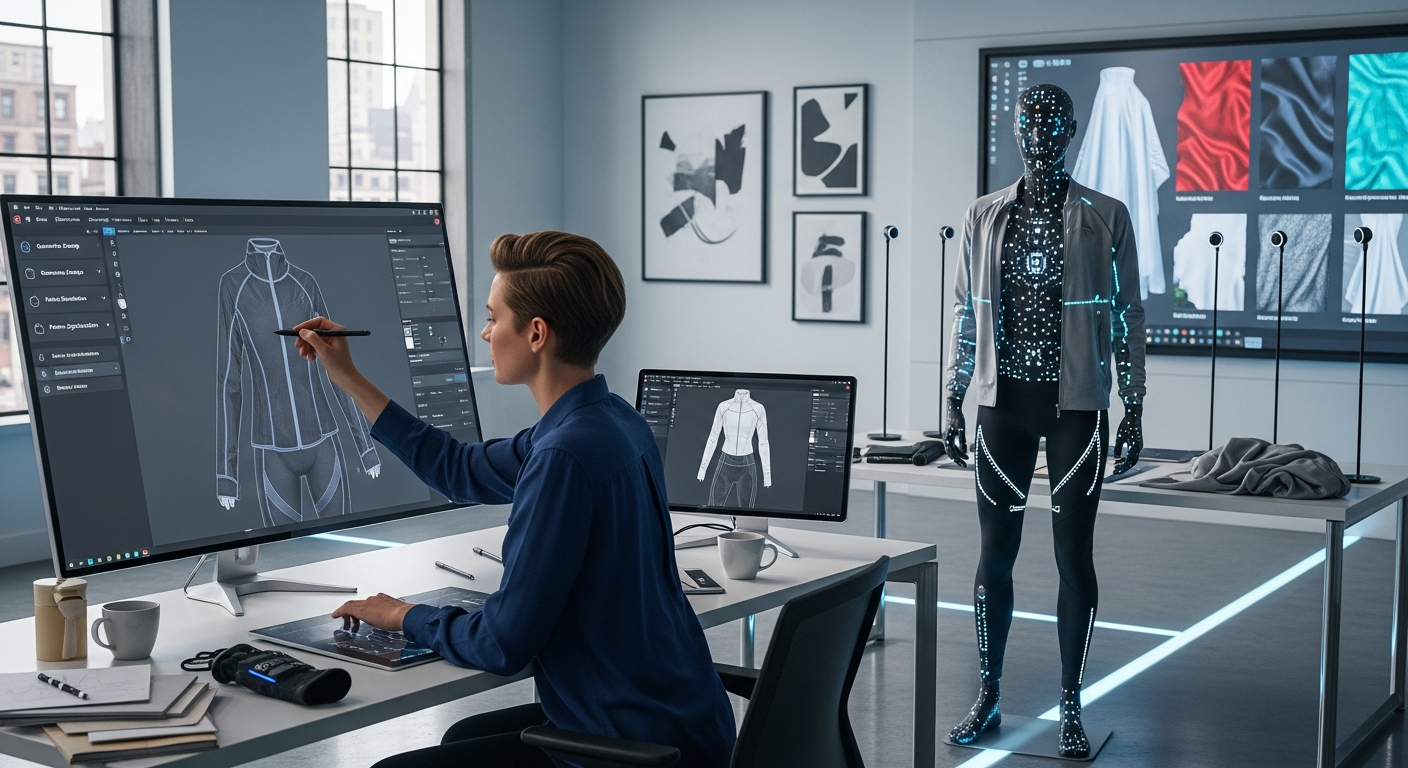
Factories are equipped with digital sample tools and AI-assisted fit engines that reduce development cycles and minimize waste. Body-scan measurements feed directly into pattern grading systems for more accurate sizing. Consumer feedback is analyzed through ERP-integrated dashboards to optimize future product iterations.
Fabric-side, biometric sensors and conductive threads are used in selected garments to monitor heart rate, posture, and body heat during movement. These features are especially relevant in high-performance and recovery-focused apparel segments.
| Tech Function | Application in Activewear |
|---|---|
| AI Pattern Fit | Reduces returns, improves wearability |
| Digital Prototyping | Cuts lead time and sampling cost |
| Sensor Integration | Offers real-time user performance feedback |
| ERP Connectivity | Aligns sales trends with design updates |
What silhouettes and styles dominate 2025 collections?
Beyond materials and tech, visual direction defines consumer engagement with activewear brands.
2025 silhouettes emphasize fluid movement, adjustable layering, genderless fits, and minimalist athletic cuts.
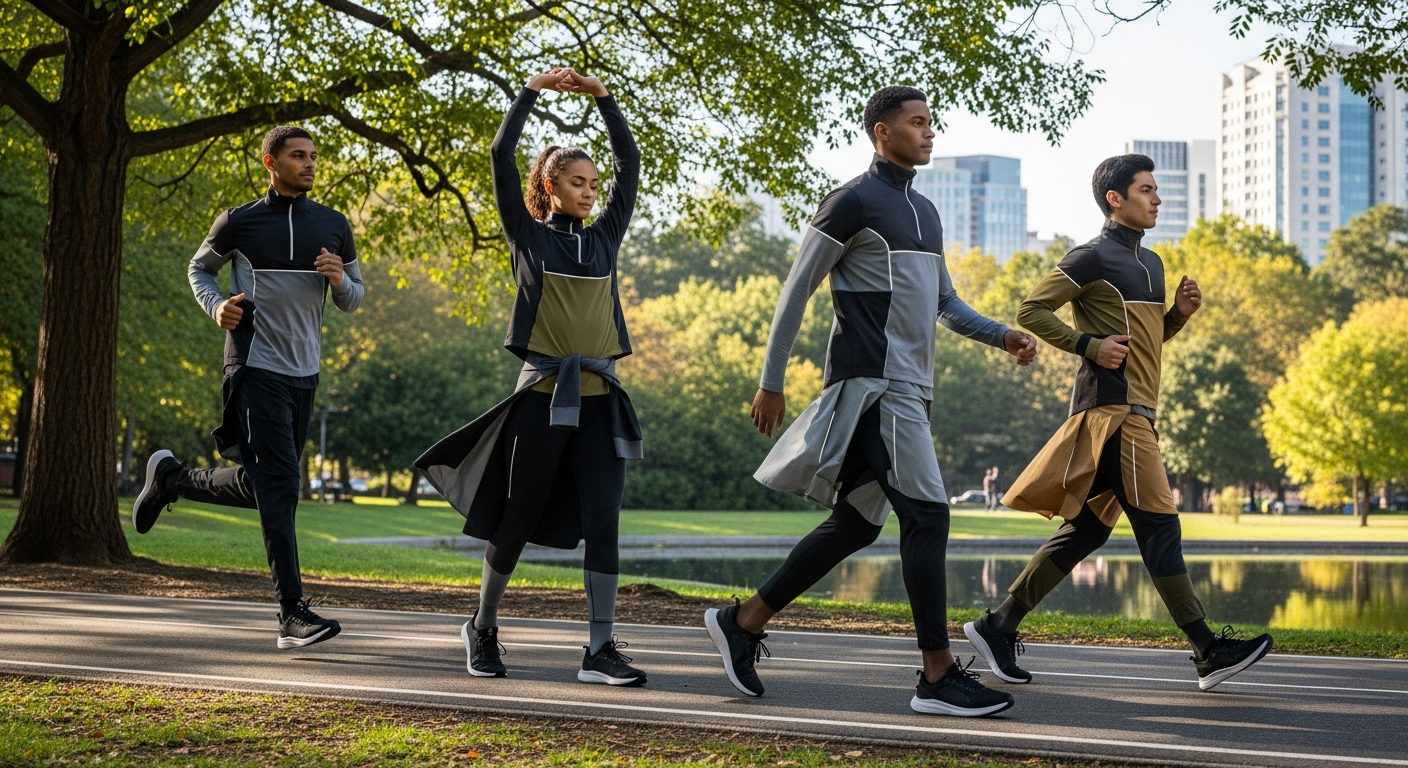
Popular cuts include wide-leg stretch pants, boxy crop tops, adjustable-hem shorts, and mock-neck training tops. Pieces are designed to layer cleanly, pack easily, and move naturally with the body.
Fit inclusivity is prioritized — with waistband adjusters, expanded sizing curves, and modular construction that adapts across multiple builds. Visual design leans toward understated logos, tonal color blocking, and matte finishes.
| Silhouette Direction | Functional Impact |
|---|---|
| Wide-Leg Bottoms | Improves airflow, versatile styling |
| Cropped Top Layers | Enables motion without bulk |
| Elastic Panel Inserts | Adapts shape without tight compression |
| Minimalist Branding | Clean visuals for gym-to-street wear |
Conclusion
Activewear in 2025 stands at the intersection of innovation, identity, and adaptability. Every detail — from fiber to fit — reflects evolving demands for comfort, performance, and purpose. Apparel manufacturers who align technical precision with flexible, lifestyle-aware design will define the next generation of movement wear.