
You see it on jackets, bags, and shoes—it looks strong, stylish, and timeless. But what exactly is leather fabric, and what should you know before using or buying it?
Leather fabric is made from animal hides or synthetic materials. It comes in many types, finishes, and qualities, and is valued for its durability, texture, and luxury appeal.
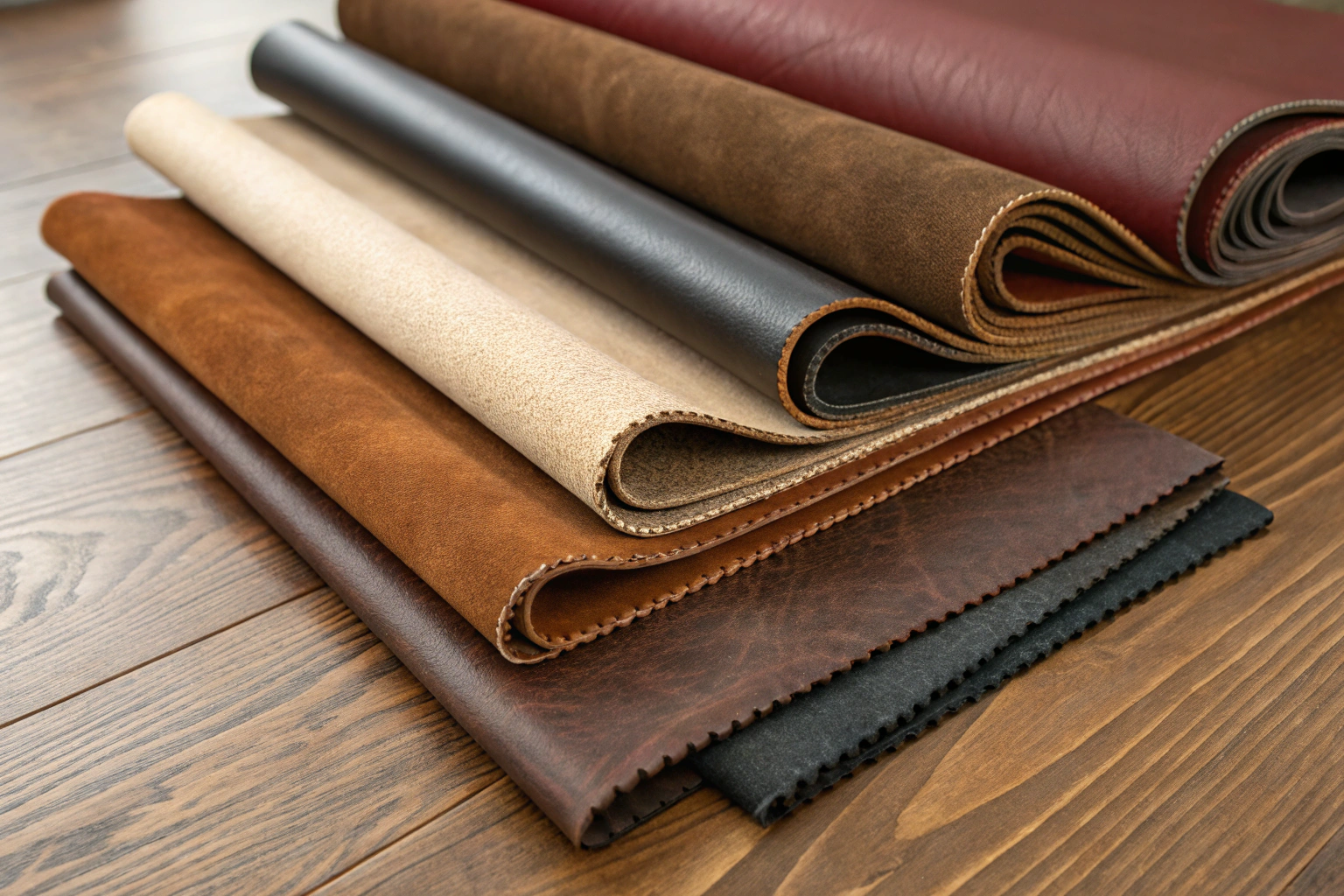
I’ve worked with both real and faux leather in jackets, trim details, and even leggings. Leather isn’t just one material—it’s a whole family. Whether you’re building a fashion line or just buying a piece, here’s what matters most.
What Are The Different Types Of Leather?
The first thing to know—real leather isn’t all the same.
Leather types include full-grain, top-grain, genuine leather, and bonded leather. Each differs in texture, strength, and price.
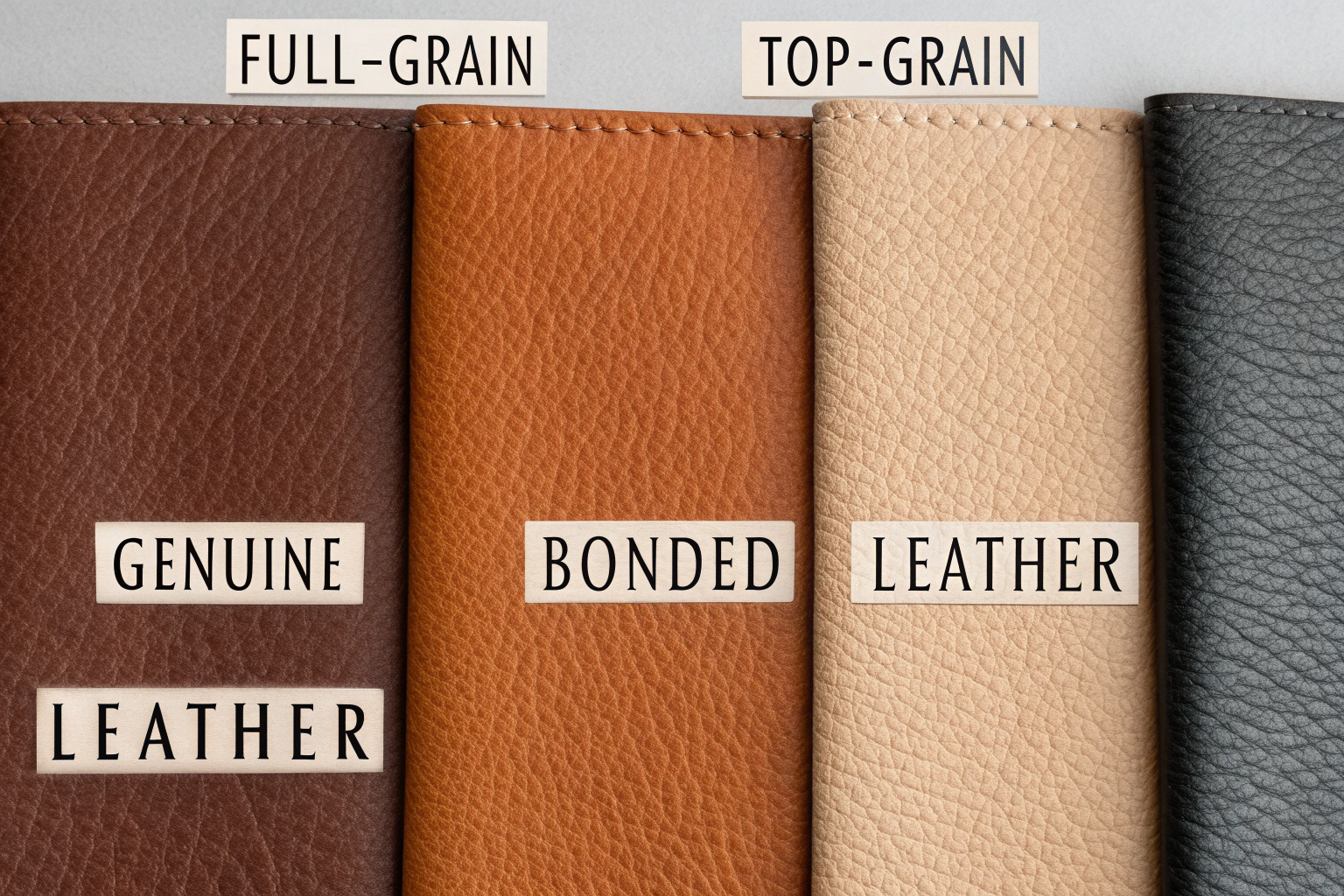
Full-grain leather is the highest quality. It’s the least processed and most durable. Top-grain is slightly sanded for smoothness. Genuine leather is lower grade, made from leftover layers. Bonded leather is scraps glued together—cheap, but not long-lasting. When I design premium outerwear, I go full-grain or top-grain. For cost-sensitive pieces, faux leather is a better option.
Real leather comparison:
| Leather Type | Quality Level | Texture | Best Use Case |
|---|---|---|---|
| Full-Grain | Highest | Natural, rugged | Jackets, luxury goods |
| Top-Grain | High | Smooth, refined | Bags, belts, shoes |
| Genuine Leather | Medium | Processed, mixed | Entry-level products |
| Bonded Leather | Low | Uneven, synthetic feel | Budget items |
What’s The Difference Between Real Leather And Faux Leather?
They look similar—but behave very differently.
Real leather is made from animal hide, while faux leather (also called PU or vegan leather) is made from synthetic materials like polyurethane or PVC.
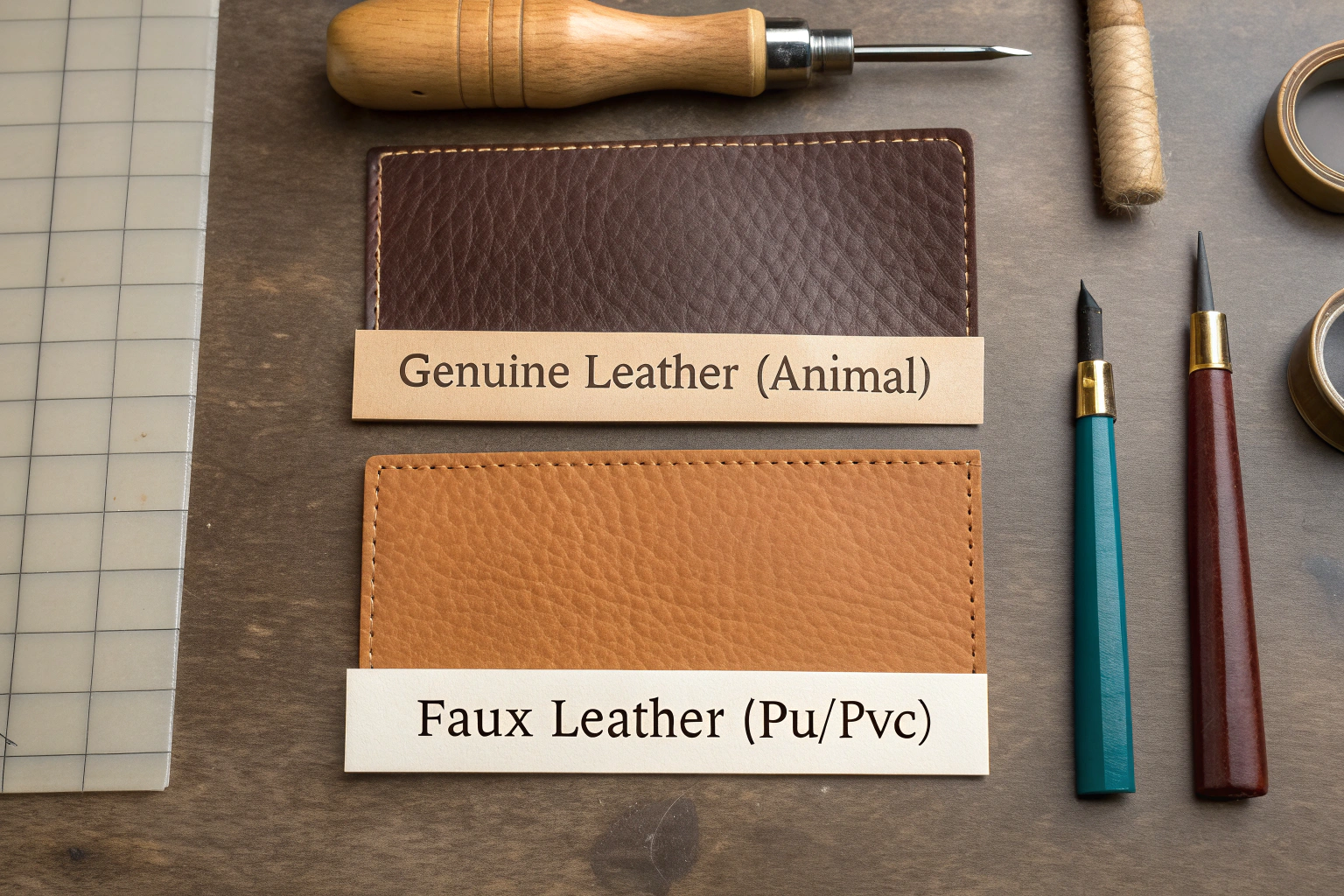
Faux leather is cheaper, water-resistant, and consistent in appearance. Real leather is more breathable, forms a patina over time, and usually lasts longer if cared for properly. I use faux leather when I want affordability and consistency, and real leather when I want to make a statement piece that wears beautifully.
Real vs Faux Leather:
| Feature | Real Leather | Faux Leather |
|---|---|---|
| Source | Animal hide | Synthetic (PU, PVC) |
| Durability | Very high | Moderate to high |
| Aging | Develops patina | Maintains appearance |
| Water Resistance | Absorbs moisture | Water-resistant |
| Cost | Higher | Lower |
How Is Leather Fabric Used In Fashion?
You can spot it across every category—if you know where to look.
Leather is used in jackets, pants, bags, shoes, belts, and trims. Faux leather also appears in activewear and fashion-forward streetwear.
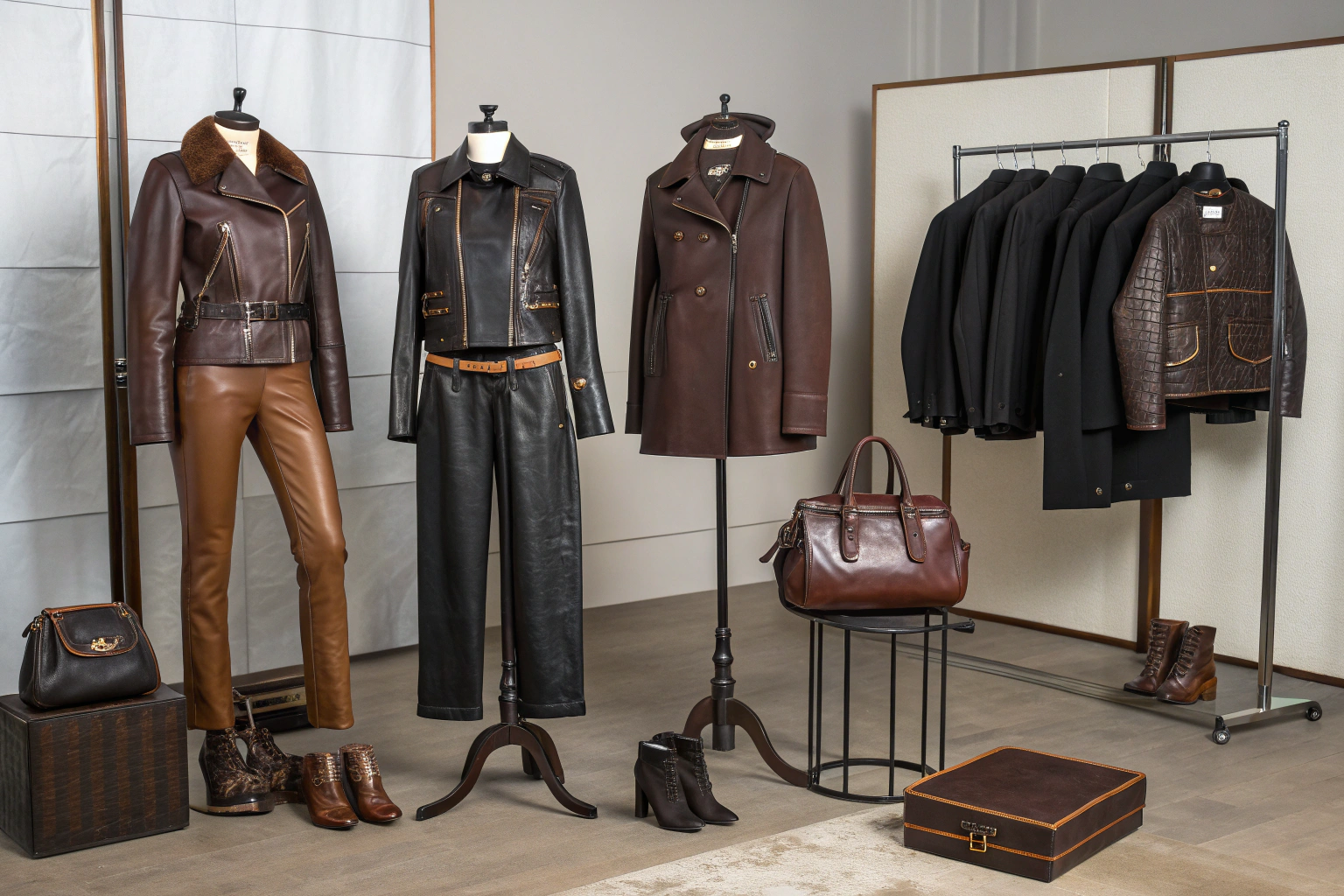
I’ve added leather trims to leggings, used it for panels on hoodies, and built full leather jackets. It adds texture, structure, and edge to a look. Whether it’s matte, glossy, or embossed, leather elevates the design. Faux versions give the same vibe for less, with more color and finish flexibility.
Common uses:
| Item | Leather Type | Notes |
|---|---|---|
| Moto Jackets | Full or faux leather | Iconic, structured |
| Handbags | Top-grain or PU | Durable, fashion-forward |
| Leggings | PU or coated fabric | Sleek, stretchable |
| Footwear | Full-grain or PU | Supportive and stylish |
| Accessories | Mixed types | Belts, trims, details |
How To Care For Leather Fabric?
It’s strong, but it still needs care.
To care for leather, keep it dry, condition it occasionally, and store it in a cool, breathable space. Avoid heat and excess moisture.
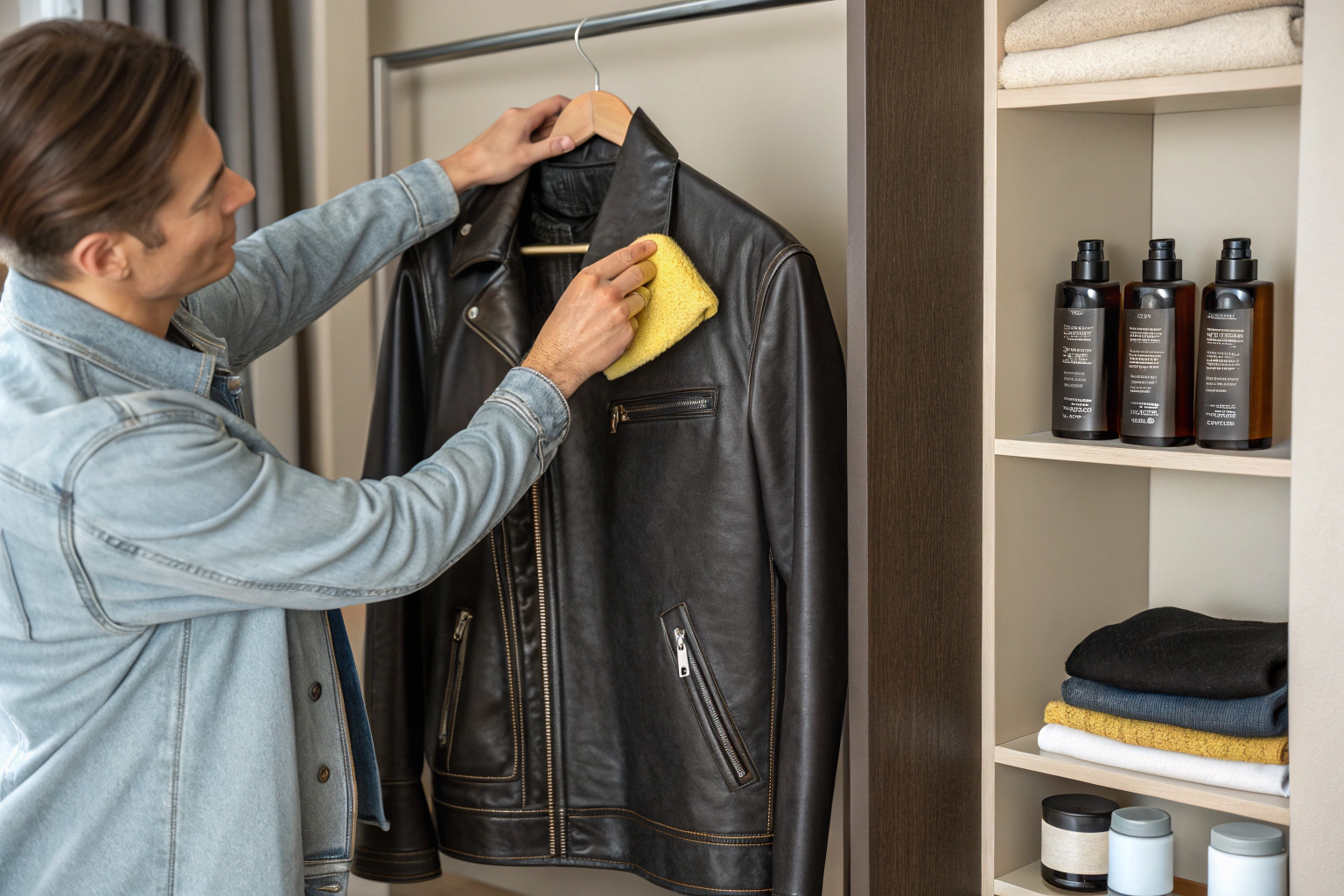
I always tell clients—don’t machine wash, and don’t leave it in the sun. Leather is skin. It dries out if neglected. I recommend leather conditioner twice a year and spot cleaning with a damp cloth. Faux leather needs less care but can peel over time if poorly made.
Leather care checklist:
| Task | How Often | Why It Helps |
|---|---|---|
| Wipe with damp cloth | Weekly | Removes dirt and oils |
| Apply conditioner | Every 4–6 months | Prevents drying and cracking |
| Store properly | Always | Keeps shape and finish intact |
| Avoid high heat | Always | Prevents warping and shrinkage |
Conclusion
Leather fabric—real or faux—brings power and polish to fashion. The right type, used well, can elevate your designs and last for years with the right care.