
Yoga pants have become a staple in modern wardrobes, but have you ever wondered who invented them? How did this piece of clothing go from being a specialized workout item to a fashion phenomenon? Let’s dive into the history of yoga pants and explore their journey through time.
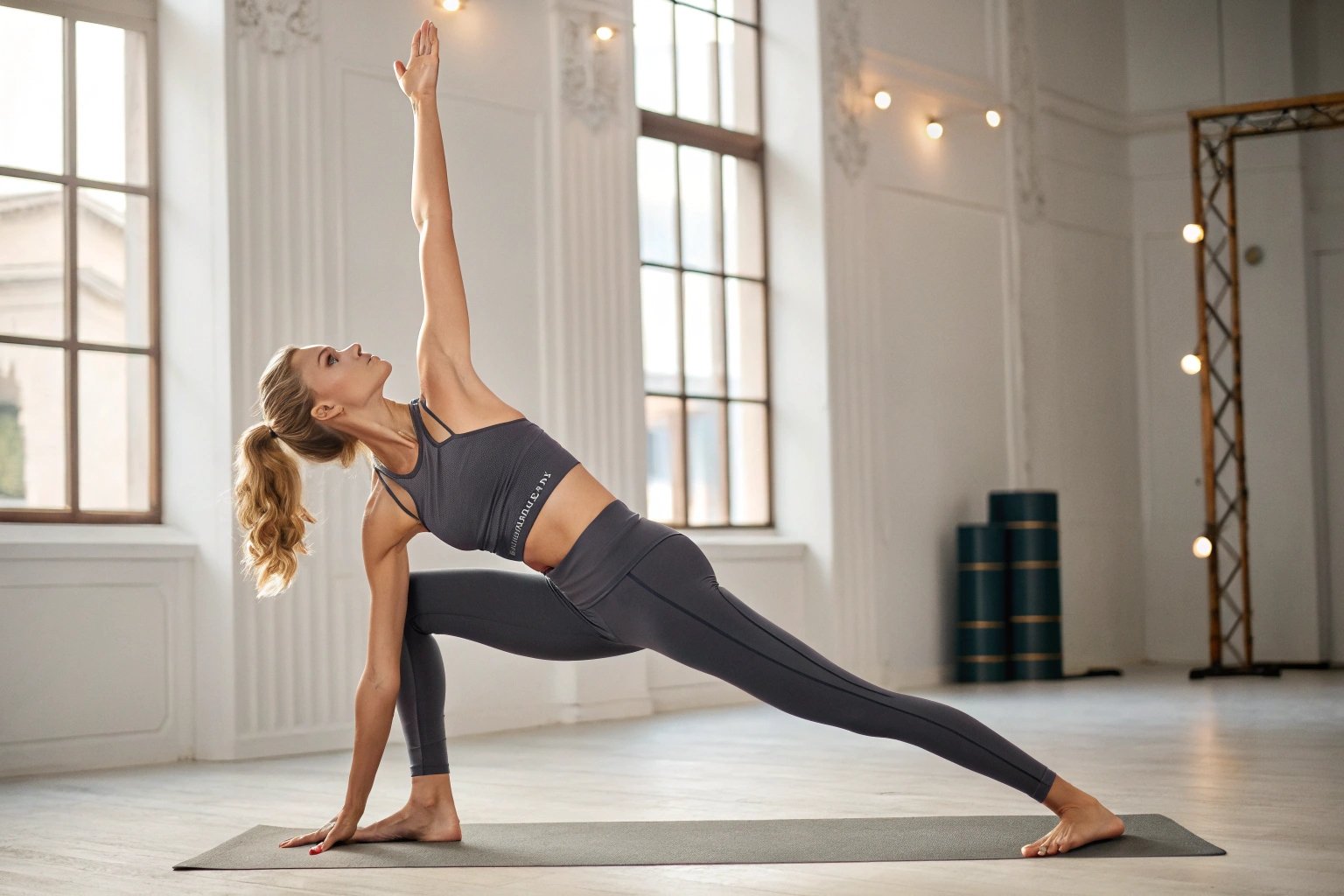
Yoga pants didn’t just stay confined to yoga studios. Their rise in popularity marked a shift in the way we viewed activewear, turning it into an everyday outfit choice. So, who is responsible for this iconic garment? Let’s look back at the invention and evolution of yoga pants and how they became a cultural phenomenon.
Who invented yoga pants?
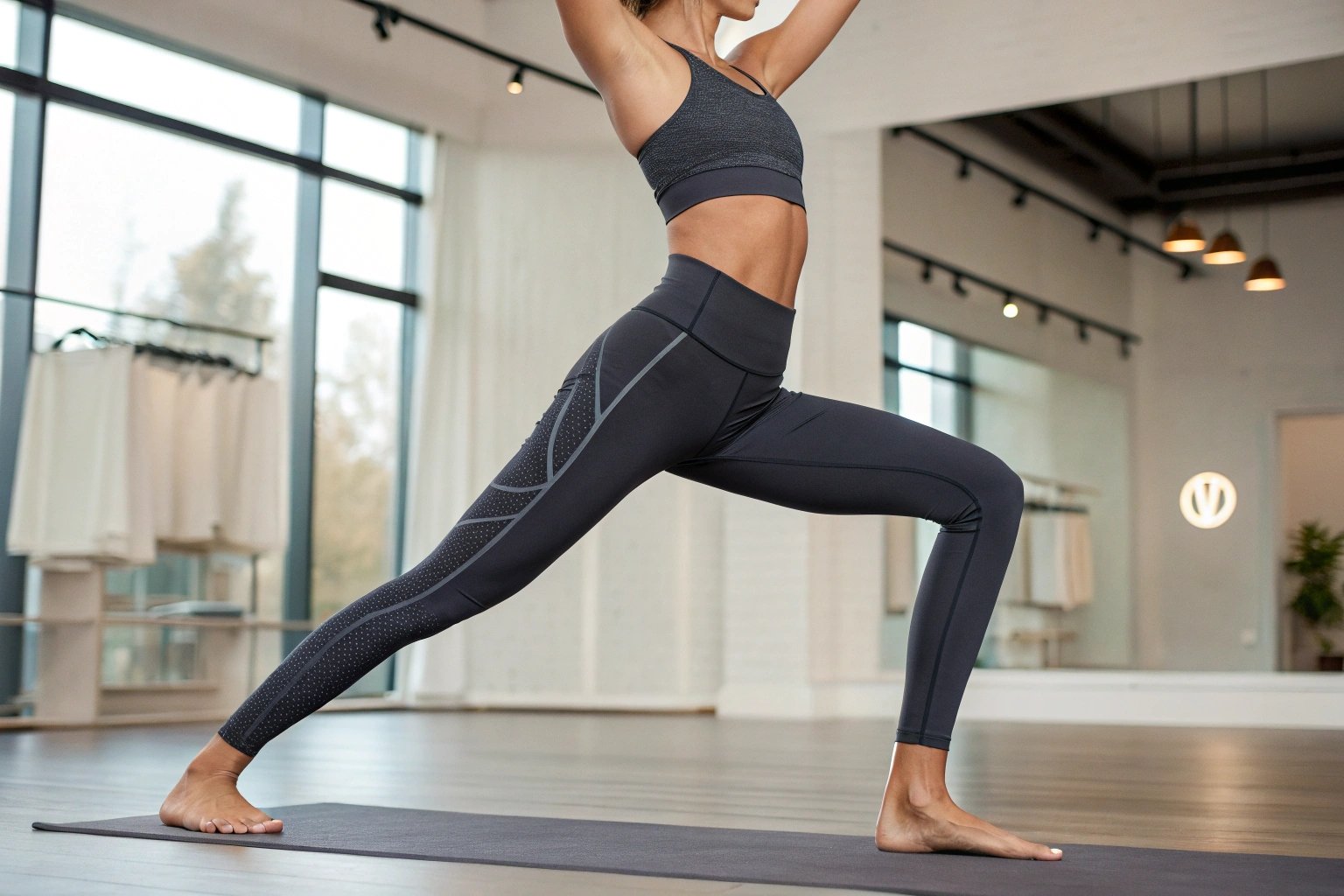
Yoga pants, as we know them today, didn’t have a single inventor. Rather, they are the result of a series of innovations and design changes that took place over time. The early designs were made from basic cotton and spandex, but it was the introduction of Lycra that truly revolutionized their design.
Lycra, a stretchy, breathable fabric developed by chemist Joseph Shivers in the 1950s, was the game-changer for yoga pants. This fabric’s flexibility and shape-retention properties allowed for unrestricted movement, making it an ideal material for yoga. But it wasn’t until the early 1990s that Lululemon, a Canadian brand, began designing specialized yoga pants using this fabric. Their sleek design and focus on comfort made yoga pants popular, especially for women who were looking for functional workout gear.
The Key Innovations in Yoga Pants’ Creation
- Lycra (Spandex): Created by Joseph Shivers in 1958, this fabric revolutionized activewear by providing stretch, comfort, and shape retention.
- Lululemon: Founded in 1998, Lululemon helped popularize yoga pants with their focus on both performance and style.
- Market Demand for Athleisure: As fitness culture grew, people sought comfortable, versatile clothing that could transition from the gym to daily life.
What does Gen Z call yoga pants?
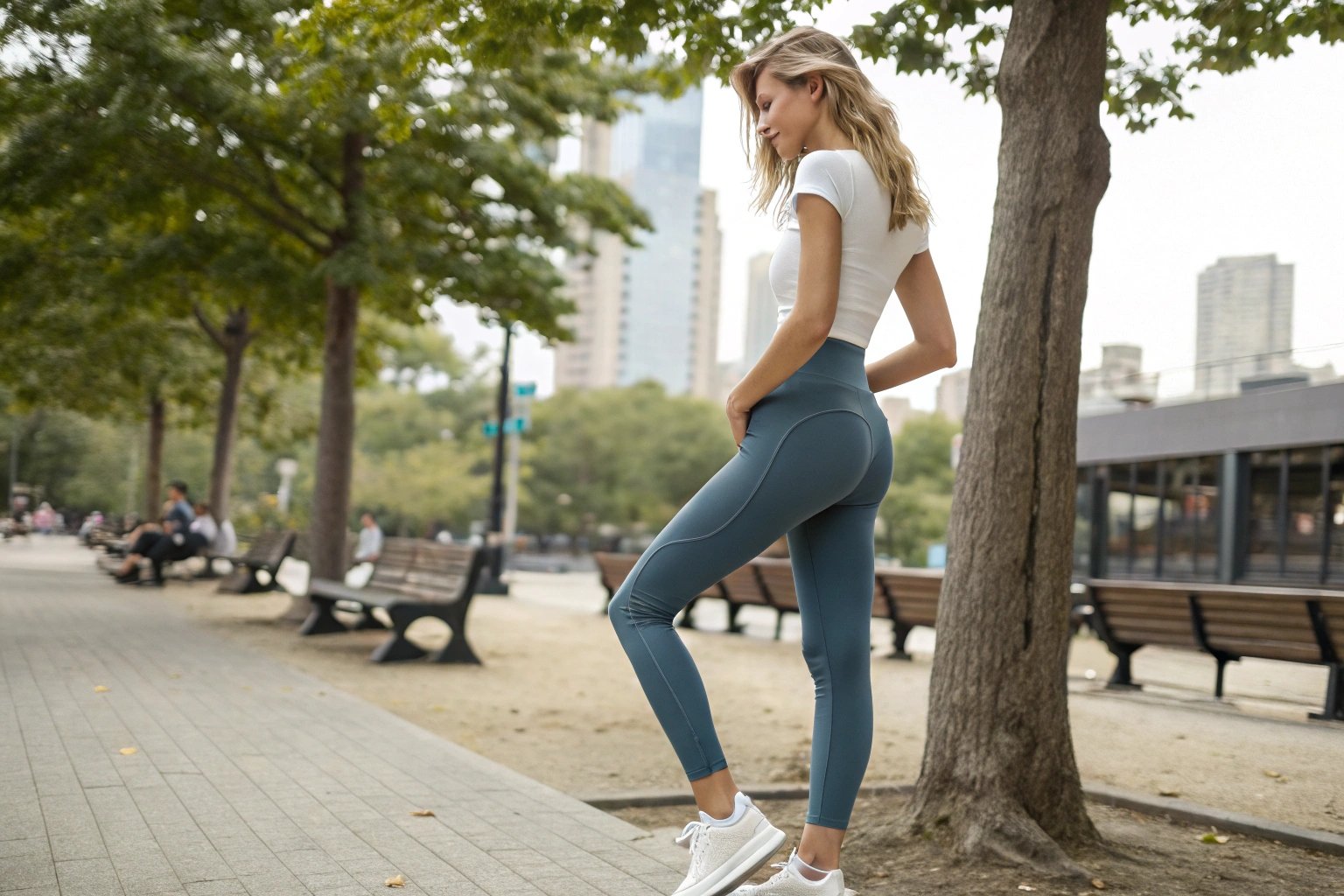
As with many trends, language evolves, and the younger generation has its own way of referring to things. Gen Z tends to call yoga pants "leggings" or "athleisure pants." These terms capture the versatility of yoga pants, as they are not just worn for yoga but also as part of daily casual wear.
In many ways, the term “leggings” has become the umbrella term for various types of tight-fitting pants made from stretchy material, including yoga pants. The comfort and flexibility these pants provide fit perfectly into the laid-back lifestyle embraced by Gen Z, making them a wardrobe staple for both physical activities and casual outings.
Who invented stretchy pants?
Stretchy pants, or pants made from elastic materials, have been around for a while. The idea of stretchy fabric was not new, but the concept of stretchy pants was largely popularized in the 20th century. It was Lycra, invented by Joseph Shivers in 1958, that really kicked off the stretchy pants revolution. Lycra’s ability to stretch and mold to the body provided unmatched comfort and flexibility, which made it ideal for activewear.
Before the widespread use of Lycra, stretchy pants were mostly seen in specialized fields like dance or gymnastic wear. The 1970s saw the birth of spandex-based tights, which were the precursor to modern stretchy pants. But it wasn’t until brands like Lululemon and other athletic brands began using these materials in more versatile designs that stretchy pants became a cultural symbol.
What is the history of yoga clothing?
Yoga clothing has a long history, but it wasn’t until the 20th century that specific garments designed for yoga began to emerge. In the early days, practitioners wore loose, comfortable clothing, often made from cotton or linen, which allowed them to move freely. As yoga grew in popularity, especially in the West, there was a demand for clothing that was both functional and stylish.
The introduction of Lycra and Spandex fabrics in the 1950s and 1960s led to the creation of more fitted, flexible clothing designed for yoga. However, it wasn’t until the late 1980s and early 1990s that yoga pants as we know them became popular. Brands like Lululemon, founded in 1998, played a significant role in shaping the modern yoga clothing market. Their designs were sleek, functional, and fashionable, making yoga pants an essential item not just for yoga practice but for everyday wear as well.
Timeline of Yoga Clothing History:
| Decade | Key Developments | Impact on Yoga Wear |
|---|---|---|
| 1950s-1960s | Introduction of Lycra and Spandex | Revolutionized flexible activewear fabrics. |
| 1980s-1990s | Growth in Yoga’s Popularity in the West | Led to demand for specific yoga clothing. |
| 1998-Present | Rise of Lululemon and other activewear brands | Yoga pants became stylish, practical, and mainstream. |
Lululemon’s designs emphasized comfort and flexibility, making yoga pants a symbol of the growing "athleisure" trend—a fashion movement focused on clothing that blended sportswear with casual wear. This trend revolutionized the fashion industry, leading to the widespread acceptance of yoga pants in daily life.
Conclusion
Yoga pants have evolved from a specialized piece of workout gear to a key part of modern fashion. Their combination of comfort, flexibility, and style has made them a go-to choice for people of all ages. Thanks to innovations in fabric and design, yoga pants have become much more than just athletic wear—they’ve become a cultural symbol of the athleisure movement.