
In apparel sourcing, knowing the difference between a sweater and a sweatshirt isn’t just academic—it’s essential for accurate material planning, cost analysis, and brand strategy.
A sweater is a knitted garment using yarns like wool or cashmere, targeting warmth and sophistication; a sweatshirt is a cut-and-sewn fleece item, built for comfort, function, and casual styling.
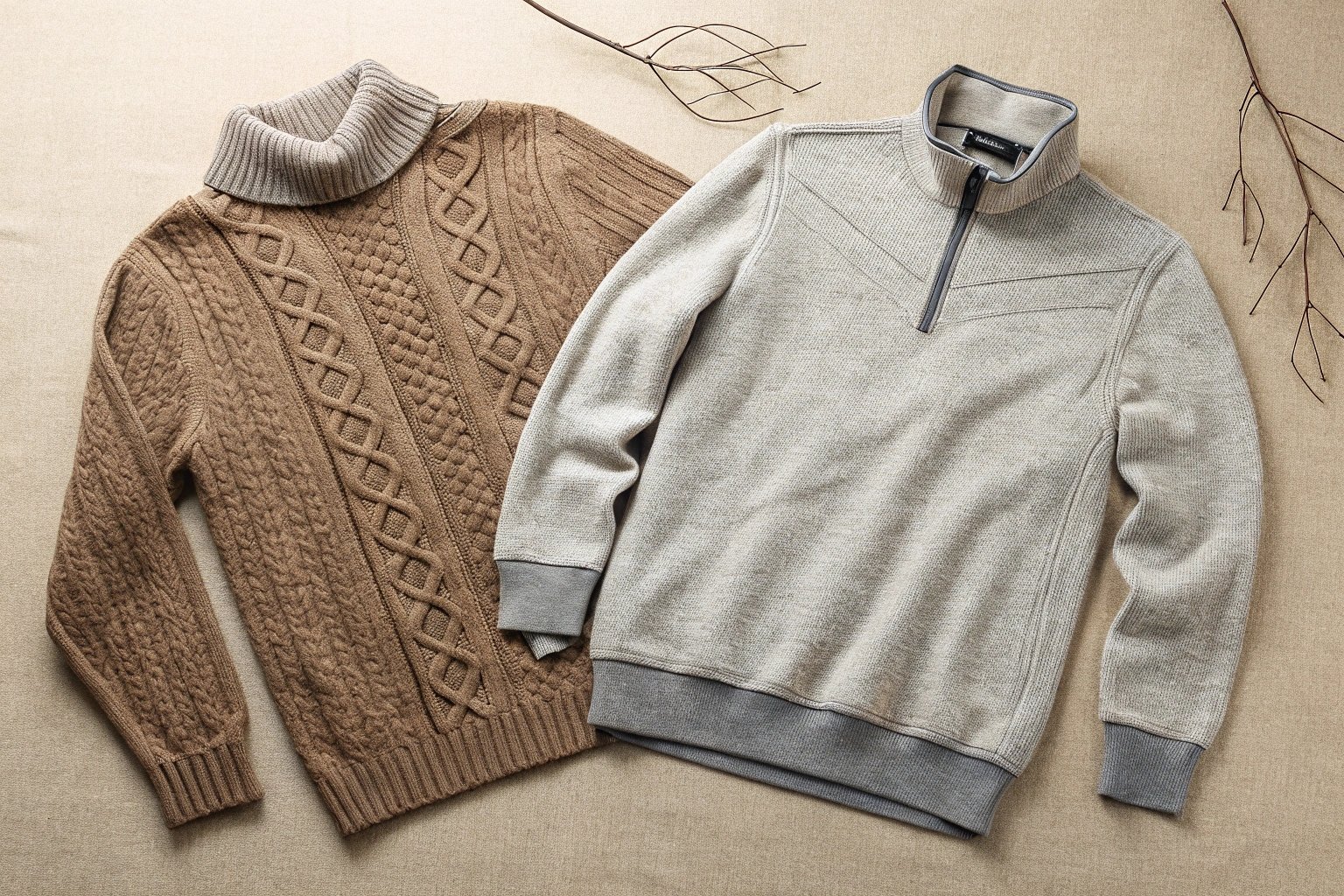
Confusing these two categories may lead to poor sourcing decisions, mismatched market positioning, and reduced profit margins. For any buyer handling both premium and mass-market collections, understanding their distinct identities and construction processes is critical. Let’s examine their core differences from design and production to consumer targeting.
Is there a difference between a sweater and a sweatshirt?
Yes—both technically and commercially, the differences are substantial. From material to manufacturing to end-user value, each serves a different purpose.
Sweaters are made by knitting yarn into structure and shape; sweatshirts are constructed by sewing fabric panels, using cotton fleece or blends, optimized for cost and comfort.
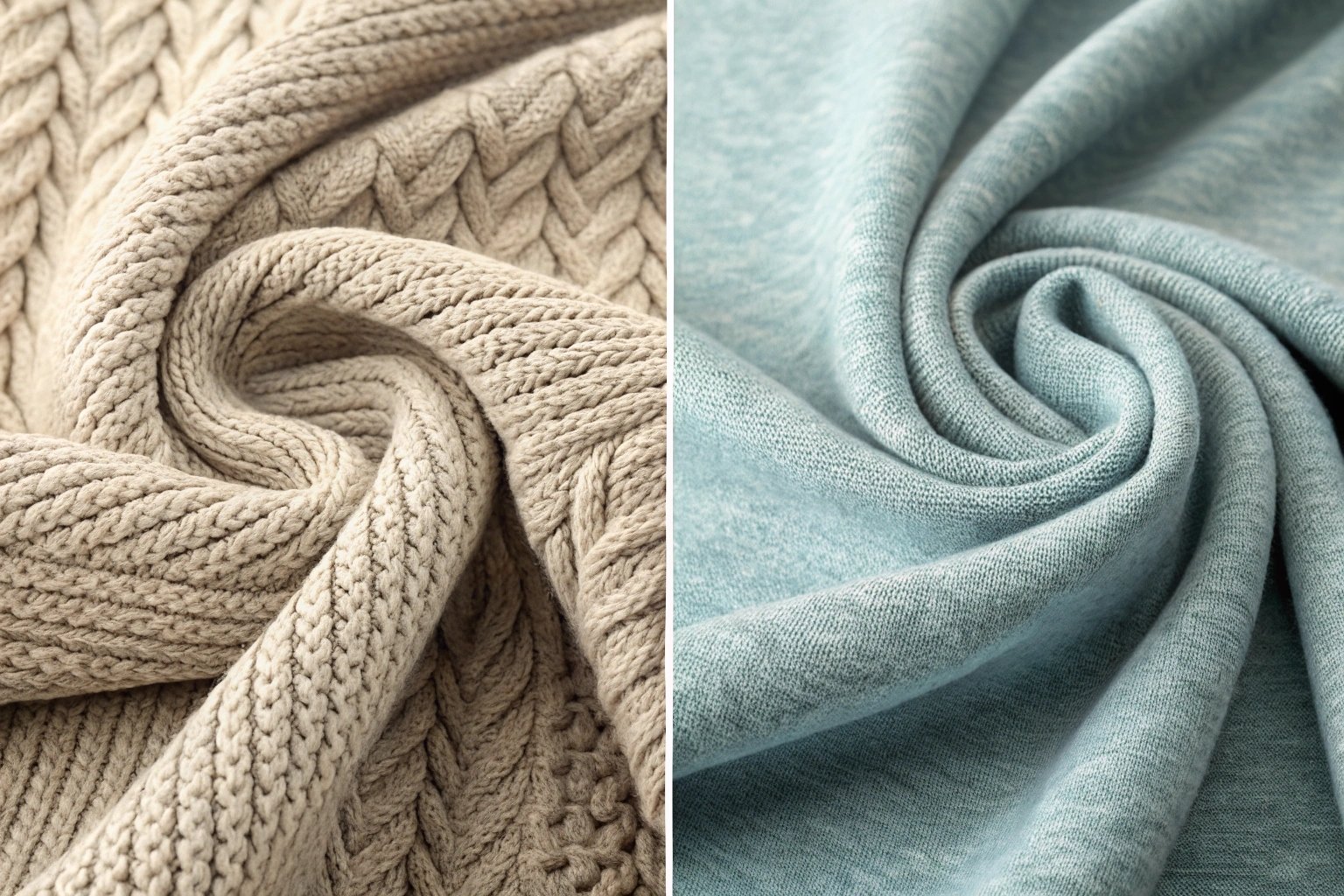
Comparative Technical Overview
| Feature | Sweater | Sweatshirt |
|---|---|---|
| Fabric Type | Yarn-based: wool, cotton, acrylic, cashmere | Fabric-based: cotton fleece, polyester blends |
| Construction Method | Knitting (machine or hand) | Cut-and-sew from flat fabric panels |
| Typical Weight | Light to heavy (gauge-dependent) | Medium to heavy |
| Applications | Fall/winter, office, upscale leisure | Daily wear, sportswear, lounge |
| Price Tier | Mid to premium | Low to mid |
Sweaters are generally produced using flatbed or circular knitting machines. Yarn gauge, stitch density, and tension are critical quality parameters. These garments often require full-fashioned shaping and linked seams, reducing waste and elevating finish. In contrast, sweatshirts follow a leaner cut-and-sew process using loopback or brushed fleece. They are faster to produce, easier to scale, and better suited for high-volume retail or private label programs.
What are the characteristics of a sweatshirt?
Sweatshirts are versatile, comfortable, and cost-efficient—ideal for activewear, streetwear, and value-driven collections.
A sweatshirt typically features a brushed interior, ribbed cuffs and hem, and cotton-poly fleece construction, offering thermal comfort, durability, and broad styling flexibility.
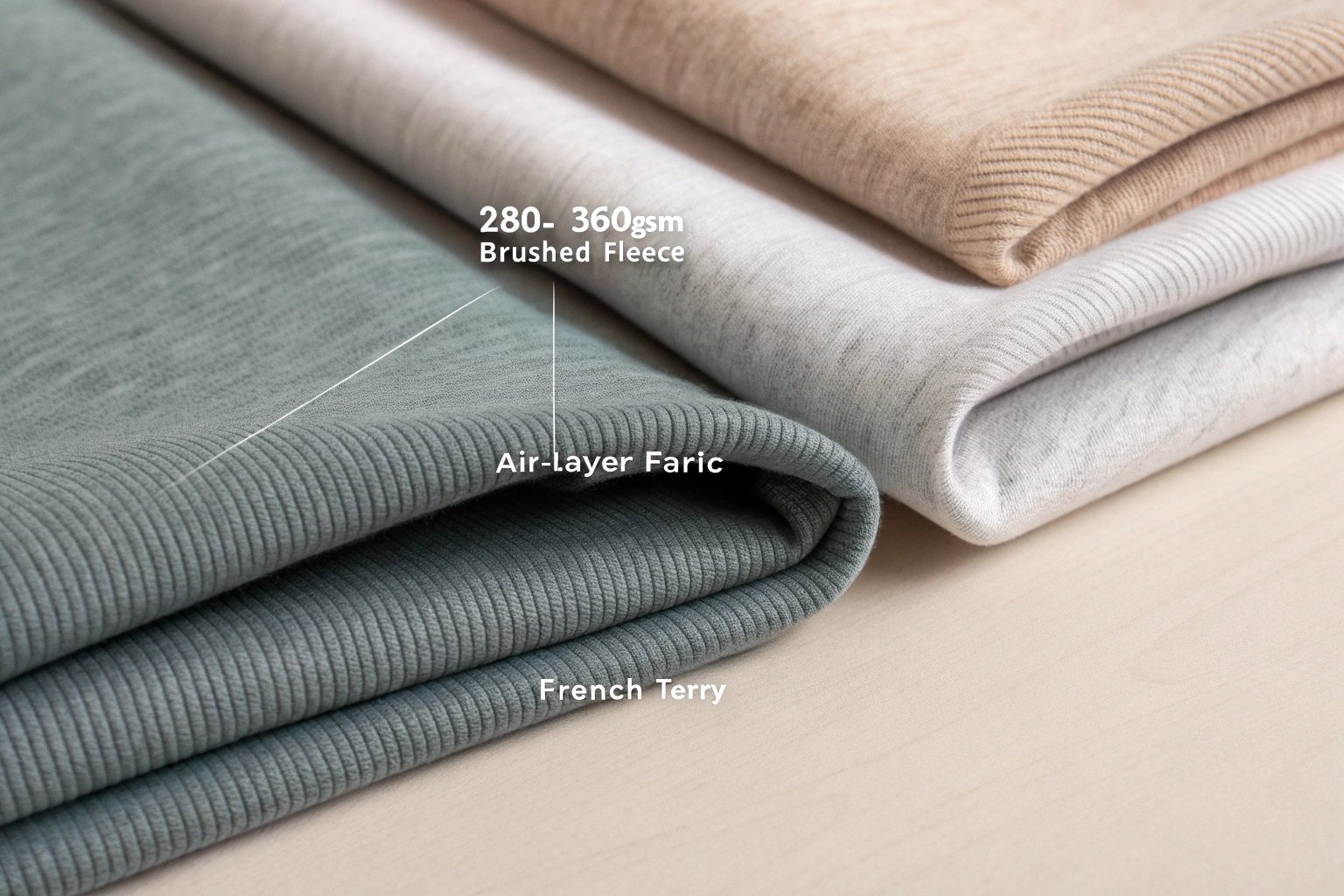
Core Functional Attributes
Sweatshirts are engineered for functionality and efficiency in production:
- Fabric: Most sweatshirts use 280–360gsm brushed fleece, with air-layer or French terry variants for weight adjustment.
- Construction: Includes double-needle seams, flatlock stitching, and rib-knit finishes to enhance wear and prevent fraying.
- Fit & Grading: Designed for unisex or relaxed fit, easy to adjust for different body types or regions.
- Customization: High surface tolerance for digital printing, screen printing, or embroidery, making them popular for logo wear and dropshipping models.
At Yoplook, we integrate advanced preshrinking techniques and OEKO-TEX®-certified reactive dyes to ensure colorfastness and dimensional stability—key metrics for international buyers. This minimizes shrinkage and shade variation post-wash, a common pain point in mass manufacturing.
Why do people call a sweatshirt a sweater?
Terminology is often inconsistent in global fashion commerce. Mislabeling leads to confused expectations and flawed category planning.
The confusion arises because both garments serve warmth-related functions and share silhouette similarities, but only sweaters belong to the knitwear category.
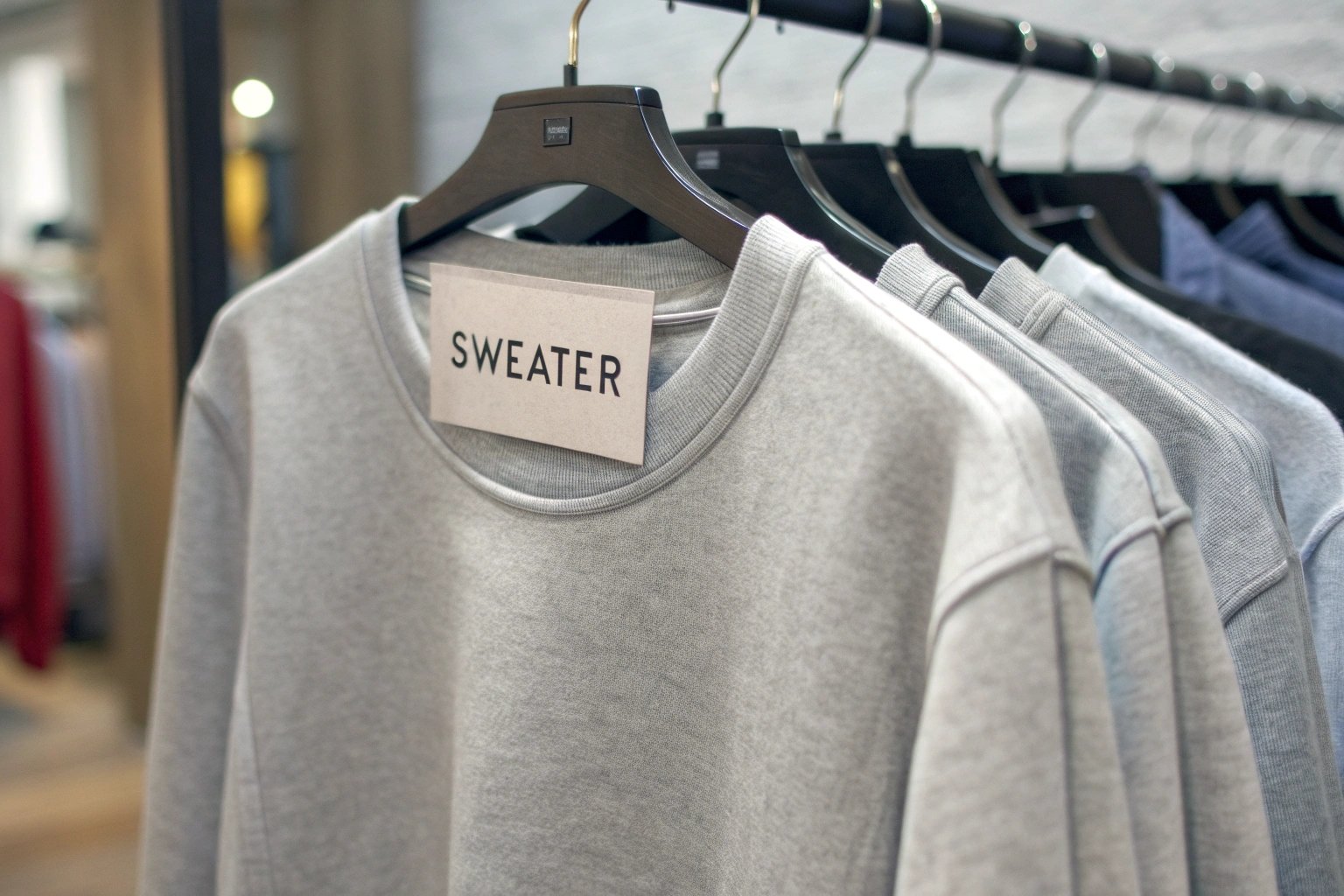
Misuse in Retail and Buyer Communication
| Incorrect Term | Actual Product | Clarification |
|---|---|---|
| “Sweater” | Sweatshirt | Sweatshirts are sewn, not knitted |
| “Pullover” | Both | A generic term; not fabric-specific |
| “Knitwear” | Sometimes sweatshirts | Only applies if garment is truly knitted |
Accurate product naming is essential, particularly in cross-border communication. Inconsistent labeling not only complicates SKU management and merchandising strategies, but can also mislead end consumers regarding care instructions, expected quality, and pricing logic. At the sourcing level, calling a sewn fleece garment a “sweater” might result in ordering the wrong construction method or facing unnecessary production delays.
What qualifies as a sweater?
Sweaters are complex in both construction and perception. They demand skilled workmanship, longer cycle times, and careful yarn management.
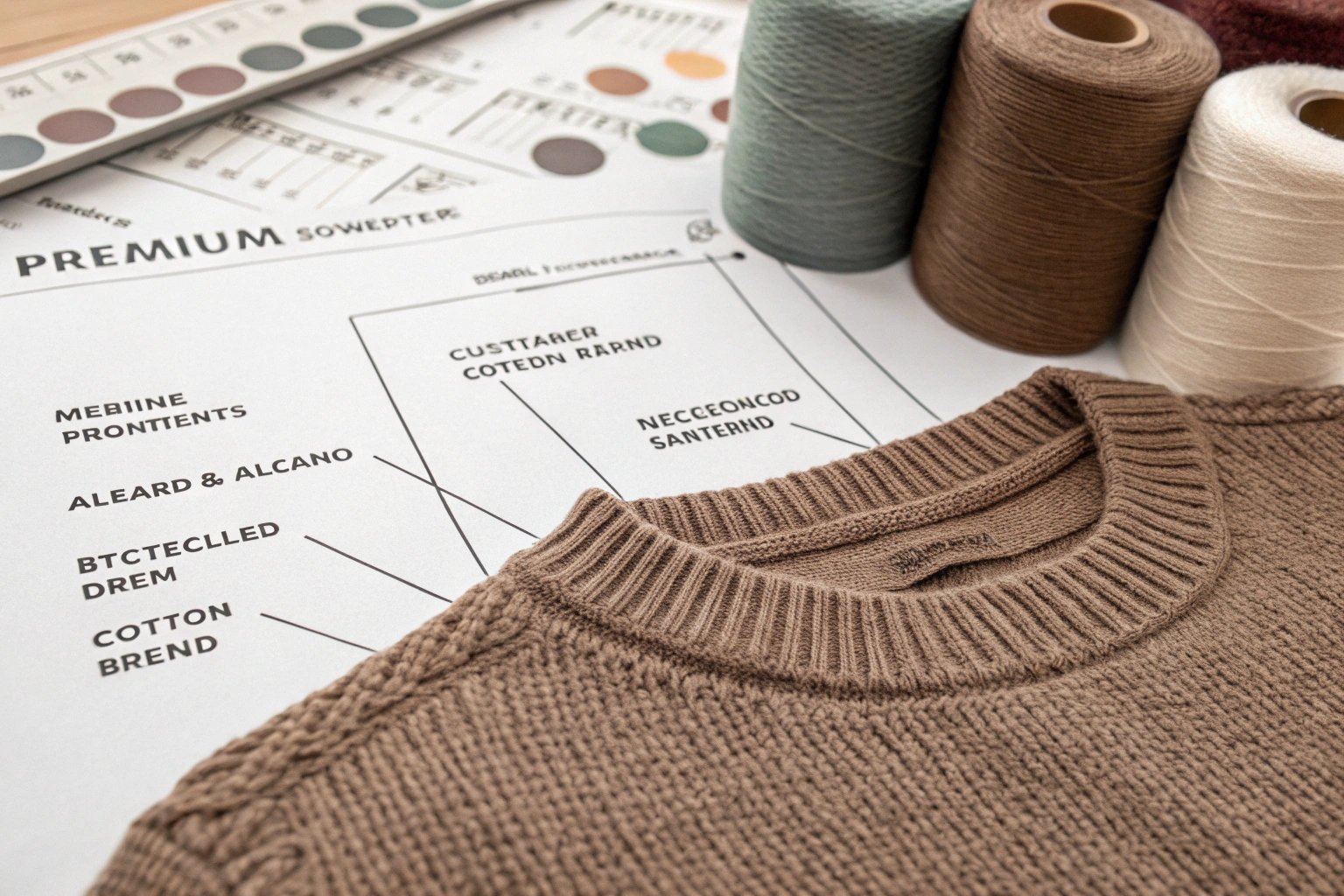
A sweater is defined by its knitted construction, typically using natural or blended yarns, with an emphasis on warmth, texture, and style-driven design.
Key Technical and Aesthetic Criteria
Sweaters align closely with the luxury and premium market segments:
- Yarn Selection: Common yarns include merino, alpaca, and recycled cotton blends. Gauge impacts softness, weight, and drape.
- Machine Type: Flatbed or fully fashioned knitting machines allow shape knitting (e.g., raglan, drop-shoulder).
- Linking and Assembly: Hand-linking or seamless technology enhances finish and reduces bulk at joints.
- Finishing: Includes anti-pilling treatments, enzyme washes, and softening, crucial for premium tactile feel.
For export buyers, these attributes influence both unit price and marketing potential. Our team at Yoplook incorporates yarn-dyed color programs and seasonal jacquard techniques to create distinctive yet cost-efficient SKUs for fashion-forward markets like the US, UK, and Japan.
Conclusion
Sweaters and sweatshirts are not interchangeable—they differ in fabric, construction, end use, and pricing strategy. Choosing the right one is a key step in building a balanced, market-aligned apparel collection.
[^1]: Sweater – Wikipedia: Overview of sweater types, materials, and history.
[^]: Knitting Techniques – Textile School: Technical explanation of knitting construction used in sweater manufacturing.