
When selecting outerwear, understanding the difference between a coat and a jacket is essential, not just for choosing the right garment, but for defining your brand’s offerings, manufacturing processes, and consumer targeting. The distinction lies not only in the length or materials but also in their intended use, warmth, and construction.
Coats provide superior warmth and protection for harsh weather conditions, typically using thicker, more insulating materials. Jackets, on the other hand, are lighter and more versatile, ideal for milder climates or layering.
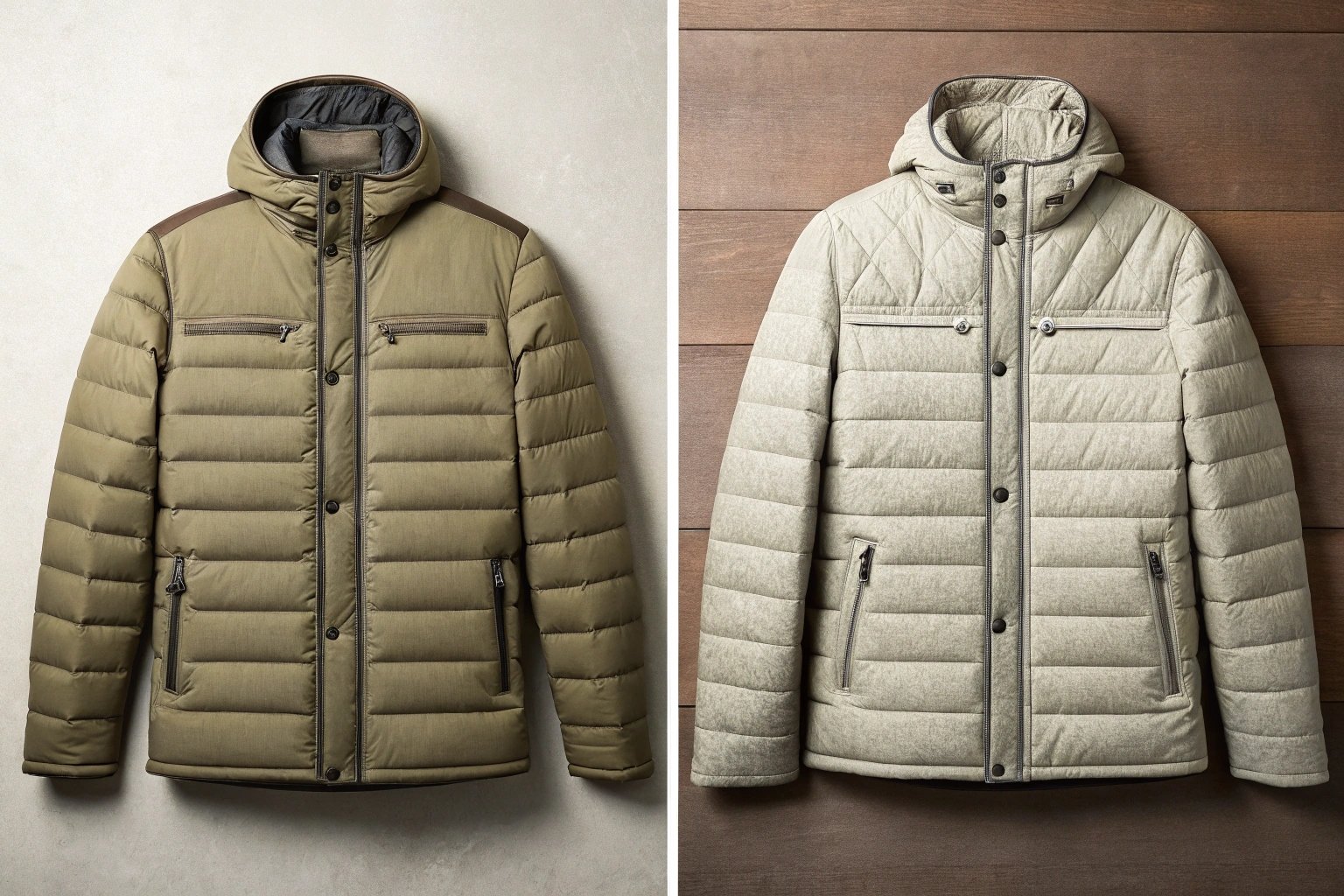
The understanding of the differences between a coat and a jacket can also be crucial for brands when designing and marketing their products. Coats are typically associated with higher-end, protective functionality, while jackets are seen as versatile, everyday pieces that can cater to various fashion segments. By knowing these key differences, manufacturers and retailers can target the right consumer demographics more effectively.
What is the difference between a jacket and a coat?
The primary distinction between a coat and a jacket lies in their construction, length, and the materials used. This influences their function, style, and the intended environment for wear.
Coats are longer, generally designed to cover the body from the hips to the knees or even lower, and are made with thicker, insulating materials for warmth. Jackets, by contrast, are typically shorter, waist-length garments made with lighter materials, offering moderate warmth suited for transitional seasons.
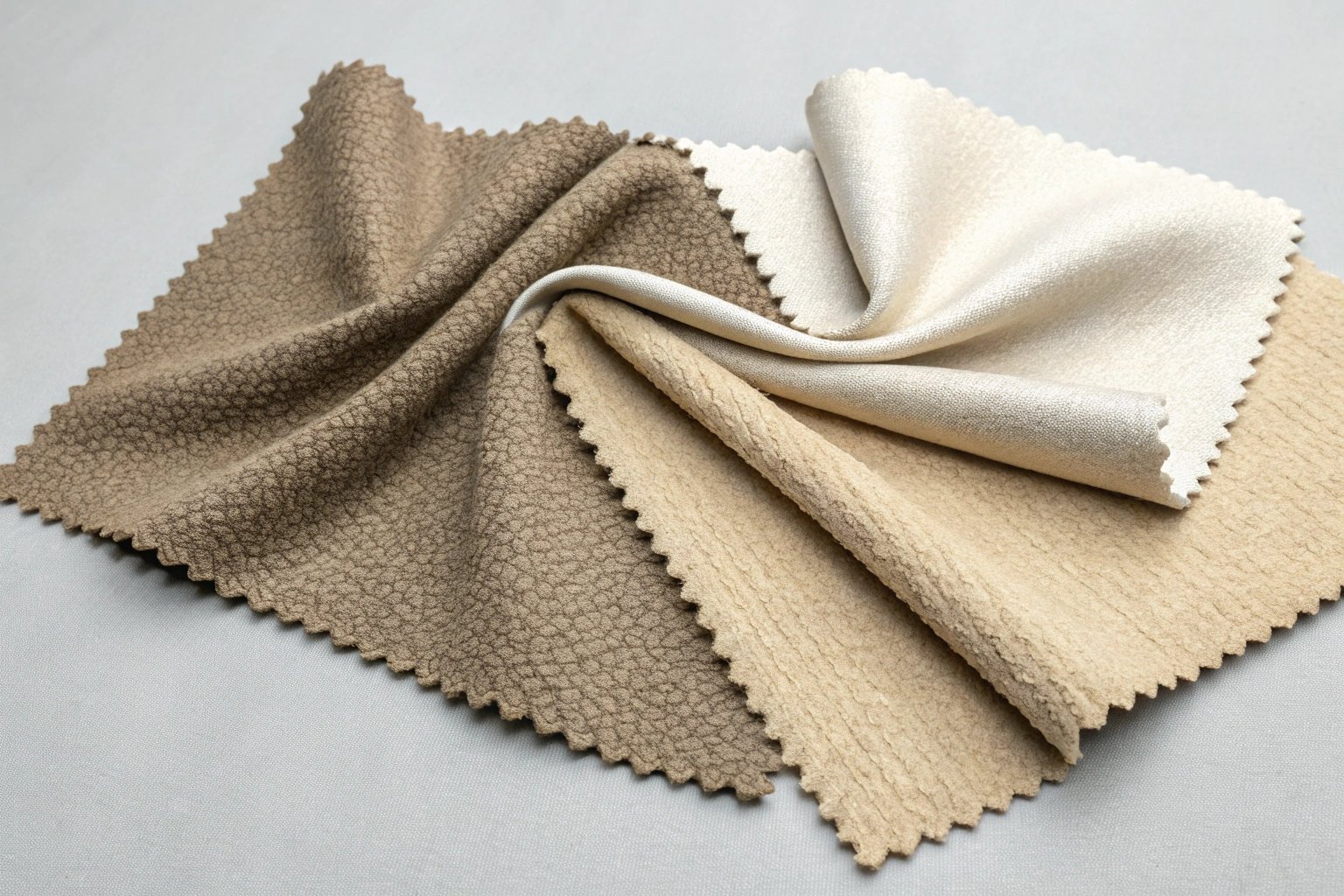
Construction and Material Differences
| Feature | Coat | Jacket |
|---|---|---|
| Length | Longer (thigh or knee-length) | Shorter (usually waist-length) |
| Materials | Wool, cashmere, down, synthetic insulation | Denim, cotton, leather, lightweight synthetics |
| Insulation | Heavily insulated for warmth | Light insulation, if any |
| Intended Use | Cold weather, outdoor protection | Milder climates, layering, fashion |
| Styling | Formal, functional, high-end fabrics | Casual, functional, various style options |
| Price Range | Mid to high-end | Low to mid-range |
The thicker fabrics used in coats, such as wool or down, provide more warmth and better protection against extreme cold. Jackets, on the other hand, are often made from lighter materials such as cotton, denim, or even leather, making them more adaptable to various climates but less suited for extreme cold.
Coats typically feature additional design elements such as fur-lined hoods, heavy-duty zippers, or double-breasted fronts to provide insulation, whereas jackets tend to have simpler, more flexible designs suitable for layering over lighter garments.
Do you say coat or jacket?
The choice between calling an item a coat or a jacket often comes down to both cultural norms and garment characteristics. Understanding how consumers, particularly international buyers, perceive these items can help refine your brand’s messaging.
In general, "coats" are used for heavier, cold-weather protection, while "jackets" refer to lighter, often casual outerwear suitable for layering or milder temperatures.
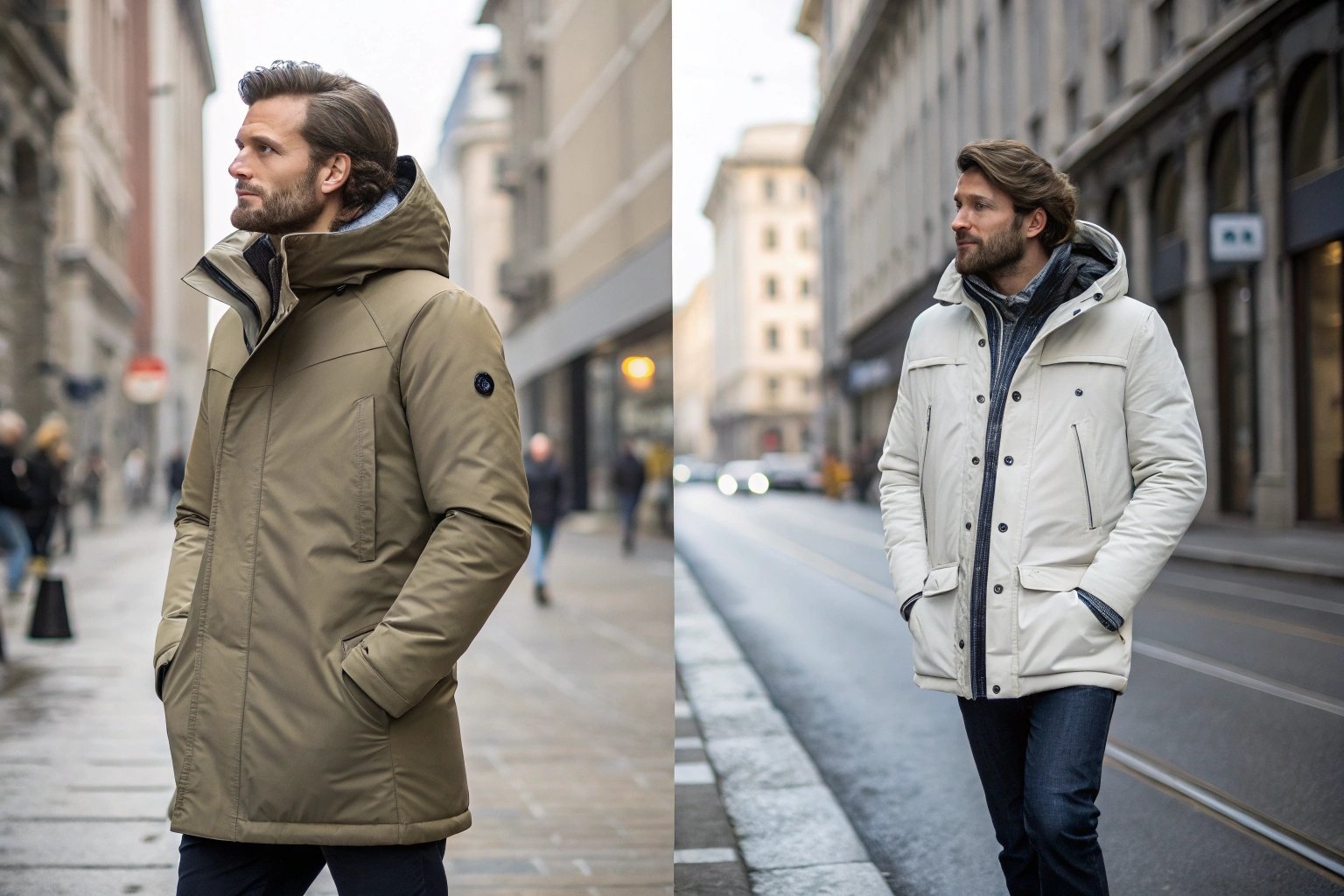
Key Terminological Differences
- In the United States, a “jacket” is usually lighter and designed for transitional weather. A "coat," however, implies a heavier garment worn in colder climates. In contrast, many UK consumers may use the term "coat" for both lightweight and heavy outerwear.
- In fashion terminology, jackets can be more diverse in design, ranging from bomber jackets to leather jackets, and even varsity jackets. Coats, by contrast, are often seen as more traditional and functional, with a focus on providing warmth and protection.
- Retail Strategy: It’s important for retailers to use terminology that reflects the garment’s function. Calling a product a "coat" may position it as premium outerwear for winter, while a "jacket" may suggest a lighter, more casual piece for milder seasons.
Misleading or unclear product descriptions can confuse consumers, especially in e-commerce, where consumers are looking for exact matches based on their needs, whether that’s warmth, function, or style. Thus, clear labeling is crucial for sales success.
How can you tell the difference between a suit jacket and a sport coat?
Though a suit jacket and a sport coat may look similar at first glance, their construction and intended use are vastly different. This distinction is important for both consumers and brands aiming to create distinct collections for various markets.
A suit jacket is made from finer materials, often part of a formal set, and features a tailored fit to match trousers, while a sport coat is more casual, made from textured fabrics, and can be worn independently with chinos or jeans.
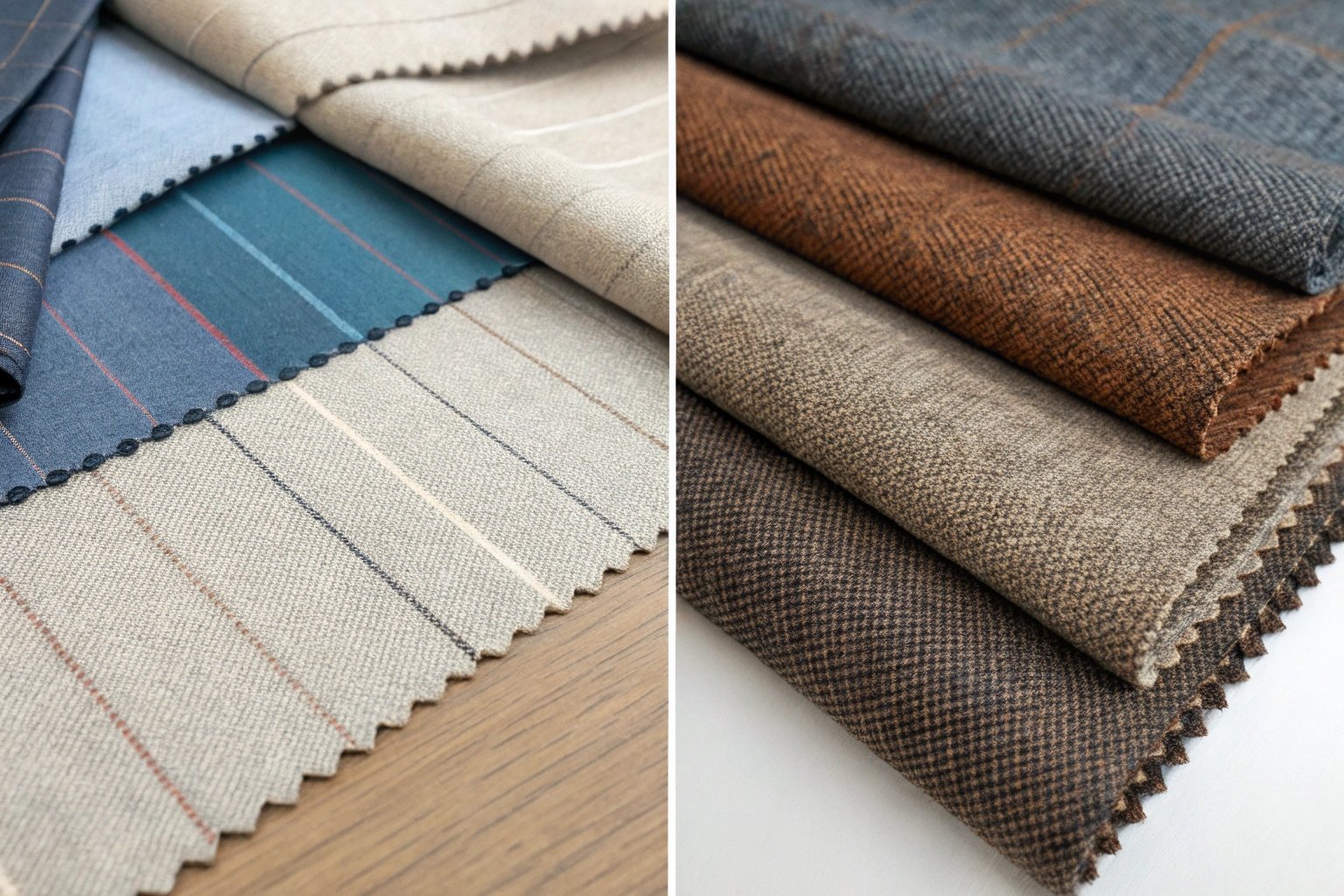
Design and Construction Comparison
| Feature | Suit Jacket | Sport Coat |
|---|---|---|
| Fit | Tailored, slim-fit to match trousers | Looser, more relaxed, often with a larger chest width |
| Fabric | Wool, linen, high-quality blend for formal wear | Tweed, corduroy, cotton blends |
| Lining | Fully lined, often with soft shoulder pads | Partial lining, more relaxed construction |
| Pattern | Solid, often subdued tones | Plaid, checkered, or textured patterns |
| Use | Formal occasions, business, coordinated set | Casual outings, semi-formal, independent wear |
A suit jacket is always part of a set, designed to be worn with matching trousers, while a sport coat stands alone and can be paired with different fabrics or colors for a more relaxed, casual look. Sport coats are typically made from more textured fabrics, offering greater versatility for the wearer, while suit jackets are constructed with a more refined, structured approach.
What is warmer, a jacket or a coat?
When it comes to warmth, the clear winner is the coat, as it is specifically designed for colder weather and made from thicker, more insulating materials.
Coats provide better insulation due to their longer length and heavy materials such as wool, down, or synthetic insulation. Jackets are lighter and typically designed for comfort in moderate weather, offering only moderate warmth.
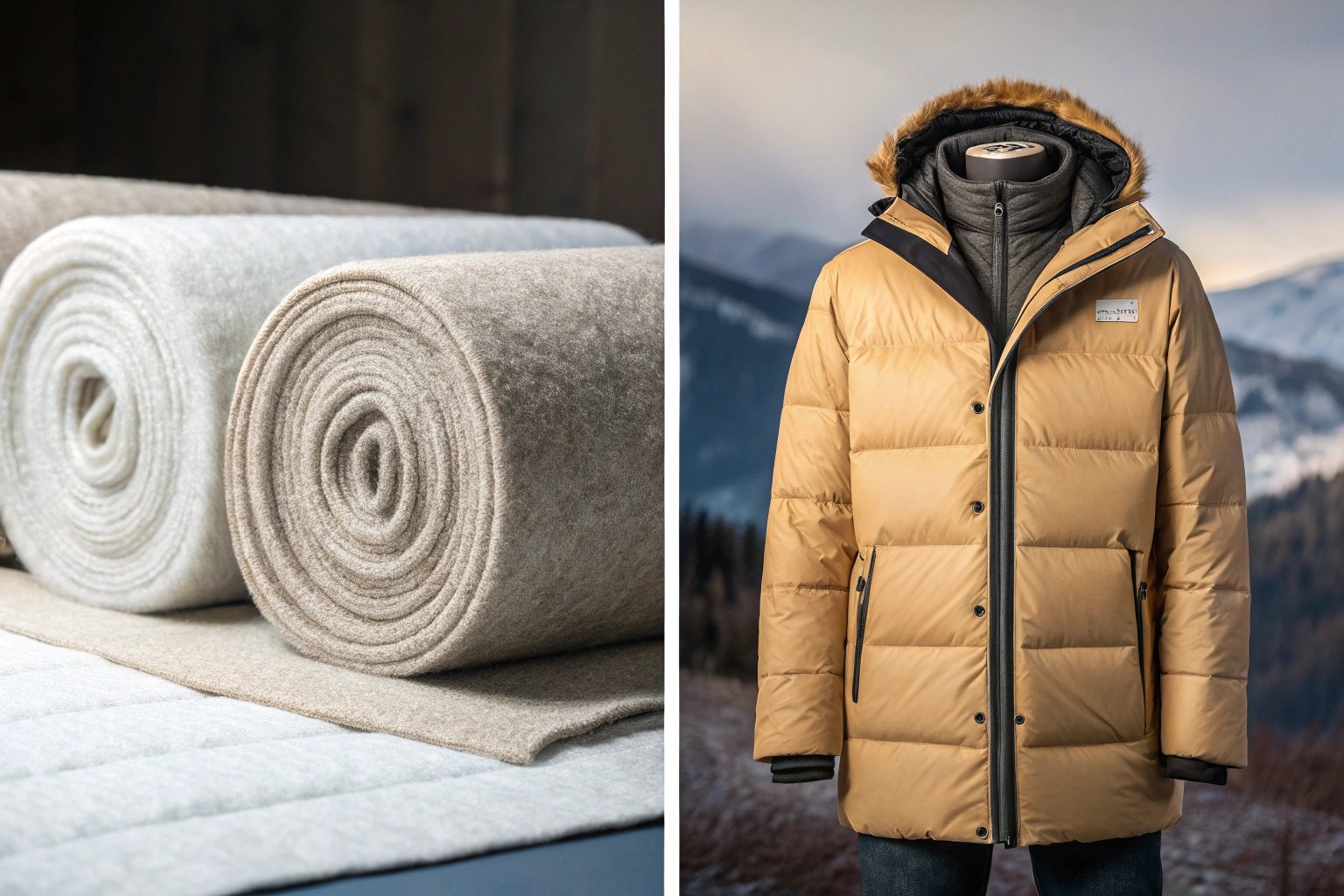
Warmth and Insulation
- Coats: Made with materials such as wool or filled with down or synthetic insulations, coats are built to trap heat and keep you warm in harsh conditions. These materials create a barrier to the cold, making them ideal for outdoor activities in freezing temperatures.
- Jackets: Typically made from lighter materials such as cotton, polyester, or leather, jackets do not offer the same level of thermal protection as coats. While they may feature a thin layer of insulation, they are more suited to mild conditions and can be worn as layering pieces over other garments.
For those working in the apparel industry, it’s important to understand how to market these items based on their functionality. Coats are best positioned as essential, cold-weather garments, while jackets serve a more versatile, everyday function. Materials such as fleece linings or weather-resistant coatings in jackets can improve their warmth, but they still fall short of the insulating properties of a well-made coat.
Conclusion
In summary, understanding the key differences between coats and jackets—whether in terms of length, material, function, or warmth—enables both consumers and manufacturers to make more informed decisions. Coats provide superior protection against extreme cold and are suited for winter wear, while jackets offer greater versatility and comfort for milder weather. These distinctions are critical not only for personal choice but for ensuring proper product placement and marketing in the fashion industry.
[^1]: The Woolmark Company: The global authority on merino wool, providing detailed information about wool’s natural insulating properties and sustainability.
[^2]: Down Feathers – Wikipedia: A detailed explanation of down feathers, their structure, and their insulating properties.