
Wondering if yoga counts as cardio or strength training? Let’s break it down and find out how yoga really works for your body.
Yoga can be both aerobic and anaerobic, depending on the style and intensity, offering a balanced mix of flexibility, strength, and endurance.
When I first started practicing yoga, I honestly just wanted to feel less stiff. But after a few sessions of vinyasa and hot yoga, I was sweating more than I did on the treadmill. That got me thinking—is yoga cardio, strength, or both? This article explores the science and practical aspects of yoga, helping you figure out what it really does for your fitness.
What defines aerobic and anaerobic exercise?
Aerobic and anaerobic exercises differ in how your body creates energy. One uses oxygen over time, while the other relies on short bursts of muscle power.
What counts as aerobic?

Aerobic means “with oxygen.” These are steady-state exercises like jogging, cycling, swimming, or even brisk walking. They elevate your heart rate for extended periods and build cardiovascular endurance. You’re breathing heavily, but can usually still hold a conversation. The goal is to increase your heart and lung efficiency over time.
What counts as anaerobic?
Anaerobic exercise is high-intensity and short duration. Instead of using oxygen, it pulls energy from your muscles and stored glycogen. This includes activities like sprinting, weightlifting, or high-intensity interval training. Anaerobic training builds strength, power, and lean muscle mass. You’re usually out of breath quickly and can’t sustain the movement for long.
How does yoga fit into both categories?
Yoga doesn’t fit neatly into just one category. It bridges the gap between aerobic and anaerobic, depending on the intensity and how it’s practiced.
When yoga is aerobic
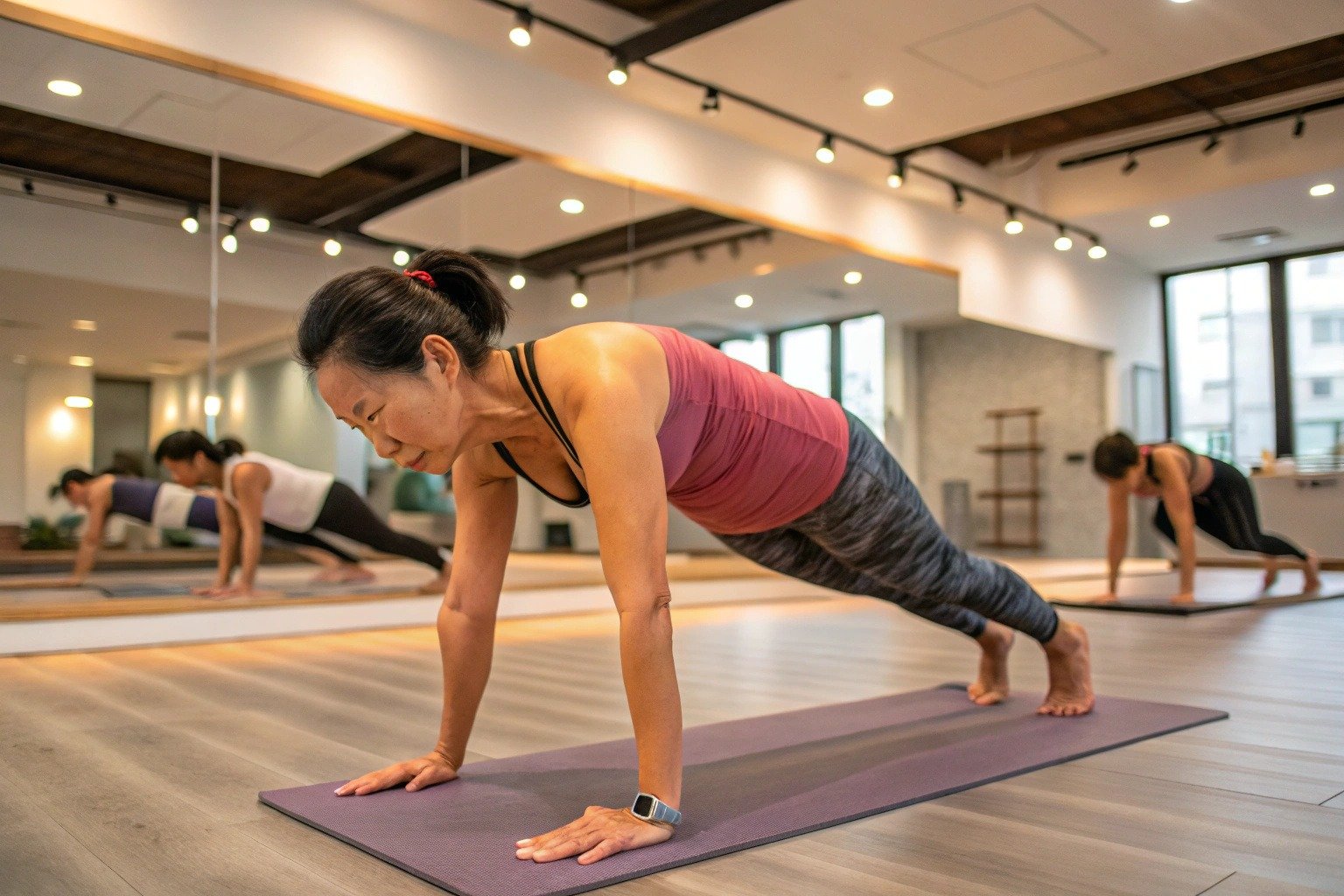
Some yoga styles, like vinyasa flow, ashtanga, or hot yoga, involve continuous movement that raises the heart rate. You’re flowing from pose to pose, coordinating breath and movement. The result is similar to low-impact cardio. I once did a 75-minute hot yoga session that left my heart pounding and shirt soaked. That’s not just stretching—it’s cardiovascular engagement.
In particular, hot yoga increases your pulse due to the heat, while vinyasa keeps you moving in rhythm, giving your circulatory system a real challenge. These classes can improve stamina, circulation, and oxygen uptake, especially when done regularly.
When yoga is anaerobic
Other forms of yoga emphasize static holds, balance, and muscle engagement. Poses like warrior II, plank, or crow pose activate multiple muscle groups at once. Holding them builds endurance, much like a bodyweight strength workout.
Even slower forms like hatha or iyengar yoga can push your muscles. You’re not jumping or sprinting, but your body is working hard to maintain form and alignment. This type of muscle tension and control is anaerobic, even if you’re not sweating buckets.
Yoga with Adriene is a great example of a calm-paced but deeply activating style.
What kind of yoga is best for each goal?
Your choice of yoga style should match your fitness goal. Some types will improve your endurance and heart health. Others focus on building strength, control, and flexibility.
Yoga for cardio endurance
If you want a style of yoga that gives you similar benefits to aerobic exercise, these are your best bets:
- Vinyasa flow: continuous movement, synchronized with breath
- Ashtanga: structured sequences, fast-paced
- Hot yoga: done in heated rooms to increase intensity
- Power yoga: athletic variation with core focus
These styles keep your body moving and heart rate elevated. They can serve as a light cardio session or complement your running, cycling, or swimming routine. Studios like CorePower Yoga offer modern power yoga flows designed with cardio in mind.
Yoga for strength and power
To build muscle endurance and improve postural strength, try:
- Hatha yoga: slower-paced with long pose holds
- Iyengar yoga: precise alignment and use of props
- Yin yoga: deep stretches that challenge connective tissue
- Power yoga: yes, it appears here too for its strength component
These styles may not raise your heart rate dramatically, but you’ll feel your muscles working. They’re especially helpful for injury prevention and mobility. I personally alternate between power yoga and yin yoga to balance strength with recovery.
Everlane also offers comfortable and minimal activewear that works great for these slower sessions.
Is yoga enough as a workout on its own?
Yoga can be a complete workout depending on how you practice and what your goals are. It improves flexibility, posture, joint health, and mental focus. Depending on the style, it can also provide cardio and strength benefits.
That said, if your fitness goals include running faster, lifting heavier, or building mass, yoga alone might not be enough. It pairs exceptionally well with other workouts. Think of it as your body’s best support system. It keeps you mobile, aligned, and mentally centered.
For general fitness and everyday movement, especially if you’re managing stress or recovering from injury, yoga is a great stand-alone option. And if you choose the right classes, you’ll sweat, build muscle, and breathe deeply—all in one session.
Conclusion
Yoga is not just stretching or relaxation. It can serve as both aerobic and anaerobic exercise depending on how you approach it. Styles like vinyasa and power yoga deliver cardio benefits, while static poses and longer holds build muscle endurance and strength.
If you’re looking for a movement practice that supports both your body and your mind, yoga offers a flexible, functional path. You don’t have to choose between cardio or strength—yoga blends the two.
If you’d like help finding the right yoga style or building a fitness plan around it, we offer personalized guidance and content tailored to your needs. Reach out to us here and let’s build something that works for you.