
If your shirt is a bit too loose or no longer fits perfectly, shrinking it might seem like a simple fix. However, the key to shrinking a shirt successfully lies in understanding the fabric it’s made of. Each type of fabric responds differently to heat, water, and drying techniques, and using the wrong method can result in irreparable damage or undesirable results. In this article, we’ll explore how to shrink shirts made from cotton, wool, synthetic fibers, and blends, with detailed professional tips on how to adjust your approach for each material.
Shrinking a shirt involves understanding its fabric and applying the correct method. Whether cotton, wool, synthetics, or blends, each fabric requires a different approach to avoid damage and achieve the best fit.
Shrinking a shirt may seem like a straightforward task, but when you don’t account for the fabric type, it can lead to disappointing results. Whether you’re aiming to make your shirt a bit more fitted or simply fixing an item that has loosened up, it’s important to use the right technique. Let’s dive deeper into the specifics of how different fabrics react to shrinking methods.
Cotton fabric shrinks easily in hot water.
True
Cotton fibers are naturally absorbent and responsive to heat, which is why they shrink effectively when exposed to hot water or heat in the dryer.
Synthetic fibers shrink easily in hot water.
False
Synthetic fabrics like polyester and nylon have a higher resistance to heat and don’t shrink as easily as natural fibers. Applying too much heat may even damage these materials.
Shrinking Cotton Shirts: Methods and Tips
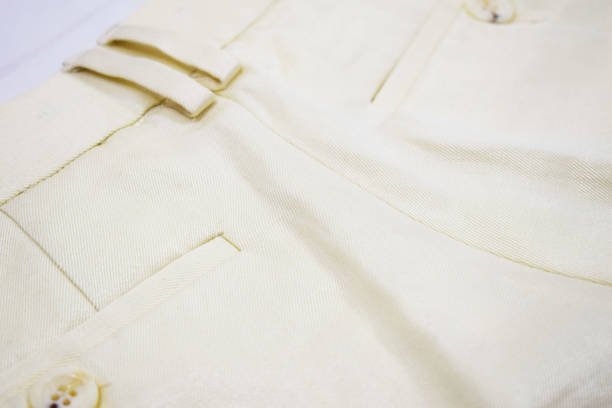
Cotton shirts are perhaps the most straightforward fabrics to shrink, thanks to cotton’s natural absorbency and reaction to heat. Cotton fibers are made of cellulose, a plant-based fiber that swells when exposed to heat and moisture. This swelling causes the fibers to contract, resulting in the shirt shrinking.
Why Does Cotton Shrink?
Cotton is naturally a very absorbent fiber. When cotton fibers are exposed to heat and moisture, the water causes the fibers to expand and then contract. This shrinking process is most noticeable in the first few washes, particularly with shirts that haven’t been pre-shrunk. Depending on the water temperature and drying method, cotton shirts can shrink several sizes.
Correct Method for Shrinking Cotton Shirts
To shrink a cotton shirt, begin by washing it in hot water. Ideally, the water temperature should be between 60-80°C (140-175°F). This ensures that the fibers expand and start the shrinking process. After washing, place the shirt in the dryer on the highest heat setting. The dryer will continue the shrinking process by applying heat to the cotton fibers, causing them to contract further. It’s important to keep an eye on the shirt during this process to prevent over-shrinking.
If you’re aiming for a specific fit, you might need to check the shirt every 10-15 minutes during the drying process to prevent it from shrinking too much.
Cotton shirts shrink the most after the first wash.
True
Cotton fibers shrink significantly after the first wash, especially if they haven’t been pre-shrunk. The first exposure to hot water and heat in the dryer often results in the most noticeable shrinkage.
Washing cotton in cold water prevents shrinkage.
False
Cold water will not shrink cotton fibers. To shrink cotton, you must use hot water. Cold water will simply clean the fabric without triggering the contraction process.
How to Shrink Wool Shirts Without Damage
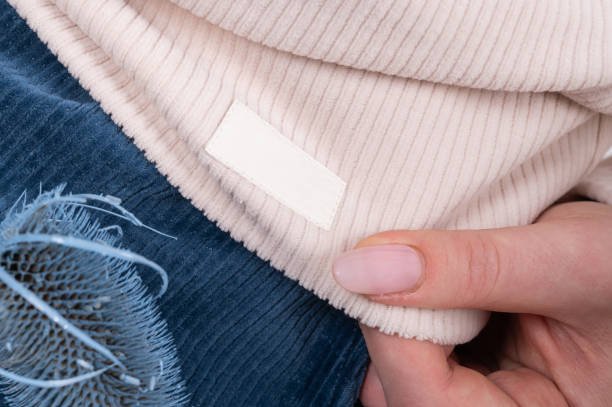
Wool is a delicate and luxurious fabric that requires special care when shrinking. While wool does shrink under heat and moisture, it’s more sensitive to temperature changes than cotton. If treated improperly, wool fibers can felt, leading to a stiff and unusable shirt. The key is to apply gentle heat and moisture, avoiding agitation that could cause felting.
Why Does Wool Shrink?
Wool is made from animal fibers that contain scales along their surface. When exposed to heat, the scales open up, causing the wool fibers to contract. The process is similar to cotton, but with wool, the fibers can become “felted” if exposed to too much heat or agitation. This felting process results in the wool losing its softness and becoming dense and hard.
Correct Method for Shrinking Wool Shirts
To shrink a wool shirt, use lukewarm water (around 30°C or 85°F) and hand wash the garment gently. Do not use a washing machine as the agitation could cause felting. After washing, lay the wool shirt flat to dry, reshaping it as needed. Avoid using a dryer, as the high heat could lead to felting or shrinkage that is too drastic.
If you want to shrink the wool shirt slightly, you can roll it in a towel to absorb excess water and then allow it to air dry in its new shape.
For more details on cotton fabric care, check out our Cotton Care Guide.
Wool shrinks easily in hot water and agitation.
True
Wool is highly susceptible to shrinkage under hot water and agitation. However, improper handling could cause the fibers to felt, making the fabric hard and stif
Wool shirts can shrink without any special care.
False
Wool requires a gentle washing method with lukewarm water and no agitation. Simply throwing a wool shirt into a hot wash cycle is likely to damage the fabric.
Shrinking Synthetic Fabric Shirts: What You Need to Know
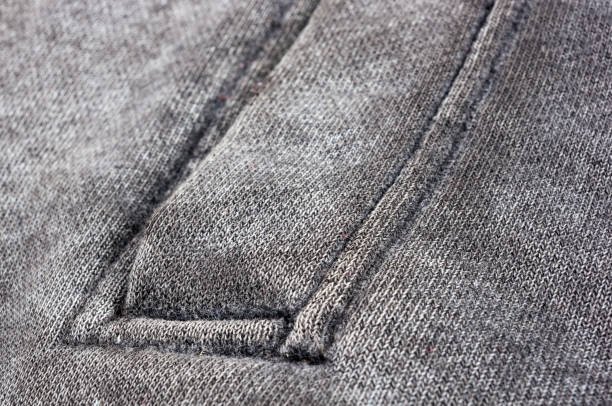
Synthetic fabrics, such as polyester, nylon, and spandex, are designed to resist shrinking, which can make shrinking these fabrics a challenging task. These fibers are engineered to retain their shape and resist environmental factors like heat, moisture, and wear. Therefore, achieving shrinkage with synthetic fabrics is difficult.
Why Don’t Synthetic Fabrics Shrink?
Synthetic fibers are made from man-made polymers that are chemically stable and resistant to the effects of heat and moisture. Unlike natural fibers, these polymers are not easily affected by the conditions that typically cause shrinkage. As a result, synthetic fabrics generally do not shrink significantly, even under extreme heat.
Correct Method for Shrinking Synthetic Fabrics
To try and shrink synthetic fabrics, you can place the shirt in a dryer on high heat. However, keep in mind that this may only result in a slight reduction in size. Monitor the shirt closely to prevent overheating or damaging the fabric. Excessive heat can warp or damage the fibers, causing them to lose their shape or melt.
However, if you’re trying to shrink a shirt made entirely from synthetic fibers, you may be disappointed as these fabrics simply don’t shrink much under typical conditions.
Synthetic fabrics cannot be shrunk at all.
False
While synthetic fabrics do not shrink as easily as natural fibers, they can shrink slightly under extreme conditions, such as prolonged exposure to high heat in a dryer. However, the effect is minimal.
Synthetic fabrics can withstand high temperatures without shrinking.
True
Synthetic fibers are engineered to resist heat and shrinkage. However, excessive exposure to heat can still cause these fabrics to warp, melt, or become deformed.
How to Shrink Blended Fabric Shirts
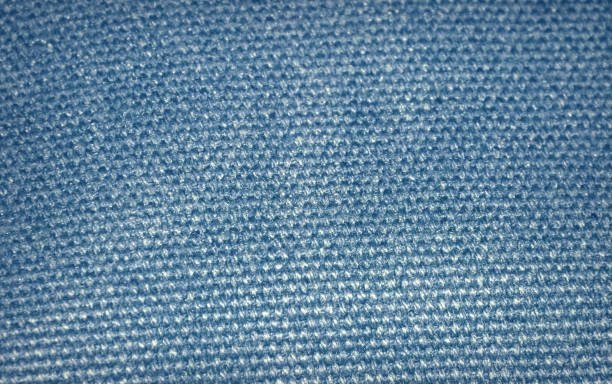
Blended fabrics, such as cotton-polyester or wool-acrylic, offer a combination of the properties of both natural and synthetic fibers. These fabrics usually shrink less than pure natural fibers due to the presence of synthetic materials. However, the natural fibers in the blend can still shrink under heat and moisture.
Why Do Blended Fabrics Shrink?
Blended fabrics, like cotton-polyester blends, behave differently than pure cotton because the synthetic fibers do not shrink as easily. However, the natural fibers still shrink when exposed to heat, though the overall shrinking effect is less pronounced compared to pure natural fabrics.
Correct Method for Shrinking Blended Fabrics
For blended fabrics, it’s best to wash the shirt in warm water (around 40°C or 105°F). Avoid hot water, as the synthetic fibers in the blend will resist shrinking. After washing, dry the shirt on medium heat. This allows the natural fibers to shrink while preventing the synthetic fibers from distorting.
It’s important to monitor the shirt while drying to ensure that you achieve the desired fit without over-shrinking it.
Blended fabrics shrink more than pure natural fabrics.
False
Blended fabrics tend to shrink less than pure natural fibers because of the synthetic fibers that resist shrinking.
Blended fabrics require a moderate washing and drying method.
True
Blended fabrics can shrink, but it’s essential to use moderate temperatures and avoid excessive heat, which could damage the fabric.
Conclusion
Shrinking a shirt depends on its fabric, and understanding the characteristics of each type of material is key to achieving the desired fit. For cotton, heat and moisture work well to shrink the fabric. Wool requires more delicate handling, while synthetic fabrics resist shrinkage altogether. Blended fabrics provide a middle ground, with a combination of natural and synthetic fibers. By following the correct methods for each fabric type, you can successfully shrink your shirts while maintaining their integrity and fit.