
Starting a clothing manufacturing business means turning design specifications into garments that meet customers’ expectations for quality, cost, and delivery. Whether you plan to produce everyday basics or specialized apparel, success depends on understanding your target market and building a reliable production operation.
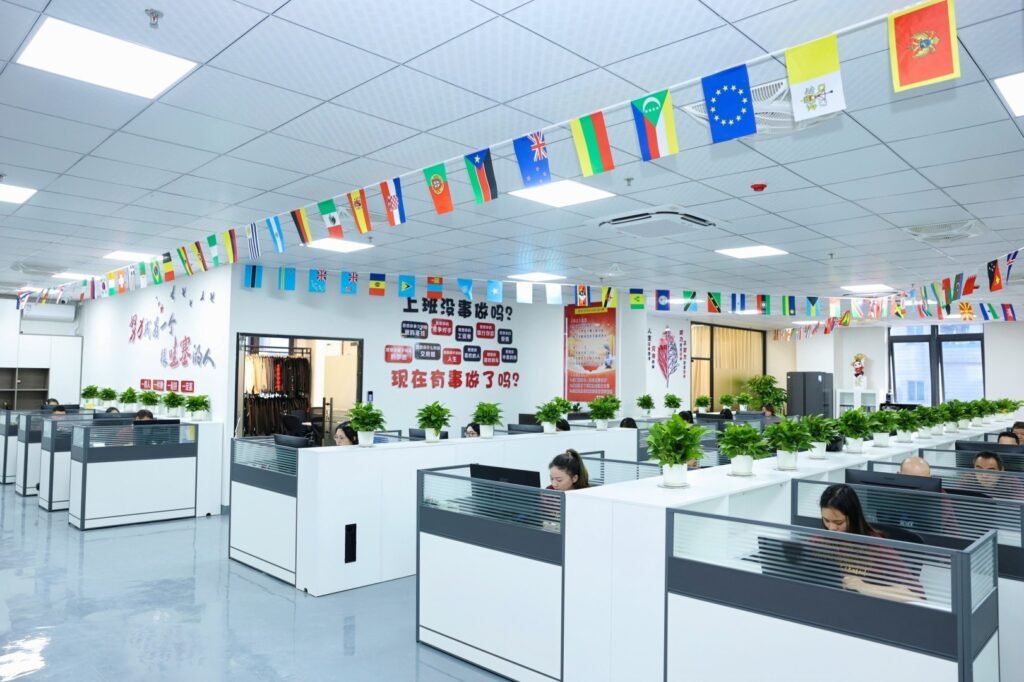
From choosing a niche and budgeting for equipment to sourcing fabrics and managing quality control, each decision shapes your costs and production capacity. This guide explains how to start a clothing manufacturing business, with practical steps to help you plan your operations, avoid common mistakes, and prepare for sustainable growth.
What Does a Garment Factory Do?
A garment factory converts fabric and other materials into finished clothing according to a buyer’s specifications. Its core operations typically include cutting, sewing, finishing, quality inspection, and packaging. Some factories also offer product development, pattern making, sampling, and material sourcing.
Facilities range from small workshops handling specialized orders to large factories producing standardized garments at scale. The equipment, workforce, and production layout depend on the products being made, their construction requirements, and the expected order volume.
The Clothing Manufacturing Process: From Design to Delivery
Although production methods vary by garment type, most factory workflows follow these stages:
- Product development and specifications: The brand and manufacturer establish the garment’s design, measurements, materials, construction details, and quality requirements, usually documented in a technical pack.
- Pattern making and sampling: Patterns translate the design into individual garment panels. Samples are produced to assess fit, appearance, and construction before approval. Patterns are then graded into the required sizes.
- Material sourcing and preparation: Fabrics, trims, labels, and fastenings are sourced and checked against approved requirements. Fabric preparation may include relaxation or shrinkage testing, depending on the material.
- Fabric cutting: Approved patterns are arranged into a cutting layout to use fabric efficiently. The fabric is cut, and the pieces are identified and grouped for sewing.
- Sewing and assembly: Operators join the cut panels using suitable machinery and stitch types. Checks during assembly help identify construction issues before they affect the rest of the order.
- Finishing and final inspection: Garments undergo thread trimming, pressing, and any required finishing treatments. Inspectors check measurements, workmanship, appearance, and labeling against the agreed specifications.
- Packing and shipment: Approved garments are folded or hung, packaged, and organized by size, color, and order requirements before dispatch.
Planning a Clothing Production Operation
Before investing in equipment or accepting orders, define what your factory will produce, the quantities it can handle, and the quality standards it must meet. These decisions shape your material purchases, machinery requirements, and staffing plan.
1. Match Materials to Product Requirements
Choose fabrics and trims according to the garment’s intended use, fit, durability, and target price. Assess suppliers on sample quality, consistency, minimum order quantities, lead times, and their ability to provide any required testing or certification documents.
Approve materials before bulk purchasing, and establish clear specifications for repeat orders. A low purchase price offers little value if inconsistent fabric causes production delays or rejected garments.
2. Build Equipment Capacity Around Your Products
Select machinery based on the construction methods your garments require. A basic T-shirt operation and a tailored jacket workshop need different combinations of sewing, cutting, and pressing equipment.
Start with the equipment needed for your core product range. Consider maintenance support, spare parts, operator training, and production capacity alongside the purchase price.
3. Organize a Team Around the Production Workflow
Plan staffing around the work required at each stage, including pattern making, cutting, sewing, finishing, and inspection. Headcount should reflect realistic output targets and garment complexity.
Hire experienced supervisors and operators where technical skills are essential. Use clear work instructions and practical training to establish consistent methods, then monitor bottlenecks before increasing production commitments.
4. Set Quality Standards Before Production Begins
Define acceptable measurements, construction details, appearance, and packaging requirements using approved samples and written specifications.
Check incoming materials, inspect garments during assembly, and review finished goods before shipment. Record defects and address their causes so the same problems do not recur. Schedule broader process reviews according to production volume, recurring issues, and customer requirements.
Starting a Small Garment Manufacturing Business
A small garment business needs a focused product range, realistic costs, and a repeatable production process. Start with an operation you can manage consistently, then expand as demand and capacity become clearer.
Define Your Products and Customers
Choose a product category that matches your team’s skills and available equipment, such as knit basics, uniforms, or children’s clothing. Identify whether you will manufacture for fashion brands, local businesses, or your own label, as each customer group has different pricing, quality, and delivery expectations.
Research competing suppliers, speak with potential buyers, and compare their requirements with what you can realistically produce. Use these findings to shape your initial offer.
Choose a Suitable Workspace
Assess your space requirements before deciding between a home setup and a rented workshop. Allow room for material storage, cutting, sewing, pressing, inspection, and finished goods.
Consider power supply, ventilation, access, and future expansion alongside rent. Confirm that the premises are suitable and permitted for your intended activities before committing.
Build a Practical Financial Plan
Separate one-time setup expenses from ongoing operating costs. Your budget should account for equipment, deposits, materials, wages, utilities, maintenance, packaging, and cash needed while awaiting customer payments.
Estimate garment costs using realistic labor times and output levels. Include sampling, material waste, and potential rework when setting prices.
Confirm Local Business Requirements
Identify the registration, premises, employment, and product requirements that apply to your location and clothing category. Obtain any necessary approvals before operating, and maintain the records required for your business activities.
Invest in Essential Equipment First
Select machinery around your initial product range and production targets. Include cutting surfaces, measuring tools, pressing equipment, and maintenance supplies in the setup budget.
Used or refurbished machines may reduce initial spending, provided their condition, servicing history, and parts availability are suitable. Compare the total cost of ownership before purchasing.
Validate Products With Samples and a Pilot Run
Develop samples to check fit, measurements, construction, and appearance. Test relevant performance characteristics, such as shrinkage or seam durability, according to the product’s intended use.
Follow sample approval with a small pilot run. This helps reveal production bottlenecks, establish labor times, and verify costing before accepting larger orders.
Organizing an Efficient Sewing Production Line
An effective production line keeps materials moving, gives operators clear responsibilities, and makes quality problems easier to catch.
Arrange Workstations Around the Garment Workflow
Map the sequence from cutting through sewing, finishing, inspection, and packing. Position workstations to reduce unnecessary handling and keep materials, unfinished garments, and completed orders clearly identified.
Choose a layout that suits your space, team size, and product mix. A straight line is one option; flexible work cells may suit smaller batches or frequent style changes.
Assign Tasks and Balance Workloads
Break garment assembly into individual operations, then match tasks to operator skills and machine capabilities. Compare the time required at each station to identify where work accumulates.
Adjust assignments as needed so one slow operation does not hold up the entire order. Cross-training can help maintain continuity when workloads change or staff are unavailable.
Track Output Alongside Quality
Set achievable production targets using observations from sampling and pilot runs. Monitor completed units, defects, rework, and machine downtime together.
Group compatible operations where practical to reduce setup changes, while keeping each order traceable. Review recurring delays before increasing output targets.
Make Safety Part of Daily Operations
Provide suitable machine guards, clear walkways, adequate lighting, ventilation, and stable work surfaces. Adjust seating and table heights to support comfortable working positions.
Train staff in safe machine use, cutting-tool handling, pressing procedures, and emergency response. Keep equipment maintained and follow the workplace safety requirements applicable to your operation.
Building a Small Garment Manufacturing Business
Starting small allows you to establish reliable production methods before committing to larger premises, more equipment, or additional staff. The priority is to create an operation that can deliver consistent quality at a sustainable price.
Choose a Focused Product Range
Begin with products that share similar materials, machinery, and construction techniques. A focused range makes training, purchasing, and production planning easier to manage.
Define who will buy your manufacturing services, whether that means emerging fashion brands, uniform buyers, or established retailers. Speak with potential customers to understand their typical order quantities, quality expectations, target prices, and delivery requirements.
Select a Suitable Production Space
Choose between a home workspace and a dedicated workshop based on equipment needs, staffing, storage, and permitted activities. Assess electricity supply, ventilation, access, and the movement of materials through the space.
A larger workshop creates value only when the additional capacity supports realistic demand. Avoid taking on fixed costs that depend on optimistic sales forecasts.
Plan Costs and Operating Requirements
Prepare a business plan covering your services, customers, production capacity, pricing, and cash requirements. Separate initial setup expenses from recurring costs such as wages, rent, utilities, materials, and maintenance.
Confirm the business registration, premises approvals, employment obligations, and product requirements relevant to your operation before trading.
Purchase Equipment in Stages
Invest first in the machines and tools required for your core products. Include cutting tables, pressing equipment, inspection tools, and spare parts alongside sewing machines.
Compare new and refurbished equipment on condition, servicing support, operating costs, and suitability for the work. Expand when confirmed demand justifies the investment.
Approve Samples Before Accepting Larger Orders
Use samples to verify fit, measurements, workmanship, and material performance. Document approved specifications so the production team has a clear reference.
A small pilot run can then reveal assembly problems, establish realistic production times, and test whether your quoted price covers the work involved.
Creating a Reliable Sewing Workflow
A production line should help operators work consistently while making delays and defects visible.
Map the production sequence. Arrange cutting, sewing, finishing, inspection, and packing to minimize unnecessary handling. Keep incoming materials, work in progress, and completed goods clearly identified.
Balance tasks across the team. Break assembly into operations and assign them according to skills, equipment, and the time each task requires. Reallocate work when unfinished garments build up at one station.
Measure quality as well as output. Track completed units alongside defects, rework, and downtime. Increasing sewing speed provides little benefit if more garments require correction.
Build safety into the workspace. Maintain machine guards, clear walkways, suitable lighting, ventilation, and comfortable working positions. Train employees in equipment use and establish maintenance and emergency procedures appropriate to the operation.
Expanding Into Textile Manufacturing
Textile manufacturing produces fabrics or other textile materials, while garment manufacturing converts those materials into clothing. Entering textile production requires a separate assessment of technical skills, equipment, utilities, and customer demand.
Decide Which Production Stage to Enter
A textile business may specialize in spinning yarn, weaving or knitting fabric, or dyeing and finishing. You do not need to operate every stage.
For example, a knitting facility may purchase yarn and produce fabric for garment factories. Its investment requirements differ substantially from those of a business that processes raw fibers or operates a dyehouse.
Assess Equipment and Infrastructure
Choose machinery around the fabric construction, material, output, and finishing requirements you intend to offer. Consider power, water, testing facilities, maintenance expertise, and any treatment systems required by the process.
Dyeing and finishing can introduce significant water, chemical-management, and environmental obligations. Evaluate these requirements before selecting a site or purchasing machinery.
Evaluate Integration Carefully
Producing your own fabric may improve control over material specifications and availability. However, it also adds capital costs, technical responsibilities, and capacity that must be kept productive.
Compare in-house production with external sourcing before expanding. Owning more stages of the supply chain does not automatically improve profitability.
Budgeting for Startup and Working Capital
A manufacturing business needs enough funding to launch and enough cash to complete orders before customer payments arrive.
Build your financial plan around four areas:
- Setup costs: equipment, installation, premises deposits, workspace preparation, and initial development.
- Operating expenses: payroll, rent, utilities, maintenance, administration, and insurance.
- Order-related costs: fabrics, trims, packaging, outsourced processes, and delivery.
- Cash reserves: funds for payment delays, repairs, rejected materials, and unexpected rework.
Review estimated costs against actual results after each order. Include material waste, sampling time, and overhead when calculating margins.
Purchase materials against realistic production needs, and assess financing by its total repayment cost and effect on cash flow. Increase capacity when demand, staffing, and available funds support the expansion.
Finding Customers for Your Manufacturing Services
Marketing should show prospective buyers what you can produce and how reliably you can deliver it.
Present a Clear Manufacturing Offer
Describe your product specialties, development services, order requirements, and production capabilities. Use accurate photographs of samples and workmanship to help buyers assess suitability.
Make the inquiry process straightforward. Ask for designs or technical packs, quantities, material requirements, and target delivery dates so you can prepare useful quotations.
Reach Buyers Through Relevant Channels
Use your website, professional networks, targeted outreach, and suitable trade events to connect with potential customers. Tailor your message to their sourcing needs.
For a factory serving clothing brands, direct buyer relationships may be more relevant than consumer retail marketplaces. If you also sell your own label, develop a separate sales approach for those finished products.
Turn Successful Orders Into Repeat Business
Communicate progress, flag problems early, and meet agreed specifications. After delivery, collect feedback on quality, packaging, and service.
With customer permission, use completed projects and testimonials to demonstrate experience. Consistent performance gives buyers a reason to reorder.
Common Manufacturing Problems and Practical Responses
| Challenge | Practical response |
|---|---|
| Production delays | Identify the bottleneck, verify material readiness, and adjust workloads before accepting additional commitments. |
| Inconsistent quality | Use approved samples, written specifications, and inspections during production. Record defects and correct recurring causes. |
| Material shortages | Confirm availability before scheduling and assess alternative suppliers or materials for customer approval. |
| Cash flow pressure | Review payment terms, monitor overdue invoices, and align purchasing with confirmed orders. |
| Equipment downtime | Schedule maintenance, keep essential spare parts available, and establish access to repair support. |
| Compliance gaps | Assign responsibility for required records, renewals, training, and monitoring applicable requirements. |
Conclusion
Now that you know how to start manufacturing clothing, you are ready to take the first step towards launching your business. The industry offers enormous potential, and with careful planning, you can capitalize on your ideas and reach your entrepreneurial goals. Remember to focus on quality, efficiency, and customer satisfaction, whether you are launching a home-based startup or large-scale garment production.Conclusion