
In today’s fast-paced world, maintaining physical health and an active lifestyle is essential, especially for teenagers. With the rise of technology, many young people spend significant amounts of their leisure time on video games and computers, negatively impacting their physical and cognitive development. Therefore, exercise and physical activity become crucial for fostering vitality and self-discipline.
When it comes to engaging in sports, activewear and athleisure are indispensable components. Although they may appear similar at first glance, these two types of clothing serve different purposes. Activewear is specifically designed for particular sports activities, such as basketball, soccer, or cricket, while athleisure tends to be more relaxed and suitable for everyday casual wear.
For those leading an active lifestyle, both types of clothing offer unique advantages. Activewear is crafted to enhance performance, often featuring a more fitted cut that reduces resistance during movement. In contrast, athleisure emphasizes comfort and versatility, making it suitable for various daily activities while allowing freedom of movement.
In terms of materials, activewear typically utilizes high-tech moisture-wicking fabrics that effectively manage temperature and humidity, while athleisure can incorporate a variety of different materials focused on comfort. Many brands produce both types of clothing, but consumers should be aware of the key distinctions when making their selections.
This article will delve into a comparison of activewear and athleisure, providing practical tips for choosing the right apparel for sports activities. By understanding these differences, teenagers can make informed decisions that promote a healthier lifestyle while enjoying the benefits and joys of physical activity.
What is Activewear?
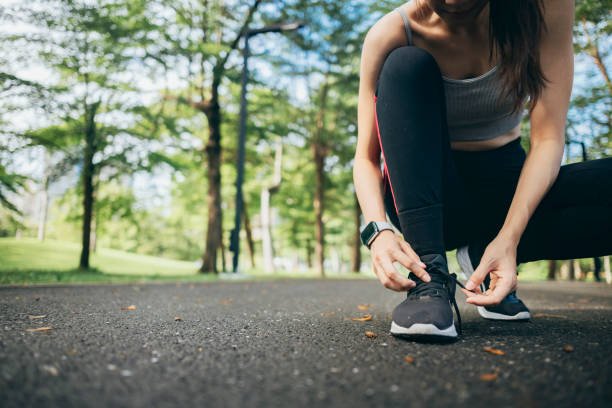
Activewear refers to clothing specifically designed for engaging in sports or physical activities. This term encompasses a broad range of apparel intended not only for workouts and sports participation but also for casual, everyday wear.
Activewear materials are used to create various garments, including long-sleeve and short-sleeve T-shirts, sweatshirts, crop tops or sports bras, leggings, shorts, and joggers. Due to its comfort and versatility, activewear is often considered a staple in many wardrobes, and some even refer to it as “loungewear” when worn at home.
By combining functionality with style, activewear provides individuals the freedom to move comfortably while also looking fashionable, whether they’re hitting the gym or relaxing at home.
Types and Functions of Athletic Wear
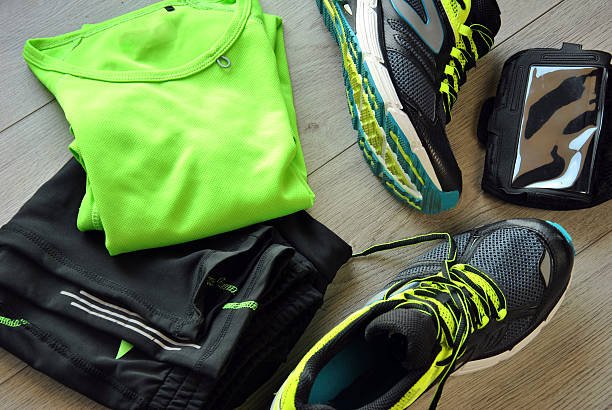
Athletic wear is specifically designed to enhance comfort and performance during various activities. From everyday wear to high-intensity workouts, athletic clothing caters to a range of needs.
Key Items in Women’s Athletic Wear
Core pieces of women’s athletic wear include:
- Sports Bras: Designed to provide support, ensuring safety and comfort during physical activities, available in various styles to fit different body types.
- Leggings: Versatile for both workouts and daily wear, offering a snug fit and flexibility for movement.
- Tank Tops: A foundational layer in athletic wardrobes, these sleeveless shirts provide breathability and are suitable for various climates.
Definition and Characteristics of Athletic Wear
Athletic wear refers to clothing specifically worn during exercise or sports, aiming to provide protection, comfort, and enhanced performance. The style and color of the clothing can vary based on the sport.
The choice of fabric is crucial; lightweight materials are ideal for warm weather, while heavier fabrics are better suited for colder conditions. Good breathability and durability ensure that athletic wear can withstand the rigors of intense exercise.
Diversity in Athletic Wear
Athletic wear comes in various forms, including:
- T-Shirts and Shorts: Suitable for a wide range of activities, providing a comfortable experience.
- Joggers: Unisex and made from lightweight materials, these pants offer comfort and a loose fit, often featuring elastic waistbands and pockets.
- Hoodies: Perfect for post-workout or casual wear, providing warmth and comfort.
- Athletic Shoes: A critical component designed specifically for sports, offering support and cushioning.
When choosing athletic wear, comfort and functionality should be the primary considerations. Whether for high-intensity training or daily activities, the right athletic clothing can significantly enhance performance and overall experience.
Commonalities Between Athletic Wear and Sportswear
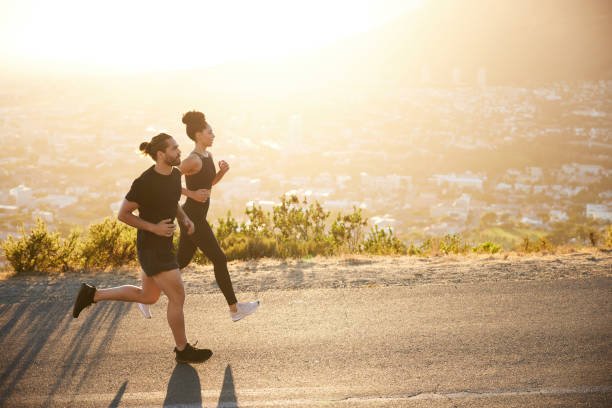
Athletic wear and sportswear share several key characteristics that make them suitable for various physical activities. Understanding these commonalities can help consumers make informed choices when selecting their outfits.
Durability
Durability is a critical factor when purchasing athletic wear. Both athletic wear and sportswear are typically constructed from breathable and moisture-wicking fabrics, which keep the wearer cool and comfortable during intense physical activities. The construction of sportswear is designed to withstand repeated wear and tear, often utilizing heavier and more robust fibers.
Key similarities in durability between athletic wear and sportswear include:
- Material Composition: Both types of clothing often incorporate synthetic materials engineered for elasticity, lightweight comfort, easy maintenance, and wrinkle resistance.
- Air Circulation: Effective airflow is essential in both styles to prevent overheating during exercise, promoting better thermal regulation.
Comfort
Comfort is another significant aspect shared by athletic wear and sportswear. Both are made from breathable fabrics that reduce the risk of injury while allowing for a full range of motion. These garments also shield the body from environmental factors like sun exposure, encouraging a healthy fitness mindset.
Style and Aesthetics
When considering the commonalities between athletic wear and sportswear, several stylistic elements come into play:
- Silhouette: Both types of clothing generally have similar silhouettes, designed to facilitate movement. They typically feature tailored cuts that are neither too tight nor too loose, allowing for unrestricted activity.
- Color Palette: While there are no strict color guidelines, both athletic wear and sportswear often favor softer tones. Bright colors can be distracting during workouts, whereas darker shades are effective at concealing sweat and other signs of physical exertion.
- Environmental Suitability: Athletic wear is designed specifically for sports activities, whether in the gym or on the field, while sportswear is more suitable for everyday wear. Both styles prioritize comfort and breathability in their design.
- Design Lines: The lines in athletic wear and sportswear are often determined by their intended functions. Athletic wear aims for a fitted silhouette to promote movement, whereas sportswear leans towards a looser fit for enhanced comfort.
- Value and Purpose: Both athletic wear and sportswear are designed for specific contexts. Athletic wear is tailored for performance during physical activity, while sportswear is meant for casual or everyday use, emphasizing comfort and airflow.
Breathability
Both athletic wear and sportswear typically feature breathable fabrics, making them ideal for workouts and leisure activities. Elements such as straps, vents, and other design features enhance comfort and functionality, ensuring a pleasant experience during physical exertion.
In summary, the similarities between athletic wear and sportswear make them ideal choices for various activities, whether for intense training sessions or casual outings. Understanding these commonalities can assist consumers in selecting the right clothing for their lifestyle.
Advantages and Disadvantages of Athletic Wear and Sportswear
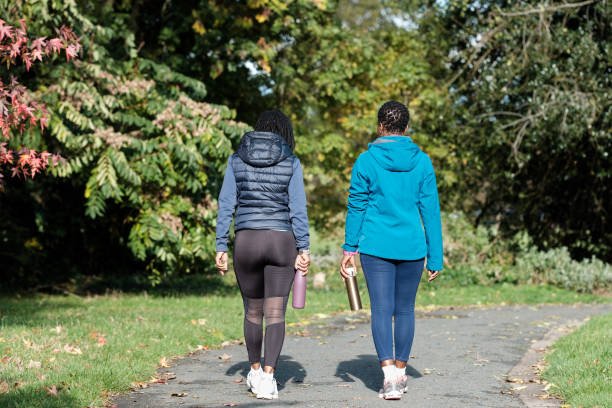
As more individuals become interested in health and fitness, the desire to remain comfortable and stylish during workouts has led to increased attention on athletic wear and sportswear. Understanding the pros and cons of these types of clothing is essential for making informed choices.
Advantages of Athletic Wear
Athletic wear is specifically designed for physical activities. Typically made from lightweight, breathable fabrics, it allows for a full range of motion, making it suitable for various activities, from yoga to running, and even casual outings.
- Comfort: One of the primary benefits of athletic wear is its comfort. Designed to fit well and allow for unrestricted movement, it is essential for any physical activity.
- Breathability: Most athletic wear is crafted from lightweight, moisture-wicking materials that help keep the wearer cool and dry during workouts. This feature is particularly beneficial in maintaining optimal performance levels.
- Visibility and Safety: Many athletic garments feature reflective details or bright colors, enhancing visibility during outdoor exercises. This safety aspect is crucial, especially for early morning or late evening workouts.
- Versatility: Athletic wear can be worn for various purposes, including exercise, casual outings, and even lounging at home. This multifunctionality makes it a practical addition to any wardrobe.
Disadvantages of Athletic Wear
While athletic wear has numerous advantages, it also comes with some drawbacks that potential buyers should consider.
- Cost: High-quality athletic wear can be more expensive than regular clothing due to its specialized materials and design. This higher price point may be a concern for budget-conscious consumers.
- Fit and Style Limitations: Athletic wear can sometimes be too revealing or fitted for certain individuals, which may not align with everyone’s personal style preferences. Additionally, finding the right fit can be challenging, especially for those whose body types don’t conform to standard sizing.
- Potential Restriction: Some athletic garments, such as compression shirts or leggings, may fit tightly and could feel restrictive during certain movements. This discomfort can deter some individuals from fully enjoying their workout.
- Occasion Appropriateness: While athletic wear is excellent for workouts and casual errands, it may not be suitable for more formal occasions. This limitation can restrict its versatility compared to more traditional clothing options.
Advantages of Sportswear
Sportswear, which often overlaps with athletic wear, offers its own set of benefits.
- Affordability: Generally, sportswear tends to be more budget-friendly than specialized athletic gear, making it accessible for a wider audience.
- Ease of Care: Most sportswear items are machine washable and easy to maintain, allowing for effortless cleaning and upkeep.
- Casual Style: Sportswear is designed for comfort, making it ideal for everyday wear. Its relaxed fit and stylish designs can seamlessly transition from the gym to casual outings.
- Broad Availability: With a vast range of options available, it’s often easier to find sportswear that fits a variety of body types and personal styles.
Disadvantages of Sportswear
Despite its advantages, sportswear is not without its limitations.
- Limited Performance Features: While sportswear is comfortable, it may lack the advanced features found in dedicated athletic wear, such as moisture-wicking properties or strategic ventilation.
- Inappropriate for Intense Activity: Sportswear may not provide the necessary support or durability for high-impact sports or rigorous workouts, making it less suitable for serious athletes.
- Fashion vs. Function: Some sportswear may prioritize style over performance, potentially compromising comfort or functionality during physical activities.
- Occasional Bulkiness: Sportswear can sometimes be bulkier than athletic wear, which may hinder mobility during workouts.
In conclusion, both athletic wear and sportswear have their distinct advantages and disadvantages. Understanding these factors can help individuals choose the right clothing for their fitness routines and everyday activities, ensuring comfort, style, and performance.
Materials Used in Athletic Wear: A Comprehensive Overview
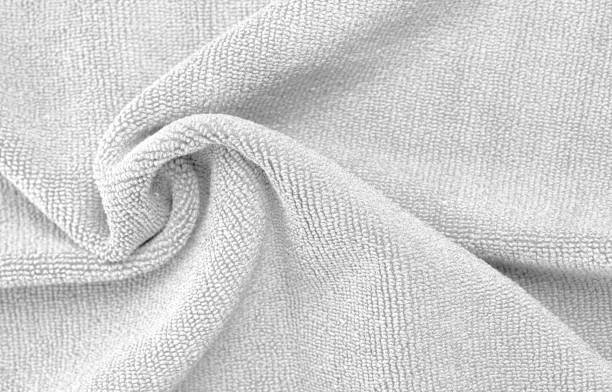
Athletic wear is designed to provide comfort and functionality during physical activities, and its effectiveness largely depends on the materials used in its construction. The fabrics can be broadly categorized into two main types: natural fibers and synthetic fibers. Understanding these materials helps consumers make informed choices about their athletic apparel.
Synthetic Fibers
- Polyester: This is one of the most common synthetic fabrics used in athletic wear. Polyester is known for its durability, moisture-wicking properties, and resistance to shrinking and stretching. It helps keep the body dry by drawing moisture away from the skin, making it ideal for intense workouts.
- Nylon: Renowned for its strength and durability, nylon is another popular choice for athletic wear. It has low moisture absorbency, which allows it to dry quickly. Its lightweight nature and flexibility make it suitable for a variety of sports and activities.
- Lycra/Spandex: Often blended with other materials, Lycra offers exceptional elasticity, allowing garments to stretch and conform to the body. This makes it ideal for activewear, such as compression garments, dancewear, and swimwear, where mobility is essential.
- Microfiber: Composed of extremely fine synthetic fibers, microfiber is known for its lightweight and moisture-wicking capabilities. It is soft to the touch and dries quickly, making it a popular choice for performance apparel.
- Polypropylene: This synthetic fiber is lightweight, durable, and has excellent moisture-wicking properties. It helps keep the skin dry during exercise by allowing sweat to evaporate quickly.
Natural Fibers
- Cotton: Although it is a natural fiber, cotton is less common in high-performance athletic wear due to its tendency to absorb moisture. However, it is soft, breathable, and comfortable, making it suitable for casual or low-intensity activities. Many brands blend cotton with synthetic fibers to enhance its moisture-wicking properties.
- Bamboo: Bamboo fabric is gaining popularity due to its eco-friendliness and natural antibacterial properties. It is soft, breathable, and effective at moisture management, making it a great option for warmer weather.
- Wool: Particularly Merino wool, is excellent for regulating body temperature and moisture management. Wool can absorb a significant amount of moisture while still feeling dry against the skin, making it ideal for colder weather sports like skiing or snowboarding.
In summary, the materials used in athletic wear play a crucial role in performance and comfort. While synthetic fibers like polyester, nylon, and Lycra provide durability and moisture management, natural fibers like cotton, bamboo, and wool offer softness and breathability. Understanding the characteristics of these materials can help individuals choose the best athletic wear for their specific needs, ensuring they stay comfortable and perform at their best during physical activities.
How to Choose the Right Athletic Wear: Key Considerations
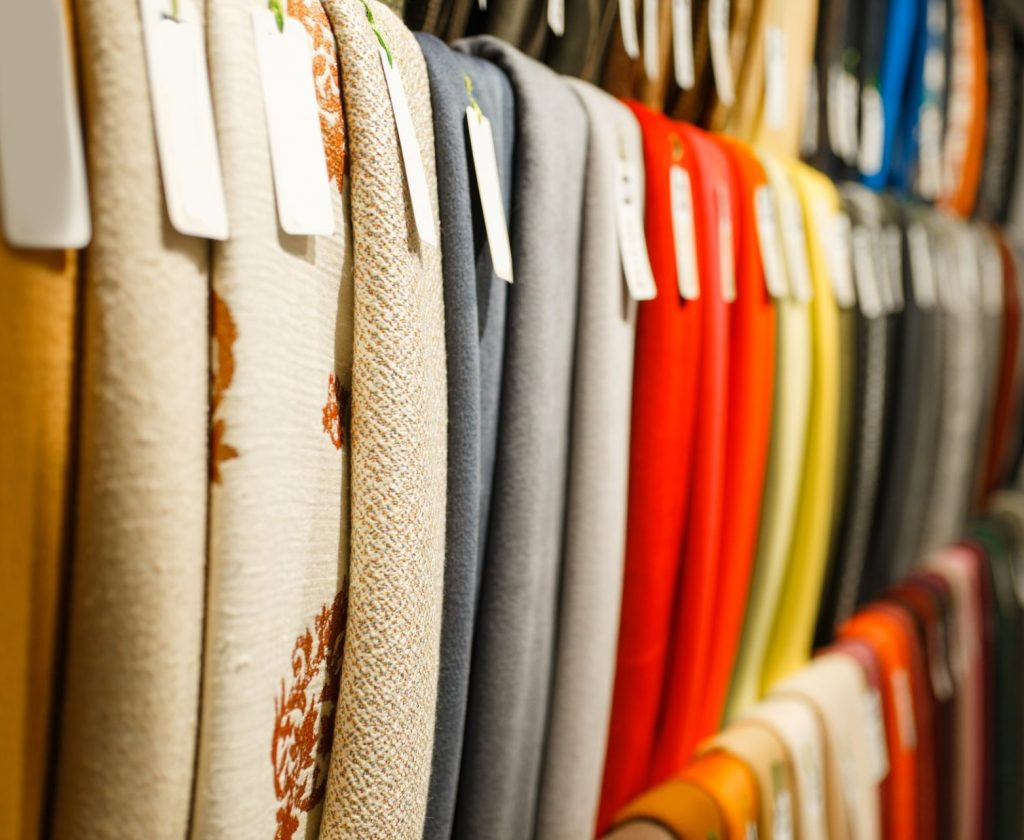
Comfort and Fit
- Try Before You Buy: Always try on athletic clothing before purchasing. The fit of the garment can influence your performance. Ensure that it allows for a full range of motion without being too loose or too tight. Different brands may have varying sizing, so don’t hesitate to experiment with different sizes to find what works best for you.
- Confidence Matters: Beyond fit, consider how the clothing makes you feel. You should feel confident and comfortable in your athletic wear, as this can motivate you to stay active.
Performance Optimization
- Assess Your Needs: Keep your workout goals in mind when selecting apparel. Different activities may require specific types of clothing. For instance, a sleeveless top might not be ideal for yoga, while breathable leggings may suit high-intensity workouts. Choose pieces that offer versatility for both workouts and casual wear.
- Fit and Functionality: The level of stretch and breathability in the fabric can affect performance. Opt for materials with a good amount of elasticity, as these can enhance comfort and support during various activities.
Material and Weight
- Choose the Right Fabrics: Look for blends that include cotton and synthetic fibers like spandex or polyester. These materials provide a balance of comfort, breathability, and moisture-wicking properties. When comparing products, consider lightweight options, as heavier fabrics can hinder your movement.
- Innovative Textiles: Explore customized textiles designed for athletic performance. Fabrics such as nylon are known for their lightweight properties and are ideal for activewear.
Brand Reliability and Ethics
- Brand Transparency: Investigate the brands you’re considering. Do they disclose where their products are made? Are they committed to using sustainable and eco-friendly materials? Understanding a brand’s ethics can guide you towards making responsible purchasing decisions.
- Quality Assurance: Ensure that the clothing is durable and of high quality. Look for brands that provide customer service and support, such as detailed product information and community engagement initiatives.
When selecting athletic wear, prioritize comfort, fit, material, and brand ethics. By considering these factors, you can make an informed choice that enhances your workout experience while also aligning with your personal values. Remember, the right gear not only supports your physical performance but also contributes to your overall well-being and confidence.
Conclusion
Athletic wear and activewear are essential clothing types designed for various activities, each serving distinct purposes. Both types of apparel come with unique advantages and should be chosen based on the specific activity you intend to engage in.
When selecting athletic wear, it is crucial to assess the quality standards of the manufacturer. At Yoplook, we pride ourselves not only on being a leading manufacturer but also on offering private label athletic wear services. Our focus is on producing stylish and functional athletic apparel tailored to meet the needs of our clients and their customers.
If you are in search of wholesale women’s joggers that prioritize maximum comfort, Yoplook is your ideal choice. Contact us today to discover our exceptional products and services, and elevate your athletic wear offerings.